Table of Contents
Healing Knee Meniscus Tears Without Surgery: The Role of PRP Therapy and Regenerative Medicine
Knee pain caused by a meniscus tear can halt daily activities. Many people face this injury after a twist, a fall, or years of wear. Regenerative medicine now offers hope through treatments like platelet-rich plasma (PRP) therapy. This approach uses the body’s own healing tools to mend the damage. It often reduces pain and swelling while speeding repair in areas with poor blood flow. For many, it helps avoid surgery altogether. When paired with integrative chiropractic care, the results can feel even stronger. Patients report improved joint mobility and reduced discomfort without going under the knife. (El Zouhbi et al., 2024)
What Is a Meniscus Tear and Why Does It Hurt?
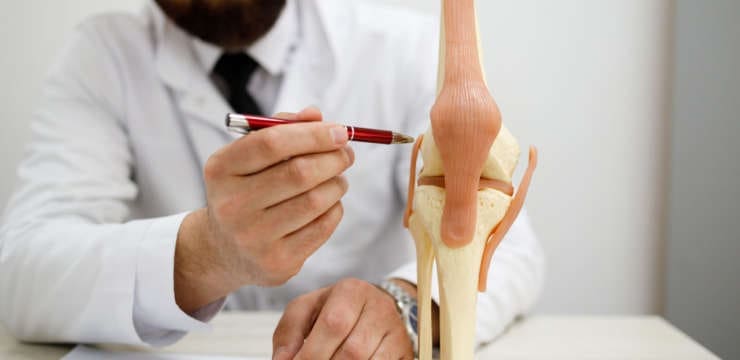
The meniscus acts like a shock absorber between the thigh bone and shin bone. It is made of tough cartilage and helps the knee glide smoothly. Tears occur when the knee is twisted severely or subjected to repeated stress. Common signs include sharp pain, swelling, and a catching feeling when bending the leg. Some people hear a pop at the moment of injury.
- Pain that gets worse with activity or stairs
- Swelling that builds up over hours or days
- Stiffness that makes it hard to straighten the knee fully
- A sense that the knee might give out or lock
Tears in the outer part of the meniscus have better blood supply and heal more easily. Inner tears often stay weak because blood flow is low. Traditional care might mean rest, ice, or surgery. Yet many now turn to non-surgical options first. (Shahid & Kundra, 2017)
How PRP Therapy Works to Repair the Knee
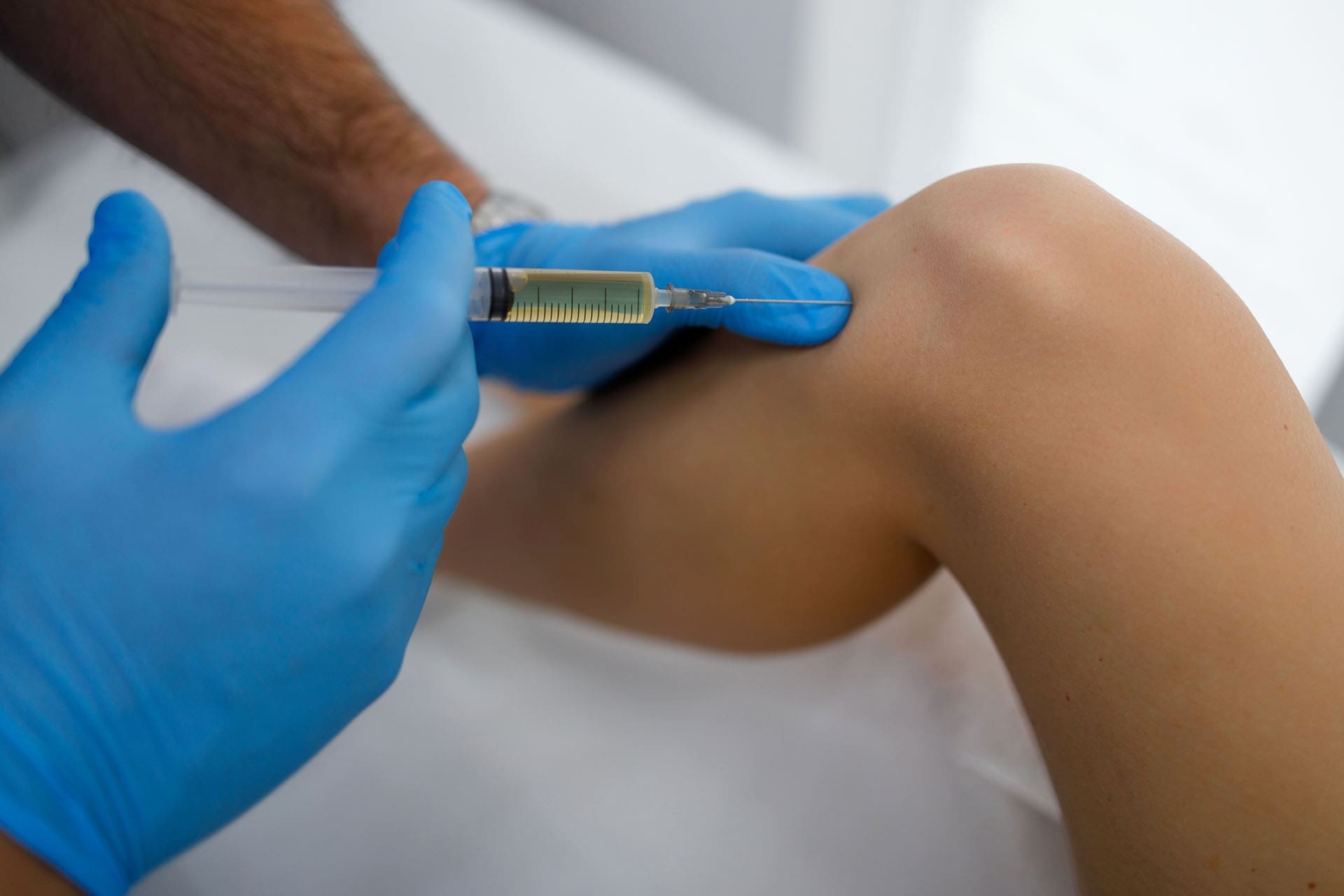
PRP stands for platelet-rich plasma. Doctors take a small sample of the patient’s own blood. They spin it in a machine to concentrate the platelets. These platelets hold powerful growth factors. The doctor then injects this rich mixture straight into the torn meniscus area. The whole process takes about 30 minutes in an office visit. No hospital stay is needed. (Johns Hopkins Medicine, n.d.)
The growth factors do three main jobs. First, they calm down swelling and pain signals. Second, they call in repair cells to the site of injury. Third, they help new tissue grow even in spots that usually lack blood. This makes PRP a smart choice for meniscus tears located in the white zone, which have limited natural healing capacity. (El Zouhbi et al., 2024)
Key Benefits of PRP for Meniscus Healing
Patients often notice changes within weeks. Studies show clear short-term gains in pain relief and daily function. Here are the main advantages:
- Less pain and swelling: Growth factors lower harmful chemicals that cause inflammation. Many report a drop in pain scores within the first month.
- Faster tissue repair: PRP boosts cell growth and the formation of new blood vessels. This helps the meniscus knit back together.
- Better knee function: Scores on tests like the Knee Injury and Osteoarthritis Outcome Score rise quickly. People walk, climb stairs, and return to light sports sooner.
- Possible surgery avoidance: In some cases, PRP can strengthen the tear enough that surgery is no longer needed. One review found lower failure rates after repair with the addition of PRP.
- Low risk: Because the material comes from the patient’s own blood, the risk of rejection or infection remains very low. (Columbia Pain Center, n.d.; El Zouhbi et al., 2024)
What Affects How Well PRP Works?
Not every tear responds the same way. Success depends on a few clear factors:
- Location of the tear: Outer tears near the blood supply heal best. Inner tears still improve, but may need more time or repeat shots.
- Severity of the injury: Small or partial tears respond faster than large, bucket-handle tears.
- Patient age: Younger adults and even teens often see results more quickly. Older knees with arthritis may need extra support.
- Overall health: Proper nutrition, regular exercise, and no smoking help the body use growth factors more effectively.
- Rehab commitment: Following a guided physical therapy plan after the injection makes a big difference. (Western Ortho, n.d.; El Zouhbi et al., 2024)
Doctors verify these details with imaging and a full exam before starting treatment.
The Role of Integrative Chiropractic Therapy
Chiropractic care fits perfectly with PRP. Gentle adjustments keep the knee, hip, and spine aligned. This takes pressure off the injured meniscus. Soft-tissue work and mobilization ease tight muscles around the joint. Patients feel steadier on their feet and move with less fear of pain. (PCH Chiropractic, n.d.)
Chiropractic also improves nerve signals to the knee. Better nerve flow means stronger muscles and smoother motion. When the joint works properly, the PRP can focus on repair rather than fighting extra stress. Many clinics now offer both treatments in one plan for faster, lasting relief. (Cary Ortho, n.d.)
Why Combine PRP and Chiropractic Care?
Teamwork between regenerative shots and chiropractic adjustments gives the knee every tool it needs. PRP handles the inside repair. Chiropractic handles alignment and movement. Together, they create a complete non-surgical path.
- Improved joint mechanics: Adjustments reduce uneven wear, keeping the healing meniscus protected.
- Faster return to activity: Patients regain strength and balance sooner.
- Long-term joint health: The combo may slow the progression of arthritis that often follows a meniscus tear.
- Holistic support: Nutrition advice and posture checks add extra healing power. (Rockwall Elite Health, n.d.; Jimenez, 2026)
Clinical Observations from Dr. Alexander Jimenez
Dr. Alexander Jimenez, DC, APRN, FNP-BC, brings more than 30 years of hands-on experience to this field. At his Injury Medical Clinic in El Paso, Texas, he blends PRP injections with chiropractic care and functional medicine. He has seen PRP calm knee inflammation and spark tissue repair in patients with meniscus tears and related joint problems. Dr. Jimenez notes that when PRP is paired with careful adjustments and rehab, people often regain mobility without surgery. His approach looks at the whole body—nutrition, detoxification, and movement patterns—to support the healing cascade. Many of his patients with sports injuries or everyday knee pain report less discomfort and quicker returns to daily life. He emphasizes using imaging guidance for precise PRP placement and following up with chiropractic to lock in the gains. (Jimenez, 2026; dralexjimenez.com, n.d.)
Real-World Results and Patient Stories
Clinics across the country share similar success. One center in Florida reports that PRP helps patients avoid surgery by naturally regenerating cartilage. Another study in Riverside, California, highlights quicker recovery times after PRP knee injections for meniscus tears. Patients describe walking farther and sleeping better at night because the pain eases. (Joint Institute of Florida, n.d.; Ortho Repair, n.d.)
MRI checks sometimes show the tear stabilizing after six months. Function scores climb, and return-to-sport times shorten. While long-term studies still need more data, short-term wins give patients real hope. (ROSM, n.d.)
Is PRP Right for You?
Not every knee needs PRP, but it shines when rest and basic therapy fall short. A full evaluation by a trained team decides the best path. Factors like tear type, patient goals, and overall health guide the plan. For those who want to stay active without surgery, this regenerative route offers a strong option. (Derrington Ortho, n.d.)
Taking the Next Step Toward Knee Recovery
Regenerative medicine, led by PRP therapy, changes how doctors treat meniscus injuries. It taps the body’s own power to cut pain, fight swelling, and rebuild tissue. Adding integrative chiropractic care further improves results by correcting alignment and boosting function. Patients avoid a long recovery from surgery and return to their lives faster. Dr. Alexander Jimenez and many specialists see these tools working well together in real clinics every day.
If knee pain from a meniscus tear is holding you back, talk to a provider who understands both PRP and chiropractic. Early care can make all the difference. Non-surgical healing is no longer a dream—it is happening right now for thousands of people who want to keep moving strong.
References
Johns Hopkins Medicine. (n.d.). Platelet-rich plasma (PRP) treatment.
Jimenez, A. (2026). PRP therapy body detoxification and tissue repair explained.
ROSM. (n.d.). PRP for meniscus repair.
Disclaimers
Professional Scope of Practice *
The information herein on "Healing Knee Meniscus Tears: The Role of PRP Therapy" is not intended to replace a one-on-one relationship with a qualified health care professional or licensed physician and is not medical advice. We encourage you to make healthcare decisions based on your research and partnership with a qualified healthcare professional.
Blog Information & Scope Discussions
Welcome to El Paso's wellness blog, where Dr. Alex Jimenez, DC, FNP-C, a board-certified Family Practice Nurse Practitioner (FNP-C) and Chiropractor (DC), presents insights on how our team is dedicated to holistic healing and personalized care. Our practice aligns with evidence-based treatment protocols inspired by integrative medicine principles, similar to those found on dralexjimenez.com, focusing on restoring health naturally for patients of all ages.
Our areas of chiropractic practice include Wellness & Nutrition, Chronic Pain, Personal Injury, Auto Accident Care, Work Injuries, Back Injury, Low Back Pain, Neck Pain, Migraine Headaches, Sports Injuries, Severe Sciatica, Scoliosis, Complex Herniated Discs, Fibromyalgia, Chronic Pain, Complex Injuries, Stress Management, Functional Medicine Treatments, and in-scope care protocols.
Our information scope is limited to chiropractic, musculoskeletal, physical medicine, wellness, contributing etiological viscerosomatic disturbances within clinical presentations, associated somato-visceral reflex clinical dynamics, subluxation complexes, sensitive health issues, and functional medicine articles, topics, and discussions.
We provide and present clinical collaboration with specialists from various disciplines. Each specialist is governed by their professional scope of practice and their jurisdiction of licensure. We use functional health & wellness protocols to treat and support care for the injuries or disorders of the musculoskeletal system.
Our videos, posts, topics, subjects, and insights cover clinical matters, issues, and topics that relate to and directly or indirectly support our clinical scope of practice.*
Our office has reasonably attempted to provide supportive citations and has identified the relevant research studies or studies supporting our posts. We provide copies of supporting research studies available to regulatory boards and the public upon request.
We understand that we cover matters that require an additional explanation of how they may assist in a particular care plan or treatment protocol; therefore, to discuss the subject matter above further, please feel free to ask Dr. Alex Jimenez, DC, APRN, FNP-BC, or contact us at 915-850-0900.
We are here to help you and your family.
Blessings
Dr. Alex Jimenez DC, MSACP, APRN, FNP-BC*, CCST, IFMCP, CFMP, ATN
email: coach@elpasofunctionalmedicine.com
Licensed as a Doctor of Chiropractic (DC) in Texas & New Mexico*
Texas DC License # TX5807
New Mexico DC License # NM-DC2182
Licensed as a Registered Nurse (RN*) in Texas & Multistate
Texas RN License # 1191402
ANCC FNP-BC: Board Certified Nurse Practitioner*
Compact Status: Multi-State License: Authorized to Practice in 40 States*
Graduate with Honors: ICHS: MSN-FNP (Family Nurse Practitioner Program)
Degree Granted. Master's in Family Practice MSN Diploma (Cum Laude)
Dr. Alex Jimenez, DC, APRN, FNP-BC*, CFMP, IFMCP, ATN, CCST
My Digital Business Card
What's your reaction?