Understanding men’s health in the context of hormone therapy is essential for those seeking to optimize their health and vitality. Abstract In this educational post,…


Understanding men’s health in the context of hormone therapy is essential for those seeking to optimize their health and vitality. Abstract In this educational post,…

Advanced MLS Laser Therapy for Chronic Pain Relief Abstract In this educational post, we explore the intricate world of Multiwave Locked System (MLS) Laser Therapy,…

“ Abstract As a clinician dedicated to providing the most advanced and effective treatments, I am constantly navigating the complex world of regenerative medicine. This…

Women’s health for hormone optimization is key to achieving vitality and balance. Discover effective methods and insights in our guide. Abstract: Rethinking Hormone Therapy For…

Sciatic Nerve Compression, Pinching, and Crush: A Health-Coaching Guide to Healing and Prevention Why this matters When the sciatic nerve (or the lumbar nerve roots…

Circulation You Can Feel: A Health-Coaching Plan That Uses Chiropractic & Integrative Care to Power Oxygen, Energy, and Healing Why circulation is your body’s “energy…

Chiropractic & Functional Nutrition: A Holistic Recovery at Health Coach Clinic Introduction At Health Coach Clinic, we believe in healing the whole person—not just easing…

Holistic Recovery with Functional Medicine: El Paso Health Coach Clinic Functional Medicine for Comprehensive Healing Motor vehicle accidents (MVAs) often result in hidden injuries that…

Nutrition and Supplements for Mobility and Flexibility: A Functional Medicine Approach at El Paso Health Coach Clinic Maintaining mobility and flexibility is essential for an…

Understanding Motor Vehicle Accidents: Musculoskeletal Injuries and Integrative Treatment Options Motor vehicle accidents (MVAs) can have a profound impact on the body, often leading to…

Healthy Snacks for Safe Driving: Preventing Drowsiness and Enhancing Recovery from Motor Vehicle Accidents Driving is a daily necessity for many, whether commuting to school,…

? Physical Therapy After a Motor Vehicle Accident: Healing Beyond the Crash Introduction Motor vehicle accidents (MVAs) can inflict more than dents and scrapes—they often…
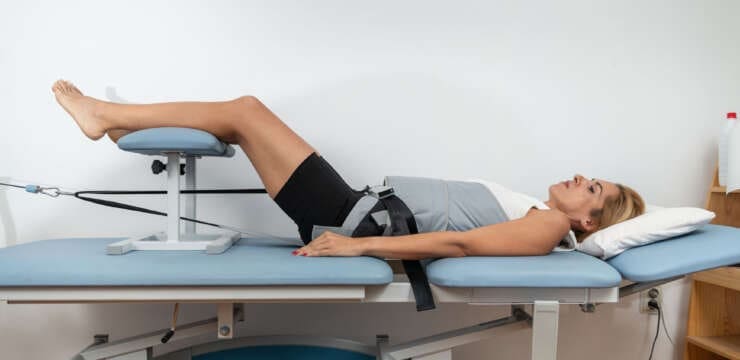
From Impact to Imbalance: The Lasting Effects of MVAs on Posture and Back Health Introduction: The Hidden Cost of Car Accidents Motor vehicle accidents (MVAs)…

Comprehensive Guide to Motor Vehicle Accident Injuries: Compression, Nerve, Whiplash, and Peripheral Neuropathies Introduction Motor vehicle accidents (MVAs) are a significant cause of injury worldwide,…

Ligamentous Injuries from Motor Vehicle Accidents: Clinical Rationale, Sciatica, and Personal Injury Care in El Paso Motor vehicle accidents (MVAs) are a leading cause of…
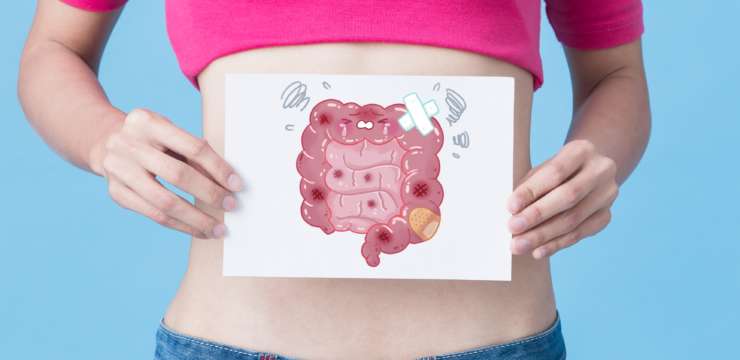
The human body is more complex than scientists understand. Constantly, new research is being conducted and published that dives deeper into the bodies of multiple systems, uncovering new thought-provoking information. As of late, a lot of research is being conducted revolving around the human gut/gastrointestinal system. Originally thought, the gut was made to store and digest food. However, now we see that the gut is the real mastermind behind everyday bodily functions. The gut has now been linked to headaches, inflammation, and autoimmune disease.Â
BackgroundÂ
The digestive tract is one of the essential immune support organs. In fact, it is the immunological powerhouse that houses more than 80% of our antibody-producing cells. This means that our gut is the first line of defense when it comes to unwanted antigens. The gut is so powerful that researchers began to question and test its true abilities.Â
The GutÂ
The thought of the body having two brains sounds fictional, but scientists have begun referring to the gut as the body’s “second brain.†Researchers found that the brain in the human skull, working with the Central Nervous System (CNS) and the gut working with the Enteric Nervous System (ENS), can function separately. Although the two use the same “hardware,†the ENS can manage every aspect of digestion and is a nearly self-contained network of neurotransmitters and proteins.Â
Just throughout the small intestine, there are more than 100 million nerve cells. If you combine the number of nerve cells in the human GI tract, you will find that there are more nerves in the gut than there are in the human spine. This allows the ENS the capability to help with ION transport and GI blood flow.Â
Nearly every substance the body contains to control the brain can simultaneously be found in the gut. One of these substances being serotonin. 95% of serotonin is housed in the gut. A cell referred to as the enterochromaffin squirts serotonin into the wall of the gut, which then communicates with the nerve cells to get things moving. 90% of communication occurring is from the gut to the brain. When we take this into consideration with chiropractic care, we see how it is all connected. Chiropractic care focuses on the musculoskeletal system. The musculoskeletal system includes bones, muscles, tendons, ligaments, and soft tissue. All of these work together to support your body’s weight and help you move to perform daily functions. Injuries, disease, and aging can cause pain, stiffness, and other problems with movement and function. The muscular system is an organ system that consists of skeletal, smooth, and cardiac muscles. Smooth muscle is what lines the interior of the gut. As we know, the muscle systems in vertebrates are controlled through the nervous system. In fact, studies have shown that chiropractic care helps to reduce constipation, low back pain, and overall well-being. This study shows how the gut and digestive systems are directly connected to chiropractic care.
Inner Defense SystemÂ
As previously mentioned, the gut is our inner defense system. The mucosal layer that is associated with lymph node tissue is our primary source of immunological function. Gut-Associated Lymphoid Tissue (GALT) is the first to see foreign invaders and put up a fight. GALT produces two levels of defense, the most abundant being secretory IgA. Secretory IgA binds to antigens to provide protection against microbes.Â
It is important to note that secretory IgA in itself is NON-Inflammatory. However, when secretory IgA is fighting, it sends off signals for help from other immune cells, such as IgG and IgM, which do produce an inflammatory response.Â
Most individuals who have an autoimmune disease have worn-out IgAs. The goal of the gut and its defense system is to keep nutrients in while bouncing antigens off. In the case of autoimmune diseases, we see nutrients leaking out and antigens coming in.
InBody
In order to gain a better understanding of the health of our patients, we use the InBody 770. This allows us to assess health down to the orthomolecular level. With the use of the InBody, we can see phase angle, visceral fat (higher visceral fat has an association with type 2 diabetes, heart attack, and stroke), intracellular water, extracellular water (this is related to inflammation and swelling), lean muscle, and percent body fat. These numbers are critical when considering a health condition, especially if the extracellular water is high. We see a direct overlap in risk profiles with excess extracellular water to other inflammatory diseases and markers.Â
With more research shining a light on these, we see the true the gut and how it comes into play with autoimmune disease and inflammation.Â
[embedyt] www.youtube.com/watch?v=_6_sG_JV-0Q%5B/embedyt%5D
THE GUT IS GENUINELY SO POWERFUL AND HIGHLY OVERLOOKED. I CAN SPEAK FROM EXPERIENCE IN HAVING AN AUTOIMMUNE CONDITION WHERE NOT A SINGLE DOCTOR MENTIONED MY DIET OR MY GUT! NOW, KNOWING THIS INFORMATION AND BEING SURROUNDED BY PATIENTS WHO SUFFER FROM A DISEASE SIMILAR TO MINE, IT IS THE FIRST PLACE WE LOOK. THE GUT IS THE POWERHOUSE AND SHOULD BE TREATED AS SO. -KENNA VAUGHN, SENIOR HEALTH COACHÂ
ReferencesÂ
University, Functional Medicine and Ronald Grisanti , directors. Physiology of the Gut Associated Lymphoid Tissue, Enteric Nervous System and Mucosal Barrier. Functional Medicine University – The Leader in Online Training in Functional Diagnostic Medicine, 2010,.
Rédly M. (2001). The effects of chiropractic care on a patient with chronic constipation. The Journal of the Canadian Chiropractic Association, 45(3), 185–191.Â
