Explore the details surrounding an auto accident and recover from WAD. Knowledge is key to navigating the aftermath effectively.
Table of Contents
Whiplash-Associated Disorders: How Motor Vehicle Accidents Affect Your Neck and What to Do About It
Picture this: You’re driving along, singing off-key to your favorite song, when—WHAM!—someone rear-ends you. Suddenly, your neck feels like it’s auditioning for a bobblehead doll commercial. That, my friend, is whiplash, and it’s no laughing matter—though we’ll sprinkle some humor in here to keep things light. Welcome to the wild world of whiplash-associated disorders (WAD), a common injury tied to motor vehicle accidents (MVAs) that can turn your cervical spine into a real pain in the neck.
In this monster of a blog post (over 5,000 words, buckle up!), we’re diving deep into why WAD happens, how it messes with your neck, and what you can do to recover. We’ll lean on clinical insights from Dr. Alexander Jimenez, DC, APRN, FNP-BC, a top-notch chiropractor and nurse practitioner in El Paso who’s a wizard at treating these injuries. Plus, we’ll explore how his expertise shines in personal injury cases, using fancy tools like advanced imaging to help accident victims get back on their feet—and maybe even win a legal battle or two. Ready? Let’s roll!
What Are Whiplash-Associated Disorders (WAD)?
Whiplash-associated disorders, or WAD, are a collection of symptoms that occur after your neck gets jerked around like a ragdoll, usually thanks to a car crash. The term “whiplash” comes from the whip-like motion your head makes, snapping back and forth faster than you can say “ouch.” It’s the cervical spine—those seven little vertebrae in your neck—that takes the brunt of this chaos.
The Quebec Task Force, a group of smart folks who studied this stuff, broke WAD into four grades:
- Grade 0: No pain, no problems. You’re golden.
- Grade 1: Neck pain, stiffness, or tenderness, but nothing shows up on a physical exam.
- Grade 2: Neck pain plus signs like limited movement—like your neck’s saying, “Nope, not today.”
- Grade 3: Neck pain with nerve issues, like numbness or weakness.
- Grade 4: Neck pain with serious stuff like fractures or dislocations.
Most people land in Grades 1 or 2, which might sound mild, but trust me, it’s no picnic. Left untreated, even these “minor” cases can turn into chronic pain that sticks around like an unwanted houseguest.
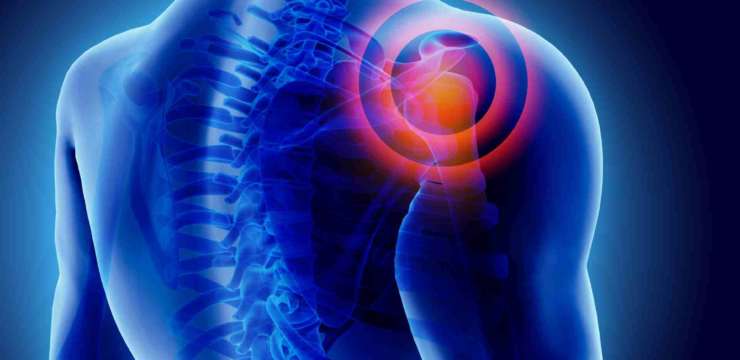
Why does this happen? It’s all about the cervical spine’s design. Those seven vertebrae (C1 to C7) are built for flexibility—think of them as the acrobats of your spine. But that flexibility makes them vulnerable when a car crash sends your head on a wild ride. Muscles, ligaments, and discs can get stretched, torn, or inflamed, leaving you feeling like you’ve been put through a blender.
For a closer look at WAD’s nitty-gritty, check out the Quebec Task Force’s work (Quebec Task Force, 1995, as cited in storage.googleapis.com/msgsndr/f7MqhebiCT4QYAjutsvR/media/672272993064345d24829dfc.pdf).
References
- Quebec Task Force. (1995). Scientific monograph of the Quebec Task Force on Whiplash-Associated Disorders: Redefining “whiplash” and its management. Spine, 20(8S), 1S-73S. Retrieved from storage.googleapis.com/msgsndr/f7MqhebiCT4QYAjutsvR/media/672272993064345d24829dfc.pdf
How Motor Vehicle Accidents Cause WAD
Ever wonder why a fender-bender can leave your neck screaming for mercy? It’s all about physics—and a little bit of bad luck. In a rear-end collision, your car lurches forward, dragging your body along for the ride. But your head? It’s got other plans. Being heavier, it stays put for a split second, forcing your neck to hyperextend—bending backward like it’s trying to spot something behind you. Then, as the car stops, your head snaps forward into hyperflexion. It’s a rollercoaster your neck didn’t RSVP for.
This back-and-forth action—called an acceleration-deceleration injury—wreaks havoc on the cervical spine. Here’s what gets hit:
- Muscles: Strained or torn, leaving you stiff and sore.
- Ligaments: Stretched like overworked rubber bands, causing instability.
- Discs: Squished or herniated, sometimes pinching nerves.
- Facet Joints: Tiny joints that let your neck move, now inflamed and cranky.
The cervical spine’s job is to keep your head upright while letting you turn it like an owl. But in an MVA, that flexibility becomes a liability. Studies show that during a crash, the lower neck hyperextends while the upper neck flexes, creating an S-shaped curve that’s anything but normal (Jimenez, 2016, as cited in www.elpasochiropractorblog.com/2016/08/recovering-from-whiplash-associated.html). It’s like your spine’s doing yoga without warming up—ouch!
Rear-end crashes are the biggest culprits, but side impacts or rollovers can also trigger WAD. The speed doesn’t even have to be high—crashes as slow as 10 mph can do it. So, next time someone says, “It was just a little bump,” tell them your neck disagrees.
References
- Jimenez, A. (2016, August). Recovering from whiplash-associated disorders. El Paso Chiropractor Blog. Retrieved from www.elpasochiropractorblog.com/2016/08/recovering-from-whiplash-associated.html
Symptoms and Diagnosis of WAD
So, what does WAD feel like? Imagine your neck’s been replaced with a rusty hinge—stiff, creaky, and complaining every time you move. Common symptoms include:
- Neck Pain and Stiffness: The star of the show, often kicking in hours after the crash.
- Headaches: Starting at the base of your skull, like a drummer practicing in your head.
- Shoulder and Back Pain: Because misery loves company.
- Dizziness: The room spins like you’re on a carnival ride.
- Brain Fog: Trouble focusing or remembering—whiplash’s sneaky little bonus.
- Tinnitus: Ringing ears, because why not?
Diagnosing WAD is like playing detective. Doctors start with a physical exam, poking around for tenderness, checking how far you can move your neck, and testing your nerves. Imaging—like X-rays, CT scans, or MRIs—helps rule out fractures or big damage. But here’s the kicker: soft tissue injuries (the main culprits in WAD) often don’t show up on these scans. It’s like trying to spot a ghost—there, but invisible.
Dr. Alexander Jimenez, a whiplash pro in El Paso, knows this all too well. He uses advanced tools like MRIs to peek at soft tissues and nerve studies to catch what X-rays miss (Health Coach Clinic, n.d., healthcoach.clinic/). Without these, you might be told “everything looks fine,” even when you feel like a wreck.
References
- Health Coach Clinic. (n.d.). Retrieved from healthcoach.clinic/
The Science of Motion- Video
Treatment and Recovery from WAD
Treating WAD is like fixing a wonky chair—you’ve got to stabilize it and strengthen it step by step. Here’s how it usually goes:
Early Days
- Rest and Ice: Chill out (literally) to calm inflammation.
- Pain Meds: Over-the-counter stuff like ibuprofen to quiet the noise in your neck.
- Neck Brace: Sometimes, but not too long—your neck needs to move eventually.
Next Steps
- Physical Therapy: Exercises to get your neck moving again, like a rusty hinge getting oiled.
- Chiropractic Care: Adjustments to realign your spine—Dr. Jimenez’s specialty.
Dr. Jimenez doesn’t mess around. He combines hands-on therapy, custom exercises, and patient education to stop WAD in its tracks (Jimenez, 2016). His approach at Health Coach Clinic is all about early action, because waiting too long can turn a short-term ouch into a long-term nightmare.
Advanced Options
- Injections: Steroids or lidocaine to zap pain and swelling.
- Surgery: Super rare, but an option for big damage like herniated discs.
Recovery’s a wild card. Some folks are back to normal in weeks; others fight symptoms for months or years. Dr. Jimenez stresses that the cervical spine heals best with active care—think movement over couch-potato mode (Health Coach Clinic, n.d.). It’s like training for a marathon: slow and steady wins the race.
References
- Jimenez, A. (2016, August). Recovering from whiplash-associated disorders. El Paso Chiropractor Blog. Retrieved from www.elpasochiropractorblog.com/2016/08/recovering-from-whiplash-associated.html
- Health Coach Clinic. (n.d.). Retrieved from healthcoach.clinic/
The Role of Advanced Imaging and Diagnostics
When your neck’s acting up but X-rays shrug and say, “Looks fine to me,” it’s time for the big guns. Dr. Jimenez uses advanced imaging like:
- MRI: Sees soft tissues—muscles, ligaments, discs—like a superhero with X-ray vision.
- CT Scans: Great for bones and sneaky fractures.
- Nerve Studies: Checks if nerves are pinched or grumpy.
These tools are gold in personal injury cases. They prove your neck’s not just whining—it’s injured. Dr. Jimenez’s dual-scope approach (combining imaging with hands-on exams) paints a clear picture for treatment and legal battles (LinkedIn, n.d., www.linkedin.com/in/dralexjimenez/). It’s like giving your lawyer a high-def map of your pain.
References
- LinkedIn. (n.d.). Dr. Alexander Jimenez. Retrieved from www.linkedin.com/in/dralexjimenez/
Dr. Alexander Jimenez: El Paso’s Whiplash Wizard
Meet Dr. Alexander Jimenez, DC, APRN, FNP-BC—a chiropractor, nurse practitioner, and all-around neck-saving hero. Based in El Paso, he runs Health Coach Clinic, where he tackles WAD like a pro wrestler taking down an opponent. With advanced training and a knack for diagnostics, he’s the go-to guy for auto injury victims.
Dr. Jimenez doesn’t just slap on a Band-Aid. He digs deep with imaging and hands-on care, crafting plans that heal the cervical spine and stop pain from crashing the party (Health Coach Clinic, n.d.). Plus, he’s a legal ace—his detailed reports and testimony help accident victims in El Paso fight for justice. It’s like having a doctor and a courtroom ally rolled into one.
References
- Health Coach Clinic. (n.d.). Retrieved from healthcoach.clinic/
- LinkedIn. (n.d.). Dr. Alexander Jimenez. Retrieved from www.linkedin.com/in/dralexjimenez/
Personal Injury Cases in El Paso: Why Dr. Jimenez Shines
After an MVA, dealing with insurance is like wrestling a greased pig—slippery and exhausting. In El Paso, where busy roads mean plenty of crashes, personal injury cases need solid proof. That’s where Dr. Jimenez comes in. His expertise turns medical jargon into legal ammo, helping victims get fair compensation (LinkedIn, n.d.). He’s the bridge between “my neck hurts” and “here’s why you should care.”
References
- LinkedIn. (n.d.). Dr. Alexander Jimenez. Retrieved from www.linkedin.com/in/dralexjimenez/
Conclusion
Whiplash-associated disorders from motor vehicle accidents are a serious health concern that can significantly impact your life. The cervical spine’s vulnerability in a crash makes WAD a common yet complex injury, requiring prompt and expert care to prevent long-term issues. Dr. Alexander Jimenez’s clinical insights and advanced diagnostic tools offer hope for recovery and justice, especially for personal injury victims in El Paso. If you’ve been in an accident, don’t wait—seek medical attention immediately, even if you feel okay at first. Your neck deserves it.
Disclaimer: This blog post is for informational purposes only and is not medical advice. Consult a qualified healthcare professional if you suspect WAD or any injury.
Full References
- Quebec Task Force. (1995). Scientific monograph of the Quebec Task Force on Whiplash-Associated Disorders: Redefining “whiplash” and its management. Spine, 20(8S), 1S-73S. Retrieved from storage.googleapis.com/msgsndr/f7MqhebiCT4QYAjutsvR/media/672272993064345d24829dfc.pdf
- Jimenez, A. (2016, August). Recovering from whiplash-associated disorders. El Paso Chiropractor Blog. Retrieved from www.elpasochiropractorblog.com/2016/08/recovering-from-whiplash-associated.html
- Health Coach Clinic. (n.d.). Retrieved from healthcoach.clinic/
- LinkedIn. (n.d.). Dr. Alexander Jimenez. Retrieved from www.linkedin.com/in/dralexjimenez/
What's your reaction?