Table of Contents
Self-Massage for Sciatica Pain Relief: Techniques, Tools, and Chiropractic Support
Sciatica causes sharp, shooting pain that starts in the lower back and travels down one leg. It happens when the sciatic nerve gets compressed or irritated. Many people feel better with simple self-massage techniques at home. These methods focus on relaxing tight muscles that compress the nerve. When combined with chiropractic care, they can provide both quick relief and longer-lasting results.
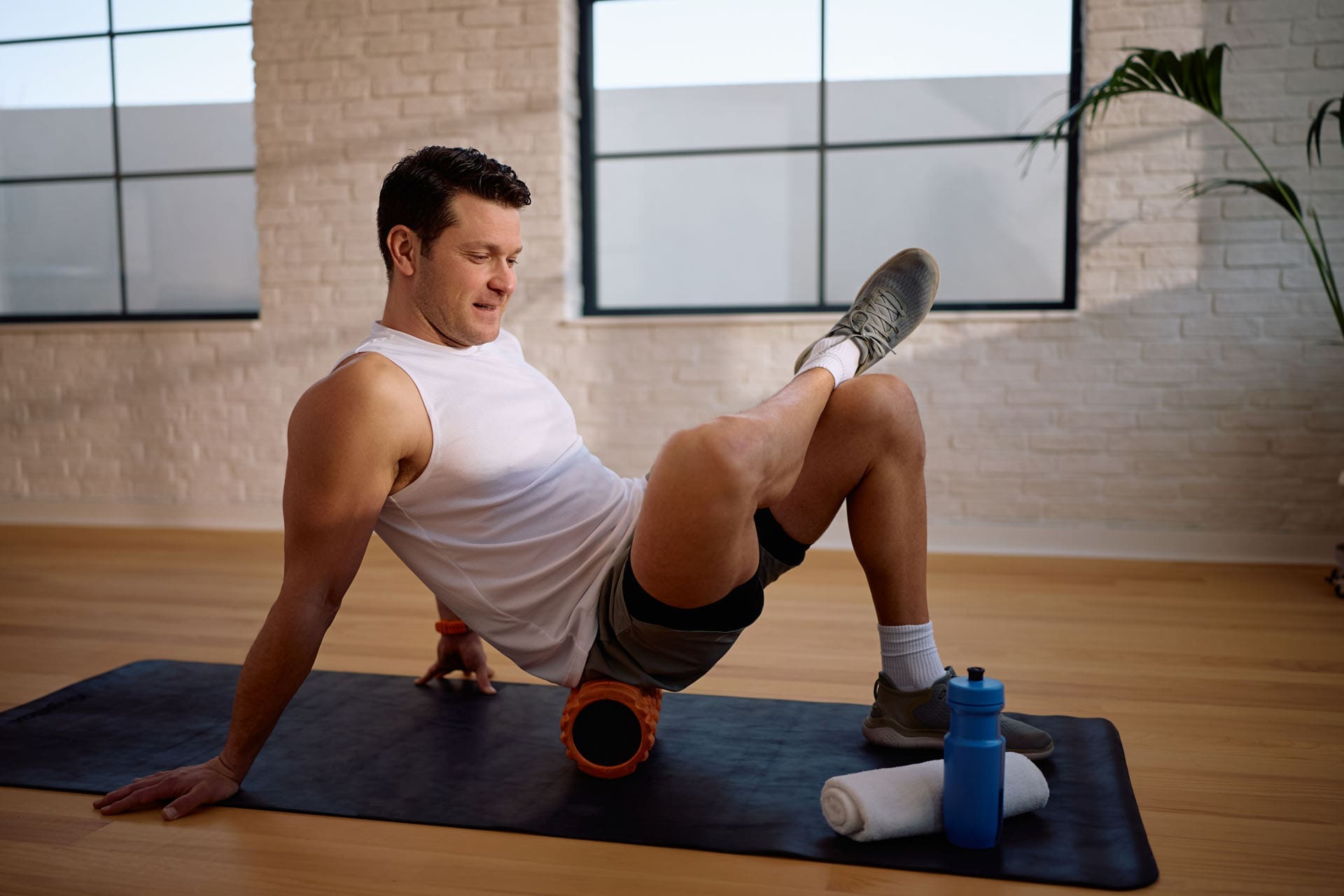
Self-massage helps loosen muscles in the lower back, buttocks, and hips. Tools such as tennis balls and foam rollers help reach deep spots that hands alone cannot reach. Adding calf massage can help relieve pain that radiates to the legs. Professionals often combine these with heat to further relax tissues. The key is staying gentle and listening to your body.
Why Self-Massage Helps Sciatica
Tight muscles in the glutes and piriformis area can squeeze the sciatic nerve. The piriformis is a small muscle deep in the buttocks that helps rotate the hip. When it spasms or tightens, it can cause piriformis syndrome, which often feels similar to classic sciatica.
Releasing this tension reduces pressure on the nerve. Improved blood flow also carries away waste products that cause soreness. Many people report less pain, improved mobility, and fewer tingling sensations after regular sessions.
Helpful Tools for At-Home Relief
Simple household items make self-massage easier and more effective:
- Tennis balls: Cheap, firm enough for deep pressure but gentle on beginners. Tape two together for better stability or use one alone.
- Foam rollers: Provide broader pressure across larger muscles, such as the glutes and lower back. Smooth rollers suit beginners; textured ones give deeper work.
- Your hands or fists: Great for targeted spots on the calves or lower back when sitting or lying down.
These tools let you control the pressure yourself.
Targeting the Main Problem Areas
Effective self-massage focuses on three key zones:
- Lower back and sacrum: Place a tennis ball or foam roller under your lower back while lying on the floor. Gently rock side to side to release tightness around the spine.
- Glutes and piriformis: Sit on a tennis ball with the ball under one buttock. Cross the ankle of that leg over the opposite knee to deepen the stretch. Roll slowly to find tight spots.
- Calves for referred pain: Tight calf muscles can send pain signals up the leg. Sit on the floor and use your thumbs or a ball to press and roll from the Achilles tendon up toward the knee.
Spend 30 to 60 seconds on each spot, breathing deeply. Repeat on both sides, even if only one leg hurts.
Proven Massage Methods
Several techniques stand out for sciatica relief:
- Myofascial release: This gently stretches the thin connective tissue (fascia) that wraps around muscles. Roll slowly on a foam roller and pause on tender areas for up to a minute to help the tissue loosen.
- Deep tissue pressure: Use firmer pressure with a fist, elbow, or ball to reach deeper muscle layers in the glutes and lower back. Move in slow circles or long strokes.
- Trigger point therapy: Find small, extra-tight knots and apply steady pressure until the spot softens. This can reduce pain that radiates to the leg.
These methods work best when combined. Many people start with heat to warm the muscles, then massage, and finish with gentle stretching.
Using Heat to Boost Results
Heat therapy relaxes tight muscles and improves blood flow before massage. Apply a warm towel or use a heating pad for 10–15 minutes, or take a warm shower. Some people also use deep-heat creams. Heat makes the tissues more flexible, so massage can reach deeper without extra discomfort.
Safety Rules to Follow
Always keep safety in mind to avoid making symptoms worse:
- Stay in the “hurts good” range—no more than 3 out of 10 pain. Mild discomfort is okay, but sharp or burning pain means stop immediately.
- Never press directly on the sciatic nerve path, which runs from the lower back through the buttocks and down the leg.
- Start gently, especially if you are new to self-massage. Use a softer ball or less body weight at first.
- Stop if you feel increased numbness, tingling, or weakness.
- Breathe steadily and relax your shoulders during the session.
If pain gets worse after a massage, rest and try again the next day with less pressure.
Daily Routine Tips
Set aside 10–15 minutes once or twice a day. Many people do a short session in the morning and another in the evening. Consistency matters more than long sessions. Combine massage with short walks and simple stretches, such as knee-to-chest pulls or seated twists, to help results last longer.
When to See a Professional
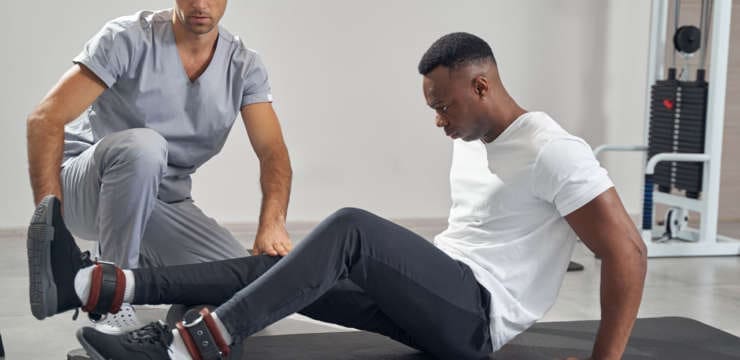
Self-massage can help many people, but it is not a substitute for expert care. See a doctor or physical therapist if pain lasts more than a few weeks, gets worse, or includes loss of bladder or bowel control. Professionals can identify underlying causes and teach personalized techniques.
Integrative Chiropractic Care for Lasting Relief
Chiropractic care builds on self-massage by addressing the root causes of nerve pressure. Chiropractors use focused spinal adjustments to realign vertebrae that may pinch the sciatic nerve. These gentle movements reduce compression and restore normal motion.
Myofascial release performed by a trained chiropractor goes deeper than most home sessions. They use hands or special tools to release tight fascia and break up scar tissue that keeps muscles stuck.
Spinal decompression is another powerful tool. It gently stretches the spine using a special table or manual techniques. This creates more space between vertebrae, allowing discs to rehydrate and stop pressing on nerves. Many patients feel immediate relief in their legs after a session.
Dr. Alexander Jimenez, a chiropractor and family nurse practitioner with extensive experience in El Paso, Texas, often combines these methods in personalized plans. His clinical observations indicate that integrating spinal adjustments, soft-tissue work, and decompression helps patients with both simple and complex sciatica. He emphasizes identifying the exact source—whether from a tight piriformis, disc issues, or muscle spasms—before developing a treatment strategy. Patients in his practice frequently report better mobility and reduced pain without relying on medications or surgery.
Chiropractic care also includes advice on posture, strengthening exercises, and lifestyle changes to prevent flare-ups. Heat, cold, and gentle home massage fit naturally into these plans.
How Self-Massage and Chiropractic Work Together
Home techniques keep muscles loose between chiropractic visits. After an adjustment or decompression session, self-massage helps maintain the new alignment and prevents muscles from tightening again too quickly. Many people find that combining both approaches leads to faster improvement and longer periods without pain.
Final Thoughts
Sciatica does not have to control daily life. Simple self-massage with tennis balls or foam rollers, along with targeted pressure on the lower back, glutes, piriformis, and calves, can provide real relief. Staying within safe pain levels and adding heat make sessions more effective. For deeper, longer-lasting results, integrative chiropractic care that includes spinal adjustments, myofascial release, and decompression offers a powerful natural path forward.
Start slowly, stay consistent, and work with a qualified professional when needed. Many people regain comfort and movement through these practical, drug-free methods.
References
Healthline. (n.d.). Piriformis massage: Self-massage and stretches for piriformis syndrome.
Harley Street Specialist Hospital. (n.d.). 10 massage techniques for sciatica pain relief.
Massage Chair Store. (n.d.). A guide to massage for sciatica.
Chicago Pain Control. (n.d.). How to massage sciatica to reduce leg pain fast.
Posture Perfect. (n.d.). Chiropractic massage for sciatica: A natural treatment to relief.
Dorsal Health. (n.d.). Fascia massage: Can it relieve muscle pain?
Fremont Spine & Wellness. (n.d.). How chiropractic methods can provide relief from sciatica pain.
Thrive Health Center. (n.d.). Holistic approach: How chiropractic care can alleviate sciatica pain.
Jimenez, A. (n.d.). Sciatica relief with chiropractic care.
Disclaimers
Professional Scope of Practice *
The information herein on "Self-Massage for Sciatica Pain Relief and Relaxation" is not intended to replace a one-on-one relationship with a qualified health care professional or licensed physician and is not medical advice. We encourage you to make healthcare decisions based on your research and partnership with a qualified healthcare professional.
Blog Information & Scope Discussions
Welcome to El Paso's wellness blog, where Dr. Alex Jimenez, DC, FNP-C, a board-certified Family Practice Nurse Practitioner (FNP-C) and Chiropractor (DC), presents insights on how our team is dedicated to holistic healing and personalized care. Our practice aligns with evidence-based treatment protocols inspired by integrative medicine principles, similar to those found on dralexjimenez.com, focusing on restoring health naturally for patients of all ages.
Our areas of chiropractic practice include Wellness & Nutrition, Chronic Pain, Personal Injury, Auto Accident Care, Work Injuries, Back Injury, Low Back Pain, Neck Pain, Migraine Headaches, Sports Injuries, Severe Sciatica, Scoliosis, Complex Herniated Discs, Fibromyalgia, Chronic Pain, Complex Injuries, Stress Management, Functional Medicine Treatments, and in-scope care protocols.
Our information scope is limited to chiropractic, musculoskeletal, physical medicine, wellness, contributing etiological viscerosomatic disturbances within clinical presentations, associated somato-visceral reflex clinical dynamics, subluxation complexes, sensitive health issues, and functional medicine articles, topics, and discussions.
We provide and present clinical collaboration with specialists from various disciplines. Each specialist is governed by their professional scope of practice and their jurisdiction of licensure. We use functional health & wellness protocols to treat and support care for the injuries or disorders of the musculoskeletal system.
Our videos, posts, topics, subjects, and insights cover clinical matters, issues, and topics that relate to and directly or indirectly support our clinical scope of practice.*
Our office has reasonably attempted to provide supportive citations and has identified the relevant research studies or studies supporting our posts. We provide copies of supporting research studies available to regulatory boards and the public upon request.
We understand that we cover matters that require an additional explanation of how they may assist in a particular care plan or treatment protocol; therefore, to discuss the subject matter above further, please feel free to ask Dr. Alex Jimenez, DC, APRN, FNP-BC, or contact us at 915-850-0900.
We are here to help you and your family.
Blessings
Dr. Alex Jimenez DC, MSACP, APRN, FNP-BC*, CCST, IFMCP, CFMP, ATN
email: coach@elpasofunctionalmedicine.com
Licensed as a Doctor of Chiropractic (DC) in Texas & New Mexico*
Texas DC License # TX5807
New Mexico DC License # NM-DC2182
Licensed as a Registered Nurse (RN*) in Texas & Multistate
Texas RN License # 1191402
ANCC FNP-BC: Board Certified Nurse Practitioner*
Compact Status: Multi-State License: Authorized to Practice in 40 States*
Graduate with Honors: ICHS: MSN-FNP (Family Nurse Practitioner Program)
Degree Granted. Master's in Family Practice MSN Diploma (Cum Laude)
Dr. Alex Jimenez, DC, APRN, FNP-BC*, CFMP, IFMCP, ATN, CCST
My Digital Business Card
What's your reaction?