Table of Contents
Regenerative Medicine and Integrative Chiropractic Care: A Natural, Non-Surgical Path to Recovery
Pain from joint damage, sports injuries, or personal injuries can make daily life harder. Many people want relief, but they also want to avoid surgery, heavy medication use, and long recovery times. Regenerative medicine offers another option. It focuses on helping the body heal itself by using natural materials from the body, such as platelet-rich plasma (PRP), platelet-fibrin products (PFP), and microfragmented adipose tissue (MFAT), along with supportive therapies like peptides and shockwave therapy. Instead of only masking pain, this approach aims to support tissue repair, lower inflammation, and improve function.
At Dr. Alexander Jimenez’s clinic, regenerative medicine is part of a larger integrative model. Dr. Jimenez is identified on his clinical site as a DC, APRN, FNP-BC, CCST, CFMP, and IFMCP. His practice describes a whole-body approach that combines chiropractic care, functional and integrative thinking, and natural recovery strategies to help patients restore movement and heal more completely.

What Regenerative Medicine Means
Regenerative medicine is built on a simple idea: the body already has healing ability, but sometimes injured tissue needs stronger support. A beginner’s guide from Serenity Health Care Center explains that regenerative medicine aims to “repair, replace, or regenerate” damaged tissues by using and enhancing the body’s own healing processes. Path to Wellness Integrated Health makes a similar point, describing regenerative medicine as a way to boost the body’s own ability to heal rather than relying solely on surgery, implants, or drugs.
This matters because many common injuries do not heal well when the damaged area has poor blood flow, repeated strain, scar tissue, or ongoing joint stress. Tendons, ligaments, cartilage, and other soft tissues often recover slowly. Regenerative medicine aims to create a better healing environment so that these tissues can begin repairing themselves more effectively. In many clinics, this is done with orthobiologics, which are natural materials taken from the patient’s own body and then placed into the injured area with precision.
How PRP, PFP, and MFAT Support Healing
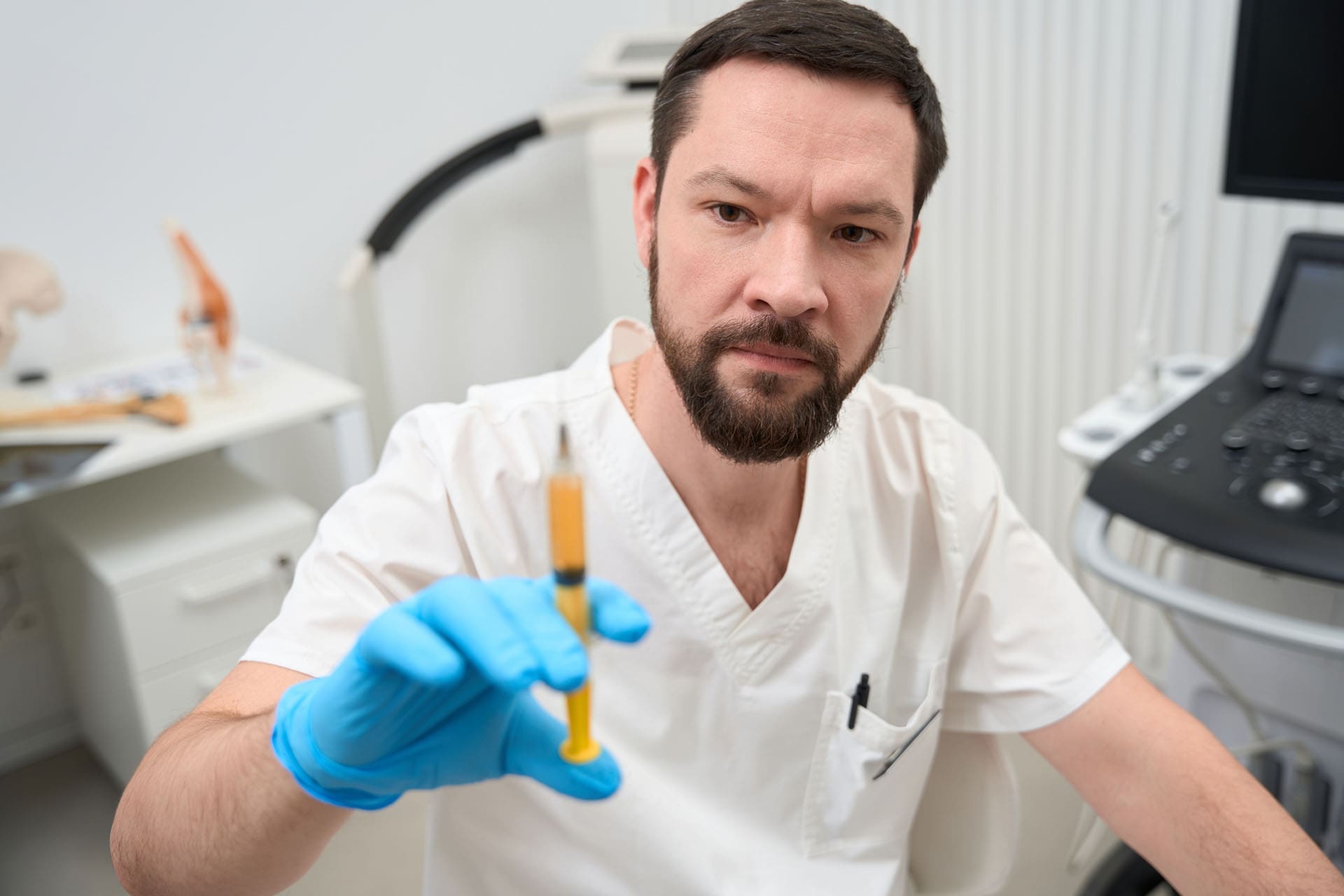
One of the best-known regenerative treatments is PRP. PRP is made from a patient’s own blood after it is processed, which concentrates the platelets. Saint Joseph Health System explains that platelets are best known for clotting, but they also carry proteins called growth factors that are important for healing. When these concentrated platelets are placed into damaged tissue, they can help stimulate repair in muscle, bone, tendons, ligaments, and joints.
PRP is popular because it is minimally invasive and uses the patient’s own blood. Saint Joseph notes that PRP may lower the risk of allergic reaction because it comes from the patient, and it may allow a shorter recovery period than surgery. OrthoEdge Orthopedics also describes PRP as a way to deliver a high concentration of growth factors to damaged tissues, which may accelerate the repair process and support recovery after injury.
PFP and similar protein-rich concentrates are also used in regenerative care. APEX Biologix explains that protein concentrate systems are designed to capture growth factors and proteins that can support therapeutic goals. While the exact product and protocol may vary by clinic, the overall goal is the same: provide a stronger healing signal to tissues that are not recovering well on their own.
MFAT is another autologous option, meaning it comes from the patient’s own body. APEX Biologix lists MFAT, PRP, and other biologic systems as part of its regenerative portfolio. MFAT is taken from adipose tissue and processed for clinical use. In practical terms, it is often discussed as a way to provide structural support cells and signaling factors for damaged joints and soft tissues.
Key regenerative tools often used in care
- PRP from the patient’s own blood
- PFP or protein concentrates that capture useful growth factors and proteins
- MFAT from the patient’s own adipose tissue
- Peptides used to support signaling and recovery plans
- Shockwave therapy to improve the tissue environment before or after the main treatment
Why This Approach Is Considered Natural and Non-Surgical
Regenerative medicine is often described as a natural option because it works with the body’s existing repair systems. It does not try to force healing from the outside in the same way that surgery or repeated steroid use might. New Regeneration Orthopedics explains that regenerative interventional orthopedics is part of a non-surgical, non-pharmacological model that aims to improve mobility, strength, pain, and healing while helping patients avoid unnecessary surgery, frequent NSAID use, narcotics, and repeated steroid exposure.
That does not mean every injury can be fixed without surgery. Some tears, fractures, or severe damage may still need surgical care. But for many chronic overuse problems, joint pain issues, tendon injuries, ligament injuries, and some post-traumatic conditions, regenerative medicine may offer a less invasive choice that supports healing instead of only covering symptoms.
Why Treating the Cause Matters
A major strength of regenerative care is its focus on the source of the problem. Serenity Health Care Center contrasts this with conventional symptom management, explaining that regenerative medicine seeks to repair damaged tissues rather than merely reduce symptoms. This is important because pain may stem from poor tissue quality, joint instability, chronic inflammation, or faulty movement patterns that repeatedly stress the area.
Dr. Jimenez’s clinical model adds another layer by looking at structure and movement. His site describes a holistic, personalized approach to restoring health naturally. In a personal injury setting, this matters because an accident often affects more than one body part. A personal injury recovery article associated with Dr. Jimenez’s network explains that trauma can change spinal motion, muscle balance, nerve irritation, posture, and daily movement patterns. When those problems are not corrected, healing can slow down.
Problems that often need more than symptom relief
- Joint restriction
- Muscle tension and guarding
- Scar tissue
- Tendon or ligament strain
- Swelling and inflammation
- Poor movement mechanics
- Ongoing stress on an injured area
The Role of Shockwave Therapy
Shockwave therapy is often used alongside regenerative procedures because it can prepare tissue and improve the healing response. StemWave explains that the discussion is moving from simple “modality pairing” to full protocol planning, in which tissue preparation is considered part of regenerative care for many patients. The same source cites a 2024 randomized controlled trial involving extracorporeal shockwave therapy plus PRP for partial rotator cuff tears, indicating that this combined strategy is being studied more formally.
Shockwave therapy is described as having integration benefits when combined with manipulation, with cited improvement in low back disability compared with one treatment alone. In clinical practice, this combination may help by improving circulation, lowering pain sensitivity, stimulating tissue activity, and making the injured area more responsive before or after regenerative treatment.
How Chiropractic Care Fits In
Structural chiropractic care can be an important partner to regenerative medicine. Regenerative treatments may support tissue repair, but the body still needs proper movement and joint mechanics. If a joint continues to move poorly, or if spinal and extremity alignment problems keep loading tissue the wrong way, healing may stall. The personal injury recovery source in Dr. Jimenez’s network explains that chiropractic adjustments may improve joint mobility, reduce stiffness, and support better body mechanics, helping patients return to turning, lifting, walking, and moving with less strain.
This is why Dr. Jimenez’s team emphasizes an integrative model. The goal is not only to lower pain, but also to restore structure and function. In that setting, regenerative care supports tissue healing, while chiropractic care helps improve motion, posture, and load distribution across the body. Together, they may help a patient recover more completely.
Helpful for Personal Injuries and Sports Injuries
Regenerative medicine is especially attractive for people recovering from automobile accidents, sports trauma, and chronic overuse injuries. Saint Joseph lists orthopedic injuries, tendonitis, ligament sprains, muscle injuries, and osteoarthritis among common PRP applications. John Dunn, MD, also describes PRP as being obtained from the patient’s own blood and used to enhance healing and reduce inflammation in damaged tissue.
For active people, one benefit is the possibility of faster recovery without surgery. OrthoEdge notes accelerated healing and recovery as a major PRP advantage. This does not mean instant healing, but it does mean the treatment is designed to help the body repair tissue more efficiently. In a sports or injury clinic, this can be useful when the goal is to regain function, protect the joint, and reduce the chance of long-term breakdown.
A Whole-Body Recovery Plan
The best regenerative programs are not just a single injection or a single device. There are plans. StemWave’s protocol discussion supports this idea by emphasizing tissue preparation and clinical strategy rather than isolated treatment steps. Dr. Jimenez’s broader care model also reflects this kind of planning through integrative medicine, chiropractic, rehabilitation thinking, and patient-centered recovery.
A well-built plan may include:
- A detailed exam to find the true pain source
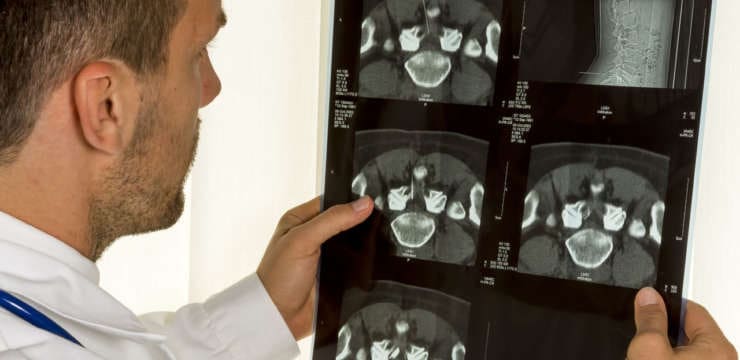
- Imaging or orthopedic testing when needed
- A regenerative procedure such as PRP, PFP, or MFAT
- Peptide support when clinically appropriate
- Shockwave therapy to prepare or stimulate tissue
- Structural chiropractic care to improve mechanics
- Rehab exercises to restore strength and movement
- Follow-up visits to track healing and function
Final Thoughts
Regenerative medicine is gaining attention because it offers a natural, non-surgical way to support healing. By using concentrated healing elements from the body and pairing them with modern supportive therapies, clinics can work toward tissue repair, reduced inflammation, improved joint function, and enhanced movement. This approach is especially valuable when the goal is not just to numb pain, but to correct the deeper problem and help the body recover more fully.
In Dr. Alexander Jimenez’s integrative model, regenerative medicine works best when paired with structural chiropractic care and a whole-body approach to recovery. That combination aims to reduce pain, avoid surgery when possible, improve biomechanics, and help patients return to daily life, work, and activity with greater confidence.
References
APEX Biologix. (n.d.). APEX Biologix | Homepage.
Dunn, J. (n.d.). Regenerative Medicine El Paso TX | PRP Las Cruces | Juarez Bone Marrow Aspiration Concentrate MX.
Jimenez, A. (n.d.). A Guided Look Into Regenerative Cellular Treatment | Part 1.
Jimenez, A. (n.d.). El Paso, TX Chiropractor Dr. Alex Jimenez DC | Personal Injury Specialist.
Jimenez, A. (n.d.). PRP Therapy Body Detoxification and Tissue Repair Explained.
Jimenez, A. (n.d.). Pre-Procedure Protocols for Regenerative Medicine | Part 1.
New Regeneration Orthopedics. (2021, January 20). Integrating Regenerative Medicine In Chiropractic Practice.
OrthoEdge Orthopedics and Sports Medicine. (n.d.). Platelet-Rich Plasma (PRP) Therapy.
Path to Wellness Integrated Health. (n.d.). Regenerative Medicine in Fort Worth.
Personal Injury Doctor Group. (2026, March 17). Integrative Chiropractic for Personal Injury Recovery Success.
Saint Joseph Health System. (n.d.). How Regenerative Medicine and PRP Therapy Can Help You.
Serenity Health Care Center. (n.d.). What Is Regenerative Medicine? A Beginner’s Guide to PRP, Stem Cells, Extracorporeal Shockwave (ESWT).
StemWave. (2024). Pre-Treatment Protocols in Regenerative Medicine.
West Texas Pain Institute. (n.d.). Regenerative Medicine – El Paso, TX.
Disclaimers
Professional Scope of Practice *
The information herein on "Regenerative Medicine and Integrative Chiropractic Approaches" is not intended to replace a one-on-one relationship with a qualified health care professional or licensed physician and is not medical advice. We encourage you to make healthcare decisions based on your research and partnership with a qualified healthcare professional.
Blog Information & Scope Discussions
Welcome to El Paso's wellness blog, where Dr. Alex Jimenez, DC, FNP-C, a board-certified Family Practice Nurse Practitioner (FNP-C) and Chiropractor (DC), presents insights on how our team is dedicated to holistic healing and personalized care. Our practice aligns with evidence-based treatment protocols inspired by integrative medicine principles, similar to those found on dralexjimenez.com, focusing on restoring health naturally for patients of all ages.
Our areas of chiropractic practice include Wellness & Nutrition, Chronic Pain, Personal Injury, Auto Accident Care, Work Injuries, Back Injury, Low Back Pain, Neck Pain, Migraine Headaches, Sports Injuries, Severe Sciatica, Scoliosis, Complex Herniated Discs, Fibromyalgia, Chronic Pain, Complex Injuries, Stress Management, Functional Medicine Treatments, and in-scope care protocols.
Our information scope is limited to chiropractic, musculoskeletal, physical medicine, wellness, contributing etiological viscerosomatic disturbances within clinical presentations, associated somato-visceral reflex clinical dynamics, subluxation complexes, sensitive health issues, and functional medicine articles, topics, and discussions.
We provide and present clinical collaboration with specialists from various disciplines. Each specialist is governed by their professional scope of practice and their jurisdiction of licensure. We use functional health & wellness protocols to treat and support care for the injuries or disorders of the musculoskeletal system.
Our videos, posts, topics, subjects, and insights cover clinical matters, issues, and topics that relate to and directly or indirectly support our clinical scope of practice.*
Our office has reasonably attempted to provide supportive citations and has identified the relevant research studies or studies supporting our posts. We provide copies of supporting research studies available to regulatory boards and the public upon request.
We understand that we cover matters that require an additional explanation of how they may assist in a particular care plan or treatment protocol; therefore, to discuss the subject matter above further, please feel free to ask Dr. Alex Jimenez, DC, APRN, FNP-BC, or contact us at 915-850-0900.
We are here to help you and your family.
Blessings
Dr. Alex Jimenez DC, MSACP, APRN, FNP-BC*, CCST, IFMCP, CFMP, ATN
email: coach@elpasofunctionalmedicine.com
Licensed as a Doctor of Chiropractic (DC) in Texas & New Mexico*
Texas DC License # TX5807
New Mexico DC License # NM-DC2182
Licensed as a Registered Nurse (RN*) in Texas & Multistate
Texas RN License # 1191402
ANCC FNP-BC: Board Certified Nurse Practitioner*
Compact Status: Multi-State License: Authorized to Practice in 40 States*
Graduate with Honors: ICHS: MSN-FNP (Family Nurse Practitioner Program)
Degree Granted. Master's in Family Practice MSN Diploma (Cum Laude)
Dr. Alex Jimenez, DC, APRN, FNP-BC*, CFMP, IFMCP, ATN, CCST
My Digital Business Card
What's your reaction?