Welcome to our new Functional Medicine presentation where an expert will talk to us about Clinical Implementation of Functional Nutrition. Following this activity, participants would…


Nutrition and Wellness go hand in hand. Food provides people with the necessary energy and nutrients to be healthy and for their bodies to perform optimally. By eating a variety of colorful foods, including good quality vegetables, fruits, whole-grain products and lean meats, the body can replenish itself with the essential macronutrient (proteins, carbohydrates, fats) and micronutrients (vitamins and minerals) to function effectively. Healthy eating does not have to be hard. The key is to eat a variety of foods, which include vegetables, fruits, and whole-grains. Eat lean meats, poultry, fish, beans, and low-fat dairy products and drink about half your body weight in ounces of water. Limit salt, sugar, alcohol, saturated fat, and trans fat. Saturated fats usually come from animals. Look for trans fat on the labels of processed foods, margarines, and shortenings. Dr. Alex Jimenez and his health coach offer nutritional examples as well as describe the importance of a balanced nutrition throughout this series of articles, emphasizing how a proper diet combined with physical activity can help individuals reach and maintain a healthy weight, reduce their risk of developing chronic diseases like heart disease, and ultimately promote overall health and wellness.
Welcome to our new Functional Medicine presentation where an expert will talk to us about Clinical Implementation of Functional Nutrition. Following this activity, participants would…

Welcome to our new Functional Medicine presentation where an expert will talk to us about Clinical Implementation of Functional Nutrition. Following this activity, participants would…

The symptoms associated with virus infections vary; some patients report physical pain, others have gastrointestinal issues, others say their mucous production is elevated, and others…
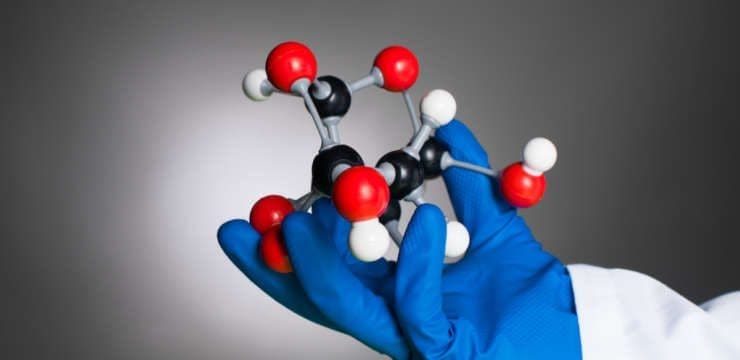
The current urge to treat proinflammatory conditions such as the Covid-19 induced cytokine storm has positioned mitochondrial function in the central stage of scientific research.…

As humans, we are constantly exposed to oxidative stress, mainly due to how we produce energy. For us, to live is to be in a…

The link between the nociceptive muscular pain and weakness with mitochondrial function is tied with its capacity to produce energy in the form of ATP…

The textual definition of pain describes it as the physical suffering caused by an illness injury. Nevertheless, pain can also be inflicted or felt if…

Over the last decade, we have seen a growth in the Elderly population. A broad set of socioeconomic and biochemical challenges are included in the…
In this Functional Medicine podcast Dr. Alex Jimenez invites Master Hypnotist Eric Richmond CRNA, BCH, CI, RM and Connie Pemberton – retired RN to talk…

Tinnitus is defined as the perception of sound without an external acoustic stimulus. It is a prevalent complaint in ENT offices, but the etiology of…

Balance is the state of equilibrium; it means to have an equal distribution, and it relates to the optimal state of health. Nowadays, managing our…

Welcome to our newest functional Medicine presentation, in this episode we will talk Testosterone Deficiency in Men. An expert will help us describe testosterone deficiency,…

Low back, neck, shoulder, hip, leg, and foot pain causes everyday discomfort and a bad mood. Chronic pain exacerbates the discomfort and bad mood times…

After learning the intricacies between neuronal signaling and gastrointestinal hormonal stimulation, we now understand how they influence each other. However, we need to take into…

The crosstalk between the gastrointestinal hormones that promote metabolic cues is integrated by the anorexigenic proopiomelanocortin (POMC) and orexigenic neuropeptide Y (NPY) neurons localized in…

Hormones are the mediators of multiple metabolic, reproductive and developmental processes in our body. In addition, hormonal secretion depends on an intricate feedback loop that…

Aging by definition is a “cascade of robustness breakdown triggered by a decrease in systemic NAD+ biosynthesis and the resultant functional defects in susceptible organs…