Table of Contents
Introduction
The body has a variety of functions that work simultaneously to make sure that it’s working correctly. From the musculoskeletal system all the way to the endocrine system, the body has good bacteria that cause each system to work as it should be. However, sometimes an injury or autoimmune factor comes to play when it affects the body, causing a person to feel pain or not function properly. Many remedies and treatments can help the body by dampening the harmful effects that trigger various problems like inflammation, IBS, leaky gut, and much more. One of the treatments that physicians have used to help patients is photobiomodulation or low laser therapy.
Photobiomodulation Explained
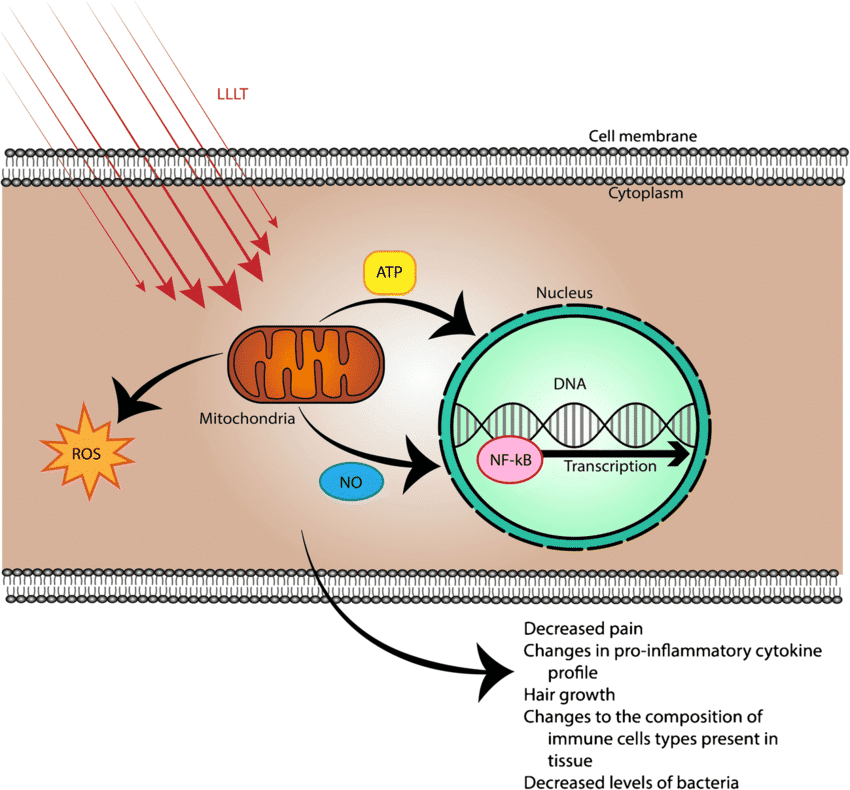
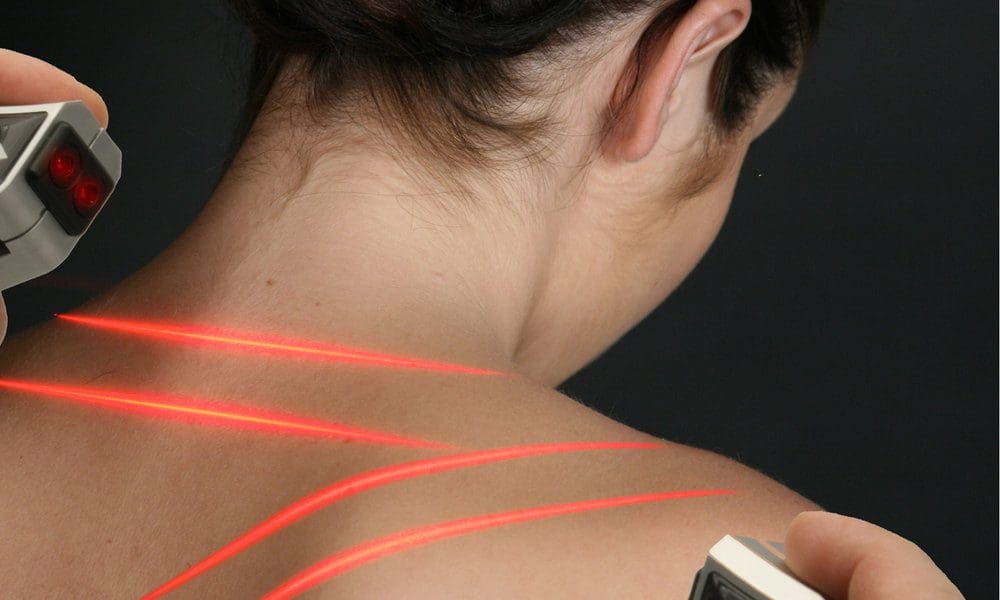
Low laser therapy or photobiomodulation is when the body is exposed to a cold laser in the affected area. The laser wavelength targets the area through the skin to the mitochondrial. Studies have shown that photobiomodulation mechanics can help the body at the molecular, cellular, and tissue-based level causing therapeutic relief. When exposed through treatment, the laser wavelength can help give the injured area of the body relief that can last for hours to months with regular treatment.Â
Photobiomodulation Benefits
Another study found that photobiomodulation can heal and stimulate body tissue, thus relieving pain and inflammation, causing the microbiome to alter in the body. The study also mentions that photobiomics can indirectly affect the microbiome and cause harmful bacteria or inflammation to halt, causing the body to boot its immune system. One study has even found that even though photobiomodulation has been widely accepted to treat low-back pain, it can be highly effective when modulating the gut microbiome. This means that when photobiomodulation and nutritional therapy are combined, they can help treat gut issues, low vagal tone, and autoimmunity in the body.
The Gut System
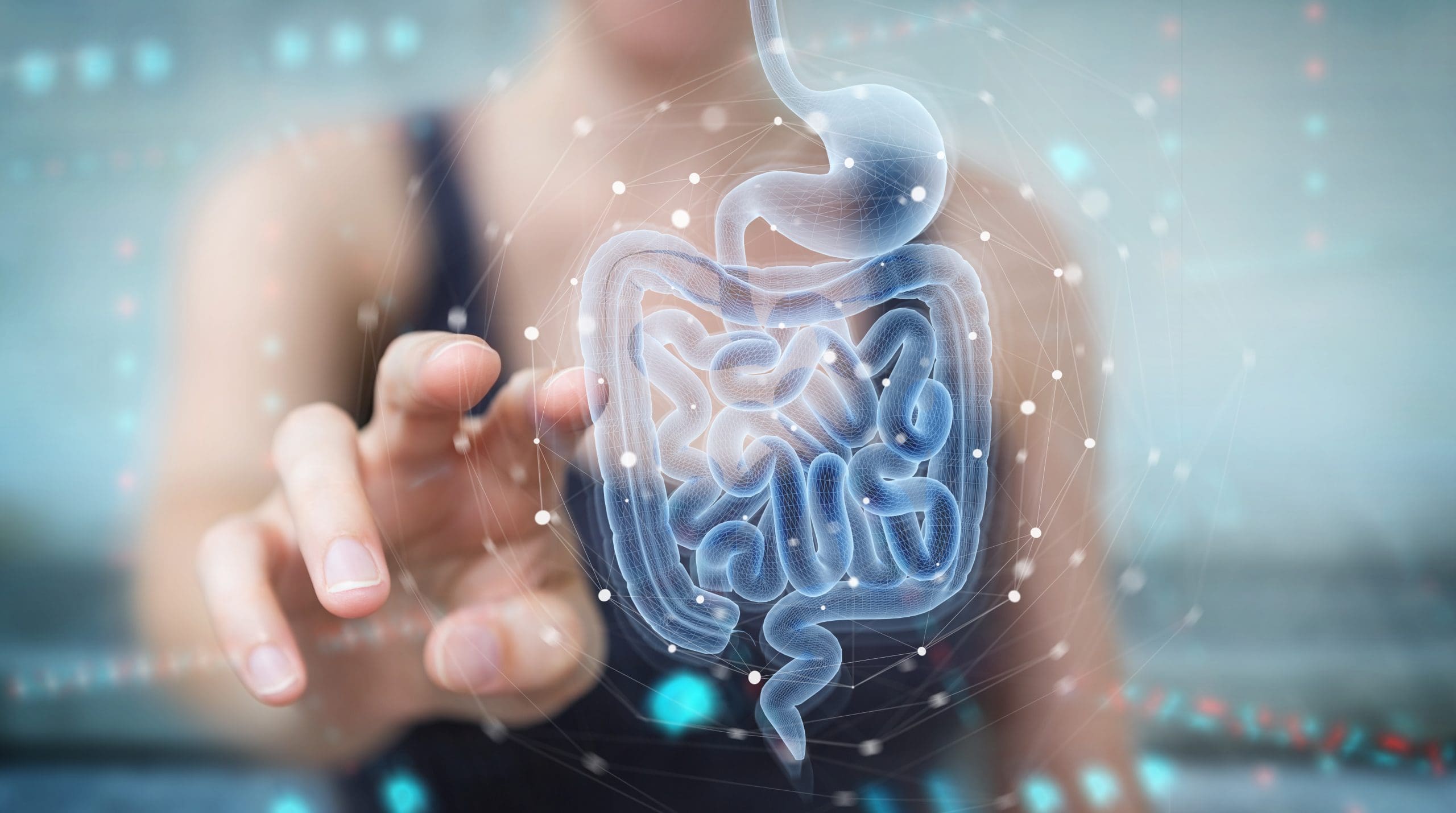
The gut microbiome is one of the important biomes in the body that plays a huge role. The gut microbiota can help the body internally by regulating its metabolism and protecting itself from harmful pathogens; thus, a healthy gut flora is mainly responsible for an individual’s overall health. Studies have shown that the gut microbiota comprises two significant phyla, which are Bacteroidetes and Firmicutes. The study also mentions that a normal gut microbiome can help maintain the structural integrity of the gut mucosal barrier, immunomodulation, and metabolize xenobiotics.
The Microbiome of the Gut
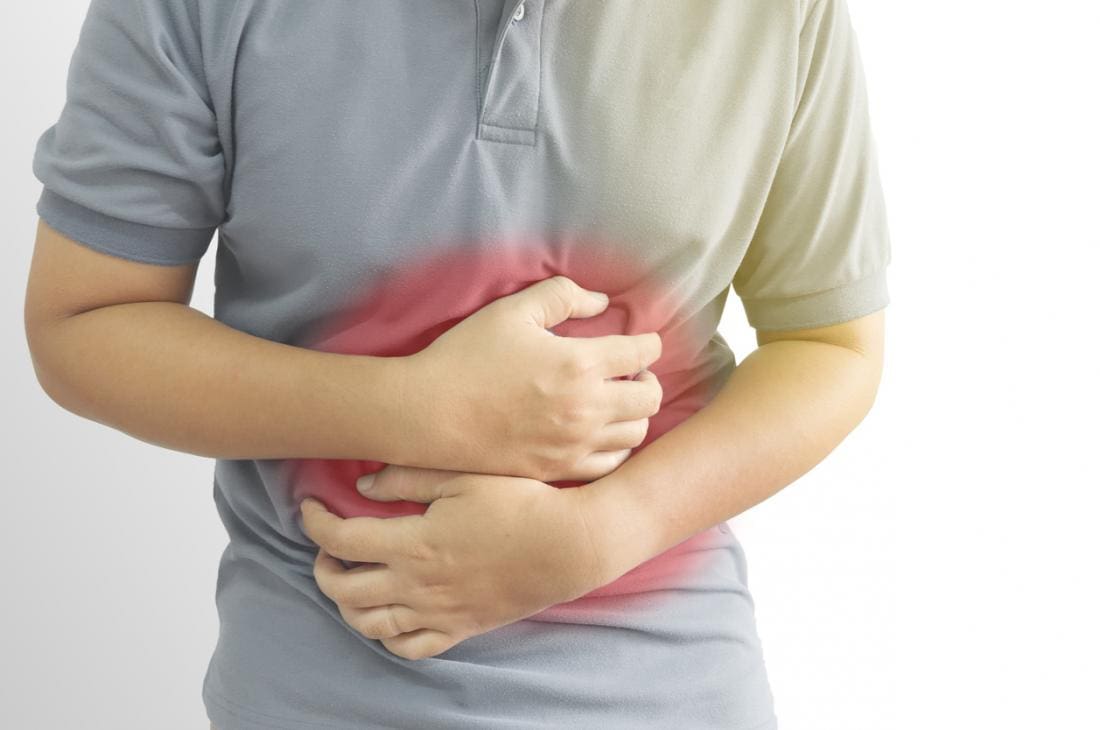
Since the gut microbiome makes sure that the body is healthy, sometimes unwanted pathogens can affect the gut, disrupting the body. Studies show that the gut microbiota can ensure homeostasis while recognizing bacterial epitopes in intestinal epithelial and the mucosal immune cells. But when harmful bacterias invade the gut, either by food sensitivity or autoimmune factors, the gut takes a heavy toll, causing the body to feel unwell. These factors can cause body inflammation, leaky gut, or IBS, thus making the individual feel pain if it’s not treated, causing more problems.
Conclusion
Overall, doctors using photobiomodulation on the gut is beneficial in the overall wellness of the body. The photobiomics have proven extraordinary therapeutic effects by targeting the inflamed area and improving the area by raising the antibodies to combat the inflammation and reducing gastrointestinal wall damage. By utilizing photobiomodulation and natural food therapy together, the body can recover quickly and achieve overall wellness.
References:
Hamblin, Michael R. “Photobiomodulation or Low-Level Laser Therapy.â€Â Journal of Biophotonics, U.S. National Library of Medicine, Dec. 2016, www.ncbi.nlm.nih.gov/pmc/articles/PMC5215795/.
Jandhyala, Sai Manasa, et al. “Role of the Normal Gut Microbiota.â€Â World Journal of Gastroenterology, U.S. National Library of Medicine, 7 Aug. 2015, pubmed.ncbi.nlm.nih.gov/26269668/.
Liebert, Ann, et al. “‘Photobiomics’: Can Light, Including Photobiomodulation, Alter the Microbiome?â€Â Photobiomodulation, Photomedicine, and Laser Surgery, Mary Ann Liebert, Inc., Publishers, Nov. 2019, www.ncbi.nlm.nih.gov/pmc/articles/PMC6859693/.
Sekirov, Inna, et al. “Gut Microbiota in Health and Disease.â€Â Physiological Reviews, U.S. National Library of Medicine, 9 July 2010, pubmed.ncbi.nlm.nih.gov/20664075/.
Silverman, Robert G. “Photobiomics: A Look to the Future of Combined Laser and Nutrition Therapy.â€Â Chiropractic Economics, 5 Oct. 2021, www.chiroeco.com/photobiomics/.
Disclaimer
What's your reaction?