Learn how multidisciplinary chiropractic care addresses alcohol-induced joint, nerve, and musculoskeletal issues through coordinated, patient-centered treatment.
Table of Contents
Introductory Abstract
Public awareness that regular alcohol consumption raises the risk of developing cancer later in life has rebounded to 58 percent among U.S. adults, according to a recent poll from the Annenberg Public Policy Center. This educational post explains the poll findings, the established link between alcohol and at least seven cancer types, the physiological mechanisms involved, common symptoms, and related comorbidities that affect the body. It then explores how multidisciplinary non-surgical treatments, including integrative chiropractic care, work alongside medical oversight to address musculoskeletal pain and systemic issues. Written by Dr. Alexander Jimenez, DC, APRN, FNP-BC, CFMP, IFMCP, ATN, CCST, the post draws on evidence-based research and clinical observations from Injury Medical Clinic PA (also known as Mission Plaza Injury Medical Clinic) in El Paso, Texas. It describes how Dr. Jimenez collaborates with Dr. Maria Guadalupe Cardenas, MD (Board Certified in Internal Medicine; NPI #1164426749; Texas MD License #J2933), who has more than 40 years of experience and serves as Medical Director and Collaborative Physician. The discussion covers what chiropractic care is, how it reduces pain by improving biomechanics and nervous system function, and how it can be part of a broader health and wellness routine that supports recovery from chronic conditions, inflammation, and injury-related problems.
Rising Public Awareness of Alcohol and Cancer Risk
A nationally representative survey conducted from September 22 to October 5, 2026, among 1,842 U.S. adults found that 58 percent of Americans know that regular drinking increases the chances of later developing cancer. This represents a five-percentage-point rise from February 2026 and returns awareness roughly to the level recorded in February 2025 (Thompson, 2026). That earlier figure followed a January 2025 advisory from then-U.S. Surgeon General Dr. Vivek Murthy linking alcohol to at least seven types of cancer. Overall knowledge now stands 18 percentage points higher than in September 2024. Yet 42 percent of adults still do not recognize the connection: 24 percent are unsure whether alcohol affects cancer risk, and 17 percent incorrectly believe there is no link (Annenberg Public Policy Center, 2026).
Shortly before the latest survey, researchers at the University of Miami’s Sylvester Comprehensive Cancer Center published data showing that alcohol-attributable cancer deaths in the United States more than doubled between 1990 and 2023, rising from 11,361 to 23,126 (Jani et al., 2026). The increase appeared across most cancer types, age groups, and sexes, with particularly notable burdens among men and adults aged 55 and older. Among younger adults, colorectal cancer ranked as a leading alcohol-related cause of death. Media coverage of these findings, along with ongoing discussion of the Surgeon General’s advisory, has helped amplify awareness (Gibson, as cited in Annenberg Public Policy Center, 2026).
The Established Link Between Alcohol Consumption and Cancer
The International Agency for Research on Cancer classifies alcoholic beverages and their metabolite acetaldehyde as Group 1 carcinogens, meaning there is sufficient evidence that they cause cancer in humans. The World Cancer Research Fund and American Institute for Cancer Research rate the evidence as convincing for increased risk of cancers of the mouth, pharynx, larynx, esophagus (squamous-cell), liver, colorectum, and breast. Additional associations have been noted with stomach and other sites. Worldwide, an estimated 4.1 percent of new cancer cases in 2020 were attributable to alcohol (Rumgay et al., 2021).
Key cancer types linked to alcohol include
- Breast cancer (especially postmenopausal)
- Colorectal cancer
- Esophageal cancer (squamous-cell)
- Liver cancer (hepatocellular carcinoma)
- Cancers of the oral cavity, pharynx, and larynx
- Stomach cancer (probable)
Risk rises in a dose-dependent manner. Even light to moderate intake has been associated with elevated relative risks for certain sites, such as a roughly 10 percent higher breast cancer risk with moderate consumption in pooled analyses (National Academies of Sciences, Engineering, and Medicine, 2025). No safe threshold for cancer risk has been established.
Physiological Mechanisms of Alcohol-Related Carcinogenesis
Alcohol dehydrogenase metabolizes ethanol primarily to acetaldehyde, a highly reactive compound that forms DNA adducts and interferes with DNA repair. Aldehyde dehydrogenase then converts acetaldehyde to acetate. Individuals with reduced aldehyde dehydrogenase activity accumulate more acetaldehyde and face higher risk. Cytochrome P450 2E1 induction during chronic drinking generates reactive oxygen species that cause oxidative DNA damage, lipid peroxidation, and further mutations. Chronic inflammation, altered one-carbon metabolism affecting methylation patterns, and increased estrogen levels (relevant to breast cancer) contribute additional pathways. In the liver, progression through steatosis, fibrosis, and cirrhosis creates a pro-carcinogenic environment. In the upper aerodigestive tract, direct contact with acetaldehyde and local microbial metabolism amplify damage (Seitz & Stickel, 2007; Rumgay et al., 2021).
These mechanisms explain why even modest regular intake elevates risk and why reduction or cessation can lower risk for certain sites, particularly oral and esophageal cancers (IARC Working Group, 2023).
Symptoms and Clinical Presentations of Alcohol-Related Cancers
Symptoms vary by site and stage. Many early lesions produce few or nonspecific signs.
- Breast cancer may present with a painless lump, skin dimpling, nipple changes, or localized pain. Systemic symptoms such as fatigue can appear later.
- Colorectal cancer commonly causes changes in bowel habits, rectal bleeding or blood in stool, abdominal pain or cramping, unexplained weight loss, and iron-deficiency anemia leading to fatigue.
- Esophageal and head-and-neck cancers often produce progressive difficulty or pain with swallowing, persistent sore throat, hoarseness, ear pain, or a neck mass. Oral lesions may appear as non-healing ulcers or white/red patches.
- Liver cancer frequently arises in the setting of chronic liver disease. Symptoms include right-upper-quadrant abdominal pain, jaundice, ascites, unintentional weight loss, fatigue, and easy bruising.
- General cancer-related symptoms across sites include unexplained fatigue, persistent pain, fever, night sweats, and cachexia. Pain may be local (from mass effect or invasion) or referred. Advanced disease can produce bone pain from metastases or neuropathic pain from nerve involvement.
In clinical practice, patients often present first with musculoskeletal complaints or fatigue that prompt evaluation, revealing underlying systemic issues.
Comorbidities Affecting the Body
Alcohol use contributes to multiple comorbidities that compound cancer risk and complicate recovery.
- Liver disease ranges from fatty liver to cirrhosis and portal hypertension. Cirrhosis markedly elevates hepatocellular carcinoma risk and causes systemic inflammation, coagulopathy, and malnutrition.
- Cardiovascular disease includes hypertension, atrial fibrillation, cardiomyopathy, and accelerated atherosclerosis. Chronic inflammation and oxidative stress drive these changes.
- Pancreatitis (acute and chronic) produces severe abdominal pain, malabsorption, and diabetes risk.
- Neurological effects include peripheral neuropathy (often painful), cognitive changes, and increased seizure risk. Alcoholic neuropathy features burning or stabbing pain in the extremities that can limit mobility.
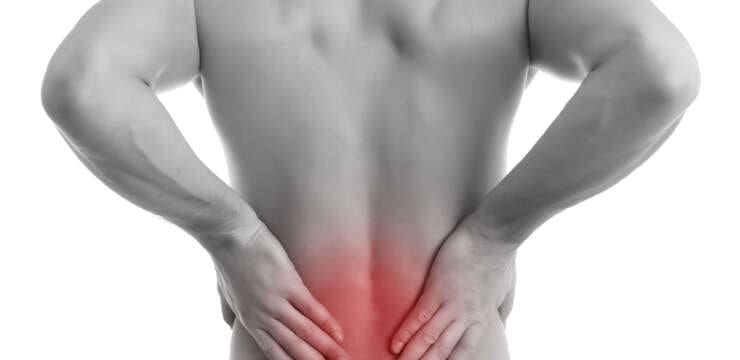
- Musculoskeletal consequences arise from malnutrition, inactivity, osteoporosis, myopathy, and chronic systemic inflammation. Patients frequently develop low back pain, neck pain, joint stiffness, and reduced functional capacity. Poor posture and deconditioning further amplify pain.
- Mental health comorbidities such as depression and anxiety are common and can worsen pain perception and adherence to healthy behaviors.
- Metabolic issues include obesity, insulin resistance, and dyslipidemia, which interact with alcohol to raise cancer risk further (Abraham et al., 2025).
These overlapping conditions create a cycle in which pain and reduced activity worsen metabolic and inflammatory states, while systemic disease heightens vulnerability to musculoskeletal problems.
What Chiropractic Care Is
Chiropractic care is a non-surgical, hands-on approach focused on diagnosing and managing neuromusculoskeletal disorders. Doctors of chiropractic use spinal manipulative therapy (adjustments), mobilization, soft-tissue techniques, therapeutic exercise, and patient education to restore joint mobility, reduce mechanical nerve irritation, improve posture and movement patterns, and support the body’s natural healing processes. The goal is to optimize the relationship between the spine, nervous system, and overall function rather than simply masking symptoms.
At Injury Medical Clinic PA, we deliver chiropractic care within an integrative framework. Adjustments are combined with functional medicine assessments, nutritional support, rehabilitation, and medical oversight so that biomechanical improvements occur alongside attention to inflammation, metabolism, and systemic health.
How Chiropractic Care Reduces Musculoskeletal Pain and Related Comorbidities
Spinal manipulative therapy improves joint mobility and reduces segmental stiffness. Restored motion decreases abnormal mechanical stress on facet joints, discs, and surrounding soft tissues. This can lower local inflammatory mediators and reduce nociceptor sensitization. Improved alignment and proprioceptive input modulate pain processing at spinal and central levels, often decreasing pain intensity and improving function.
Systematic reviews and meta-analyses, including Cochrane and BMJ evaluations, indicate that spinal manipulative therapy produces small to moderate short-term improvements in pain and function for chronic low back pain compared with sham or no treatment, and effects comparable to other recommended conservative therapies (Rubinstein et al., 2019; Cochrane Collaboration, 2026). Similar benefits have been observed for neck pain when combined with exercise in multimodal programs. Clinical observations at the clinic show that patients with alcohol-related comorbidities or cancer-treatment side effects frequently experience reduced back and neck pain, improved range of motion, and better tolerance for daily activity after a course of care.
By decreasing pain and improving mobility, chiropractic care helps interrupt the inactivity–deconditioning–inflammation cycle. Patients who move more easily can engage in therapeutic exercise, which supports muscle strength, bone density, metabolic health, and mood. Reduced reliance on opioids or other analgesics lowers additional risks. Soft-tissue techniques address myofascial restrictions common in deconditioned or neuropathic patients. These mechanical and neurological benefits complement medical management of systemic disease.
Multidisciplinary Integration at Injury Medical Clinic PA
The clinic operates as a multidisciplinary practice in which chiropractic care, functional medicine, personal injury evaluation and rehabilitation, and internal medicine work together under proper medical direction.
Dr. Alexander Jimenez, DC, APRN, FNP-BC, CFMP, IFMCP, ATN, CCST, provides integrative chiropractic care, functional medicine assessments, rehabilitation planning, and personal injury documentation. His dual licensure allows coordinated attention to both structural and systemic factors.
Dr. Maria Guadalupe Cardenas, MD, Board Certified in Internal Medicine with more than 40 years of experience (NPI #1164426749; Texas MD License #J2933), serves as Medical Director and Collaborative Physician. She provides medical oversight, manages complex internal medicine issues such as metabolic disease, inflammation, and comorbidities, and ensures that advanced diagnostics or interventions remain within appropriate clinical boundaries. This collaborative model is standard in integrative and injury-care settings: the internist directs medical aspects while the chiropractor addresses biomechanics, alignment, and rehabilitative function.
Benefits of Adding Integrative Chiropractic Care to a Health and Wellness Routine
Patients dealing with chronic pain, post-injury recovery, or the musculoskeletal effects of systemic conditions can incorporate chiropractic care as one component of a broader plan. Typical elements include:
- Spinal adjustments and soft-tissue work to restore mobility and reduce pain
- Therapeutic exercise and posture training to build resilience
- Functional medicine strategies (nutrition, targeted supplementation, lifestyle modification) to address inflammation and metabolic drivers
- Medical monitoring of comorbidities under Dr. Cardenas’s direction
- Personal injury or work-related care when trauma is involved
Clinical observations indicate that individuals who combine these approaches often report better pain control, improved energy, greater ability to stay active, and enhanced overall function than those who manage symptoms in isolation. Because these interventions are non-surgical and can be tailored, they fit readily into ongoing wellness routines for prevention and recovery.
Conclusion
The rebound in public awareness of alcohol’s cancer risk is encouraging, yet substantial gaps remain. Understanding the physiological pathways, recognizing symptoms, and addressing related comorbidities are essential steps. Integrative chiropractic care, delivered within a multidisciplinary team that includes medical direction from Dr. Maria Guadalupe Cardenas, offers a practical, evidence-informed way to manage musculoskeletal pain, support function, and complement medical management of systemic issues. Individuals seeking non-surgical options for pain and wellness can benefit from this coordinated approach at Injury Medical Clinic PA in El Paso, Texas.
References
- Annenberg Public Policy Center. (2026). Public knowledge that alcohol causes cancer rebounds.
- Jani, C. T., et al. (2026). Alcohol-attributable cancer deaths in the United States. The Lancet Regional Health – Americas.
- Rubinstein, S. M., et al. (2019). Benefits and harms of spinal manipulative therapy for the treatment of chronic low back pain. The BMJ.
- Rumgay, H., et al. (2021). Global burden of cancer in 2020 attributable to alcohol consumption. The Lancet Oncology.
- Seitz, H. K., & Stickel, F. (2007). Molecular mechanisms of alcohol-mediated carcinogenesis. Nature Reviews Cancer.
- Thompson, D. (2026). Public awareness of alcohol’s cancer risk has rebounded, poll reports. Drugs.com MedNews.
- National Academies of Sciences, Engineering, and Medicine. (2025). Review of evidence on alcohol and health.
- Cochrane Collaboration. (2026). Spinal manipulative therapy for chronic low back pain.
SEO Tags
alcohol cancer risk, public awareness alcohol cancer, Annenberg poll alcohol, alcohol related cancer deaths, chiropractic care El Paso, integrative chiropractic, non surgical pain treatment, Dr Alexander Jimenez, Dr Maria Guadalupe Cardenas, Injury Medical Clinic PA, Mission Plaza Injury Medical Clinic, musculoskeletal pain relief, functional medicine El Paso, multidisciplinary pain management, spinal manipulative therapy evidence, alcohol comorbidities, chronic pain wellness routine, personal injury chiropractic El Paso, cancer risk reduction lifestyle, biomechanical pain treatment
What's your reaction?