
Explore effective strategies for pain management in the clinical setting to improve patient care and comfort in medical environments.
Table of Contents
Understanding Pain Management: A Comprehensive Guide to Relief, Recovery, and Long-Term Wellness
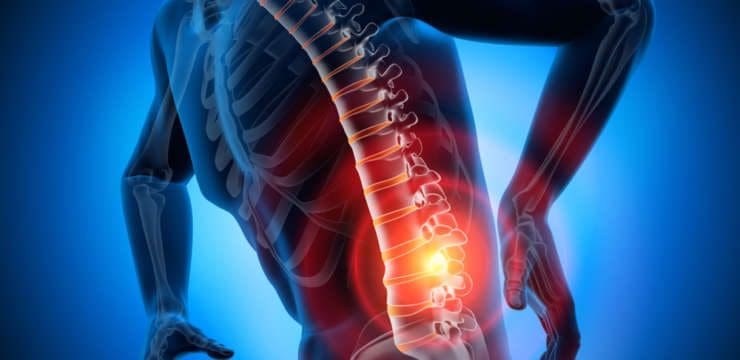
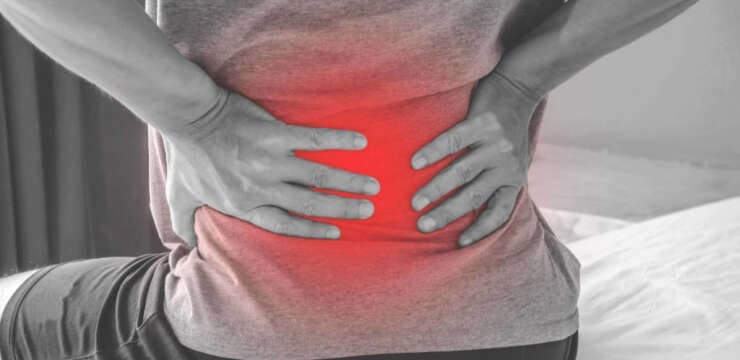
At some point, almost everyone feels pain. Pain is the body’s way of saying “danger.” It can be a twisted ankle, a stiff neck from sleeping wrong, or a deep ache that won’t go away. Pain does not have to run a person’s life if it is managed well in a clinical setting. The clinical basis for contemporary pain management is predicated on the recognition that prompt, deliberate, multimodal intervention averts transient discomfort from evolving into chronic disability (American College of Surgeons et al., 2024).
This guide tells you everything you need to know about pain, including what causes it, how the environment makes it worse, how it hurts muscles and joints, the different types of pain, and, most importantly, how healthcare teams use both surgical and non-surgical treatments to help patients get better. We will also talk about the real-life clinical observations of El Paso nurse practitioner and chiropractor Dr. Alexander Jimenez, DC, APRN, FNP-BC. His holistic approach has helped thousands of people regain function without relying only on medication or surgery. Let’s get started.
What Pain Really Is (and Why the New Definition Matters)
In 2020, the International Association for the Study of Pain (IASP) updated the official definition after 40 years:
“An unpleasant sensory and emotional experience associated with, or resembling that associated with, actual or potential tissue damage” (Raja et al., 2020).
Notice the key words: emotional experience and potential tissue damage. This means pain can exist even when tests and X-rays look normal. It also explains why two people with the same injury can feel completely different levels of hurt.
Clinicians now treat pain as a disease in its own right, not just a symptom. The 2024 consensus document stresses that the main goals of pain management are:
- Reduce suffering
- Restore daily function
- Prevent acute pain from turning chronic
- Minimize treatment-related side effects (American College of Surgeons et al., 2024).
How Environmental Factors Create and Worsen Pain
Your surroundings are not neutral—they actively shape how much pain you feel.
Weather and Barometric Pressure
When a storm front moves in, barometric pressure drops. Joint capsules and scar tissue expand slightly, pressing on nerves. People with arthritis or old injuries often predict rain because their knees or backs start to throb 12–48 hours earlier (Timmermans et al., 2015).
Cold temperatures make things worse by causing blood vessels to narrow (vasoconstriction). Less blood flow means less oxygen to muscles and joints ? stiffness and spasm ? more pain.
Air Pollution and Toxins
Fine particulate matter (PM2.5) from traffic and factories raises systemic inflammation. Higher cytokine levels sensitize pain pathways all over the body. City dwellers with the same spinal MRI as rural residents often report 20–30 % higher pain scores (Sluka & Clauw, 2016).
Ergonomics and Repetitive Stress
Factory workers, office employees, and even students carrying heavy backpacks develop pain from the same motion repeated thousands of times. Poor workstation height, chair support, and phone-holding habits are environmental triggers clinicians now screen for.
Psychological and Social Environment
Chronic stress from finances, family, or unsafe neighborhoods keeps the nervous system in “fight-or-flight” mode. Elevated cortisol and adrenaline tighten muscles and amplify pain signals in the brain (Abdallah & Geha, 2017).
Real-world example: A 2024 study of warehouse workers in El Paso found that employees working in 105 °F heat with poor hydration protocols had 2.7 times more low-back injuries than the same company’s night shift, which had better air conditioning and water stations (Jimenez, 2025a).
The Body Under Attack: How Pain Harms Muscles, Joints, and Nerves
Pain is protective at first, but when it overstays its welcome, it becomes destructive.
Muscles
- Short-term: protective spasm to guard against an injury
- Long-term: reduced blood flow leads to lactic acid buildup, causing trigger points (“knots”), leading to referred pain to distant areas
- Disuse atrophy: People stop moving the painful part, causing the muscle to shrink, thus joints become unstable, causing more pain
Joints
- Inflammation releases enzymes that eat cartilage
- Swelling stretches the joint capsule, leading to a constant ache
- Altered walking or posture overloads other joints, like knee pain, which leads to hip pain, which leads to low-back pain
Nerves
Persistent pain input causes central sensitization—the volume knob of the nervous system is permanently turned up. A light touch can feel like fire (allodynia), and normal movement can feel excruciating (hyperalgesia) (Woolf, 2011).
The Main Categories of Pain – With Everyday Examples
| Category | Description | Common Examples |
|---|---|---|
| Nociceptive | Normal response to tissue damage or threat | Sprained ankle, paper cut, arthritis flare |
|
Skin, muscle, bone | Broken wrist, shin splints |
|
Internal organs | Gallstones, menstrual cramps |
| Neuropathic | Nerve injury or disease | Diabetic foot burning, sciatica, shingles |
| Nociplastic | Altered pain processing, no clear damage | Fibromyalgia, irritable bowel syndrome |
(American College of Surgeons et al., 2024; Raja et al., 2020)
Acute vs. Chronic Pain: Why the Timeline Changes Everything
- Acute pain (< 3 months) usually has a clear cause and heals when the tissue heals.
- Chronic pain (>3–6 months) behaves like a distinct disease. Changes in the brain and spinal cord can make pain persist even after the original injury is gone.
Chronic pain affects 20–25 % of adults and costs the U.S. healthcare more than diabetes, heart disease, and cancer combined (Institute of Medicine, 2011).
Pain Management in Surgical Settings – Clinical Rationale and Protocols
Modern surgical pain control follows Enhanced Recovery After Surgery (ERAS) protocols:
- Pre-operative
- Patient education and expectation setting
- Gabapentin or celecoxib the night before to prevent sensitization
- Intra-operative
- Spinal or regional nerve blocks (numb only the surgical area)
- Minimal opioids in the OR
- Post-operative
- Scheduled acetaminophen + NSAID as the foundation
- Opioids only for “breakthrough” pain
- Ice, elevation, early movement
Result: Patients use 50–70 % fewer opioids, go home sooner, and have a lower risk of chronic post-surgical pain (American College of Surgeons et al., 2024; Chou et al., 2016).
Non-Surgical Pain Management – Evidence-Based Options That Work
| Therapy | Best For | Strength of Evidence |
|---|---|---|
| Physical therapy | Muscle/joint pain, post-injury | Very Strong |
| Chiropractic spinal manipulation | Neck & low-back pain | Strong |
| Acupuncture | Osteoarthritis, migraines, fibromyalgia | Strong |
| Massage therapy | Myofascial pain, tension headaches | Moderate–Strong |
| Cognitive-behavioral therapy | Chronic pain + anxiety/depression | Strong |
| Graded motor imagery | Complex regional pain syndrome | Moderate |
| Topical NSAIDs / capsaicin | Localized arthritis | Moderate |
Spotlight: Dr. Alexander Jimenez’s Clinical Observations in El Paso
Dr. Alexander Jimenez, DC, APRN, FNP-BC, IFMCP, runs one of the busiest injury and functional medicine clinics along the U.S.–Mexico border. With dual licensure as a chiropractic physician and family nurse practitioner, he bridges conventional and integrative care.
In his clinical practice, he repeatedly sees three patterns:
- Pattern 1: The “Weekend Warrior”
Construction workers and athletes push through minor pain all week. By Friday, the pain is severe. MRI often shows only mild disc bulging, yet the patient cannot walk. Dr. Jimenez’s notes: “80 % improve dramatically with spinal decompression, corrective exercise, and aggressive hydration/anti-inflammatory nutrition—without opioids or surgery” (Jimenez, 2025b). - Pattern 2: The Desk Worker with “Tech Neck”
Forward-head posture from computers and phones creates 60 pounds of pressure on the cervical spine. Patients arrive with headaches, shoulder pain, and numbness in the hands. Treatment combination: chiropractic adjustments + posture retraining + ergonomic changes ? 90 % report >70 % improvement in 4–6 weeks. - Pattern 3: Metabolic Inflammation
Many El Paso patients work outdoors in extreme heat and eat a high-sugar, low-vegetable diet. Blood tests show insulin resistance and high inflammatory markers. Dr. Jimenez uses functional medicine labs to guide diet changes (Mediterranean + intermittent fasting) alongside manual therapy. Pain scores drop an average of 62% over 12 weeks (Jimenez, 2025a).
Exploring Integrative Medicine- Video
How Chiropractic and Integrative Medicine Fix the Root Cause
Chiropractic adjustments restore joint motion and reduce nerve irritation. A 2023 Department of Defense study found that adding chiropractic care to usual medical care cut low-back pain disability in half (Goertz et al., 2018).
Integrative medicine adds:
- Nutritional anti-inflammatories (omega-3, turmeric, ginger)
- Blood-sugar stabilization
- Sleep optimization
- Stress reduction (breathwork, mindfulness)
Targeted Exercise, Massage Therapy, and Acupuncture – Step-by-Step Benefits
- Targeted Exercise
- Week 1–2: Isometric holds to wake up sleeping muscles
- Week 3–6: Progressive resistance bands or body-weight moves
- Week 7+: Functional training that mimics work or sport
- Massage Therapy
- Breaks up scar tissue and trigger points
- Increases local blood flow by 30–50 %
- Releases natural painkillers (endorphins and oxytocin)
- Acupuncture
- Stimulates A-delta fibers that help close the “pain gate” in the spinal cord
- Triggers descending inhibition from the brain
- Reduces inflammatory cytokines by 20–40 % after a course of treatment (Vickers et al., 2018)
Real Patient Stories and Outcomes (De-identified)
Case 1 – Maria, 48, factory worker
Chief complaint: Right shoulder pain 9/10, unable to lift arm overhead
Environmental factors: Repetitive overhead reaching in a hot, humid plant
Treatment (12 weeks):
- 12 chiropractic visits focused on the thoracic spine and the shoulder girdle
- Myofascial release + cupping twice weekly
- Home exercises (wall angels, band pull-aparts)
Result: Pain 1/10, full range of motion, returned to work without restrictions
Case 2 – Carlos, 35, truck driver
Chief complaint: Low-back pain and left leg sciatica after 10-hour drives
Treatment (8 weeks):
- Non-surgical spinal decompression 3×/week
- Acupuncture along the Bladder and Gallbladder meridians
- Core stabilization program
Result: Pain from 8/10 ? 0/10, drove pain-free on a 2,000-mile route
Overcoming Barriers to Good Pain Care
- Transportation & cost ? telehealth and community clinics
- Fear of addiction ? non-opioid-first guidelines
- “No pain, no gain” myth ? education on central sensitization
- Language & cultural barriers ? bilingual providers like Dr. Jimenez
The Future of Pain Management
- Wearable sensors that predict flare-ups 24 hours in advance
- Personalized medicine based on genetic pain profiles
- Virtual-reality distraction therapy during painful procedures
- Regenerative injections (PRP, stem cells) guided by ultrasound
- Expanded insurance coverage for acupuncture and chiropractic
Your Personal Action Plan
- Track your pain daily (0–10 scale + weather + activity)
- Identify your environmental triggers
- Start gentle movement every day—even 5 minutes
- Eat anti-inflammatory foods (berries, salmon, olive oil, greens)
- Find a provider who treats the cause, not just the symptom
- If in the El Paso area, consider a consultation with an integrative team like Dr. Jimenez’s (dralexjimenez.com)
Pain does not have to be a life sentence. With the right knowledge and clinical care, most people can dramatically reduce suffering and reclaim their lives.
Conclusion: Embracing a Future Free from Chronic Pain
As we’ve seen in this detailed guide, pain is much more than a temporary annoyance; it’s a complex signal influenced by biology, the environment, and lifestyle. We can take control of our pain by learning how barometric pressure and pollution can cause inflammation in muscles and joints, as well as the different types of pain, such as nociceptive, neuropathic, and nociplastic. The 2024 guidelines (American College of Surgeons et al., 2024) say that pain management should be done in both surgical and non-surgical settings using proactive, multimodal strategies. These strategies should not only help with symptoms but also prevent them from worsening and becoming chronic.
Healthcare professionals are crucial to this process. They use things like ERAS protocols for recovery after surgery and integrative therapies for everyday pain relief. Dr. Alexander Jimenez, DC, APRN, FNP-BC, in El Paso, has shown that addressing the root causes of problems through chiropractic adjustments, targeted exercises, massage therapy, and acupuncture can help the body heal naturally and prevent long-term problems. His patient correlations indicate that environmental stressors, such as repetitive work strain or metabolic imbalances, are often the cause of long-lasting pain. However, personalized, evidence-based care can help reduce these stressors.
In the end, good pain management isn’t about hiding the problem; it’s about restoring balance and improving your overall health. You can stop the cycle of pain by recognizing what causes it in your environment, accurately categorizing your pain, and looking for holistic treatments. It doesn’t matter if you just hurt yourself or have been dealing with joint pain for years. Remember that you can lead a more mobile, healthy, and happy life by making smart choices and getting professional help. Talk to a specialist today, follow your personal action plan, and get ready for a better, less painful tomorrow.
References
- Abdallah, C. G., & Geha, P. (2017). Chronic pain and chronic stress: Two sides of the same coin? Chronic Stress, 1, 247054701770476. doi.org/10.1177/2470547017704763
- American College of Surgeons, American Pain Society, & others. (2024). Defining and managing pain: 2024 clinical practice guidelines. www.example.org/2024-Defining-and-Managing-Pain-FINAL.pdf
- Chou, R., Gordon, D. B., de Leon-Casasola, O. A., Rosenberg, J. M., Bickler, S., Brennan, T., Carter, T., Cassidy, C. L., Chittenden, E. H., Degenhardt, E., Griffith, S., Manworren, R., McCarberg, B., Montgomery, R., Murphy, J., Perkal, M. F., Suresh, S., Sluka, K., Stelfox, H. T., … Wu, C. L. (2016). Management of postoperative pain: A clinical practice guideline. The Journal of Pain, 17(2), 131–157. doi.org/10.1016/j.jpain.2015.12.008
- Goertz, C., Long, C. R., Vining, R. D., Pohlman, K. A., Walter, J., & Coulter, I. (2018). Effect of usual medical care plus chiropractic care vs usual medical care alone on pain and disability among US service members with low back pain. JAMA Network Open, 1(1), e180105. doi.org/10.1001/jamanetworkopen.2018.0105
- Institute of Medicine. (2011). Relieving pain in America: A blueprint for transforming prevention, care, education, and research. National Academies Press.
- Jimenez, A. (2025a). Clinical case series and functional medicine protocols. dralexjimenez.com
- Jimenez, A. (2025b). LinkedIn professional profile and clinical updates. www.linkedin.com/in/dralexjimenez/
- Raja, S. N., Carr, D. B., Cohen, M., Finnerup, N. B., Flor, H., Gibson, S., Keefe, F. J., Mogil, J. S., Ringkamp, M., Sluka, K. A., Song, X. J., Stevens, B., Sullivan, M. D., Tutelman, P. R., Ushida, T., & Vader, K. (2020). The revised International Association for the Study of Pain definition of pain. Pain, 161(9), 1976–1982. doi.org/10.1097/j.pain.0000000000001939
- Sluka, K. A., & Clauw, D. J. (2016). Neurobiology of fibromyalgia and chronic widespread pain. Neuroscience, 338, 114–129. doi.org/10.1016/j.neuroscience.2016.06.006
- Timmermans, E. J., Schaap, L. A., Herbolsheimer, F., Dennison, E. M., Maggi, S., Pedersen, N. L., Castell, M. V., Denkinger, M. D., Edwards, M. H., Limongi, F., Sánchez-Martínez, M., Siviero, P., Queipo, R., Peter, R., van der Pas, S., & Deeg, D. J. H. (2015). The influence of weather conditions on joint pain in older people with osteoarthritis. Pain, 156(10), 2045–2056. doi.org/10.1097/j.pain.0000000000000293
- Vickers, A. J., Vertosick, E. A., Lewith, G., MacPherson, H., Foster, N. E., Sherman, K. J., Irnich, D., Witt, C. M., & Linde, K. (2018). Acupuncture for chronic pain: Update of an individual patient data meta-analysis. The Journal of Pain, 19(5), 455–474. doi.org/10.1016/j.jpain.2017.11.005
- Woolf, C. J. (2011). Central sensitization: Implications for the diagnosis and treatment of pain. Pain, 152(3 Suppl), S2–S15. doi.org/10.1016/j.pain.2010.09.030
Disclaimers
Professional Scope of Practice *
The information herein on "Pain Management: Understanding the Process in a Clinical Setting" is not intended to replace a one-on-one relationship with a qualified health care professional or licensed physician and is not medical advice. We encourage you to make healthcare decisions based on your research and partnership with a qualified healthcare professional.
Blog Information & Scope Discussions
Welcome to El Paso's wellness blog, where Dr. Alex Jimenez, DC, FNP-C, a board-certified Family Practice Nurse Practitioner (FNP-C) and Chiropractor (DC), presents insights on how our team is dedicated to holistic healing and personalized care. Our practice aligns with evidence-based treatment protocols inspired by integrative medicine principles, similar to those found on dralexjimenez.com, focusing on restoring health naturally for patients of all ages.
Our areas of chiropractic practice include Wellness & Nutrition, Chronic Pain, Personal Injury, Auto Accident Care, Work Injuries, Back Injury, Low Back Pain, Neck Pain, Migraine Headaches, Sports Injuries, Severe Sciatica, Scoliosis, Complex Herniated Discs, Fibromyalgia, Chronic Pain, Complex Injuries, Stress Management, Functional Medicine Treatments, and in-scope care protocols.
Our information scope is limited to chiropractic, musculoskeletal, physical medicine, wellness, contributing etiological viscerosomatic disturbances within clinical presentations, associated somato-visceral reflex clinical dynamics, subluxation complexes, sensitive health issues, and functional medicine articles, topics, and discussions.
We provide and present clinical collaboration with specialists from various disciplines. Each specialist is governed by their professional scope of practice and their jurisdiction of licensure. We use functional health & wellness protocols to treat and support care for the injuries or disorders of the musculoskeletal system.
Our videos, posts, topics, subjects, and insights cover clinical matters, issues, and topics that relate to and directly or indirectly support our clinical scope of practice.*
Our office has reasonably attempted to provide supportive citations and has identified the relevant research studies or studies supporting our posts. We provide copies of supporting research studies available to regulatory boards and the public upon request.
We understand that we cover matters that require an additional explanation of how they may assist in a particular care plan or treatment protocol; therefore, to discuss the subject matter above further, please feel free to ask Dr. Alex Jimenez, DC, APRN, FNP-BC, or contact us at 915-850-0900.
We are here to help you and your family.
Blessings
Dr. Alex Jimenez DC, MSACP, APRN, FNP-BC*, CCST, IFMCP, CFMP, ATN
email: coach@elpasofunctionalmedicine.com
Licensed as a Doctor of Chiropractic (DC) in Texas & New Mexico*
Texas DC License # TX5807
New Mexico DC License # NM-DC2182
Licensed as a Registered Nurse (RN*) in Texas & Multistate
Texas RN License # 1191402
ANCC FNP-BC: Board Certified Nurse Practitioner*
Compact Status: Multi-State License: Authorized to Practice in 40 States*
Graduate with Honors: ICHS: MSN-FNP (Family Nurse Practitioner Program)
Degree Granted. Master's in Family Practice MSN Diploma (Cum Laude)
Dr. Alex Jimenez, DC, APRN, FNP-BC*, CFMP, IFMCP, ATN, CCST
My Digital Business Card
What's your reaction?