“For individuals looking to improve their quality of life, can substituting healthy meal ingredients be a simple step toward better health?”
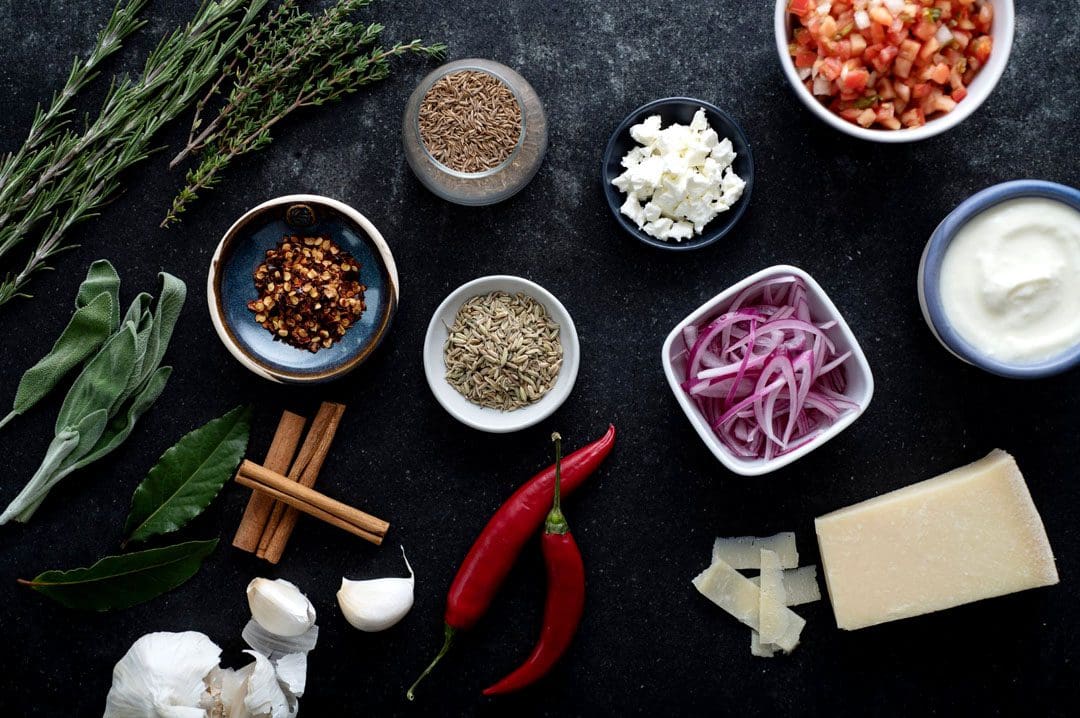
Table of Contents
Food Substitutions
Eating well does not mean having to give up favorite foods. Part of the enjoyment of home cooking is putting one’s own style on each dish. Individuals soon discover they prefer healthy food substitutions to the original high-fat, high-sugar, or high-sodium ingredients. Healthy swaps can be introduced gradually to allow the taste buds to adapt. It is possible to reduce:
- Calories
- Unhealthy fats
- Sodium
- Refined sugars
Simply making smart swaps that replace some ingredients with more beneficial ones.
Ingredients for Healthier Meals
Recipes are the sum of their parts. A dish made with multiple ingredients adds its own nutrition for healthy or unhealthy. Ingredients high in calories, saturated fat, added sugars, and/or sodium can make a dish less nutritious. By making strategic food substitutions, individuals can transform a high-calorie, high-fat, sugary dish into something more nutritious. When done regularly this adjustment leads to long-term healthy behavior changes. Making small adjustments leads to improvements in weight management, heart health, and risk of chronic diseases.
Substituting Unhealthy Fats and Oils
- Fat is a necessary nutrient, however, diets high in saturated fat have been linked with an increased risk of coronary artery disease, (Geng Zong, et al., 2016)
and high cholesterol levels. (American Heart Association. 2021) - Foods like butter, coconut oil, and lard are some of the most used saturated fats.
- Conversely, research shows that eating more unsaturated fats is usually associated with better cardiovascular health and lower overall mortality. (Harvard T.H. Chan School of Public Health. 2016)
- Instead of baking with butter, try using applesauce, mashed avocados, or mashed bananas.
- These plant-based alternatives don’t overload the body with saturated fat.
- Try using half butter and half an alternative to cut calories and fats.
- For cooking, try sautéing, roasting, or pan-frying in olive or avocado oil.
- Both contain healthy monounsaturated fats.
- These oils can be used for dipping bread with dinner or for a quick snack.
- Fresh herbs or a dash of balsamic vinegar can add flavor.
Refined Sugars
Enjoying sweets can be healthy, but the objective is to be mindful of how much-refined sugar is consumed. Sweet flavors send signals to the reward centers in the brain, increasing positive associations with sugar. However, eating high amounts of sugar can lead to:
- Weight gain, (Samir Faruque, et al., 2019)
- Elevated blood pressure
- Increased chronic inflammation. (Harvard Health Publishing. 2022)
- The average American consumes two to three times the recommended amount of sugar a day (American Heart Association. 2023)
Try to control how much sugar goes in.
- Consider incrementally scaling back on sugar in baked goods by adding three-fourths or half of the sugar.
- Try using fresh fruit as a natural sweetener.
- Mashed dates add caramel-like flavor without spiking blood sugar like white sugar.
- Maple syrup is another alternative.
- Experiment with options and combinations to keep refined sugars to a minimum.
- For soda or other sweetened beverages, consider going half with sparkling water and soda or juice.
- Sweeten water with fruit by steeping it in an infusion pitcher or bottle.
Sodium
Salt is another common excess in an individual diet. Sodium contributes to high rates of elevated blood pressure, heart attack, and stroke.
- The CDC offers tips on how reducing sodium can improve health. (Centers for Disease Control and Prevention. 2018)
- An array of other herbs and spices can amplify the flavor of meals.
- Purchase or create various flavor blends.
- For example, cumin, chili powder, oregano, and red pepper flakes can spice up a dish or a blend of thyme, paprika, garlic powder, and onion powder can add savory notes.
- A study found that adding lemon juice to recipes could reduce sodium content and add tanginess. (Sunkist Growers. 2014)
Whole Grains
Individuals don’t have to choose brown rice or whole wheat pasta for every meal but try to select whole grains half of the time. Food substitutions that can help achieve the halfway point include:
- Popcorn or whole wheat crackers instead of refined flour crackers.
- Whole wheat pizza crust instead of regular crust.
- Substitute brown rice for white in stir-fries or casseroles.
- Oatmeal instead of refined grain cereal.
- Whole wheat pasta for spaghetti and meatballs or other pasta dishes.
- Quinoa as a side dish instead of white rice or couscous.
More whole grains equals more fiber and B vitamins to help sustain energy, prevent blood sugar spikes, and promote digestive health. Eating more whole grains has been linked with a reduced risk of heart disease (Caleigh M Sawicki, et al. 2021) and a lower risk of colon cancer. (Glenn A. Gaesser. 2020)
Finding the right combination of each of these substitutions takes time. Go slow and taste often to see how each substitution affects a recipe’s taste and texture.
Boost Metabolism
References
Zong, G., Li, Y., Wanders, A. J., Alssema, M., Zock, P. L., Willett, W. C., Hu, F. B., & Sun, Q. (2016). Intake of individual saturated fatty acids and risk of coronary heart disease in US men and women: two prospective longitudinal cohort studies. BMJ (Clinical research ed.), 355, i5796. doi.org/10.1136/bmj.i5796
American Heart Association. Saturated fat.
Harvard T.H. Chan School of Public Health. Different dietary fat, different risk of mortality.
Faruque, S., Tong, J., Lacmanovic, V., Agbonghae, C., Minaya, D. M., & Czaja, K. (2019). The Dose Makes the Poison: Sugar and Obesity in the United States – a Review. Polish journal of food and nutrition sciences, 69(3), 219–233. doi.org/10.31883/pjfns/110735
Harvard Health Publishing. The sweet danger of sugar.
American Heart Association. How much sugar is too much?
Centers for Disease Control and Prevention. How to Reduce Sodium Intake.
Sunkist Growers. Sunkist Growers and Chefs from Johnson & Wales University Release New S’alternative® Research.
Sawicki, C. M., Jacques, P. F., Lichtenstein, A. H., Rogers, G. T., Ma, J., Saltzman, E., & McKeown, N. M. (2021). Whole- and Refined-Grain Consumption and Longitudinal Changes in Cardiometabolic Risk Factors in the Framingham Offspring Cohort. The Journal of nutrition, 151(9), 2790–2799. doi.org/10.1093/jn/nxab177
Gaesser G. A. (2020). Whole Grains, Refined Grains, and Cancer Risk: A Systematic Review of Meta-Analyses of Observational Studies. Nutrients, 12(12), 3756. doi.org/10.3390/nu12123756
What's your reaction?