Table of Contents
Better Recovery After Spine Surgery: Key Parts of Enhanced Surgical Recovery Programs
Spine surgery helps many people with back pain, but recovery can be challenging. Enhanced Surgical Recovery (ESR) programs, also called ERAS, make recovery faster and easier. These programs use proven steps before, during, and after surgery to help patients heal better. They focus on less pain, shorter hospital stays, and fewer problems later.
ESR programs cut opioid pain medicine use, reduce time in the hospital, and lower the chance of going back to the hospital. Adding integrative chiropractic care, nurse practitioners, and new tools like virtual reality (VR) makes recovery even stronger.

What Is Enhanced Surgical Recovery for Spine Surgery?
ESR programs are team-based plans that follow evidence-based steps. They started in other surgeries, but now work well for spine procedures like fusions or disc repairs. The goal is to reduce stress on the body and help normal function return fast.
Common parts include patient education, many ways to manage pain, good nutrition, and early movement. These steps lead to less opioid use and better outcomes.
Most Effective Parts of ESR Programs
The best ESR programs use many steps together. The following are the main components of ESR programs that provide the most benefit:
- Patient Education: Teaching patients what to expect reduces worry and helps them join in their care. This is used in over 74% of programs and links to shorter hospital stays (Elsarrag et al., 2024).
- Multimodal Pain Management: This means using non-opioid medicines like acetaminophen, NSAIDs, gabapentin, and sometimes ketamine, plus opioids only if needed. It cuts opioid use a lot—one program saw over 50% less in-hospital opioids (Soffin et al., 2023).
- Nutrition Optimization: Good nutrition before surgery, such as carb drinks, and addressing poor nutrition or anemia, helps healing. Poor nutrition increases risks, so screening and supplements reduce complications and hospital stays (Wainwright et al., 2022).
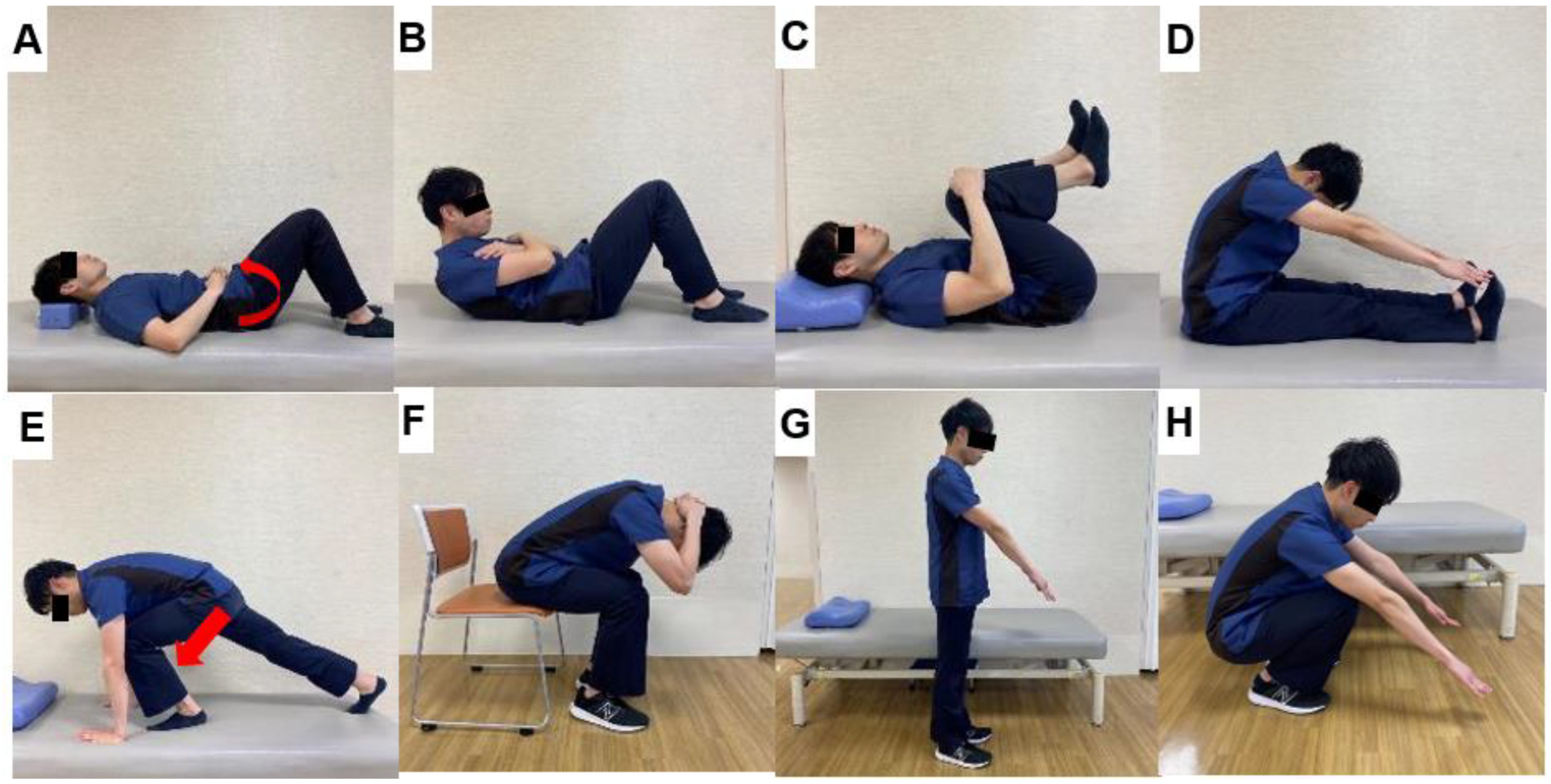
- Early Mobilization: Getting out of bed and moving soon after surgery, often the same day, is key. It is in 75% of programs and reduces stays by days (Elsarrag et al., 2024).
These parts work best together. In one large program, they led to 2.1 fewer hospital days and up to 44% less opioid use (HCA Healthcare, 2022).
How These Parts Reduce Opioid Use, Hospital Stays, and Readmissions
- Less Opioid Use: Multimodal plans and non-opioid options mean less need for strong pain drugs. Studies show big drops in opioids without worse pain (Soffin et al., 2023; HCA Healthcare, 2022).
- Shorter Hospital Stays: Early mobilization, effective pain control, and nutrition support allow patients to go home sooner. Most studies indicate that 93% of patients experience shorter hospital stays, typically by 1-2 days (Elsarrag et al., 2024).
- Lower Readmissions: Fewer complications from better care mean fewer hospital returns. Some programs cut readmissions by over 50% in certain surgeries (HCA Healthcare, 2022).
Here are the key parts in many ESR spine programs:
| Part | How Often Used | Main Benefit |
|---|---|---|
| Patient Education | 74% | Better adherence, less anxiety |
| Early Mobilization | 75% | Shorter stays, fewer complications |
| Multimodal Analgesia | High | Less opioids, good pain control |
| Nutrition Optimization | Common | Faster healing, lower risks |
(Data from Elsarrag et al., 2024; Debono et al., 2023)


Role of Nurse Practitioners in ESR Programs
Nurse practitioners (NPs) are key in ESR for spine surgery. They coordinate care across teams, teach patients, manage medicines, and monitor progress.
NPs lead education before surgery, explain non-opioid pain options, and ensure that patients follow the plan. They bridge the gap between surgeons, nurses, and therapists. In many programs, NPs help with daily rounds and adjustments.
Studies show nursing leadership in ESR improves outcomes like shorter stays and less opioids. NPs monitor for problems and support early moving and nutrition (Wang et al., 2025; Elsarrag et al., 2024).
Dr. Alexander Jimenez, DC, APRN, FNP-BC, uses his dual training to integrate care. His work in integrative health coordinates multimodal plans and patient education to support better recovery (Jimenez, n.d.).
How Integrative Chiropractic Care Helps Recovery
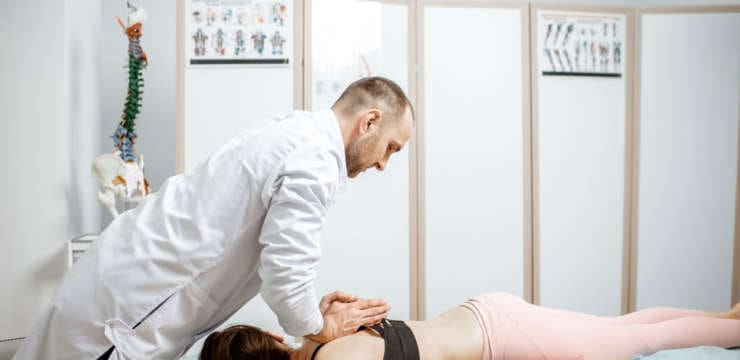
Chiropractic care fits well with ESR, especially after the surgical site heals. It offers non-opioid pain relief, better posture, and more mobility.
- Pre-hab and Posture: Before surgery, adjustments improve alignment and strength.
- Non-Opioid Pain Relief: Gentle adjustments and soft tissue work reduce pain and muscle tension.
- Mobility and Scar Tissue: After healing (often 4-6 weeks or more), chiropractic helps restore movement and breaks down scar tissue.
Studies show that adding chiropractic care cuts pain more than therapy alone and helps patients walk better (Active Health Center, n.d.; New York City Spine, n.d.).
Dr. Jimenez notes that chiropractic supports nervous system balance and reduces tension, facilitating faster healing. His integrative approach combines adjustments with nutrition and therapy (Jimenez, n.d.).


New Technologies: Virtual Reality for Better Strength and Recovery
Virtual reality (VR) is a new tool in recovery. Patients wear headsets for fun, guided exercises that feel like games.
VR lowers pain perception, makes therapy enjoyable, and improves focus. It helps build strength and movement safely.
Studies show that VR reduces postoperative pain and helps in spine cases, such as after cervical surgery. It improves muscle activation, quality of life, and arm pain (Kim et al., 2025; Bordeleau et al., n.d.).
In spine recovery, VR encourages early, engaging mobilization, leading to faster, safer healing. It distracts from pain and boosts adherence.



Why ESR Programs Work So Well
ESR changes spine surgery recovery. By using multimodal pain control, education, nutrition, and early movement, patients use fewer opioids, leave the hospital sooner, and have fewer readmissions.
Adding NPs for coordination, chiropractic for natural relief, and VR for engaging therapy makes it even better. Dr. Jimenez’s observations show that integrative teams lead to stronger outcomes.
Patients who follow ESR do better in the long term. Talk to your team about these options for your surgery.
References
Active Health Center. (n.d.). Rehabilitation after surgery: Integrating chiropractic care into recovery. activehealthcenter.com/rehabilitation-after-surgery-integrating-chiropractic-care-into-recovery/
Debono, B., et al. (2023). Enhanced recovery after surgery (ERAS) protocols for spine surgery – review of literature. PMC. pmc.ncbi.nlm.nih.gov/articles/PMC10156499/
Elsarrag, M. Z., et al. (2024). Enhanced Recovery After Surgery (ERAS) in spine surgery: A systematic review and meta-analysis. PMC. pmc.ncbi.nlm.nih.gov/articles/PMC12592135/
HCA Healthcare. (2022). HCA Healthcare’s innovative approach to surgical recovery. hcahealthcaretoday.com/2022/12/13/hca-healthcares-innovative-approach-to-surgical-recovery-promotes-better-outcomes-decreased-opioid-usage-and-faster-recovery-times-for-patients/
Jimenez, A. (n.d.). Injury specialists. dralexjimenez.com/
New York City Spine. (n.d.). How a chiropractor can aid spinal fusion recovery. newyorkcityspine.com/how-a-chiropractor-can-aid-spinal-fusion-recovery/
Soffin, E. M., et al. (2023). Adoption of enhanced surgical recovery (ESR) protocol for lumbar fusion decreases in-hospital postoperative opioid consumption. PMC. pmc.ncbi.nlm.nih.gov/articles/PMC10189339/
Wainwright, T. W., et al. (2022). Enhanced recovery after surgery (ERAS) protocol in spine surgery. PMC. pmc.ncbi.nlm.nih.gov/articles/PMC9293758/
Disclaimers
Professional Scope of Practice *
The information herein on "Enhanced Surgical Recovery Programs Improve Healing" is not intended to replace a one-on-one relationship with a qualified health care professional or licensed physician and is not medical advice. We encourage you to make healthcare decisions based on your research and partnership with a qualified healthcare professional.
Blog Information & Scope Discussions
Welcome to El Paso's wellness blog, where Dr. Alex Jimenez, DC, FNP-C, a board-certified Family Practice Nurse Practitioner (FNP-C) and Chiropractor (DC), presents insights on how our team is dedicated to holistic healing and personalized care. Our practice aligns with evidence-based treatment protocols inspired by integrative medicine principles, similar to those found on dralexjimenez.com, focusing on restoring health naturally for patients of all ages.
Our areas of chiropractic practice include Wellness & Nutrition, Chronic Pain, Personal Injury, Auto Accident Care, Work Injuries, Back Injury, Low Back Pain, Neck Pain, Migraine Headaches, Sports Injuries, Severe Sciatica, Scoliosis, Complex Herniated Discs, Fibromyalgia, Chronic Pain, Complex Injuries, Stress Management, Functional Medicine Treatments, and in-scope care protocols.
Our information scope is limited to chiropractic, musculoskeletal, physical medicine, wellness, contributing etiological viscerosomatic disturbances within clinical presentations, associated somato-visceral reflex clinical dynamics, subluxation complexes, sensitive health issues, and functional medicine articles, topics, and discussions.
We provide and present clinical collaboration with specialists from various disciplines. Each specialist is governed by their professional scope of practice and their jurisdiction of licensure. We use functional health & wellness protocols to treat and support care for the injuries or disorders of the musculoskeletal system.
Our videos, posts, topics, subjects, and insights cover clinical matters, issues, and topics that relate to and directly or indirectly support our clinical scope of practice.*
Our office has reasonably attempted to provide supportive citations and has identified the relevant research studies or studies supporting our posts. We provide copies of supporting research studies available to regulatory boards and the public upon request.
We understand that we cover matters that require an additional explanation of how they may assist in a particular care plan or treatment protocol; therefore, to discuss the subject matter above further, please feel free to ask Dr. Alex Jimenez, DC, APRN, FNP-BC, or contact us at 915-850-0900.
We are here to help you and your family.
Blessings
Dr. Alex Jimenez DC, MSACP, APRN, FNP-BC*, CCST, IFMCP, CFMP, ATN
email: coach@elpasofunctionalmedicine.com
Licensed as a Doctor of Chiropractic (DC) in Texas & New Mexico*
Texas DC License # TX5807
New Mexico DC License # NM-DC2182
Licensed as a Registered Nurse (RN*) in Texas & Multistate
Texas RN License # 1191402
ANCC FNP-BC: Board Certified Nurse Practitioner*
Compact Status: Multi-State License: Authorized to Practice in 40 States*
Graduate with Honors: ICHS: MSN-FNP (Family Nurse Practitioner Program)
Degree Granted. Master's in Family Practice MSN Diploma (Cum Laude)
Dr. Alex Jimenez, DC, APRN, FNP-BC*, CFMP, IFMCP, ATN, CCST
My Digital Business Card
What's your reaction?