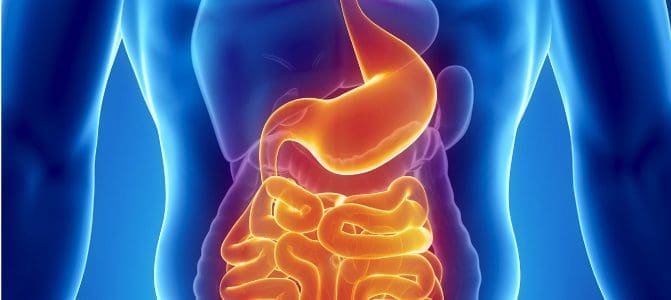
“For individuals dealing with ulcerative colitis, can acupuncture treatment benefit those with UC and other GI-related issues?”

Table of Contents
Acupuncture For Ulcerative Colitis
Acupuncture has been used to treat symptoms related to pain and inflammation. Studies suggest it may help reduce inflammation and symptoms like diarrhea and abdominal pain, which could benefit individuals with inflammatory bowel disease. Individuals with ulcerative colitis, an inflammatory bowel disease/IBD affecting the large intestine, may find acupuncture beneficial in managing symptoms, including pain and gastrointestinal symptoms. (Crohn’s and Colitis Foundation, 2019)
- There are 2,000 acupoints in the body connected by pathways known as meridians. (Wilkinson J, Faleiro R. 2007)
- The pathways connecting the acupoints generate energy, which contributes to overall health.
- A disruption to the energy flow can cause injury, illness, or disease.
- When acupuncture needles are inserted, energy flow and health are improved.
Benefits
Acupuncture can be used for the relief of various conditions. Studies have shown that acupuncture can reduce inflammation and disease activity in individuals with an IBD, like UC and Crohn’s disease. It can help with: (Gengqing Song et al., 2019)
- Pain symptoms
- Gut microbiome imbalances
- Gut motor dysfunction
- Intestinal barrier function
- Anxiety
- Depression
Studies suggest the use of acupuncture with heat, known as moxibustion, can improve several GI symptoms including (Crohn’s and Colitis Foundation, 2019)
- Bloating
- Abdominal pain
- Constipation
- Gas
- Diarrhea
- Nausea
It is effective in the treatment of digestive issues that include: (Johns Hopkins Medicine. 2024)
- Gastritis
- Irritable bowel syndrome/IBS
- Hemorrhoids
- Hepatitis
Reduces Pain and Inflammation
- Acupuncture treatment works by releasing endorphins, which help reduce pain. (Harvard Medical School. 2016)
- Applying pressure to acupoints triggers the central nervous system.
- This is believed to cause the release of chemicals that stimulate the body’s healing mechanisms. (Johns Hopkins Medicine. 2024)
- Studies have also found acupuncture can trigger the production of cortisol.
- This hormone helps control inflammation. (Arthritis Foundation. N.D.)
- Studies found the use of acupuncture along with moxibustion reduced inflammation in individuals with Crohn’s disease and ulcerative colitis. (Crohn’s and Colitis Foundation, 2019)
Stress and Mood
Chronic conditions like ulcerative colitis can cause feelings of depression and/or anxiety. Acupuncture may be used to address symptoms related to stress and mood and can benefit emotional health issues that include: (Johns Hopkins Medicine. 2024)
- Insomnia
- Anxiety
- Nervousness
- Depression
- Neurosis – mental health condition characterized by chronic distress and anxiety.
Side Effects
Acupuncture is considered a safe practice. The most common side effects are: (GI Society. 2024)
- Bruising
- Minor bleeding
- Increased pain
- Fainting can occur due to needle shock.
- Needle shock can cause dizziness, feeling faint, and nausea. (Harvard Medical School. 2023)
- Needle shock is rare but more common in individuals:
- Who are regularly nervous.
- Who are nervous around needles.
- Who are new to acupuncture.
- Who have a history of fainting.
- Who are extremely fatigued.
- Who have low blood sugar.
For some, GI symptoms may worsen before they improve. It is recommended to try at least five sessions as this is part of the healing process. (Cleveland Clinic. 2023) However, individuals should contact their doctor if symptoms become severe or last more than two days. (GI Society. 2024) Individuals considering acupuncture to help manage symptoms of ulcerative colitis should speak with their healthcare provider to help determine the appropriate treatment and where to start.
Gastro-Intestinal Dysfunction Treatment
References
Crohn’s and Colitis Foundation. (2019). Acupuncture in Inflammatory Bowel Disease. IBDVisible Blog. www.crohnscolitisfoundation.org/blog/acupuncture-inflammatory-bowel-disease
Wilkinson J, Faleiro R. (2007). Acupuncture in pain management. Continuing Education in Anaesthesia, Critical Care and Pain. 7(4), 135-138. doi.org/10.1093/bjaceaccp/mkm021
Johns Hopkins Medicine. (2024). Acupuncture (Health, Issue. www.hopkinsmedicine.org/health/wellness-and-prevention/acupuncture
Song, G., Fiocchi, C., & Achkar, J. P. (2019). Acupuncture in Inflammatory Bowel Disease. Inflammatory bowel diseases, 25(7), 1129–1139. doi.org/10.1093/ibd/izy371
Harvard Medical School. (2016). Relieving pain with acupuncture. Harvard Health Blog. www.health.harvard.edu/healthbeat/relieving-pain-with-acupuncture
Arthritis Foundation. (N.D.). Acupuncture for Arthritis. Health Wellness. www.arthritis.org/health-wellness/treatment/complementary-therapies/natural-therapies/acupuncture-for-arthritis
Harvard Medical School. (2023). Acupuncture: what is it? Harvard Health Publishing Harvard Medical School Blog. www.health.harvard.edu/a_to_z/acupuncture-a-to-z#:~:text=The%20most%20common%20side%20effects,injury%20to%20an%20internal%20organ.
Cleveland Clinic. (2023). Acupuncture. Health Library. my.clevelandclinic.org/health/treatments/4767-acupuncture
GI Society. (2024). Acupuncture and Digestion. badgut.org. badgut.org/information-centre/a-z-digestive-topics/acupuncture-and-digestion/
What's your reaction?