Are there blood tests for individuals with chronic and severe back pain symptoms that can help healthcare providers diagnose?
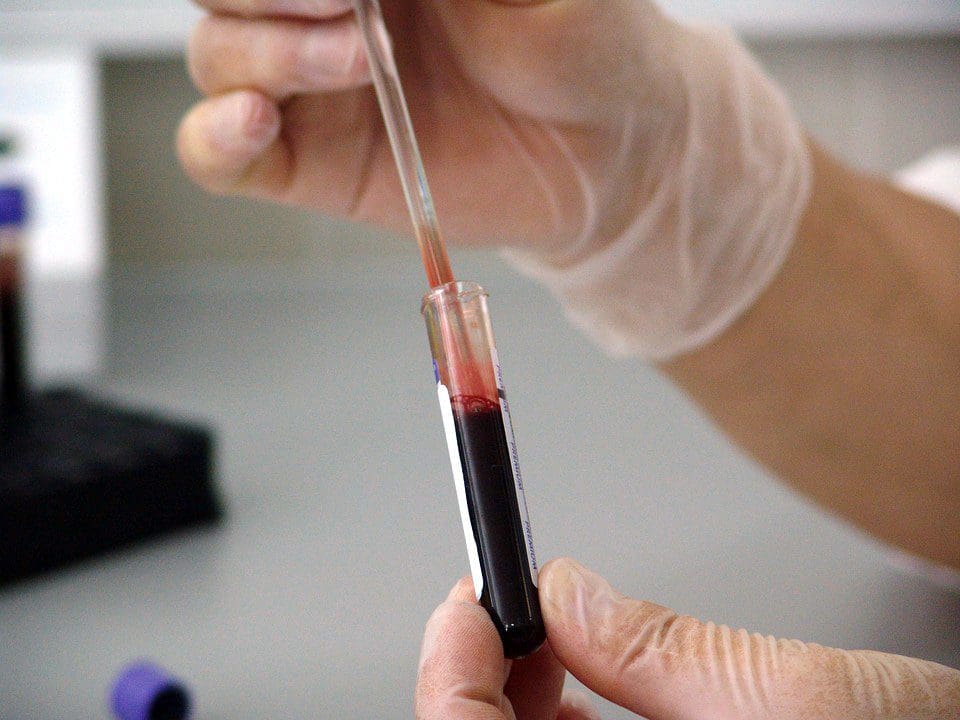
Table of Contents
Blood Tests To Help Diagnose Back Pain
If a healthcare provider suspects an infection or inflammatory arthritis is the cause of back pain, blood tests may be used to diagnose. When trying to find the cause of back pain, a healthcare provider will examine the patient’s medical history, perform a physical examination, and, if necessary, order diagnostic tests. (Dansie E. J. and Turk D. C. 2013) For example, the National Institute of Arthritis and Musculoskeletal and Skin Diseases says that MRIs can reveal abnormalities in the spine. Still, a person may not feel pain or experience any other symptoms. The NIAMS also says healthy, pain-free individuals can have elevated SED levels. A high sedimentation rate or sed rate, also known as an erythrocyte sedimentation rate (ESR) test, can indicate inflammation in the body. (National Institute of Arthritis and Musculoskeletal and Skin Diseases, 2023)
Commonly Used Tests
Blood tests that can help diagnose back pain include:
Complete Blood Count – CBC
- This test can indicate inflammation or infections.
Sed Rate or Erythrocyte Sedimentation Rate
- This test measures inflammation by analyzing how red blood cells settle through plasma.
- Inflammation could point to an infection. (Harrison M. 2015)
- If the SED rate indicates that inflammation is present, the possibility of an underlying cause may be some form of arthritis or a tumor, which is rare.
CRP or C-reactive Protein
- Another test that measures inflammation that could indicate an infection or some form of arthritis. (Sproston N. R. and Ashworth J. J. 2018)
HLA-B27
- A genetic marker in the blood that is more common in individuals with ankylosing spondylitis and reactive arthritis. (McMichael A. and Bowness P. 2002)
- This marker may be tested if the healthcare provider suspects either disease.
- Ankylosing spondylitis is an inflammatory arthritis affecting the sacroiliac joints, hips, and spine. (Sieper J. et al., 2002)
- Reactive arthritis is a type that occurs after an infection in a different body system or area. (Hamdulay S. S., Glynne S. J., and Keat A. 2006)
Injury Medical Chiropractic and Functional Medicine Clinic
At Injury Medical Chiropractic and Functional Medicine Clinic, we focus on what works for you to relieve pain and restore function. Regarding musculoskeletal pain, specialists like chiropractors, acupuncturists, and massage therapists can help mitigate the pain through spinal adjustments that help the body realign itself. Our areas of practice include Chronic Pain, Personal Injury, Auto Accident Care, Work Injuries, Back Injury, Low Back Pain, Neck Pain, Migraine Headaches, Sports Injuries, severe sciatica, Scoliosis, Complex Herniated Discs, Fibromyalgia, Chronic Pain, Complex Injuries, Stress Management, Wellness and nutrition, Functional Medicine Treatments, and in-scope care protocols. They can also work with other associated medical professionals to develop a personalized treatment plan to help relieve muscle pain, improve the body’s flexibility and mobility, resolve musculoskeletal issues, and prevent future pain symptoms from reoccurring.
Integrative Medicine Approach
References
Dansie, E. J., & Turk, D. C. (2013). Assessment of patients with chronic pain. British journal of anaesthesia, 111(1), 19–25. doi.org/10.1093/bja/aet124
National Institute of Arthritis and Musculoskeletal and Skin Diseases. (2023). Back Pain. Retrieved from www.niams.nih.gov/health-topics/back-pain
Harrison M. (2015). Erythrocyte sedimentation rate and C-reactive protein. Australian prescriber, 38(3), 93–94. doi.org/10.18773/austprescr.2015.034
Sproston, N. R., & Ashworth, J. J. (2018). Role of C-Reactive Protein at Sites of Inflammation and Infection. Frontiers in immunology, 9, 754. doi.org/10.3389/fimmu.2018.00754
McMichael, A., & Bowness, P. (2002). HLA-B27: natural function and pathogenic role in spondyloarthritis. Arthritis research, 4 Suppl 3(Suppl 3), S153–S158. doi.org/10.1186/ar571
Sieper, J., Braun, J., Rudwaleit, M., Boonen, A., & Zink, A. (2002). Ankylosing spondylitis: an overview. Annals of the rheumatic diseases, 61 Suppl 3(Suppl 3), iii8–iii18. doi.org/10.1136/ard.61.suppl_3.iii8
Hamdulay, S. S., Glynne, S. J., & Keat, A. (2006). When is arthritis reactive?. Postgraduate medical journal, 82(969), 446–453. doi.org/10.1136/pgmj.2005.044057
What's your reaction?