Table of Contents
Supporting Nerve Health and Comfort with IV Infusion Therapy and Integrative Care
Abstract: Neuropathy and nerve pain often show up as burning, tingling, numbness, or sharp sensations that limit daily energy and movement. This article explains how intravenous (IV) infusion therapy may help manage some forms of these symptoms when the root cause is identified. It covers intravenous immunoglobulin (IVIG) for immune-related neuropathies and lidocaine or ketamine infusions that can interrupt ongoing pain signals. Nutrient-focused IVs can also address shortages that affect nerve function. The post then shows how integrative chiropractic care fits by reducing mechanical pressure and improving mobility. Together, these approaches can ease symptoms and support better daily function, though they do not repair the original nerve damage. Readers will also learn how a multidisciplinary team in El Paso combines medical direction, chiropractic care, functional medicine, and coaching-style support.

Understanding Neuropathy from a Whole-Person View
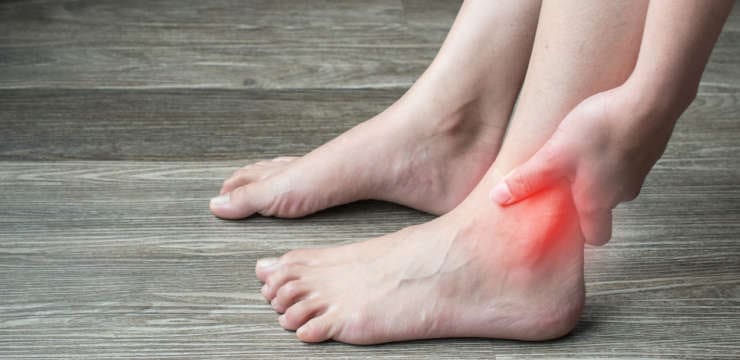
Neuropathy develops when nerves outside the brain and spinal cord become damaged or overly sensitive. Common contributors include blood-sugar imbalances, low nutrient levels, autoimmune activity, past injuries, chemotherapy, or chronic inflammation. People often notice burning, tingling, numbness, weakness, or changes in balance, especially in the hands and feet. These symptoms can drain energy, disrupt sleep, and make simple activities harder.
A functional approach looks beyond the symptoms to the underlying factors that stress the nervous system. Blood flow, nutrient status, mechanical pressure from the spine and joints, inflammation, and daily lifestyle habits all play roles. Identifying these factors helps create a more complete plan focused on comfort, energy, and sustainable function rather than short-term fixes alone.
How IV Infusion Therapy Can Support Certain Forms of Neuropathy
IV infusion therapy delivers fluids, vitamins, minerals, or specific medications directly into the bloodstream. This method allows rapid absorption and higher concentrations than oral supplements sometimes provide. When matched to the root cause, certain IV treatments can temporarily ease nerve-related discomfort.
IVIG for Immune-Mediated Neuropathies: In cases where the immune system targets the nerves—such as chronic inflammatory demyelinating polyneuropathy (CIDP) or Guillain-Barré syndrome—intravenous immunoglobulin (IVIG) may be used. IVIG supplies concentrated antibodies from healthy donors. These antibodies help calm the immune response, reduce inflammation around the nerves, and can improve strength and comfort for selected patients. Sessions are given under medical supervision and may be repeated based on individual response. IVIG supports function; it does not fully reverse established nerve damage (CSP Rx, n.d.).
Lidocaine and Ketamine Infusions to Quiet Persistent Pain Signals: Lidocaine blocks sodium channels on nerve cells. When given by IV, it can reduce the intensity of overactive pain signals for hours to weeks in some people. Research shows short-term benefit for certain neuropathic conditions, including post-herpetic neuralgia and some chemotherapy-related neuropathies (Kim et al., 2018; Orthopedic Reviews, 2021).
Ketamine
Ketamine works mainly by blocking NMDA receptors. It can interrupt the cycle in which the nervous system becomes overly sensitive to pain. Some protocols combine low-dose ketamine with lidocaine, so the quicker quieting effect of lidocaine is followed by a longer modulation of pain pathways (Charlotte Ketamine Center, n.d.). Both require careful screening and monitoring by qualified clinicians.
Nutrient Support Delivered by IV: Many individuals with neuropathy also show low levels of B vitamins, magnesium, or antioxidants such as alpha-lipoic acid. Vitamin B12 helps maintain the protective covering around nerves. Magnesium supports calmer nerve signaling. Alpha-lipoic acid acts as an antioxidant that may reduce oxidative stress linked to certain forms of neuropathy. Custom or Myers’-style IV formulas deliver these nutrients directly, supporting cellular energy and nerve comfort as part of a larger plan (Purely IV, n.d.; Pain Relief Centers TX, n.d.).
These infusions can temporarily block pain signals or fill nutritional gaps. They do not cure the underlying nerve injury.
How Integrative Chiropractic Care Fits into the Plan
Integrative chiropractic care addresses the mechanical side of nerve stress. Restricted joints in the spine or extremities can create ongoing pressure or reduce healthy circulation to peripheral nerves. Gentle adjustments, mobilization, soft-tissue work, and guided movement help restore better joint motion and reduce physical irritation.
By improving mobility and decreasing mechanical load on the nervous system, chiropractic techniques often support better balance, less stiffness, and greater ease with daily activities. This approach does not reverse primary nerve damage, yet it creates a more favorable environment for the nerves that remain functional (Pain and Wellness Institute, n.d.; Madisonville KY Chiropractor, n.d.).
Combining IV Infusion Therapy with Integrative Care
When IV infusions and integrative chiropractic care are used together under proper guidance, they address different layers of the same challenge. Nutrient or medication infusions can temporarily quiet pain signals and correct measurable shortages. Chiropractic techniques reduce mechanical pressure and improve movement, making activity itself more comfortable.
Many people notice improved daily comfort, steadier energy, and better tolerance for progressive exercise or lifestyle changes. The combination helps manage symptoms and supports function. It does not claim to repair the original nerve damage. Results build gradually and work best when paired with nutrition, stress management, sleep support, and consistent coaching-style follow-through (LI Chiro PT, 2024; Dr. Alex Jimenez, n.d.).
Multidisciplinary Support at the Health Coach Clinic in El Paso
At the practice linked to healthcoach.clinic, care is coordinated through a multidisciplinary team. Dr. Maria Guadalupe Cardenas, MD, Board Certified in Internal Medicine (NPI #1164426749, Texas MD License #J2933), brings more than 40 years of experience as an internist. She serves as Medical Director and Collaborative Physician, providing medical oversight, diagnostic clarity, and safety guidance for complex cases.
Dr. Alexander Jimenez, DC, APRN, FNP-BC, CCST, CFMP, IFMCP, ATN, leads the integrative clinical work, including chiropractic care, functional medicine principles, and health-coaching support. The team blends medical direction from Dr. Cardenas with chiropractic methods, functional nutrition strategies, personal injury evaluation when relevant, rehabilitation, and lifestyle coaching. This structure is common in modern integrative clinics. Medical governance ensures safety while the chiropractic and coaching elements focus on biomechanics, root-cause factors, and sustainable daily habits. Together they create personalized plans aimed at better comfort, energy, and long-term function.
Clinical Observations from Dr. Alexander Jimenez
Dr. Jimenez has observed that patients with nerve-related symptoms often make the most progress when mechanical factors, nutrient status, and lifestyle patterns are addressed at the same time. Restoring better joint motion can reduce secondary irritation and improve the quality of nerve signaling. When appropriate IV nutrient support is added under medical direction, many people report steadier energy and less intensity of burning or tingling during daily activities.
He emphasizes thorough evaluation, clear education, and realistic goals: the focus remains on measurable symptom management and improved function rather than complete reversal of established nerve injury. These observations align with the dual-scope, coaching-supported model used at the practice (Dr. Alex Jimenez, n.d.; LinkedIn profile of Dr. Alexander Jimenez).
Building a Sustainable Path Forward
Neuropathy and nerve pain benefit from individualized, root-cause-oriented care. IV infusions such as IVIG, lidocaine, ketamine, or targeted nutrient formulas can interrupt pain signals or correct shortages for selected people. Integrative chiropractic care can ease mechanical pressure and support better mobility. Used together under medical and chiropractic guidance, and reinforced with coaching support for nutrition and lifestyle, they offer a practical way to improve daily comfort and function.
Anyone exploring these options should begin with a thorough evaluation. Progress is usually gradual and strongest when the plan includes consistent habits around food, movement, sleep, and stress. In El Paso, the collaborative team at the Health Coach Clinic—guided by Dr. Maria Guadalupe Cardenas, MD, as Medical Director, and Dr. Alexander Jimenez, who provides integrative and coaching-oriented care—applies this whole-person model to help patients move toward greater comfort and capability.
References
Charlotte Ketamine Center. (n.d.). Can combined IV treatment help with neuropathic pain?
CSP Rx. (n.d.). IVIG treatment for neuropathy
Dr. Alex Jimenez. (n.d.). Chiropractic care: A holistic approach combined with IV therapy
Kim, Y. C., et al. (2018). Role of intravenous lidocaine infusion in the treatment of peripheral neuropathy. PMC. pmc.ncbi.nlm.nih.gov/articles/PMC8567794/
LI Chiro PT. (2024). Unlocking wellness: The synergy of IV therapy and chiropractic care
Madisonville KY Chiropractor. (n.d.). How chiropractic care offers relief from peripheral neuropathy
Orthopedic Reviews. (2021). Role of intravenous lidocaine infusion in the treatment of peripheral neuropathy
Pain and Wellness Institute. (n.d.). Can chiropractic care help my neuropathy?
Pain Relief Centers TX. (n.d.). Boost your health and energy levels with IV therapy
PubMed. (2022). Infusion therapy in the treatment of neuropathic pain
Purely IV. (n.d.). IV therapy for neuropathy
Van Den Heuvel, S. A. S., et al. (2017). Intravenous lidocaine for chemotherapy-induced peripheral neuropathy. Related findings summarized in Orthopedic Reviews and PMC sources above.
What's your reaction?