Table of Contents
Revolutionizing Sports Injury Care: The Power of Telemedicine with Integrated Chiropractor and Nurse Practitioner Support
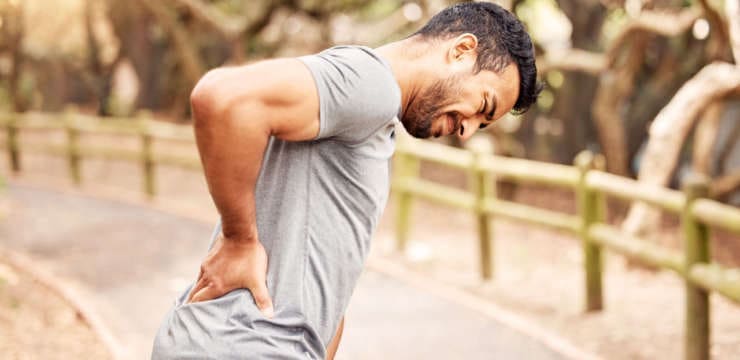
Sports injuries can happen to anyone who stays active, from weekend warriors to professional athletes. These injuries might include sprains, strains, concussions, or back problems. In the past, getting help meant rushing to a doctor’s office or emergency room. But now, telemedicine changes that. It uses video calls and online tools to connect patients with healthcare providers from anywhere. This article explores how teaming up a chiropractor and a nurse practitioner through telemedicine can make a big difference. They work together on virtual exams, treatment plans, care coordination, and home recovery. This approach offers quick help, covers both medical and body movement issues, and fits into busy lives.
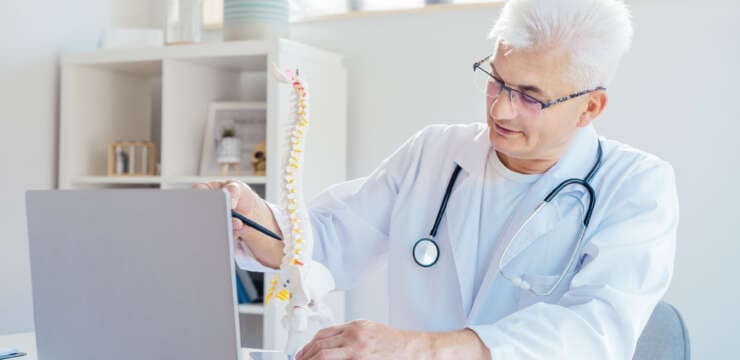
Telemedicine means getting medical care over the internet, like through video chats on your phone or computer. For sports injuries, it allows fast checks without leaving home or the field. This is key when time matters, such as during a game. An integrated team—a nurse practitioner (NP) and a chiropractor—brings different skills to the table. The NP handles the medical side, like taking your health history, ordering tests like X-rays, and prescribing medicines if needed. The chiropractor focuses on how your spine and joints work, guiding you on safe movements to fix problems. Together, they create a comprehensive plan that considers the whole picture, from pain relief to getting back to your sport.
Dr. Alexander Jimenez, a doctor of chiropractic and board-certified family nurse practitioner, shows how this works in real life. With over 30 years of experience, he combines these roles to treat sports injuries. He uses telemedicine to monitor patients, adjust plans, and help them recover without always needing in-person visits. His observations highlight how this setup enables athletes to rebuild strength and avoid future issues by addressing root causes such as poor posture or nutrition.
Understanding Telemedicine for Sports Injuries
Telemedicine isn’t new, but it’s grown significantly, especially in sports. It lets you connect with experts right away, even if you’re far from a clinic. For example, if you twist your ankle while hiking in a remote area, you can video call a provider for advice. This reduces the need for long trips and helps avoid worse problems.
Here are some key ways telemedicine helps with sports injuries:
- Quick Injury Checks: Providers can review your injury via video, ask about symptoms, and decide whether you need additional tests.
- Diagnosis from Afar: Using photos or live video, they spot issues like swelling or limited movement.
- Ongoing Support: Regular virtual meetings track your progress and tweak your plan.
- Access for Everyone: It’s ideal for people in rural areas or traveling for games, reducing travel time.
Studies indicate that telemedicine can address up to 80% of orthopedic issues, such as those from sports, without an in-person visit. This includes conditions such as joint pain or muscle strains. It’s also useful for preventing injuries by giving tips on training or nutrition before problems start.
The Roles of Nurse Practitioners and Chiropractors in Integrated Care
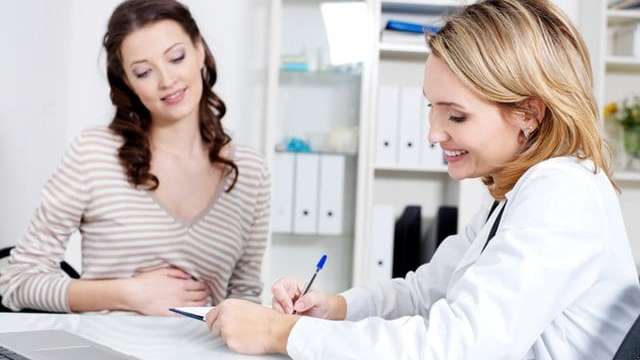
A nurse practitioner is like an advanced nurse who can diagnose illnesses, order tests, and prescribe drugs. In sports injuries, the NP starts by asking about your medical history—things like past injuries, allergies, or how the injury happened. They might request imaging, such as an MRI, to visualize the inside of the body. If pain is severe, they can prescribe medicine to help.
On the other side, a chiropractor specializes in the body’s frame, especially the spine and joints. They help with issues like misaligned bones that cause pain or limit movement. They use telemedicine to guide you through exercises or stretches at home, watching you on video to ensure you’re doing them right.
When these two work together, it’s a two-pronged attack. The NP covers the basics of medical care, while the chiropractor addresses the physical structure. Dr. Jimenez, who serves as both a nurse practitioner and a chiropractor, notes that this combination helps patients recover more quickly. He sees how combining adjustments with medical checks leads to better outcomes, such as a quicker return to sports after a head injury. This integrated approach guarantees comprehensive coverage, addressing both medical needs and body mechanics in a single plan.
Conducting Virtual Exams from a Distance
One big plus of telemedicine is the ability to conduct exams without being in the same room. You use your camera to show the injury, and the provider watches your movements. For instance, they might ask you to walk, bend, or lift your arm to check the range of motion.
In an integrated setup:
- The NP might focus on signs such as swelling or bruising and ask about pain levels.
- The chiropractor could guide you to test joint stability or spine alignment.
- Tools like wearable devices track your heart rate or steps and send the data to them.
This is extra helpful for concussions. Suppose you sustain a head injury during a game. In that case, a brief video call can help assess symptoms such as dizziness or confusion. Providers use tests, like balance checks over video, to decide whether you need rest or more help right away. Dr. Jimenez uses this for sports-related head injuries, observing how it helps spot issues early and start recovery plans from home.
Virtual exams save time and money. No driving to appointments means less stress on the injury. Plus, it’s safe—especially if moving hurts.
Creating Treatment Plans Together
Once the exam is done, the NP and chiropractor team up to make a plan. They talk over video or shared notes, combining their ideas. The plan might include meds from the NP, exercises from the chiropractor, and tips for daily life.
Benefits of this joint planning:
- Covers All Angles: Medical treatment for pain plus adjustments for better movement.
- Personalized to You: Based on your sport, age, and lifestyle.
- Includes Lifestyle Changes: Advice on food, sleep, or stress to speed healing.
- Remote Adjustments: If something isn’t working, make the change during the next video call.
Dr. Jimenez’s clinical work shows that this approach works well for chronic sports-related pain. He integrates nutrition and rehab, using telemedicine to monitor and adjust, helping athletes get back stronger.
This single plan avoids confusion. You don’t bounce between doctors; everything is in one spot.
Coordinating Care for Better Results
Coordination means making sure everyone involved can talk and share information. In telemedicine, the NP and chiropractor use online platforms to update records, chat about progress, and involve other experts, such as a nutritionist, if needed.
For sports injuries, this might mean:
- Sharing X-ray results instantly.
- Planning virtual check-ins together.
- Linking with coaches for a safe return-to-play.
- Adding mental health support if the injury causes stress.
Telemedicine makes this easy, even across states. It reduces errors and speeds recovery. Dr. Jimenez coordinates with teams for injured workers or athletes, using video to keep plans on track.
Supporting Recovery at Home
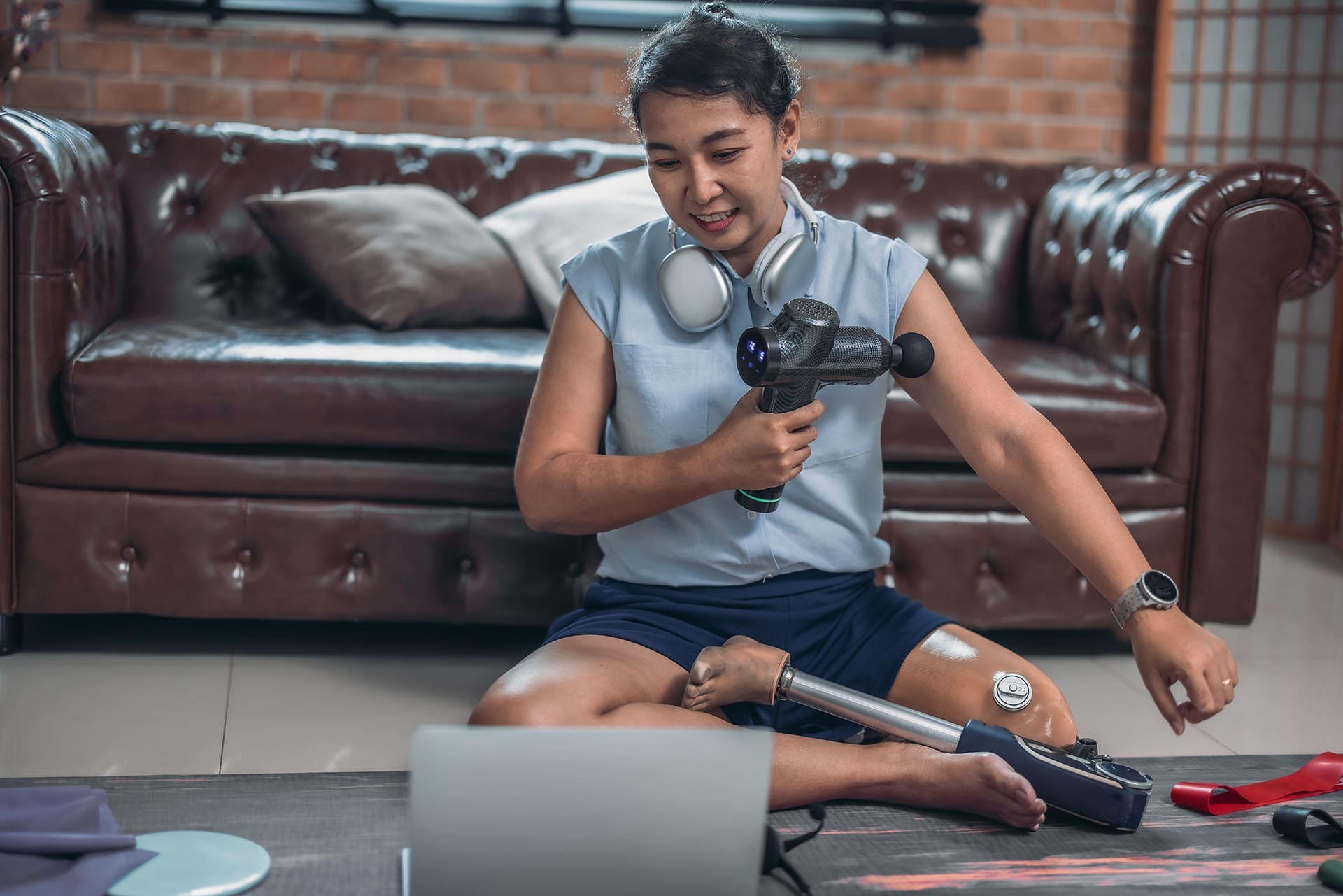
Healing at home is a big part of this approach. You do most of the work yourself, with guidance via video. The chiropractor shows stretches; the NP checks if meds are helping.
Home recovery perks:
- Comfortable Setting: Exercise in your space, using things like chairs for support.
- Flexible Schedule: Fit sessions around work or games.
- Family Involvement: Loved ones can join calls for extra help.
- Monitoring Tools: Apps track progress and alert providers to issues.
For rehab, virtual sessions guide physical therapy. Studies show this boosts access and cuts costs, especially for remote areas. Dr. Jimenez uses wearables to monitor recovery, adjusting for things like sleep after brain injuries.
Quick Evaluations and Diagnosis via Telemedicine
Speed is crucial in sports injuries. Telemedicine allows instant checks, enabling early problem spotting. For concussions, video tests assess balance and thinking, helping prevent further damage.
This is vital during games. A quick call can decide if you play on or rest. It also helps in remote spots, like away matches.
Lifestyle and Exercise Guidance from Afar
Beyond fixing the injury, providers give remote tips on life changes. This includes exercise plans to build strength or food advice for healing.
Examples:
- Virtual nutrition chats for better energy.
- Guided workouts over video to avoid re-injury.
- Mental health check-ins for motivation.
Dr. Jimenez stresses diet and posture in his plans, using telemedicine for ongoing advice.
A Unified Plan for Medical and Musculoskeletal Needs
The two-pronged method covers everything. The medical approach addresses symptoms, while the musculoskeletal approach focuses on structure. This leads to faster, fuller recovery.
It helps with ongoing support, like mental health or nutrition, making you healthier overall.
Handling Concussions with Telemedicine
Concussions need fast action. Telemedicine lets providers check symptoms remotely, using tools such as video-based eye tests. This is key if you’re on the road.
Programs in some states use apps to obtain quick specialist input, reducing risk. Dr. Jimenez treats sports head injuries this way, integrating rest and rehab.
Individualized Rehabilitation Plans and Virtual Check-Ins
Rehab plans are made just for you, with video follow-ups to see progress. This includes exercises for strength or balance.
Check-ins keep you on track and help you adjust as needed. It’s like having a coach at home.
Ongoing Assistance: Nutrition, Mental Health, and More
Telemedicine offers extras like nutrition tips for recovery or mental support for frustration. This holistic help speeds healing.
For athletes, it means staying compliant with plans remotely.
Cutting Down on Travel and Unnecessary ER Visits
No more long drives to doctors. This saves time, money, and stress, especially for remote or traveling folks.
It also avoids ER visits for minor issues by using virtual checks instead. This can save thousands in costs.
In trauma-like sports injuries, telemedicine stabilizes things fast, as seen in rural care models.
Telemedicine with an integrated chiropractor and NP team transforms sports injury care. It offers fast, complete help from home, backed by experts like Dr. Jimenez. As tech improves, this will become even more common, helping more people stay active safely.
References
Telehealth in Sports Nursing: Revolutionizing Injury Management and Athlete Care
The Role of Telehealth in Sideline Management of Sports-Related Injuries
Five Ways Telehealth Helps Sports Doctors Improve Their Practice
How Can Telehealth Help the Orthopedic Practice?
Telemedicine Programs Provide Latest in Risk Minimization
The Power of Telemedicine in Athlete Health Care
Telehealth Physiotherapy for Sports Injuries
The Benefits of Telehealth Physical Therapy
Injury Specialists – Dr. Alex Jimenez
Dr. Alexander Jimenez, DC, APRN, FNP-BC, IFMCP, CFMP, ATN ? – LinkedIn
Disclaimers
Professional Scope of Practice *
The information herein on "Sports Injury Care Telemedicine: Benefits for Patients" is not intended to replace a one-on-one relationship with a qualified health care professional or licensed physician and is not medical advice. We encourage you to make healthcare decisions based on your research and partnership with a qualified healthcare professional.
Blog Information & Scope Discussions
Welcome to El Paso's wellness blog, where Dr. Alex Jimenez, DC, FNP-C, a board-certified Family Practice Nurse Practitioner (FNP-C) and Chiropractor (DC), presents insights on how our team is dedicated to holistic healing and personalized care. Our practice aligns with evidence-based treatment protocols inspired by integrative medicine principles, similar to those found on dralexjimenez.com, focusing on restoring health naturally for patients of all ages.
Our areas of chiropractic practice include Wellness & Nutrition, Chronic Pain, Personal Injury, Auto Accident Care, Work Injuries, Back Injury, Low Back Pain, Neck Pain, Migraine Headaches, Sports Injuries, Severe Sciatica, Scoliosis, Complex Herniated Discs, Fibromyalgia, Chronic Pain, Complex Injuries, Stress Management, Functional Medicine Treatments, and in-scope care protocols.
Our information scope is limited to chiropractic, musculoskeletal, physical medicine, wellness, contributing etiological viscerosomatic disturbances within clinical presentations, associated somato-visceral reflex clinical dynamics, subluxation complexes, sensitive health issues, and functional medicine articles, topics, and discussions.
We provide and present clinical collaboration with specialists from various disciplines. Each specialist is governed by their professional scope of practice and their jurisdiction of licensure. We use functional health & wellness protocols to treat and support care for the injuries or disorders of the musculoskeletal system.
Our videos, posts, topics, subjects, and insights cover clinical matters, issues, and topics that relate to and directly or indirectly support our clinical scope of practice.*
Our office has reasonably attempted to provide supportive citations and has identified the relevant research studies or studies supporting our posts. We provide copies of supporting research studies available to regulatory boards and the public upon request.
We understand that we cover matters that require an additional explanation of how they may assist in a particular care plan or treatment protocol; therefore, to discuss the subject matter above further, please feel free to ask Dr. Alex Jimenez, DC, APRN, FNP-BC, or contact us at 915-850-0900.
We are here to help you and your family.
Blessings
Dr. Alex Jimenez DC, MSACP, APRN, FNP-BC*, CCST, IFMCP, CFMP, ATN
email: coach@elpasofunctionalmedicine.com
Licensed as a Doctor of Chiropractic (DC) in Texas & New Mexico*
Texas DC License # TX5807
New Mexico DC License # NM-DC2182
Licensed as a Registered Nurse (RN*) in Texas & Multistate
Texas RN License # 1191402
ANCC FNP-BC: Board Certified Nurse Practitioner*
Compact Status: Multi-State License: Authorized to Practice in 40 States*
Graduate with Honors: ICHS: MSN-FNP (Family Nurse Practitioner Program)
Degree Granted. Master's in Family Practice MSN Diploma (Cum Laude)
Dr. Alex Jimenez, DC, APRN, FNP-BC*, CFMP, IFMCP, ATN, CCST
My Digital Business Card
What's your reaction?