Protein deficiency, or hypoproteinemia, is when the body has lower-than-normal protein levels. Protein is an essential nutrient in bones, muscles, skin, hair, and nails, and maintains bone and muscle strength. The body does not store protein, so it is needed daily. It helps make hemoglobin, which carries oxygen throughout the body, and chemical enzymes, which cause reactions that maintain organ function. A lack of enough protein can cause problems like muscle loss, fatigue, a weakened immune system, and chronic pain. Injury Medical Chiropractic and Functional Medicine Clinic can provide nutritional guidance and develop a personalized nutrition plan to restore musculoskeletal health and function.
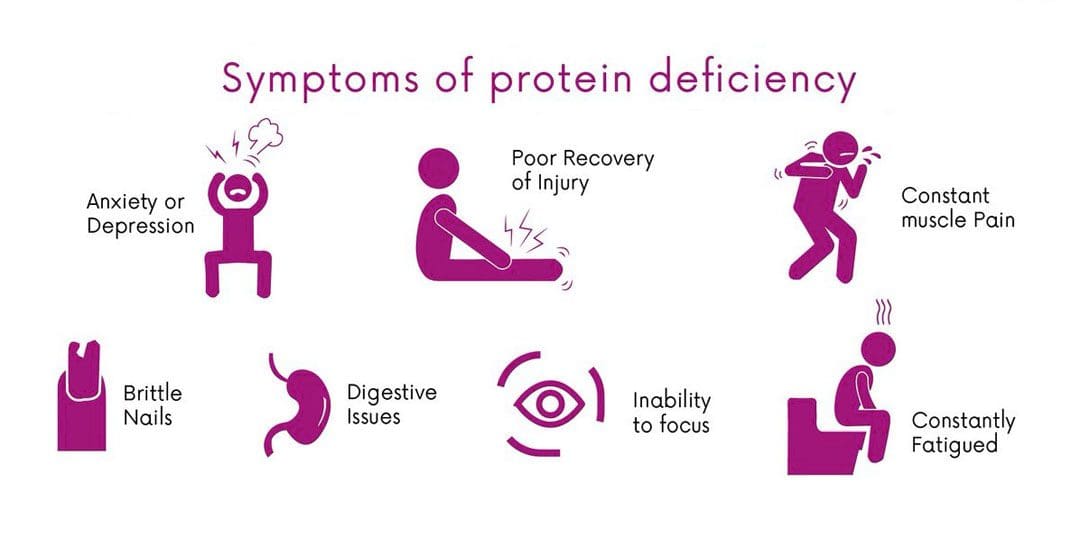
Table of Contents
Protein Deficiency
When digested, protein breaks down into amino acids that help the body’s tissues function and grow. Individuals can become deficient if their bodies can’t effectively digest and absorb the proteins within the foods they eat.
Symptoms
When the body doesn’t meet the required protein amounts or can’t absorb protein efficiently, it can lead to symptoms, including:
- Chronic fatigue.
- Increased infections and illnesses.
- Reduced muscle mass.
- Loss of muscle mass.
- Slower injury healing times.
- Sarcopenia in older individuals.
- Swelling in the legs, face, and other areas from fluid buildup.
- Dry, brittle hair that falls out.
- Cracked, pitted nails.
- High blood pressure during the second trimester of pregnancy/preeclampsia.
Causes
Protein deficiency can have various causes, depending on the individual case. Certain medical conditions include:
- Malnutrition or undereating – an individual does not eat enough calories or avoids certain food groups.
- Anorexia nervosa.
- Inflammatory bowel disease.
- Gastrointestinal disorders.
- Kidney problems.
- Liver disorders.
- Celiac disease.
- Chronic obstructive pulmonary disease.
- Cancer.
- Acquired immune deficiency syndrome.
Increase Protein Intake
Adequate protein intake is essential to maintain healthy amino acid levels to support cell structure and function. The requirement differs for everybody based on age, sex, and physical activity levels. Protein is available in a wide variety of animal and plant foods. Recommended nutritious protein sources for optimal health and fitness include foods such as:
- Beans and legumes
- Oats
- Eggs
- Cheese
- Lean beef, chicken, turkey, and pork
- Seafood
- Seeds
- Nuts
- Various kinds of nut butter
- Greek yogurt
- Quinoa
- Tofu
Protein is essential for all cells and body tissue and can impair body function in short supply. Although diet-related protein deficiency is rare in the United States, certain medical conditions can increase the risk. Adding protein to a diet is simple and can be achieved by incorporating various foods from either plant or animal sources.
Clinical Implementation of Functional Nutrition
References
Bauer, Juergen M, and Rebecca Diekmann. “Protein and Older Persons.” Clinics in geriatric medicine vol. 31,3 (2015): 327-38. doi:10.1016/j.cger.2015.04.002
Brock, J F. “Protein deficiency in adults.” Progress in food & nutrition science vol. 1,6 (1975): 359-70.
Deutz, Nicolaas E P, et al. “Protein intake and exercise for optimal muscle function with aging: recommendations from the ESPEN Expert Group.” Clinical nutrition (Edinburgh, Scotland) vol. 33,6 (2014): 929-36. doi:10.1016/j.clnu.2014.04.007
Hypoproteinemia MedGen UID: 581229 Concept ID: C0392692 Finding www.ncbi.nlm.nih.gov/medgen/581229#:~:text=Definition,of%20protein%20in%20the%20blood.%20%5B
Paddon-Jones, Douglas, and Blake B Rasmussen. “Dietary protein recommendations and the prevention of sarcopenia.” Current Opinion in clinical nutrition and metabolic care vol. 12,1 (2009): 86-90. doi:10.1097/MCO.0b013e32831cef8b
Pappova, E et al. “Acute hypoproteinemic fluid overload: its determinants, distribution, and treatment with concentrated albumin and diuretics.” Vox sanguinis vol. 33,5 (1977): 307-17. doi:10.1111/j.1423-0410.1977.tb04481.x
What's your reaction?