Power is the combination of strength and speed over time. Strength is how much force an individual can exert. Power is how fast an individual can exert force. Strength training for power, aka power training, is being able to exert a certain amount of force in a given time. Power can be built with weight training. However, power strength training is not just for weightlifters. Many athletes like football, basketball, and volleyball players, sprinters, dancers, and wrestlers build strength to increase power, improve explosiveness, increase their vertical leap/jump, and give their bodies a break from heavy weight training.
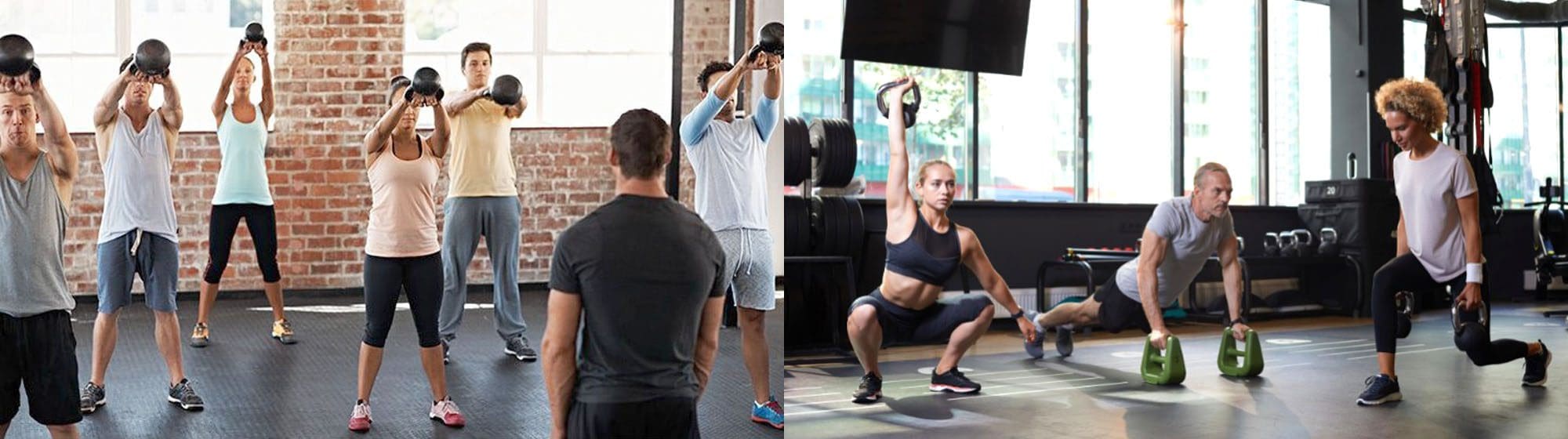
Table of Contents
Power Strength Training
Building strength is one factor, but becoming powerful requires another element in training. Biologically, individuals train the muscles to elongate and contract fast so the body can perform a certain set of movements.
Benefits
The benefits of power strength training.
Promotes Active Body Rest
- Power training gives the mind and body a break from heavy training.
- Provides the tendons, joints, and central nervous system a rest.
- Offers a fun and healthy change with jumping, throwing, swinging, etc.
Reduces Risk of Knee Injury
Training helps improve:
- Hip strength.
- Landing biomechanics.
- Helps reduce the risk of a knee injury.
- Helps strengthen the muscles above the knee.
- A study found individuals with knee osteoarthritis that participated in high-intensity strength training, compared with low-intensity, had a reduction in knee pain symptoms.
Improves Vertical Jump
- Vertical jump or leap is how high an individual can jump and is a common parameter for assessing athletic ability.
- It is an integral part of movement training programs to improve sports performance.
- Research has shown that power strength and jump training can improve jump height.
Training Program
Before starting any exercise program, it is recommended to talk with a doctor. Key components to focus on when training for power.
Frequency
- Starting with a schedule of 3-4 times a week is recommended by the American College of Sports Medicine.
- Going above this frequency can be intense on the body and central nervous system.
- Limiting sessions to a few times a week gives the body time to recover.
Equipment
- Because power training involves a combination of increasing force and speed, using the right equipment that allows both is important. However, there are ways to improve without equipment.
- For practicing jumps, increase the force by increasing the distance using a taller box.
- For practicing push-ups on the floor, increase the force by pushing with more power so the hands come off the ground.
- To improve power by increasing speed, exercises can be performed faster or with decreased rest between sets.
Weight
- The weight depends on an individual’s one-rep max or the heaviest weight that can be lifted in a single repetition.
- This is essentially an individual’s record for whatever type of weightlifting is being done.
- Power training movement options: Plyometrics, Ballistic, or Dynamic.
- Plyometrics includes activities like squats or jump lunges, common with football and basketball players.
- Ballistic training includes activities like a back squat for football or soccer players.
- Dynamic training works for sports-specific training motions like golf swinging or tennis serving.
Nutrition
Whether cardio or strength training, adequate caloric intake is important regardless of workout type, this means having a healthy balance of the three macronutrients: carbohydrates, fat, and protein.
- Carbohydrates could be the most important, as research has shown that high-intensity exercise like power training improves when eating carbohydrates before, during, and after the workout.
- Fat is necessary, and a daily intake below 20% of calorie intake can decrease the absorption of various essential nutrients.
- It is recommended to consume 1.2-1.7 grams of protein per kilogram of individual body weight.
As with any exercise, training takes time, and it’s important to gradually progress only when the body is prepared. Incorporating the elements of a healthy lifestyle includes a balanced, nutrient-rich diet and proper sleep and rest days. This will help get the most benefits and prevent injuries.
Improving Athletic Performance Through Chiropractic
References
Balachandran, Anoop T et al. “Comparison of Power Training vs. Traditional Strength Training on Physical Function in Older Adults: A Systematic Review and Meta-analysis.” JAMA Network Open vol. 5,5 e2211623. 2 May. 2022, doi:10.1001/jamanetworkopen.2022.11623
Maestroni, Luca, et al. “Strength and Power Training in Rehabilitation: Underpinning Principles and Practical Strategies to Return Athletes to High Performance.” Sports medicine (Auckland, N.Z.) vol. 50,2 (2020): 239-252. doi:10.1007/s40279-019-01195-6
Marián, Vanderka, et al. “Improved Maximum Strength, Vertical Jump and Sprint Performance after 8 Weeks of Jump Squat Training with Individualized Loads.” Journal of sports science & Medicine vol. 15,3 492-500. 5 Aug. 2016
Peebles, Alexander T et al. “Landing biomechanics deficits in anterior cruciate ligament reconstruction patients can be assessed in a non-laboratory setting.” Journal of orthopedic research: official publication of the Orthopaedic Research Society vol. 40,1 (2022): 150-158. doi:10.1002/jor.25039
Suchomel, Timothy J et al. “The Importance of Muscular Strength: Training Considerations.” Sports medicine (Auckland, N.Z.) vol. 48,4 (2018): 765-785. doi:10.1007/s40279-018-0862-z
Wesley, Caroline A et al. “Lower Extremity Landing Biomechanics in Both Sexes After a Functional Exercise Protocol.” Journal of athletic training vol. 50,9 (2015): 914-20. doi:10.4085/1062-6050-50.8.03
Westcott, Wayne L. “Resistance training is medicine: effects of strength training on health.” Current sports medicine reports vol. 11,4 (2012): 209-16. doi:10.1249/JSR.0b013e31825dabb8
What's your reaction?