
Table of Contents
The Hidden Dangers of Skipping Stretching: How Muscle Stiffness Affects Your Body and How Experts Can Help
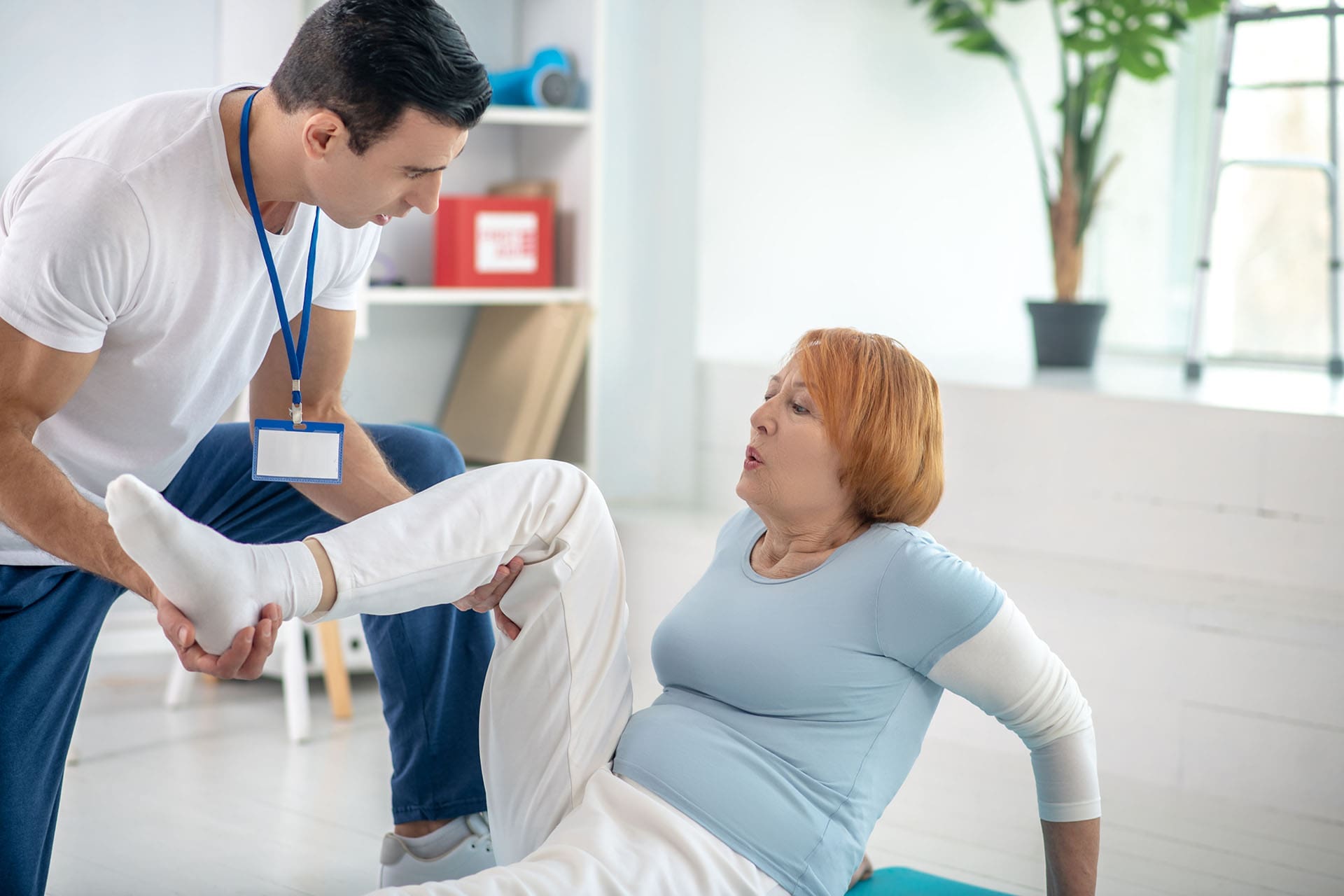
Many people skip stretching in their daily routines. They might think it’s not important. But not stretching can lead to big problems. Muscles can become short and stiff. This makes moving harder. It can reduce flexibility and increase the risk of injury. Daily tasks like bending or reaching become tough. Over time, this stiffness can lead to lasting pain. Luckily, experts like chiropractors and nurse practitioners can work together to address these issues. They use a whole-body approach to help people move better and feel at ease.
This article looks at why stretching matters. It explains what happens when you don’t stretch. It also covers how integrative care from chiropractors and nurse practitioners can help. Based on expert views, including those from Dr. Alexander Jimenez, a doctor with skills in chiropractic and nursing, we’ll see how these methods work.
What Happens When You Don’t Stretch Regularly?
Muscles need regular movement to stay healthy. Without stretching, they can tighten up. This is common in people who sit a lot or don’t exercise much. Tight muscles feel stiff. They don’t work as well. This can make simple moves hard.
- Shortened Muscles: When muscles aren’t stretched, they get shorter over time. This happens because they adapt to poor postures, like slouching at a desk. Short muscles limit how far you can move (Koyo Wellness, n.d.).
- Stiff and Tight Feeling: Stiffness often comes after exercise or long rest. It feels like tightness and pain. Lack of stretching makes this worse by hindering muscle recovery (Osmosis, n.d.).
- Reduced Flexibility: Flexibility means how well your joints and muscles bend. Without stretching, flexibility drops. This affects sports and daily life, like tying shoes (American Sport and Fitness, n.d.).
Not stretching doesn’t just affect muscles. It impacts the whole body. Joints get less range of motion. This is how far they can move without pain. Poor range makes activities risky.
Studies show that tight muscles weaken. They can’t extend fully. This leads to joint pain and strains (Orthopaedic Associates of Duluth, n.d.). For example, sitting all day tightens hamstrings. These are muscles in the back of your legs. Tight hamstrings make walking or running hurt.
Injury risk goes up, too. Tight muscles tear more easily during sudden moves. This is common in sports or even slipping on ice (Biofit Performance, n.d.). Without stretching, posture suffers. Shoulders round forward. This causes back and neck pain.
Dr. Alexander Jimenez notes that muscle stiffness often starts with core imbalances. Core muscles support your back. If they’re stiff, it leads to poor control and more pain (DrAlexJimenez.com, n.d.). He sees this in patients who ignore stretching.
The Science Behind Muscle Stiffness
Muscles are made of fibers that contract and relax. Stretching helps them elongate. Without it, fibers stay short. This creates knots and spasms (Koyo Wellness, n.d.).
Blood flow is key. Stretching increases blood flow to muscles. This brings nutrients and removes waste. Lack of stretching slows this. Muscles recover more slowly after work or exercise (eCampus Ontario, n.d.).
- After Workouts: Skipping post-workout stretches keeps muscles contracted. This leads to soreness and fatigue (So Fit So Cal, n.d.).
- Daily Life Impact: Stiff muscles make mornings hard. You feel “locked up” after sleep (Essential Chiropractic, n.d.).
- Aging Effects: As you get older, muscles lose elasticity. Not stretching speeds this up. It raises fall risks (American Sport and Fitness, n.d.).
Mayo Clinic experts say stretching improves joint range of motion. It helps muscles work better. Without it, injury risk rises (Mayo Clinic, n.d.). One myth is that muscles don’t shorten without stretching. But evidence shows they do, especially when it comes to poor habits (Adidas, n.d.).
Mobility affects muscle tone, too. Stretching keeps tone balanced. Poor mobility leads to weak muscles and incorrect form in exercises (Aaptiv, n.d.).
Risks and Complications from Lack of Stretching
Not stretching can cause ongoing issues. Pain becomes chronic. This is pain that lasts months.
- Injury Prone: Tight muscles strain easily. This includes tears or tendon issues (Aegis Physical Therapy, n.d.).
- Poor Posture: Stiffness causes the body to be out of alignment. This leads to headaches and back pain.
- Reduced Movement Efficiency: Tasks take more effort. Energy drops (American Sport and Fitness, n.d.).
In severe cases, it affects health conditions. For prediabetes, stretching helps blood flow. Skipping it worsens risks (Lark, n.d.). Dr. Jimenez observes that stiffness is linked to nerve problems. Trigger points in muscles cause widespread pain (DrAlexJimenez.com, n.d.).
Without action, stiffness spreads. It affects spine health. Tight muscles misalign the spine (Eastern Oklahoma Chiropractic, n.d.).
How Integrative Chiropractic Care Helps
Chiropractic care focuses on the spine and nerves. Integrative means it combines methods for whole-body health.
Chiropractors use adjustments. These are gentle pushes to fix alignment. This reduces stiffness (Texas Medical Institute, n.d.). Adjustments improve range of motion. They ease pain without drugs.
- Spinal Adjustments: Fix misalignments. Relieve nerve pressure (Boca Chiropractic, n.d.).
- Soft Tissue Work: Massage tight muscles. This boosts blood flow.
- Exercises: Teach stretches to keep flexibility.
Integrative chiropractors look at lifestyle. They advise on diet and stress. This prevents stiffness (Impastato Chiropractic, n.d.). For example, full-body adjustments help with back pain. They enhance mobility (Recovery Chiromed, n.d.).
Dr. Jimenez uses integrative methods. He combines adjustments with nutrition. This addresses root causes such as inflammation (LinkedIn, n.d.). His patients see better mobility.
Techniques vary. Some use tools for gentle force (Work Partners MD, n.d.). Others focus on joints to reduce “locked” feelings (Advanced Spine, n.d.).
Daily habits matter. Chiropractors suggest routines like walking. This keeps spines happy (Altitude Health, n.d.).
The Role of Nurse Practitioners in Musculoskeletal Care
Nurse practitioners (NPs) are advanced nurses. They diagnose and treat issues. For muscle problems, they assess and plan care.
NPs do exams. They order tests. They prescribe pain meds (Healthgrades, n.d.). They teach self-care, like stretches.
- Diagnosis: Check history and symptoms. Use skills for common conditions (ScienceDirect, n.d.).
- Treatment Plans: Make plans based on life factors. Include therapy referrals (Rockhurst University, n.d.).
- Holistic View: Look at the whole person. Manage chronic pain (121 Wellness, n.d.).
NPs work in teams. They collaborate with chiropractors. This is integrative care (Innerve8 Medical, n.d.). In fields like urology, they handle complex cases. But skills apply to muscles too (UroToday, n.d.).
Dr. Jimenez, as an NP too, uses this in his practice. He assesses nerves and metabolism. This helps stiffness (DrAlexJimenez.com, n.d.).
A Team Approach: Chiropractors and NPs Together
Integrative care means working as a team. Chiropractors fix alignment. NPs handle meds and plans. Together, they address stiffness fully.
For example, a chiropractor adjusts the spine. An NP checks for other issues, like diet. This leads to better results (Amersham Chiropractic, n.d.).
- Assessments: Both do thorough checks. Chiropractors test strength (Atlas Chiropractic, n.d.). NPs focus on history (American Nurses Association, n.d.).
- Treatments: Combine adjustments with advice. Add stretches (Springhill Premier Chiro, n.d.).
- Long-Term Help: Prevent problems. Teach habits for life.
For stiff necks, chiropractors diagnose roots. They use adjustments (UCC Near Me, n.d.). NPs add pain management.
Holistic methods include diet. Anti-inflammatory foods help (Ayurvaid, n.d.). Dr. Jimenez stresses this. He uses functional medicine for lasting relief (LinkedIn, n.d.).
Simple Ways to Start Stretching
Don’t wait for problems. Start stretching now. Easy ones help daily.
- Neck Tilt: Tilt head to shoulder. Hold for 30 seconds. Switch sides (Lark, n.d.).
- Hamstring Stretch: Sit and reach for toes. Hold gently.
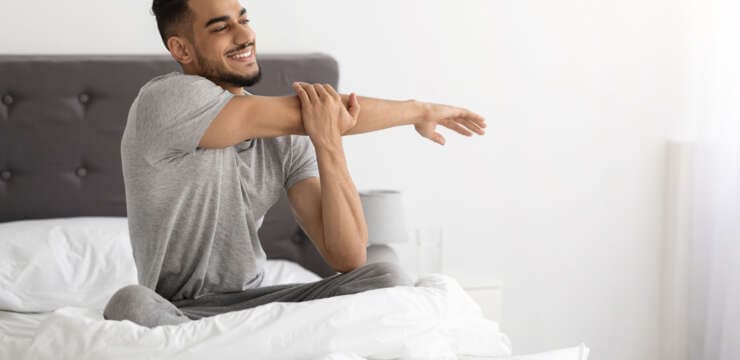
- Shoulder Pull: Pull the arm across the chest.
Do these daily. Warm up first. Avoid pain (Trinity Advanced Health, n.d.).
Conclusion
Skipping stretching leads to stiff muscles and less movement. It raises injury risks and causes pain. But help is available. Integrative chiropractic and NP care resolve these issues. They use adjustments, plans, and teamwork. Dr. Jimenez shows how this holistic way works. Start stretching today. See experts if needed. Your body will thank you.
References
- Adidas. (n.d.). The 3 biggest myths about stretching. Adidas.
- Aegis Physical Therapy. (n.d.). Add stretching to your daily routine to improve your health. Aegis Physical Therapy.
- Altitude Health. (n.d.). Healthy habits, happy spine: How your routine affects spinal health. Altitude Health.
- American Nurses Association. (n.d.). Advanced practice registered nurses (APRN). American Nurses Association.
- American Sport and Fitness. (n.d.). The importance of flexibility and function in daily life. American Sport and Fitness.
- American Sport and Fitness. (n.d.). Key benefits of range of motion exercises for your health. American Sport and Fitness.
- Aaptiv. (n.d.). Here’s how different methods of mobility affect your muscle tone. Aaptiv.
- Advanced Spine. (n.d.). Can a chiropractor help with range of motion? Advanced Spine & Rehab.
- Amersham Chiropractic. (n.d.). The art of chiropractic: A guide to diverse techniques. Amersham Chiropractic.
- Atlas Chiropractic. (n.d.). Help for pinched nerves. Atlas Chiropractic.
- Ayurvaid. (n.d.). Muscle stiffness. Ayurvaid.
- Biofit Performance. (n.d.). The good, the bad, and the ugly side of stretching. Biofit Performance.
- Boca Chiropractic. (n.d.). What is a chiropractic spine adjustment and its potential benefits? Boca Chiropractic Spine & Wellness.
- DrAlexJimenez.com. (n.d.). Injury specialists. DrAlexJimenez.com.
- Eastern Oklahoma Chiropractic. (n.d.). Stretch for a healthy spine & lifelong mobility. Eastern Oklahoma Chiropractic.
- eCampus Ontario. (n.d.). Benefits of flexibility and stretching. eCampus Ontario.
- Essential Chiropractic. (n.d.). Morning stiffness explained: What it means and how chiropractic can help. Essential Chiropractic.
- Healthgrades. (n.d.). Treatments a nurse practitioner can provide. Healthgrades.
- Impastato Chiropractic. (n.d.). Unlocking optimal health: The benefits of choosing an integrative chiropractor. Impastato Chiropractic.
- Innerve8 Medical. (n.d.). Regenerative care in Alexandria, VA. Innerve8 Medical.
- Koyo Wellness. (n.d.). Stretched for time and no time to stretch? Koyo Wellness.
- Lark. (n.d.). Easy stretches to do every day when you have prediabetes. Lark Health Blog.
- LinkedIn. (n.d.). Dr. Alexander Jimenez DC, APRN, FNP-BC, IFMCP, CFMP, ATN ?. LinkedIn.
- Mayo Clinic. (n.d.). Stretching is not a warm up! Find out why. Mayo Clinic.
- Orthopaedic Associates of Duluth. (n.d.). The role of stretching and flexibility exercises. Orthopaedic Associates of Duluth.
- Osmosis. (n.d.). Muscle stiffness: What is it, causes, treatment, and more. Osmosis.
- 121 Wellness. (n.d.). Can chronic pain be managed? A nurse practitioner’s role. 121 Wellness.
- Recovery Chiromed. (n.d.). Full body chiropractic adjustment for back pain relief: What you need to know. Recovery Chiromed.
- Rockhurst University. (n.d.). 10 essential nurse practitioner skills. Rockhurst University.
- ScienceDirect. (n.d.). New models for the delivery of musculoskeletal care in rural communities. ScienceDirect.
- So Fit So Cal. (n.d.). What happens to your body if you don’t stretch post workout? So Fit So Cal.
- Springhill Premier Chiro. (n.d.). How to prepare for your first adjustment. Springhill Premier Chiro.
- Texas Medical Institute. (n.d.). The power of chiropractic adjustments. Texas Medical Institute.
- Trinity Advanced Health. (n.d.). Chiropractic adjustments for better mobility. Trinity Advanced Health.
- UCC Near Me. (n.d.). Chiropractic care for stiff neck: What to expect and how it helps. UCC Near Me.
- UroToday. (n.d.). Nurse practitioners and physician assistants: The future of urology. UroToday.
- Work Partners MD. (n.d.). Chiropractic adjustments for joint health: Enhancing mobility and function. Work Partners MD.
Disclaimers
Professional Scope of Practice *
The information herein on "Hidden Dangers of Skipping Stretching and Injury Risks" is not intended to replace a one-on-one relationship with a qualified health care professional or licensed physician and is not medical advice. We encourage you to make healthcare decisions based on your research and partnership with a qualified healthcare professional.
Blog Information & Scope Discussions
Welcome to El Paso's wellness blog, where Dr. Alex Jimenez, DC, FNP-C, a board-certified Family Practice Nurse Practitioner (FNP-C) and Chiropractor (DC), presents insights on how our team is dedicated to holistic healing and personalized care. Our practice aligns with evidence-based treatment protocols inspired by integrative medicine principles, similar to those found on dralexjimenez.com, focusing on restoring health naturally for patients of all ages.
Our areas of chiropractic practice include Wellness & Nutrition, Chronic Pain, Personal Injury, Auto Accident Care, Work Injuries, Back Injury, Low Back Pain, Neck Pain, Migraine Headaches, Sports Injuries, Severe Sciatica, Scoliosis, Complex Herniated Discs, Fibromyalgia, Chronic Pain, Complex Injuries, Stress Management, Functional Medicine Treatments, and in-scope care protocols.
Our information scope is limited to chiropractic, musculoskeletal, physical medicine, wellness, contributing etiological viscerosomatic disturbances within clinical presentations, associated somato-visceral reflex clinical dynamics, subluxation complexes, sensitive health issues, and functional medicine articles, topics, and discussions.
We provide and present clinical collaboration with specialists from various disciplines. Each specialist is governed by their professional scope of practice and their jurisdiction of licensure. We use functional health & wellness protocols to treat and support care for the injuries or disorders of the musculoskeletal system.
Our videos, posts, topics, subjects, and insights cover clinical matters, issues, and topics that relate to and directly or indirectly support our clinical scope of practice.*
Our office has reasonably attempted to provide supportive citations and has identified the relevant research studies or studies supporting our posts. We provide copies of supporting research studies available to regulatory boards and the public upon request.
We understand that we cover matters that require an additional explanation of how they may assist in a particular care plan or treatment protocol; therefore, to discuss the subject matter above further, please feel free to ask Dr. Alex Jimenez, DC, APRN, FNP-BC, or contact us at 915-850-0900.
We are here to help you and your family.
Blessings
Dr. Alex Jimenez DC, MSACP, APRN, FNP-BC*, CCST, IFMCP, CFMP, ATN
email: coach@elpasofunctionalmedicine.com
Licensed as a Doctor of Chiropractic (DC) in Texas & New Mexico*
Texas DC License # TX5807
New Mexico DC License # NM-DC2182
Licensed as a Registered Nurse (RN*) in Texas & Multistate
Texas RN License # 1191402
ANCC FNP-BC: Board Certified Nurse Practitioner*
Compact Status: Multi-State License: Authorized to Practice in 40 States*
Graduate with Honors: ICHS: MSN-FNP (Family Nurse Practitioner Program)
Degree Granted. Master's in Family Practice MSN Diploma (Cum Laude)
Dr. Alex Jimenez, DC, APRN, FNP-BC*, CFMP, IFMCP, ATN, CCST
My Digital Business Card
What's your reaction?