Healthy Posture Guidelines: Posture is how an individual holds their body. Healthy posture is when minimal stress is applied to the joints. Maintaining and holding your body correctly can prevent pain, injuries, and other health problems. Faulty postures and musculoskeletal imbalances often precipitate painful conditions in the spine and extremities. However, unhealthy postures do not always present with discomfort and pain symptoms that can go unnoticed for years. This leads to chronic stress and advanced wear of the joints. Injury Medical Chiropractic and Functional Medicine Clinic can realign the spine, relieve symptoms, and restore flexibility, mobility, and function.
Table of Contents
 Healthy Posture Guidelines
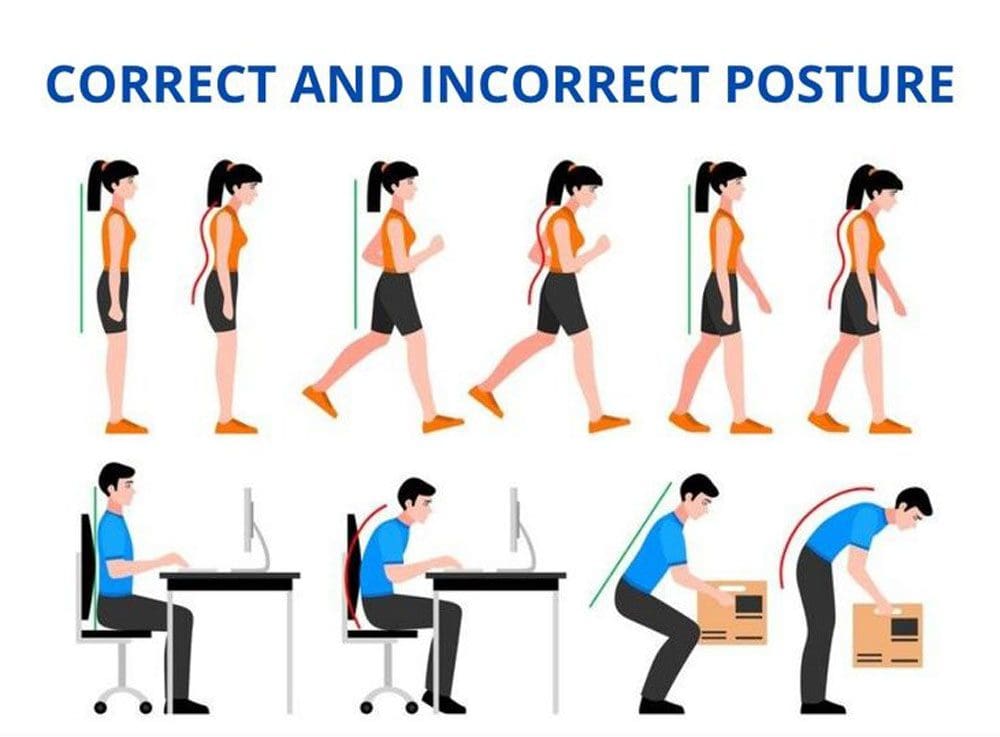 Healthy Posture Guidelines
There are two types of posture:
Dynamic Posture
- This posture is when the body moves, like walking, running, or bending to pick up something.
Static Posture
- This posture is when the body is not moving, like sitting, standing, or sleeping.
Both are important, and the key is the spine’s position. The spine has three natural curves: neck, mid, and low back. Correct posture maintains the curves with the head above the shoulders, and the top of the shoulder should be over the hips.
Unhealthy Positioning
Postural faults include:
- Forward head positioning
- Rounded shoulders
- Loss of the normal lordosis curve in the lower back.
Early warning signs of postural problems may include:
- The inability to sit or stand for a prolonged period.
- Stiffness when getting up from a chair after sitting.
- Feeling of physical exhaustion at the end of the day.
- Muscle imbalances.
- Loss of normal flexibility.
- Symptoms of discomfort.
Affected Health
Unhealthy posture can affect overall health and includes:
- Misaligned musculoskeletal system.
- Decreased flexibility.
- Neck, shoulder, and back pain.
- The advanced wearing down of the spine making it more fragile and susceptible to injury.
- Affected joint movement.
- Affected balance.
- Increased risk of falling.
- Digestion problems.
- Potential breathing problems.
Improvements
Be mindful of your posture during everyday activities, like walking, watching tv, washing dishes, etc.
Maintain Physical Activity
- Certain exercises like yoga, tai chi, and other classes focusing on body awareness can help develop healthy posture habits.
- Exercises that strengthen the core muscles around the back, abdomen, and pelvis.
Maintain Healthy Weight
- Extra weight can weaken the abdominal muscles, cause problems for the pelvis and spine, and contribute to back pain.
Wear Comfortable Shoes
- High heels, for example, can throw off the body’s balance and force unhealthy walking movements.
- This puts added stress on the muscles and affects posture.
Proper Height
- Make sure workstations are at a comfortable height, whether sitting in front of a computer, making dinner, or eating.
Chiropractic Care
Chiropractors and physical massage therapists specialize in evaluating and treating musculoskeletal dysfunction and identifying and screening for postural dysfunction. Healthy posture can have an immediate effect on health that include:
- Proper alignment of bones and joints.
- Reduced wear on the muscles and joints.
- Reduced stress on ligaments.
- Decreased risk of back injury.
- Increased energy.
- Improved digestion.
A chiropractic team will massage and relax the muscles reducing tension, adjust and realign the spine, increase joint movement, and ease the individual into a healthy posture. The team will also provide careful rehabilitation exercises and nutritional recommendations to maintain a healthy posture.
Custom Foot Orthotics
References
Carini, Francesco, et al. “posture and posturology, anatomical and physiological profiles: overview and current state of the art.”Acta bio-medica : Atenei Parmensis vol. 88,1 11-16. 28 Apr. 2017, doi:10.23750/abm.v88i1.5309
Creze, Maud, et al. “posture-related stiffness mapping of paraspinal muscles.”Journal of anatomy vol. 234,6 (2019): 787-799. doi:10.1111/joa.12978
Korakakis, Vasileios, et al. “physiotherapist perceptions of optimal sitting and standing posture.”Musculoskeletal science & practice vol. 39 (2019): 24-31. doi:10.1016/j.msksp.2018.11.004
What's your reaction?