Discover the impact of TMJ disorders associated with auto injuries on your daily activities and learn strategies for pain management.
Table of Contents
Introduction: When Your Jaw and Neck Throw a Monster Rally
Picture this: you’re cruising down the road, maybe humming a tune, when—bam!—a fender bender turns your day upside down. Beyond the hassle of car repairs and insurance claims, you might find yourself dealing with some uninvited guests: jaw pain and neck stiffness. It’s like Herman Munster from The Munsters decided to crash your party, bringing along his pals, TMJ disorders, and neck pain. While we’ll sprinkle a bit of humor to keep things light, these conditions are no laughing matter. They can significantly impact your daily life, especially when caused by motor vehicle accidents (MVAs).
This comprehensive guide examines the clinical relationship between temporomandibular joint (TMJ) disorders and neck pain resulting from motor vehicle accidents (MVAs). We’ll delve into the science behind these injuries, outline common symptoms, and explore effective nonsurgical treatments. We’ll also highlight the expertise of Dr. Alexander Jimenez, a renowned chiropractor and nurse practitioner in El Paso, Texas, who specializes in treating personal injury cases. His unique approach bridges the gap between medical care and legal support, making him a vital resource for accident victims. Let’s get started on understanding how to tackle these pesky problems and get you back to feeling like yourself.
Section 1: The Connection Between TMJ Disorders and Neck Pain from MVAs
What Are TMJ Disorders?
The temporomandibular joint (TMJ) is the hinge connecting your lower jaw (mandible) to your skull, located just in front of your ears. This joint, supported by muscles, ligaments, and a cushioning disc, allows you to chew, speak, and yawn. TMJ disorders (TMD) occur when this joint or its surrounding structures malfunction, leading to pain and dysfunction. Causes range from stress-induced teeth grinding to arthritis, but MVAs are a significant trigger, particularly due to whiplash injuries.
How MVAs Cause TMJ Disorders and Neck Pain
Motor vehicle accidents, especially rear-end collisions, often result in whiplash, a rapid back-and-forth motion of the head and neck. This sudden movement strains neck muscles and ligaments, but it can also stress the TMJ. The force can displace the TMJ’s disc, inflame surrounding tissues, or cause muscle tension that affects jaw function. Research suggests that up to 15% of adults may experience TMJ disorders, with MVAs being a common cause (Dubrovsky Lawyers).
Clinical Rationale: The Science Behind the Connection
The link between TMJ disorders and neck pain from MVAs is rooted in biomechanics and neurophysiology. During a collision, the head’s rapid movement can:
- Displace the TMJ disc: This internal derangement causes pain and restricts jaw movement (Fernandez et al., 2009).
- Trigger referred pain: Pain signals from the neck can converge with jaw signals in the brainstem, leading to jaw pain even without direct trauma (Friedman & Weisberg, 2004).
- Increase muscle tension: Chronic neck pain can overstimulate pain receptors, causing jaw muscles to tense and worsen TMJ symptoms (Steigerwald et al., 2005).
A 1998 study found that 31 TMD patients exhibited significant segmental limitations at the C0-C3 cervical spine levels and tender points in the sternocleidomastoid and trapezius muscles, compared to 30 controls (Hauser, n.d.). A 2021 study further noted the anatomical and neurophysiological connection via the trigeminocervical nucleus, which links the cervical spine and masticatory system. Forward head posture, often exacerbated by neck pain, is also more prevalent in TMD patients, contributing to both conditions.
| Study | Year | Findings | Source |
|---|---|---|---|
| Fernandez et al. | 2009 | Whiplash exacerbates neck pain, headaches, and shoulder pain in TMD patients. | Journal of the Canadian Chiropractic Association |
| Hauser | n.d. | A 1998 study found that TMD patients exhibited limitations in C0-C3 and muscle tenderness. | Caring Medical |
| Hauser | n.d. | 2021 study: Trigeminocervical nucleus links cervical spine and masticatory system. | Caring Medical |
Section 2: Symptoms of TMJ Disorders After MVAs
TMJ disorders from MVAs can manifest in ways that make everyday activities like eating or talking feel like a chore. It’s as if your jaw is staging a sit-in, refusing to cooperate without a fight. Symptoms may appear immediately or develop weeks to months later, which is why vigilance is key. Common symptoms include:
- Jaw pain and tenderness: Around the jaw, ears, or extending to the neck and shoulders.
- Difficulty chewing: Pain or discomfort when eating, especially tough foods.
- Limited jaw movement: Stiffness or locking, making it hard to open or close the mouth.
- Clicking or popping sounds: Indicating possible disc displacement.
- Headaches: Often starting at the temples and spreading.
- Ear issues: Pain, ringing (tinnitus), or a feeling of fullness.
- Bite changes: Misalignment of upper and lower teeth.
- Neck and shoulder pain: Often linked to whiplash-associated disorders (WADs).
These symptoms can disrupt sleep, work, and social interactions, making early diagnosis and treatment essential (Truitt Law Offices).
Chiropractic Care After Accidents & Injuries- Video
Section 3: Nonsurgical Treatments for TMJ Disorders and Neck Pain
Good news: you don’t need to go under the knife to find relief. Nonsurgical treatments can work wonders, like convincing Herman Munster to trade his monster mash for a soothing massage. Here’s a look at effective options:
Chiropractic Care
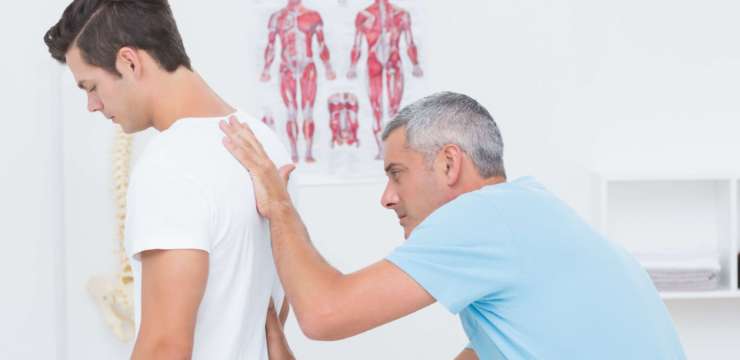
Chiropractic care is a cornerstone of treatment for TMJ disorders and neck pain from MVAs. Chiropractors use spinal adjustments, manual manipulation, stretches, and exercises to address the root cause, often misalignment of the neck and spine resulting from whiplash. By realigning the spine, chiropractors can reduce muscle tension and improve jaw function (Jimenez, 2016).
Other Nonsurgical Treatments
- Physical therapy: Strengthens jaw and neck muscles, improving range of motion.
- Occlusal splints/mouth guards: Reduce teeth grinding and clenching, which is common in TMD.
- Medications: Anti-inflammatories or pain relievers to manage symptoms.
- Lifestyle changes: Stress management, soft food diets, and avoiding habits like gum chewing.
| Treatment | Description | Benefits |
|---|---|---|
| Chiropractic Care | Spinal adjustments and manual therapy | Reduces pain, improves alignment |
| Physical Therapy | Exercises for the jaw and neck | Enhances strength and mobility |
| Occlusal Splints | Custom mouth guards | Prevents grinding, reduces strain |
| Medications | Pain relievers, anti-inflammatories | Manages acute symptoms |
Section 4: Dr. Alexander Jimenez: A Leader in Personal Injury Care in El Paso
In El Paso, Texas, Dr. Alexander Jimenez is a trusted name for those grappling with TMJ disorders and neck pain from MVAs. With over 30 years of experience, Dr. Jimenez, a chiropractor and board-certified nurse practitioner, brings a unique perspective to his practice at Injury Medical & Chiropractic Clinic. His dual licensure allows him to integrate chiropractic care with advanced diagnostics, offering comprehensive treatment plans tailored to each patient.
Why Dr. Jimenez Excels
- Expertise: Specializes in treating severe pain, whiplash, and TMJ disorders from auto accidents.
- Advanced Diagnostics: Utilizes imaging techniques (X-rays, MRIs) and dual-scope procedures to pinpoint injuries accurately.
- Legal Liaison: Bridges medical care and legal documentation, aiding personal injury cases.
- Patient-Centered Care: Provides education through blogs, videos, and testimonials to empower patients.
Dr. Jimenez’s clinic is a beacon for accident victims, helping them navigate both recovery and legal processes. His commitment to holistic care ensures patients not only heal physically but also understand their conditions and rights (Healthgrades).
Section 5: The Importance of Personal Injury Cases in El Paso
Personal injury cases, particularly those involving MVAs, are significant in El Paso due to the city’s busy roads and high accident rates. TMJ disorders and neck pain can lead to long-term disability if untreated, impacting work and quality of life. Dr. Jimenez plays a pivotal role by providing medical evidence through advanced imaging and diagnostics, which strengthens legal claims. His ability to accurately document injuries ensures that victims receive fair compensation while prioritizing their health.
Section 6: Tips for Recovery and Prevention
To keep your jaw and neck from staging another monster rally, consider these tips:
- Seek prompt care: Early intervention prevents chronic issues.
- Follow treatment plans: Adhere to chiropractic or physical therapy regimens.
- Manage stress: Techniques like meditation can reduce teeth grinding.
- Maintain posture: Avoid forward head posture to minimize strain.
Section 7: Conclusion and Disclaimer
TMJ disorders and neck pain from motor vehicle accidents are interconnected conditions that require timely and effective treatment. The biomechanical and neurophysiological links, such as whiplash-induced disc displacement and referred pain, underscore the need for comprehensive care. In El Paso, Dr. Alexander Jimenez offers unparalleled expertise, combining chiropractic care with legal support to help accident victims recover and seek justice.
Disclaimer: This blog post is for informational purposes only and does not constitute medical advice. If you experience jaw or neck pain after an MVA, consult a qualified healthcare professional for diagnosis and treatment. While humor has been used to make this topic more approachable, these conditions are serious and can have a significant impact on your well-being. Prioritize your health and seek professional care promptly.
Key Citations
- TMJ Disorders Caused By Car Accidents: A Quiet Quality-of-Life Killer
- The relationship of whiplash injury and temporomandibular disorders: a narrative literature review
- Jaw Pain After A Car Accident | TMJ And Car Crashes
- TMJ that causes cervical neck instability and poor posture
- TMJ caused by auto injuries
- Can a car crash cause TMJ?
- El Paso, TX Doctor Of Chiropractic
- Dr. Alexander Jimenez, DC
Disclaimer
What's your reaction?