Table of Contents
Telemedicine Nutrition: How Virtual Visits Help You Eat for Healing and Health

Nutrition is one of the most powerful tools you have to support healing, reduce pain, manage weight, and prevent chronic disease. But it can be hard to know what to eat, how to plan meals, or how to change habits when you are busy, in pain, or living far from specialists.
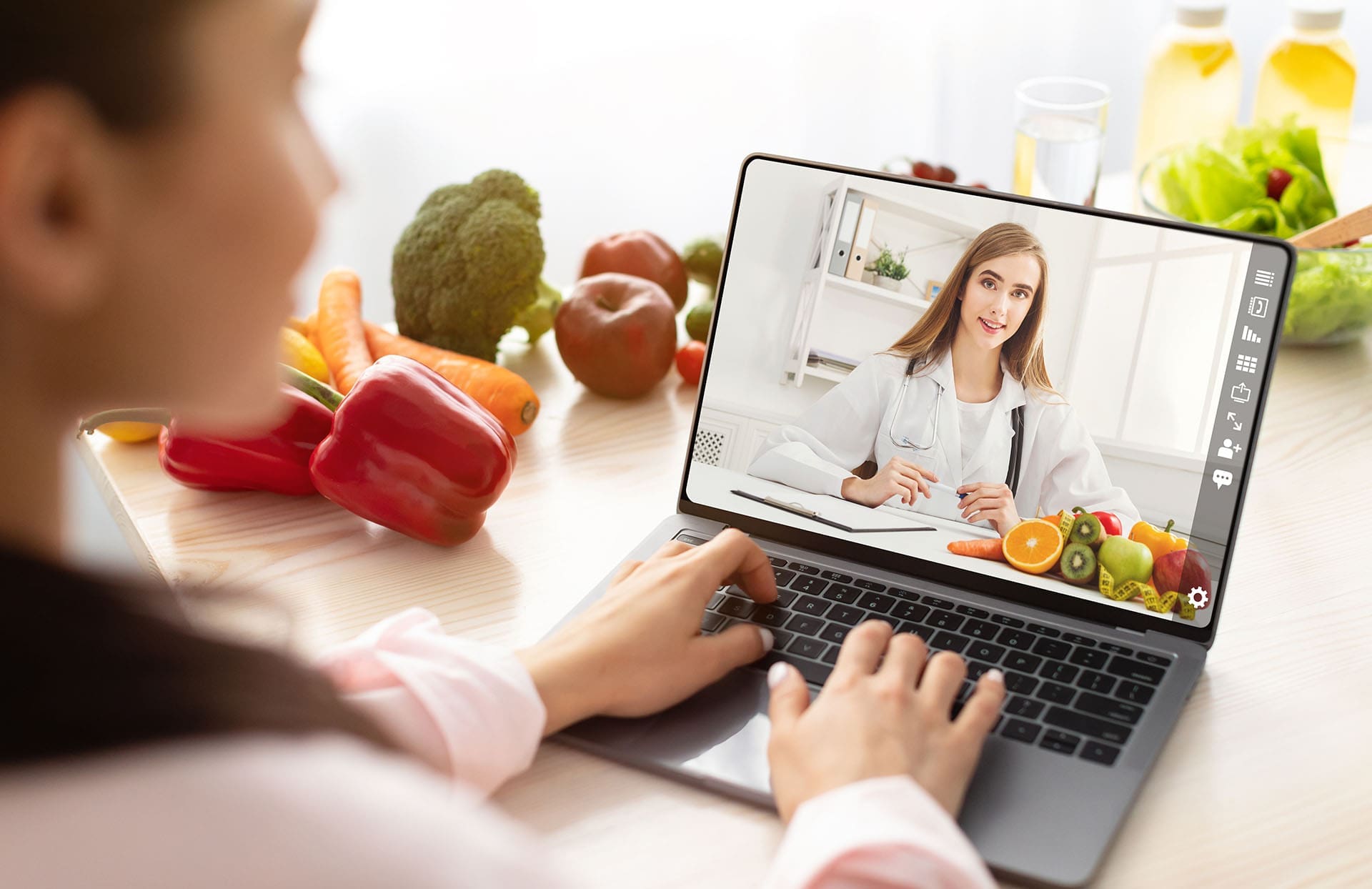
Telemedicine (or telehealth) now makes it much easier to get personalized nutrition guidance from home. Through secure video calls, apps, and online tools, you can work with your care team to build a realistic food plan, adjust it as your health changes, and stay on track with regular check-ins (U.S. Department of Health and Human Services [HHS], 2025a). telehealth.hhs.gov
For people working with an integrative team—such as a chiropractor and a functional medicine or nurse practitioner provider—telemedicine becomes a powerful bridge between nutrition, movement, and lifestyle. At Injury Medical & Chiropractic Clinic PA in El Paso, Dr. Alexander Jimenez, DC, APRN, FNP-BC, combines in-person care with virtual wellness and nutrition coaching, lab-guided plans, and even macro-friendly meal options to support recovery and long-term health (Jimenez, n.d.-a; Jimenez, n.d.-b). El Paso, TX Doctor Of Chiropractic+1
This article explains, in simple language, how telemedicine can help you get practical, personalized nutrition support—especially in an integrative chiropractic and functional medicine setting.
What Is Telemedicine Nutrition (Telenutrition)?
Telemedicine is health care delivered at a distance using technology such as video visits, secure messaging, and apps. We often refer to it as telenutrition when we use these tools to provide nutrition care (HHS, 2025a). telehealth.hhs.gov
Telemedicine nutrition may include:
-
One-on-one video visits with a dietitian, nurse practitioner, chiropractor, or functional medicine provider
-
Group education visits focused on healthy eating or weight management
-
Secure messaging to ask questions between appointments
-
Apps to track food, symptoms, and progress
-
Remote review of lab results and health data to adjust your plan
According to federal telehealth guidance, telenutrition can be delivered through live video visits, secure messaging, remote patient monitoring (such as glucose meters and wearables), and mobile health apps that help track meals and physical activity and even estimate nutrient content from food photos (HHS, 2025a). telehealth.hhs.gov
In short, telemedicine nutrition brings expert guidance into your kitchen, living room, or workplace—where daily food choices really happen.
Why Nutrition Guidance Matters So Much
Good nutrition is more than “eating healthy.” It is about matching the right foods and supplements to your body, conditions, and goals. Research shows that better nutrition can:
-
Improve blood sugar control in diabetes and metabolic syndrome
-
Support healthy weight and cholesterol
-
Reduce inflammation that worsens joint, back, and nerve pain
-
Improve gut health, which affects immunity, mood, and energy
-
Speed recovery after illness, hospital stay, or surgery (Roberts et al., 2020; Williams, 2025) SpringerLink+1
In hospitals, up to half of patients may be malnourished or not meeting basic nutrition needs. A technology-based nutrition program (NUTRI-TEC) showed that when patients are more involved in their nutrition care—tracking food intake and setting goals using digital tools—their dietary intake improves (Roberts et al., 2020). SpringerLink
If better nutrition helps people recover in the hospital, it makes sense that guided nutrition can also help you recover at home—from back pain, sciatica, sports injuries, or chronic stress.
How Telemedicine Delivers Personalized Nutrition Care
Telemedicine enables the integration of education, coaching, and data into a seamless process. Federal guidance highlights several ways telehealth supports nutrition care (HHS, 2025a). telehealth.hhs.gov
Typical Steps in a Telemedicine Nutrition Program
-
Virtual Intake Visit
-
You meet by video with your provider (such as a nurse practitioner, dietitian, chiropractor, or functional medicine doctor).
-
You review your medical history, medications, current diet, symptoms, sleep, stress, and goals.
-
-
Review of Labs and Health Data
-
Your provider may order blood work, stool tests, or other labs through local draw centers or mobile phlebotomy, then review the results virtually (Williams, 2025; Arthaud, 2025). Being Functional+1
-
Wearables and home devices (like glucometers, smart scales, or fitness trackers) can send data on blood sugar, weight, activity, or sleep to your care team (HHS, 2025a; Williams, 2025). telehealth.hhs.gov+1
-
-
Personalized Nutrition Plan
-
Using your story and labs, the team builds a plan with specific foods, meal timing, hydration goals, and, when needed, supplements.
-
If you have medical conditions, this may rise to full medical nutrition therapy to help treat and manage disease (HHS, 2025a). telehealth.hhs.gov
-
-
Digital Tools for Support
-
Apps or secure portals let you log meals, upload food photos, track symptoms, and receive feedback.
-
Short check-ins by video or messaging help you adjust the plan and stay accountable (HHS, 2025a; Williams, 2025). telehealth.hhs.gov+1
-
-
Ongoing Monitoring and Adjustments
-
As your lab values, weight, pain, or energy change, your provider modifies your plan.
-
This can include changing macros (protein, fat, carbs), shifting meal timing, adding or removing supplements, or coordinating with other specialists.
-
Telehealth Tools Commonly Used in Nutrition Care
-
Video calls (for counseling and coaching)
-
Secure messaging or patient portals
-
Digital food logs and photo-based food diaries
-
Wearables that track steps, heart rate, or sleep
-
Remote glucose or blood pressure monitoring devices
-
Apps that help interpret food labels or estimate calories and nutrients (HHS, 2025a) telehealth.hhs.gov
All of these can be used with simple devices you already have—like a smartphone, tablet, or laptop.
Medically Tailored Meals and Meal Planning From Home
For some patients, especially those with chronic disease or complex medical needs, nutrition support goes beyond advice. Telehealth programs can also coordinate medically tailored meals—fully prepared meals designed by nutrition professionals to match specific medical conditions, allergies, or nutrient needs (HHS, 2025a). telehealth.hhs.gov
Using telemedicine, your team can:
-
Develop a personalized meal plan in a video visit
-
Coordinate with community partners or meal services that deliver medically tailored meals to your home
-
Adjust meal plans as your lab values or symptoms change
-
Help you apply for programs such as SNAP, WIC, or local food resources if access to healthy food is difficult (HHS, 2025a) telehealth.hhs.gov
This is extremely helpful if you:
-
Have diabetes, heart disease, kidney disease, or obesity
-
Are recovering from injury or surgery and don’t have the energy to cook
-
Live alone or have limited mobility
-
Are caring for family members with special nutrition needs
By combining telehealth visits with medically tailored meals, patients can continue “eating their treatment plan” day after day, without needing to design every recipe themselves.
Preparing Patients and Families for Tele-Nutrition Visits
Good telemedicine nutrition care depends on preparation. HHS recommends helping patients set up their technology, plan for privacy, and prepare questions and goals in advance (HHS, 2025b). telehealth.hhs.gov
Before a tele-nutrition visit, it helps to:
-
Test your camera, microphone, and internet connection
-
Have recent weights, blood pressure readings, or glucose logs handy
-
Bring a list of medications and supplements
-
Keep sample food packages or labels nearby to review with your provider
-
Decide who will join you (for example, a spouse or caregiver)
Families can also be given simple written nutrition guidelines that the whole household can follow, so you are not trying to eat one way. In contrast, everyone else eats something different (HHS, 2025b). telehealth.hhs.gov
How Chiropractic and Nutrition Work Together
Chiropractic care focuses on spinal alignment and the nervous system. When that is combined with smart nutrition, you support the body from both the outside and the inside. Clinics that blend chiropractic care with nutrition emphasize that:
-
Anti-inflammatory foods can reduce joint and back pain
-
Adequate protein, calcium, vitamin D, and magnesium support bones, discs, and muscles
-
Omega-3 fats, B vitamins, and antioxidants help the nervous system and stress response
-
Proper hydration and gut health improve both digestion and pain levels (Coconut Grove Chiropractic, 2025). Coconut Grove Chiropractic
For example, one chiropractic practice describes how nutrition supports:
-
Inflammation reduction with leafy greens, fatty fish, nuts, seeds, turmeric, and berries
-
Musculoskeletal health with calcium, magnesium, vitamin D, and protein
-
The nervous system functions with omega-3 fats, B vitamins, and antioxidant-rich foods (Coconut Grove Chiropractic, 2025). Coconut Grove Chiropractic
When you combine this with spinal adjustments and soft tissue work, your body can often heal faster and hold corrections longer.
Functional Medicine, Telehealth, and Nutrition
Functional medicine is a systems-based approach that aims to determine and treat the root causes of disease rather than just masking symptoms. It often uses detailed history, advanced lab testing, and personalized nutrition and lifestyle changes (Williams, 2025; Arthaud, 2025). Being Functional+1
Telehealth fits perfectly with functional medicine because it allows:
-
Deep virtual visits to explore your history, diet, sleep, stress, and environment
-
Lab-informed nutrition plans using bloodwork, stool testing, hormone panels, or micronutrient testing
-
Continuous monitoring of blood sugar, sleep, heart rate, or activity with wearables
-
Frequent, shorter check-ins to adjust supplements and food plans without long commutes (Williams, 2025). Being Functional
Functional nutrition programs that already utilize telehealth emphasize:
-
“Test, don’t guess”—ordering targeted labs when needed
-
Food-as-medicine, with plans based on your unique biology
-
Coaching and education so you understand why each change matters
-
Virtual follow-ups that make it easier to stay consistent over time (Arthaud, 2025). The Well-House Chiropractic
Dr. Alexander Jimenez’s Integrative Telemedicine Approach
Dr. Alexander Jimenez, DC, APRN, FNP-BC, brings a dual background in chiropractic and family practice/functional medicine. His online presence describes a strong focus on:
-
Functional medicine and nutrition
-
Metabolic and gut health
-
Sports and injury rehabilitation
-
Telemedicine and virtual wellness programs (Jimenez, n.d.-a; Jimenez, n.d.-b). El Paso, TX Doctor Of Chiropractic+1
At his El Paso-based Injury Medical & Chiropractic Clinic, PA, nutrition guidance is integrated with:
-
Spinal and musculoskeletal care. Diet plans to reduce inflammation, support cartilage and bone health, and improve recovery after injuries.
-
Gut and metabolic workups. Telehealth visits where lab results are reviewed, and foods or supplements are chosen to support gut healing, blood sugar balance, and weight management.
-
Tele-coaching and digital support. Use of secure apps, virtual check-ins, and shared platforms to track food, symptoms, and home exercises.
-
Meal support. On his sites, Dr. Jimenez links wellness programs to macro-friendly meal options and performance-focused nutrition, which makes it easier for patients to follow plans even when they are busy or recovering (Jimenez, n.d.-a). El Paso, TX Doctor Of Chiropractic
His nutrition-focused posts on ElPasoChiropractic.com further highlight how dietary changes, detox support, and gut health programs complement chiropractic and physical medicine for conditions such as back pain, headaches, and chronic inflammation (Jimenez, n.d.-c). telehealth.hhs.gov
This integrative model is a real-world example of how telemedicine, nutrition, and hands-on care can work together in a modern clinic.
What Telemedicine Nutrition Can Help With
Telemedicine nutrition is useful for many situations, including:
-
Chronic pain (back, neck, joint pain, sciatica)
-
Metabolic issues (prediabetes, diabetes, high cholesterol)
-
Gut problems (IBS, reflux, bloating, constipation)
-
Weight management
-
Autoimmune and inflammatory conditions
-
Recovery from injuries or surgery
-
Performance and recovery for athletes and active adults (HHS, 2025a; Arthaud, 2025; Coconut Grove Chiropractic, 2025) telehealth.hhs.gov+2The Well-House Chiropractic+2
Common Goals Addressed Through Tele-Nutrition
-
Reduce inflammation: Use anti-inflammatory foods and remove triggers.
-
Balance blood sugar: Focus on fiber, protein, and healthy fats.
-
Heal the gut: Introduce probiotic and prebiotic foods and remove irritants.
-
Support joints and muscles: Increase protein, minerals, and collagen-supporting nutrients.
-
Improve sleep and energy: Adjust meal timing, caffeine intake, and evening snacks.
Because telehealth makes it easy to schedule short, regular visits, your care team can adjust your nutrition strategy as your body responds.
What Happened When Clinics Used Tech to Support Nutrition
The NUTRI-TEC study is a good example of how technology can change nutrition behavior. Researchers created a program where hospitalized patients:
-
Received short education on nutrition for recovery
-
Used a bedside computer system to order meals and see energy and protein content
-
Tracked how much they ate and compared it to personal nutrition goals
-
Had brief daily goal-setting sessions with a dietitian
This technology-supported approach helped patients participate in their own nutrition care and improved their dietary intake (Roberts et al., 2020). SpringerLink
In outpatient functional medicine and chiropractic settings, similar ideas are used:
-
Patient portals where you can see your lab trends and goals
-
Digital food logs with feedback from your provider
-
Regular virtual check-ins to set new goals and celebrate wins (Williams, 2025; Arthaud, 2025). Being Functional+1
The message is clear: when you are actively involved, and technology makes that involvement easier, nutrition changes are more likely to stick.
Practical Tips for Getting the Most From Telemedicine Nutrition
Here are some simple ways to get more value out of your tele-nutrition visits.
Before Your Visit
-
Write down your top 3 goals (for example: “less back pain,” “better energy,” “lower blood sugar”).
-
Keep a 3–7 day food and symptom log (even simple notes help).
-
Gather recent lab results, medication, and supplement lists.
-
Make a short list of your biggest challenges (like late-night snacking or eating out).
During Your Visit
-
Be honest about what feels realistic for you right now.
-
Ask for examples of meals and snacks that match your culture, budget, and cooking skills.
-
Request written or digital handouts so you do not have to remember everything.
-
If you work with a chiropractor, ask how your nutrition plan supports spinal health, muscle recovery, and inflammation control.
After Your Visit
-
Use your app or log to track at least one key habit (for example, number of vegetable servings per day).
-
Schedule your next telehealth check-in before you sign off.
-
Ask what signs to watch for (positive or negative) and when to message your provider.
Small, steady changes—measured and adjusted over time with your team—often beat extreme diets that are impossible to maintain.
How Telemedicine Nutrition Fits Into Whole-Person Care
Telemedicine nutrition is not meant to replace in-person care. Instead, it extends your care team into your daily life.
In an integrative chiropractic and functional medicine setting, tele-nutrition can:
-
Connect the dots between pain, posture, lab results, and food choices
-
Reduce barriers like travel time, cost, and fatigue
-
Support behavior change with regular, short coaching visits
-
Enable collaborative care, where chiropractors, nurse practitioners, dietitians, and other specialists all see the same data and work from the same plan (HHS, 2025a; Williams, 2025; Jimenez, n.d.-a). telehealth.hhs.gov+2Being Functional+2
For many people—especially those with chronic pain, mobility limits, busy work schedules, or limited local access—this approach can be the difference between knowing what to do and actually being able to do it.
Final Thoughts
Telemedicine has changed how we think about nutrition care. Instead of a one-time handout with generic advice, you can now receive:
-
Personalized meal plans tied to your labs and conditions
-
Medically tailored meals when needed
-
Ongoing coaching through video, apps, and secure messaging
-
Integrated chiropractic and functional medicine care that looks at your whole body, not just one symptom
Clinicians like Dr. Alexander Jimenez, DC, APRN, FNP-BC, show how this model can work in real practice—combining spinal care, functional medicine, and tele-nutrition to help patients heal, move better, and feel more in control of their health (Jimenez, n.d.-a; Jimenez, n.d.-c). El Paso, TX Doctor Of Chiropractic+1
If you are ready to use food as part of your treatment plan, telemedicine nutrition may be one of the most practical, patient-friendly tools available today.
References
Arthaud, M. (2025, August 4). Functional nutrition 101: Healing from the inside out. The Well-House Chiropractic. The Well-House Chiropractic
Coconut Grove Chiropractic. (2025, April 24). Integrating chiropractic care with nutrition for optimal wellness. Coconut Grove Chiropractic. Coconut Grove Chiropractic
Jimenez, A. (n.d.-a). Injury Medical & Chiropractic Clinic PA. DrAlexJimenez.com. El Paso, TX Doctor Of Chiropractic
Jimenez, A. (n.d.-b). Dr. Alex Jimenez, DC, APRN, FNP-BC – LinkedIn profile. LinkedIn.
Jimenez, A. (n.d.-c). Nutrition – El Paso Chiropractic blog category. ElPasoChiropractic.com. telehealth.hhs.gov
Roberts, S., Hopper, Z., Chaboyer, W., Gonzalez, R., Banks, M., Desbrow, B., & Marshall, A. P. (2020). Engaging hospitalised patients in their nutrition care using technology: Development of the NUTRI-TEC intervention. BMC Health Services Research, 20(148). SpringerLink
U.S. Department of Health and Human Services. (2025a, September 12). Getting started: Understanding telehealth for nutrition care. Telehealth.HHS.gov. telehealth.hhs.gov
U.S. Department of Health and Human Services. (2025b). Preparing patients to receive nutrition care using telehealth. Telehealth.HHS.gov. telehealth.hhs.gov
Williams, B. (2025). Functional medicine and telehealth: The benefits of virtual care. Being Functional. Being Functional
Disclaimers
Professional Scope of Practice *
The information herein on "Telemedicine Nutrition Healing for Better Health" is not intended to replace a one-on-one relationship with a qualified health care professional or licensed physician and is not medical advice. We encourage you to make healthcare decisions based on your research and partnership with a qualified healthcare professional.
Blog Information & Scope Discussions
Welcome to El Paso's wellness blog, where Dr. Alex Jimenez, DC, FNP-C, a board-certified Family Practice Nurse Practitioner (FNP-C) and Chiropractor (DC), presents insights on how our team is dedicated to holistic healing and personalized care. Our practice aligns with evidence-based treatment protocols inspired by integrative medicine principles, similar to those found on dralexjimenez.com, focusing on restoring health naturally for patients of all ages.
Our areas of chiropractic practice include Wellness & Nutrition, Chronic Pain, Personal Injury, Auto Accident Care, Work Injuries, Back Injury, Low Back Pain, Neck Pain, Migraine Headaches, Sports Injuries, Severe Sciatica, Scoliosis, Complex Herniated Discs, Fibromyalgia, Chronic Pain, Complex Injuries, Stress Management, Functional Medicine Treatments, and in-scope care protocols.
Our information scope is limited to chiropractic, musculoskeletal, physical medicine, wellness, contributing etiological viscerosomatic disturbances within clinical presentations, associated somato-visceral reflex clinical dynamics, subluxation complexes, sensitive health issues, and functional medicine articles, topics, and discussions.
We provide and present clinical collaboration with specialists from various disciplines. Each specialist is governed by their professional scope of practice and their jurisdiction of licensure. We use functional health & wellness protocols to treat and support care for the injuries or disorders of the musculoskeletal system.
Our videos, posts, topics, subjects, and insights cover clinical matters, issues, and topics that relate to and directly or indirectly support our clinical scope of practice.*
Our office has reasonably attempted to provide supportive citations and has identified the relevant research studies or studies supporting our posts. We provide copies of supporting research studies available to regulatory boards and the public upon request.
We understand that we cover matters that require an additional explanation of how they may assist in a particular care plan or treatment protocol; therefore, to discuss the subject matter above further, please feel free to ask Dr. Alex Jimenez, DC, APRN, FNP-BC, or contact us at 915-850-0900.
We are here to help you and your family.
Blessings
Dr. Alex Jimenez DC, MSACP, APRN, FNP-BC*, CCST, IFMCP, CFMP, ATN
email: coach@elpasofunctionalmedicine.com
Licensed as a Doctor of Chiropractic (DC) in Texas & New Mexico*
Texas DC License # TX5807
New Mexico DC License # NM-DC2182
Licensed as a Registered Nurse (RN*) in Texas & Multistate
Texas RN License # 1191402
ANCC FNP-BC: Board Certified Nurse Practitioner*
Compact Status: Multi-State License: Authorized to Practice in 40 States*
Graduate with Honors: ICHS: MSN-FNP (Family Nurse Practitioner Program)
Degree Granted. Master's in Family Practice MSN Diploma (Cum Laude)
Dr. Alex Jimenez, DC, APRN, FNP-BC*, CFMP, IFMCP, ATN, CCST
My Digital Business Card
What's your reaction?