Sports exercise medicine – SEM addresses and treats physical activity/sports-related injuries using chiropractic care, physical therapy, therapeutic massage, functional nutrition, and targeted rehabilitation exercises. Sports medicine aims to prevent injury and keep individuals safe when pursuing their training goals. It combines general medical education with sports science principles, exercise physiology, biomechanics, orthopedics, nutrition, and sports psychology.
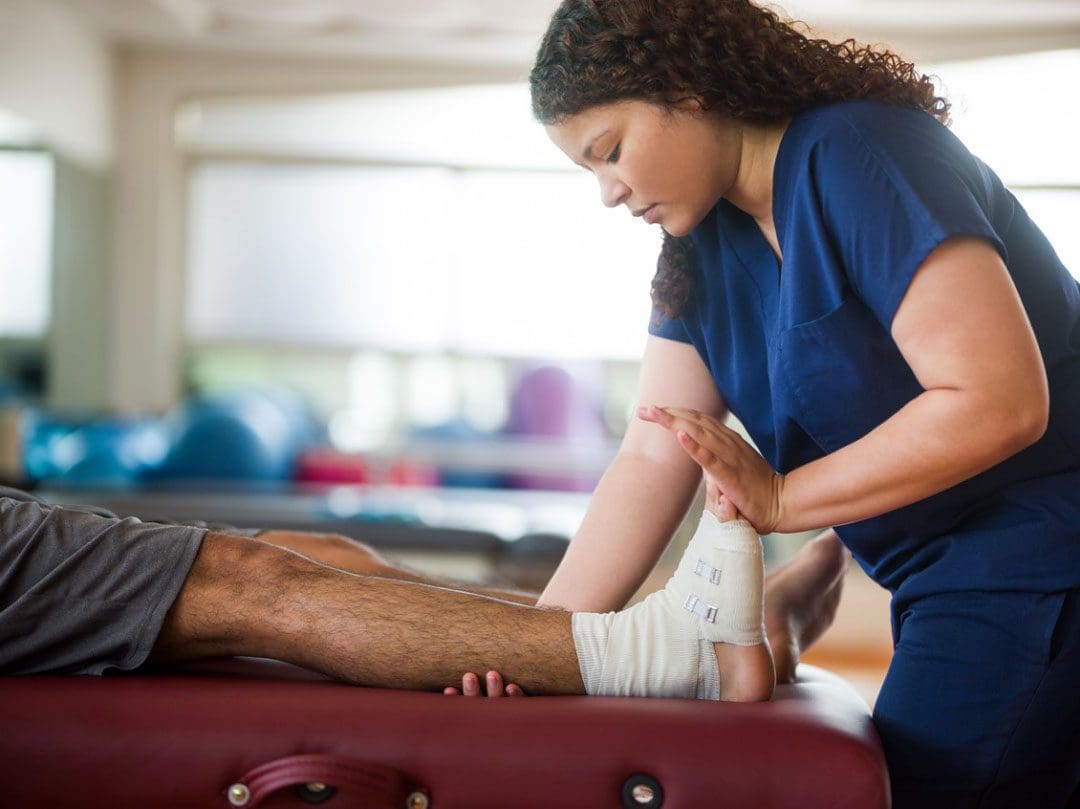
Table of Contents
Sports Exercise Medicine
Sports medicine specialists focus on medical, therapeutic, and functional aspects to rehabilitate and strengthen the body to improve physical performance. Conditions include:
- Musculoskeletal injuries
- Fractures
- Sprains
- Strains
- Dislocations
- Overuse injuries
- Tendonitis
- Degenerative diseases
- Overtraining syndrome
A sports exercise medicine team can include medical and non-medical specialists. This includes:
- Coaches
- Athletic trainers
- Personal trainers
- Chiropractors
- Physical therapists
- Nutritionists
- Physicians
- Surgeons
- Sports psychologists
Sports exercise medicine is not a medical specialty but means the health care providers have undergone training focused on the medical aspects of physical activities/sports, fitness, and exercise.
Doctors and Physicians
Sports medicine physicians are medical doctors who specialize in diagnosing and treating sports and exercise-related injuries and conditions. These physicians are certified in family medicine, emergency medicine, pediatrics, internal medicine, or orthopedics. They are qualified to treat:
- Muscle, bone, joint, and nerve injuries.
- Head injuries.
- Chronic conditions.
- Return-to-play decisions.
- Injury prevention.
- Nutrition and supplements.
Orthopedic surgeons focus on the surgical treatment, repair, and restoration of sports and physical activity injuries.
Psychologists
Sports psychology focuses on athletes’/sports enthusiasts’ mental and emotional states. Athletes go through various stresses that a sports psychologist can train to regulate anxiety and improve focus specifically on their sport. They use tools and techniques like psychotherapy, stress management, and goal-setting to help athletes maintain mental and emotional balance during competition or injury recovery. Professional sports teams employ psychologists to help prepare the team for competition or develop strategies to overcome mental or emotional challenges affecting performance.
Sports Science
Sports science is the focused study of physiology, anatomy, and psychology related to human movement and physical activity. Exercise science is primarily focused on clinical research, including:
- Physiological responses to exercise.
- Effectiveness of exercise techniques.
- Impact of performance supplements.
Chiropractic Sports Physician
Chiropractic care is a non-invasive, medication-free treatment alternative that can help individual athletes find relief from various musculoskeletal issues. A chiropractic sports physician has the tools and skills necessary to optimize the performance of an individual’s musculoskeletal and nervous systems. This specialized training allows sports chiropractors to provide therapies to heal injuries effectively, maintain strength and prevent injury. The benefits of applying chiropractic medicine include the following:
- It is a non-invasive treatment.
- Improves overall range of motion.
- Reduces and alleviates discomfort symptoms.
- Stretches and strengthens the body.
- Assists in post-surgical repair.
- Decreases recovery time.
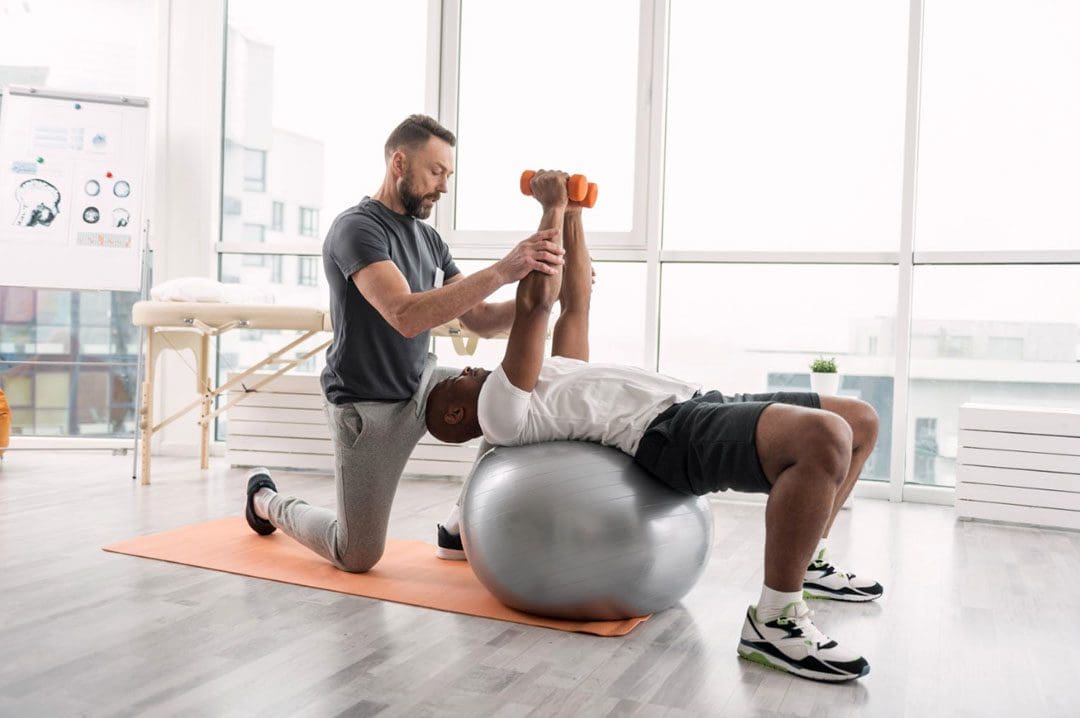
Sport Rehabilitation
References
Brown, G J. “Sports medicine at work.” British journal of sports medicine vol. 33,1 (1999): 5.
Hsu, Joseph R et al. “Clinical Practice Guidelines for Pain Management in Acute Musculoskeletal Injury.” Journal of orthopedic trauma vol. 33,5 (2019): e158-e182. doi:10.1097/BOT.0000000000001430
Kaufman, Matthew W et al. “The Impact of Supplements on Sports Performance for the Trained Athlete: A Critical Analysis.” Current sports medicine reports vol. 21,7 232-238. 1 Jul. 2022, doi:10.1249/JSR.0000000000000972
King, J B. “Sports medicine.” Journal of the Royal Society of Medicine vol. 79,8 (1986): 441-2. doi:10.1177/014107688607900803
Kreher, Jeffrey B, and Jennifer B Schwartz. “Overtraining syndrome: a practical guide.” Sports health vol. 4,2 (2012): 128-38. doi:10.1177/1941738111434406
McCrory, P. “What are sports and exercise medicine?.” British journal of sports medicine vol. 40,12 (2006): 955-7.
What's your reaction?