A pinched, compressed, overly stretched, twisted, and entangled nerve can happen throughout the body. The most common locations are the neck, shoulder, upper back, upper chest, arm, elbow, hand, wrist, low back, legs, and feet. This disrupts the nerve’s ability to function properly. Each nerve stimulates muscles and detects sensations in specific areas of the skin or internal organs so they work properly. Common symptoms are tingling, numbness, pain, weakness, and musculoskeletal problems. The average pinched nerve duration can last a few days to as long as 4 to 6 weeks or, in some cases, longer, in which case individuals should see a doctor or neurologist. Injury Medical Chiropractic and Functional Medicine Clinic can relieve, release, and restore nerve health.
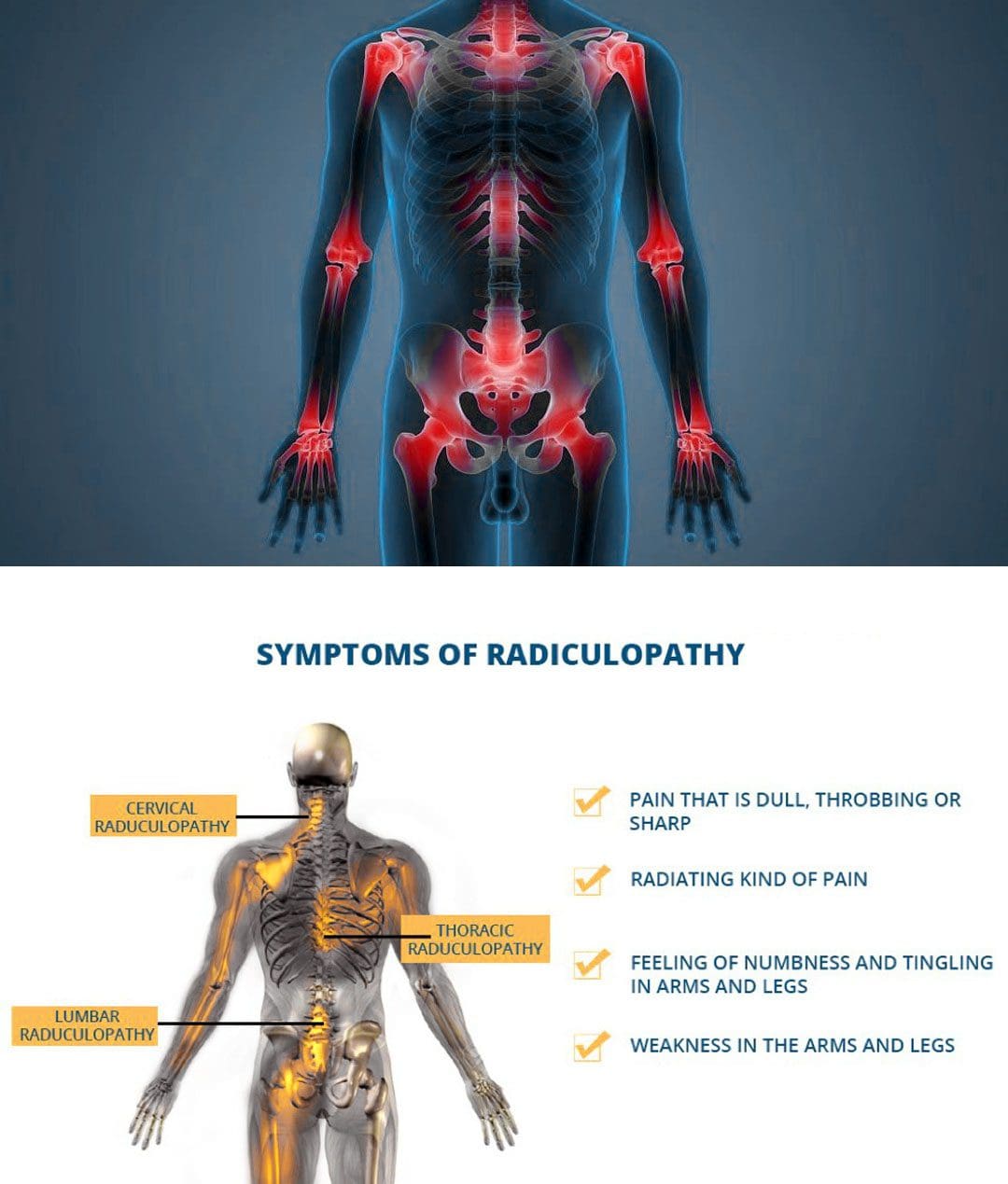
Table of Contents
Pinched Nerve
A pinched nerve is caused by pressure from surrounding tissues that place added stress on it. Muscles, bones, cartilage, and tendons can all press, pull, or entangle a nerve. This can result in a loss of function, which can then lead to symptoms including:
- Tingling
- Numbness
- Muscle weakness
- Various types of pain – sharp, electrical, throbbing, aching, and radiating/spreading out to other areas.
- Burning sensation
- A pinched nerve can become serious, cause chronic pain conditions and lead to permanent nerve damage.
- More severe cases may require surgery.
Pinched Nerve Duration
Pinched nerve duration depends on the injury, which can happen suddenly or gradually. A temporary case with an acute cause, such as injury or poor posture, can last several days. Cases related to chronic conditions, like arthritis, may last longer. Treatment, as well as recovery, also vary based on the location of the injury and what’s causing the pressure.
Body Locations
Neck
A pinched nerve in the neck can cause tingling sensations and pain, which can travel to the shoulders and arms. This type can be caused by:
- Sleeping position
- Repetitive movements
- Injuries
- The pain will usually ease within several days unless a chronic health condition is the cause of the pinching.
Lower back
A pinched nerve in the lower back is often brought on by herniated discs that compress nerve roots.
- It may also be caused by arthritis or injuries.
- Individuals may feel a sharp pain in the lower back, as well as in the buttocks and back of the leg.
- Sciatica may be a symptom.
- Lower back pain may be acute, lasting only a few days.
- If the injury doesn’t resolve, it may cause chronic back pain that can last 12 weeks or more.
Leg
- The legs can develop pinched nerves from herniated discs or injuries.
- If left untreated can lead to peripheral neuropathy.
- This can develop over several weeks or years.
Hip
A pinched nerve in the hip can last a few days if related to an injury. If the pain lasts longer than a few days, consult a doctor. Possible causes of chronic hip pain may include:
- Obesity
- Bone spurs
- Arthritis
Shoulder
Shoulder pain brought on by a pinched nerve usually starts in the upper spine and is caused by:
- Injury
- Tendinitis
- Arthritis
- To tell if the pain symptoms are from a pinched nerve and not a muscle strain, the pain tends to occur in one shoulder, and there is a sharpness to the aches.
- Left untreated, arthritis or tendinitis can lead to chronic pain that can come and go for several weeks, months, or years.
Wrist
Repetitive overuse is commonly linked to pinched nerves in the wrist.
- Pinched nerves can lead to carpal tunnel syndrome – pain and numbness extending through the arm, hand, and fingers.
- Pain lasting over two months could indicate other underlying conditions, like arthritis.
Chiropractic Relief
Chiropractic adjustments identify the impacted nerve/s and use various therapies to remove the compression, relieving symptoms and the injury or issue. A personalized treatment plan can include the following:
- Different types of massage.
- Multiple adjustments.
- Non-surgical decompression therapy.
- Muscle Energy Technique – MET
- Targeted stretches and exercises.
- Posture training.
- Anti-inflammatory nutritional recommendations.
Sciatica During Pregnancy
References
Cornwall, R, and T E Radomisli. “Nerve injury in traumatic dislocation of the hip.” Clinical orthopedics and related research, 377 (2000): 84-91. doi:10.1097/00003086-200008000-00012
Dmytriv, Mariya, et al. “PT or cervical collar for cervical radiculopathy?.” The Journal of family practice vol. 59,5 (2010): 269-72.
Hochman, Mary G, and Jeffrey L Zilberfarb. “Nerves in a pinch: imaging of nerve compression syndromes.” Radiologic clinics of North America vol. 42,1 (2004): 221-45. doi:10.1016/S0033-8389(03)00162-3
Lopez-Ben, Robert. “Imaging of nerve entrapment in the foot and ankle.” Foot and ankle clinics vol. 16,2 (2011): 213-24. doi:10.1016/j.fcl.2011.04.001
Needham, C W. “Pinched nerves and signature signs.” Connecticut Medicine vol. 57,1 (1993): 3-7.
Siccoli, Alessandro, et al. “Tandem Disc Herniation of the Lumbar and Cervical Spine: Case Series and Review of the Epidemiological, Pathophysiological and Genetic Literature.” Cureus vol. 11,2 e4081. 16 Feb. 2019, doi:10.7759/cureus.4081
What's your reaction?