As individuals try to avoid sugar as best as possible, alternative sweeteners are becoming more popular. A new addition is monk fruit sweetener, also called monk fruit extract. Monk fruit is a small, round fruit native to southern China. Unlike some chemically based sugar alternatives, monk fruit extract is considered natural. The sweetener has been around for decades but has become more available in the United States. The zero-calorie extract can be used as a standalone sweetener in foods and drinks and as a flavor enhancer.
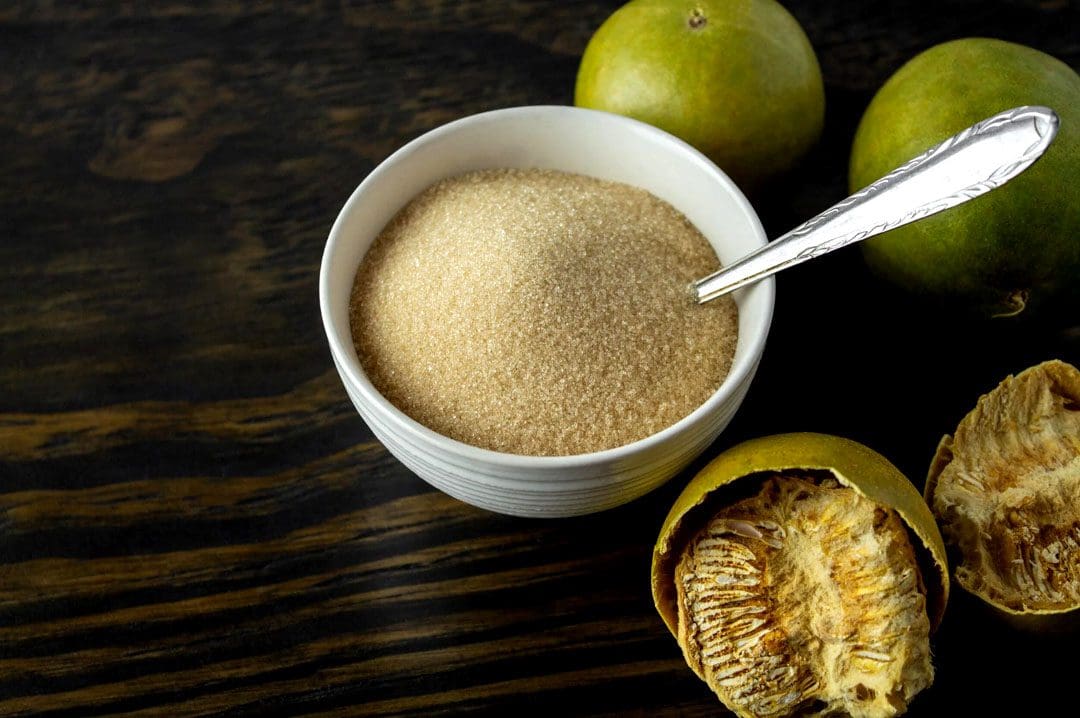
Table of Contents
Monk Fruit Sugar Alternative
Manufacturers remove the seeds and skin, crush the fruit, and extract the juice, which is then dried into a concentrated powder. Unlike most fruits, the natural sugars in monk fruit are not what gives it its sweetness. Instead, the intense sweetness comes from antioxidants (commonly found in plant foods, antioxidants fight off free radicals that can cause health problems like cancer and heart disease) called mogrosides. The mogroside is the sweetest part of the fruit, with a taste over 100 times sweeter than sugar and no calories.
Safe For Consumption
Monk fruit has the generally recognized as safe -GRAS label from the U.S. Food and Drug Administration with no reported side effects. However, it is advised to read the ingredients label before buying this sweetener. Some of the cheaper products combine other sweeteners with monk fruit extract. Some contain erythritol, a sugar alcohol that can cause stomach bloating or upset stomach.
Use
It has been found to be a healthy option for lowering overall sugar intake. However, consuming monk fruit or any sweetener should be done in moderation and with a healthy nutrition plan. It comes in powder or liquid form. As a natural alternative, it can be used:
- As s sugar substitute for favorite baking, cooking, soup, sauce recipes, etc.
- For drinks like coffee, tea, lemonade, smoothies, etc.
- Added on breakfast dishes like oatmeal or yogurt.
- Whipped into frosting or a mousse.
The ultra-sweetness means that little is required as it goes a long way. It is recommended to drink regular water or tea and eat foods without the sweetener because, over time, the taste buds adjust and do not need the sweetener as much. Consult a doctor, dietician, or nutritionist to determine if this sugar alternative is right for you and the benefits.
What Is It?
References
Chen, W J et al. “The antioxidant activities of natural sweeteners, mogrosides, from fruits of Siraitia grosvenori.” International journal of food sciences and nutrition vol. 58,7 (2007): 548-56. doi:10.1080/09637480701336360
EFSA Panel on Food Additives and Flavourings (FAF) et al. “Safety of use of Monk fruit extract as a food additive in different food categories.” EFSA journal. European Food Safety Authority vol. 17,12 e05921. 11 Dec. 2019, doi:10.2903/j.efsa.2019.5921
Lobo, V et al. “Free radicals, antioxidants, and functional foods: Impact on human health.” Pharmacognosy reviews vol. 4,8 (2010): 118-26. doi:10.4103/0973-7847.70902
Pawar, Rahul S et al. “Sweeteners from plants–with emphasis on Stevia rebaudiana (Bertoni) and Siraitia grosvenorii (Swingle).” Analytical and bioanalytical chemistry vol. 405,13 (2013): 4397-407. doi:10.1007/s00216-012-6693-0
What's your reaction?