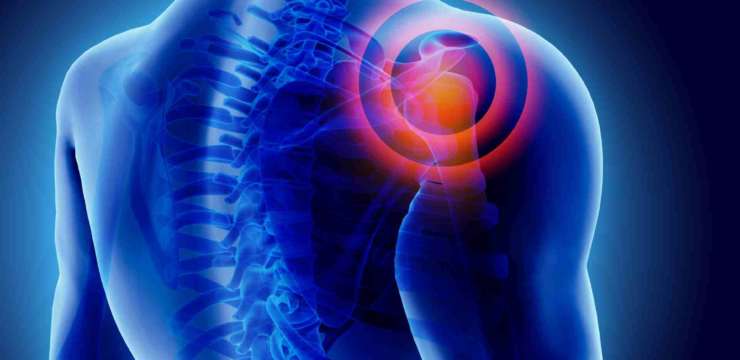
Navigate your functional wellness journey to learning about CPT2 deficiency with essential insights and practical tips for better health.
Table of Contents
Thriving with CPT2 Deficiency: Your Roadmap to Energy, Strength, and Daily Wins
CPT2 deficiency is a rare genetic disorder that changes how your body uses fat for energy. Adults who have it often have muscle pain, extreme tiredness, and muscles that suddenly break down. This guide makes it easy to understand. It tells you what CPT2 normally does and what can go wrong with it. It discusses how it affects the entire body, particularly muscles and movement. There is a list of things that can trigger a panic attack, along with early signs to look out for. The best part? Natural ways to manage symptoms and feel stronger. Changes to your diet, gentle therapies, and smart choices are all factors to consider. Health coaching brings everything together to make a plan just for you. Real clinic data show that it works. By the end, you’ll know how to boost your body’s own CPT2 power.
CPT2 Basics: Fuel for Your Cells
Cells need energy to work. Sugar gives you quick bursts of energy. Fat is needed for long-lasting power. Fat can’t get into mitochondria, which are the cell’s powerhouses, on its own. The enzyme that helps is CPT2. It is inside the wall of the mitochondrion. Carnitine brings in fat. CPT1 attaches a tag to it externally. The tag is taken off by CPT2. Now ATP, which gives energy to muscles, the heart, and everything else, is made from fat. A healthy CPT2 means you have steady energy for walks, work, or play without crashing.
Types of CPT2 Deficiency
Bad CPT2 genes from both parents cause it. Three main kinds:
- Infant lethal – No fat use; babies rarely survive past weeks.
- Childhood – Hits the heart, liver, and muscles early.
- Adult muscle form – Mildest. Pain only with big pushes. Most common in grown-ups.
Focus here: adult type. Lifestyle fixes prevent most bad days.
Body and Muscle Impacts
Weak CPT2 lets fat build up. Muscles go hungry during steady activity. Cells break. You get:
- Deep pain in legs, back, and shoulders
- Stiffness for days
- Cola-colored urine from muscle leak
- Weakness, swelling
- Fever after episodes
Worst: rhabdomyolysis. Muscles melt. Kidney risk is high.
Muscles connect to bones and joints. Repeated leaks inflame everything. Chronic ache in the hips, knees, and spine. Slower recovery from slips or strains.
Triggers from Environment and Habits
Genes set it up. Daily choices spark it:
- Long exercise without carbs
- Fasting or big meal gaps
- Infections, colds
- Cold air or water
- Stress, bad sleep, booze
- High-fat eats before activity
Studies show that most attacks are triggered by two or more factors.
Spot Signs Early
Catch whispers:
- Heavy legs early in activity
- Thirst, headache mid-effort
- Skin color off
- Urine like weak tea
Track in app. Tell loved ones. Early action halves ER visits.
Unlocking Vitality: Chiropractic Wisdom and the Science of Functional Healing-Video
Core Medical Management
Blood tests in attacks: high CK, dark urine. Genes confirm.
Daily habits:
- Eat every 3-4 hours
- Carbs first: fruits, grains, potatoes
- Fat low: under 25%
- Water: 3 liters
- Sleep: 8 hours
- Carb boost pre-effort
Med option: Special oils, such as triheptanoin, fill gaps.
Chiropractic: Natural Muscle Reset
Attacks the knot muscles, shifts the spine. Gentle adjustments fix without meds.
Clinics that use functional medicine often see cases involving metabolic disorders. Notes: “Old muscle damage misaligns spine, pinches nerves. One light adjustment boosts flow. Patients feel looser fast.”
Plan example:
- Soft thrusts to the back/neck
- Flexion to hydrate discs
- Daily home traction
Many cut pain meds after weeks.
Acupuncture for Calm and Recovery
Needles at energy points can ease stress and reduce inflammation. Reviews show faster CK drop with it.
Add press-on seeds for home use during cramps.
Soft Tissue Work for Fast Healing
Tools scrape scars. Release techniques free tight spots. Needling resets points.
Patients recover quickly from triggered events.
Nutrition: Build CPT2 Support
Plate guide:
- Half carbs: oats, bananas, rice
- Quarter protein: lean meats, beans
- Quarter veggies
- Small fats: nuts, avocado
Day example:
- Breakfast: fruit oatmeal
- Snack: rice cake, apple
- Lunch: turkey, sweet potato
- Pre-move: gel
- Dinner: fish greens
- Night: yogurt
Supplements with Proof
- B2 riboflavin: aids weak enzyme
- CoQ10: energy extra
- Carnitine, if it is low
- Omega-3: less swelling
- Vitamin D: bone strength
Trials: Meds plus CoQ10 increase fat burn, decrease pain.
Exercise: Safe and Building
Short sessions teach sugar use.
Start:
- 5 min walk + squats
- 3x week
- Pre-carb
Build:
- Intervals
- Bands for strength
- Heart low
Studies: no attacks, more power.
Holistic 12-Week Plan with Coaching
Health coaches guide personal tweaks.
- Week 1: Log food, carbs, water
- Week 2: Posture check, first adjustment
- Week 3: Short walks, night snack
- Week 4: Labs for levels
- Week 5: Acupuncture starts
- Week 6: Tissue therapy
- Week 7: Circuits up
- Week 8: Carb goal 60%
- Week 9: Bands
- Week 10: Sleep track
- Week 11: Breathe for stress
- Week 12: Review wins
Success Stories
Adults report: increased energy, playing sports again, and no hospital stays after the plan.
Emergency Signs
Dark urine + sick, chest issues – go now.
Kit: drinks, snacks.
Common Qs
Pizza? Occasionally with carbs.
Kids? 25% risk each.
Chiro safe? Yes, gentle.
Take Action
Choose three: a breakfast with carbs, a short walk, and some water. Coach helps make it fit. Rare means special. Fuel right, move smart, and thrive.
References
- American Psychological Association. (2020). Publication manual of the American Psychological Association (7th ed.). doi.org/10.1037/0000165-000
- Anichini, A., Fanin, M., Vianey-Saban, C., Cassandrini, D., Fiorillo, C., Bruno, C., Cassanello, M., Angelini, C., & Bruno, C. (2011). Genotype-phenotype correlations in a large series of patients with muscle carnitine palmitoyltransferase II deficiency. Human Mutation, 32(1), 1–9. pubmed.ncbi.nlm.nih.gov/20810031/
- Bonnefont, J. P., Bastin, J., Laforêt, P., Aubey, F., Mogenet, A., Romano, S., Ricquier, D., Gobin-Limballe, S., Vassault, A., Behin, A., Eymard, B., Bresson, J. L., & Djouadi, F. (2010). Long-term follow-up of bezafibrate treatment in patients with the myopathic form of carnitine palmitoyltransferase 2 deficiency. Clinical Pharmacology & Therapeutics, 88(1), 101–108. doi.org/10.1038/clpt.2010.55
- Deschauer, M., Wieser, T., & Zierz, S. (2005). Muscle carnitine palmitoyltransferase II deficiency: Clinical and molecular genetic features and diagnostic aspects. Archives of Neurology, 62(1), 37–41. doi.org/10.1001/archneur.62.1.37
- Joshi, P. R., & Zierz, S. (2019). Muscle carnitine palmitoyltransferase II (CPT II) deficiency: A conceptual approach. Molecules, 25(8), 1784. doi.org/10.3390/molecules25081784
- Lehmann, D., Motlagh, L., Robaa, D., & Zierz, S. (2017). Muscle Carnitine Palmitoyltransferase II Deficiency: A Review of Enzymatic Controversy and Clinical Features. International journal of molecular sciences, 18(1), 82. pubmed.ncbi.nlm.nih.gov/28054946/
- MedlinePlus. (2023). Carnitine palmitoyltransferase II deficiency. U.S. National Library of Medicine. medlineplus.gov/genetics/condition/carnitine-palmitoyltransferase-ii-deficiency/
- National Center for Biotechnology Information. (2019). Carnitine palmitoyltransferase II deficiency. GeneReviews. www.ncbi.nlm.nih.gov/books/NBK1253/
- Roe, C. R., Yang, B. Z., Brunengraber, H., Roe, D. S., Wallace, M., & Garritson, B. K. (2008). Carnitine palmitoyltransferase II deficiency: successful anaplerotic diet therapy. Neurology, 71(4), 260–264. pubmed.ncbi.nlm.nih.gov/18645163/
- Wikipedia. (2025). Carnitine palmitoyltransferase II deficiency. en.wikipedia.org/wiki/Carnitine_palmitoyltransferase_II_deficiency
What's your reaction?