Table of Contents
What a Chiropractic Spine Adjustment Does and Why Team-Based Care Can Improve Recovery
A chiropractic spine reduction, more commonly called a spinal adjustment or spinal manipulation, is a hands-on, non-surgical treatment used to help spinal joints move more freely and reduce pain. During an adjustment, a chiropractor uses their hands or a small instrument to apply a quick, controlled force to a specific spinal joint. The goal is to improve joint motion, support better alignment, and reduce stress on nearby muscles and nerves. Cleveland Clinic explains that chiropractors may use adjustments to decrease pain and improve range of motion, while NCCIH describes spinal manipulation as a controlled thrust delivered to a spinal joint.
Many people notice a popping or cracking sound during an adjustment. That sound is usually linked to gases such as oxygen, nitrogen, and carbon dioxide being released from the joint space as the joint moves and stretches. Cleveland Clinic notes that this is similar to the sound people hear when they crack their knuckles. The sound can be surprising, but it does not automatically mean damage is happening. In most cases, the movement is brief, controlled, and intentional.
How a spinal adjustment works
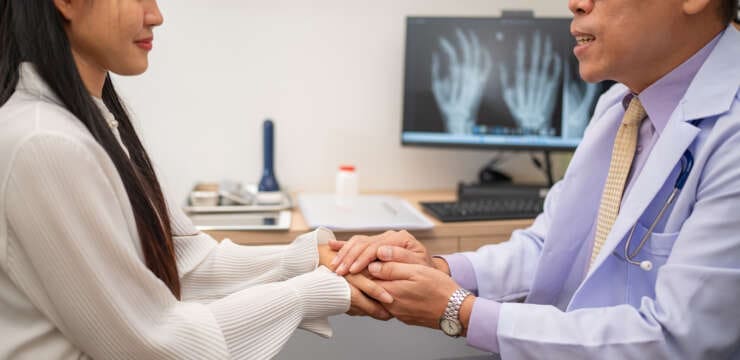
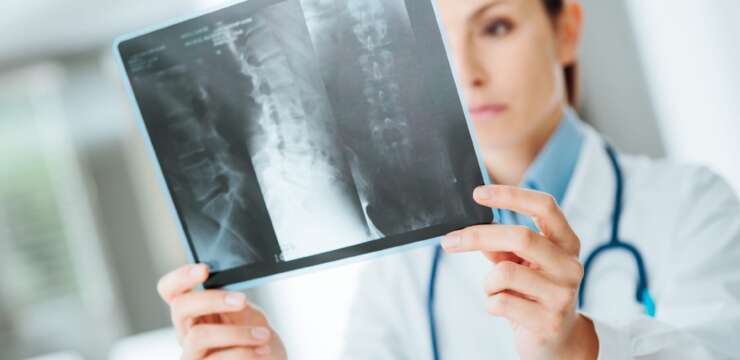
A healthy spine needs good joint motion. When one or more spinal joints become stiff or do not move well, a person may feel pain, tightness, reduced flexibility, or irritation in nearby tissues. A chiropractic adjustment is designed to restore movement to those joints. According to the Cleveland Clinic, the chiropractor first reviews the patient’s history, performs an exam, and may order imaging, such as X-rays, CT scans, or MRIs, when needed, before developing a treatment plan.
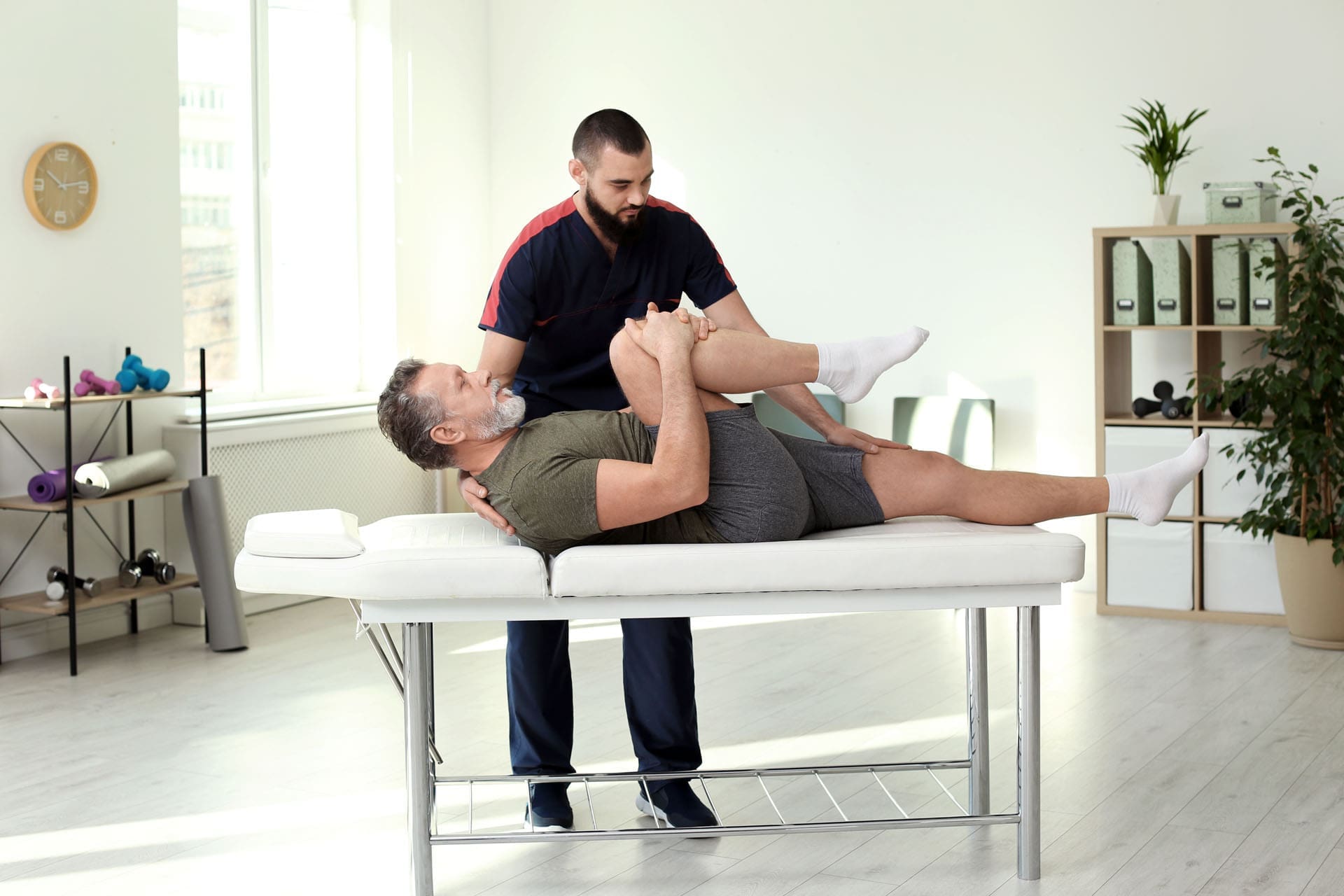
During the adjustment, the patient is usually placed on a treatment table in a position that allows the chiropractor to target a specific area. Then a quick, controlled push is delivered to the joint. This movement may help:
-
improve joint motion
-
reduce stiffness
-
decrease pain
-
improve range of motion
-
support better movement patterns in the spine and nearby muscles
Cleveland Clinic states that adjustments can reduce pain, improve alignment, and improve physical function. NCCIH also reports that spinal manipulation may produce small improvements in pain and function for some people with low back pain and may also help some people with neck pain.
Why does the cracking sound happen?
The cracking sound often gets the most attention, but it is only one small part of the process. Cleveland Clinic explains that when the joint is stretched, trapped gases in the joint cavity can be released, which creates the sound. This is why the noise is often described as a gas release rather than a bone grinding or breaking.
This means the sound itself is not the treatment goal. The real goal is better joint function. Some adjustments produce sound, while others do not. A quiet adjustment can still be effective if the joint motion improves and symptoms decrease.
What patients may feel before, during, and after
Most patients do not describe an adjustment as severely painful. Cleveland Clinic says chiropractic adjustments usually cause little to no pain during the procedure, though some people may feel sensations similar to those after exercise. Mild soreness can happen afterward, especially after an early visit or when tight areas are treated. NCCIH also notes that mild side effects, such as temporary soreness, stiffness, discomfort, or headache, can occur after spinal manipulation and usually resolve within 24 hours.
Patients may also notice:
-
less muscle tension
-
easier turning or bending
-
better posture awareness
-
improved comfort with walking, standing, or sitting
-
temporary tiredness after treatment
These effects can vary from person to person. Some people feel improvement right away, while others improve more gradually over several visits combined with exercise, stretching, and home care advice. Cleveland Clinic notes that chiropractors often recommend exercises, stretches, posture changes, stress management, and other supportive steps after an adjustment.
What conditions adjustments may help?
Spinal adjustments are often used for musculoskeletal complaints, especially those involving the neck, back, joints, and soft tissues. Cleveland Clinic lists common reasons people seek chiropractic care, including low back pain, neck pain, headaches, sciatica, joint dysfunction, whiplash, muscle pain, and stiffness. The NCCIH reports that spinal manipulation is one of several non-drug options that may help with acute or chronic low back pain, and it may help with some neck pain cases as well.
This is one reason chiropractic care is often part of a broader conservative care plan. Instead of relying solely on medication, patients may use a combination of adjustments, soft-tissue work, rehabilitation exercises, posture correction, and medical evaluation when needed.
Safety and important limits
Spinal manipulation is widely used, but it is not for everyone. A careful exam is important before treatment. Cleveland Clinic states that patients should be screened to make sure chiropractic care is appropriate for their condition. If it is not the right fit, the patient should be referred to another provider.
NCCIH reports that mild short-term side effects are fairly common, but serious side effects are very rare. Even so, rare complications involving spinal or neurological problems have been reported. That is why treatment should be performed by a trained, licensed professional who knows when to adjust, when to modify care, and when to refer out for more testing or medical treatment.
Patients should seek prompt medical attention if they develop unusual symptoms after treatment, such as:
-
worsening pain
-
numbness
-
weakness
-
loss of normal function
-
symptoms that do not improve or feel out of the ordinary
Cleveland Clinic specifically advises contacting a healthcare provider if unusual weakness, numbness, or worsening pain occurs after an adjustment.
Why interdisciplinary care matters
Adding an interdisciplinary team can greatly strengthen patient care. This is especially true when a patient has a complex case, chronic pain, an injury history, or more than one health issue at the same time. In these situations, structural care alone may not be enough. A coordinated team can address joint mechanics, pain, inflammation, lifestyle, medication needs, diagnostics, nutrition, recovery planning, and patient education simultaneously.
The American Nurses Association explains that APRNs include nurse practitioners and other advanced nursing roles, and that they diagnose illness, manage chronic disease, advise the public on health issues, and provide preventive care. ANA also notes that nurse practitioners assess, diagnose, and treat illness and injury across the lifespan. Goodwin University explains that an FNP is an APRN with specialized education in family practice who may diagnose, prescribe, and treat common illnesses, and who focuses strongly on prevention and patient education.
When chiropractic care is paired with advanced practice nursing care, patients may benefit from both structural and medical support. Health Coach Clinic describes this type of collaboration as a way to address pain, improve mobility, and provide broader medical oversight and patient education.
Understanding the added credentials in team-based care
An interdisciplinary model becomes even more useful when the provider team includes advanced training in both spine care and whole-person care. Based on Dr. Alexander Jimenez’s clinical materials, his credentials include DC, APRN, FNP-BC, CFMP, IFMCP, ATN, and CCST. His site describes a practice that combines chiropractic care, family nurse practitioner training, functional medicine principles, wellness assessment, and multidisciplinary rehabilitation planning.
In plain terms, these credentials reflect different layers of care:
-
DC: chiropractic evaluation and spinal/joint treatment
-
APRN: advanced nursing practice with assessment, diagnosis, and management
-
FNP-BC: board-certified family nurse practitioner training across the lifespan
-
CFMP and IFMCP: added functional medicine education focused on root causes, systems thinking, and personalized care
-
ATN: advanced translational nutrigenomics focus
-
CCST: training related to chiropractic spinal trauma care
This type of training can be especially helpful in patients with complex recovery needs, such as those dealing with pain plus inflammation, poor sleep, nutrition problems, stress overload, previous injury, or chronic metabolic concerns. Dr. Jimenez’s published clinical materials describe an integrative model that combines structural rehabilitation with functional and medical evaluation to support recovery and long-term function.
Clinical observations from Dr. Alexander Jimenez
According to Dr. Alexander Jimenez’s clinical website, his practice model focuses on restoring normal bodily function after neck, back, spinal, and soft-tissue injuries, and uses functional and integrative assessments to consider the bigger picture of health. His site describes a multidisciplinary approach that includes musculoskeletal care, wellness, nutrition, functional medicine, and collaboration with specialists from different disciplines.
These observations fit well with what many patients need in real-world recovery. For example, a person with back pain may also need help with posture, inflammation, exercise planning, imaging review, medication management, or support for chronic disease. A chiropractor can improve spinal mechanics, while an APRN or FNP-BC can evaluate broader medical factors that may be affecting healing. That kind of coordination may help the patient recover more completely and safely.
The bigger picture
A chiropractic spinal adjustment is more than a quick crack. It is a targeted manual treatment used to improve spinal joint motion, ease pain, and support better function. The cracking sound often comes from gas release in the joint, not from damage. Many people experience improved range of motion and reduced tension afterward, especially when care is part of a broader plan that includes exercise, posture work, and good follow-up.
The strongest outcomes often come from matching the treatment to the patient. When care includes an interdisciplinary team such as a chiropractor, APRN, FNP-BC, and functional medicine-trained providers, patients may receive a more complete plan that addresses both symptoms and root causes. That is the value of combining structural care, medical oversight, rehabilitation, and patient education into one coordinated recovery model.
References
Cleveland Clinic. (2022, April 25). Chiropractic Adjustment Care, Treatment & Benefits.
Goodwin University. (2021, October 7). APRN vs. FNP: What’s the Difference?.
Health Coach Clinic. (n.d.). Advantages of Chiropractic and Nurse Practitioners in Recovery.
National Center for Complementary and Integrative Health. (n.d.). Spinal Manipulation: What You Need To Know.
American Nurses Association. (n.d.). Advanced Practice Registered Nurses (APRN).
Jimenez, A. (n.d.). El Paso, TX Chiropractor Dr. Alex Jimenez DC | Personal Injury Specialist.
Personal Injury Doctor Group. (2024, June 12). The Role of Nursing in a Clinical Approach: Explained.
Disclaimers
Professional Scope of Practice *
The information herein on "What a Chiropractic Spine Adjustment Does for You" is not intended to replace a one-on-one relationship with a qualified health care professional or licensed physician and is not medical advice. We encourage you to make healthcare decisions based on your research and partnership with a qualified healthcare professional.
Blog Information & Scope Discussions
Welcome to El Paso's wellness blog, where Dr. Alex Jimenez, DC, FNP-C, a board-certified Family Practice Nurse Practitioner (FNP-C) and Chiropractor (DC), presents insights on how our team is dedicated to holistic healing and personalized care. Our practice aligns with evidence-based treatment protocols inspired by integrative medicine principles, similar to those found on dralexjimenez.com, focusing on restoring health naturally for patients of all ages.
Our areas of chiropractic practice include Wellness & Nutrition, Chronic Pain, Personal Injury, Auto Accident Care, Work Injuries, Back Injury, Low Back Pain, Neck Pain, Migraine Headaches, Sports Injuries, Severe Sciatica, Scoliosis, Complex Herniated Discs, Fibromyalgia, Chronic Pain, Complex Injuries, Stress Management, Functional Medicine Treatments, and in-scope care protocols.
Our information scope is limited to chiropractic, musculoskeletal, physical medicine, wellness, contributing etiological viscerosomatic disturbances within clinical presentations, associated somato-visceral reflex clinical dynamics, subluxation complexes, sensitive health issues, and functional medicine articles, topics, and discussions.
We provide and present clinical collaboration with specialists from various disciplines. Each specialist is governed by their professional scope of practice and their jurisdiction of licensure. We use functional health & wellness protocols to treat and support care for the injuries or disorders of the musculoskeletal system.
Our videos, posts, topics, subjects, and insights cover clinical matters, issues, and topics that relate to and directly or indirectly support our clinical scope of practice.*
Our office has reasonably attempted to provide supportive citations and has identified the relevant research studies or studies supporting our posts. We provide copies of supporting research studies available to regulatory boards and the public upon request.
We understand that we cover matters that require an additional explanation of how they may assist in a particular care plan or treatment protocol; therefore, to discuss the subject matter above further, please feel free to ask Dr. Alex Jimenez, DC, APRN, FNP-BC, or contact us at 915-850-0900.
We are here to help you and your family.
Blessings
Dr. Alex Jimenez DC, MSACP, APRN, FNP-BC*, CCST, IFMCP, CFMP, ATN
email: coach@elpasofunctionalmedicine.com
Licensed as a Doctor of Chiropractic (DC) in Texas & New Mexico*
Texas DC License # TX5807
New Mexico DC License # NM-DC2182
Licensed as a Registered Nurse (RN*) in Texas & Multistate
Texas RN License # 1191402
ANCC FNP-BC: Board Certified Nurse Practitioner*
Compact Status: Multi-State License: Authorized to Practice in 40 States*
Graduate with Honors: ICHS: MSN-FNP (Family Nurse Practitioner Program)
Degree Granted. Master's in Family Practice MSN Diploma (Cum Laude)
Dr. Alex Jimenez, DC, APRN, FNP-BC*, CFMP, IFMCP, ATN, CCST
My Digital Business Card
What's your reaction?