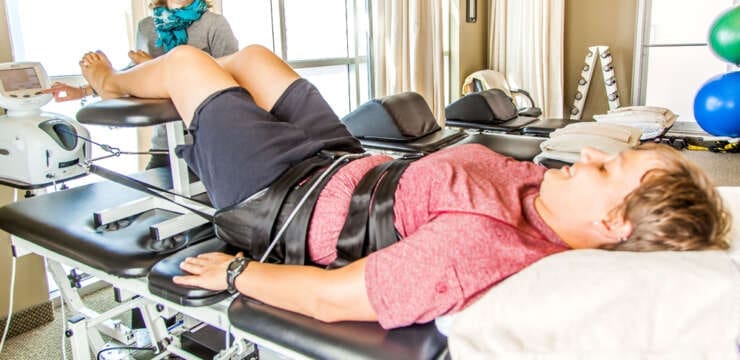
Discover the benefits of chiropractic treatment in alleviating pain and promoting overall recovery after a crash.
Table of Contents
Chiropractic Care After Motor Vehicle Accidents: A Comprehensive Guide
Introduction: The Hidden Toll of Motor Vehicle Accidents
Picture this: you’re cruising down the highway, minding your own business, when suddenly—crash!—your car becomes an unwilling participant in a metal-munching ballet. Motor vehicle accidents (MVAs) are no laughing matter, but if Wednesday Addams were behind the wheel, she’d probably smirk and say, “Well, at least it’s a memorable way to ruin my day.” Jokes aside, MVAs are a leading cause of injury worldwide, with the World Health Organization (2023) reporting that road traffic injuries claim approximately 1.19 million lives annually and leave 20 to 50 million people with non-fatal injuries, many of which lead to disability.
The aftermath of an MVA can be a grim parade of aches, pains, and hidden injuries that sneak up like an uninvited guest at a funeral. Musculoskeletal injuries, such as whiplash, back pain, and soft tissue damage, are particularly common and can significantly impact quality of life if left untreated. Enter chiropractic care—a non-invasive, hands-on approach that focuses on restoring the body’s alignment and function. This blog post explores why chiropractic care is a vital component of recovery for MVA victims, with a special focus on the expertise of Dr. Alexander Jimenez, a distinguished chiropractor in El Paso, Texas. We’ll delve into the clinical rationale behind chiropractic interventions, the correlation between musculoskeletal pain and auto injuries, and the critical role of advanced diagnostics in personal injury cases—all with a touch of dark humor to keep things bearable, like Wednesday Addams narrating a particularly dreary recovery tale.
References
- World Health Organization. (2023). Road traffic injuries. www.who.int/news-room/fact-sheets/detail/road-traffic-injuries
Common Injuries from Motor Vehicle Accidents
MVAs are like a twisted game of bumper cars, except the stakes are higher, and the prizes are pain and suffering. The sudden forces involved—whether from a rear-end collision, a side impact, or a rollover—can cause significant damage to the body. According to Forbes Advisor (2023), injuries from car accidents fall into two main categories: impact injuries (when your body slams into the car’s interior) and penetrating injuries (when flying objects, like shattered glass, turn you into a pincushion). Here’s a rundown of the most common culprits:
- Whiplash: The neck’s dramatic whip-like motion during a crash can strain muscles and ligaments, leading to pain, stiffness, and headaches. Symptoms may include dizziness, blurred vision, or even a touch of existential dread (okay, maybe not that last one).
- Back Injuries: Sprains, strains, and herniated discs are common, often causing pain that radiates to the legs or arms. The National Spinal Cord Injury Statistical Center notes that MVAs account for 38% of spinal cord injuries in the U.S.
- Shoulder and Knee Injuries: Bracing against the steering wheel or dashboard can lead to rotator cuff tears or meniscus damage. Kraft Law (2024) notes that knee injuries can range from minor bruises to severe fractures.
- Fractures: Wrists, ankles, and ribs are particularly vulnerable, often requiring immobilization or surgery.
- Hawkins: The adrenaline rush from a crash can mask pain, making it seem like you’ve escaped unscathed—until the soreness creeps in like a grim reminder of mortality. Soft tissue injuries, like sprains and strains, are the leading cause of muscle pain post-crash, per Bryant PSC (2021).
These injuries often translate into musculoskeletal pain, which affects bones, muscles, ligaments, tendons, and nerves. This pain can be acute (short-term) or chronic (long-term), manifesting as aching, stiffness, or soreness. For instance, whiplash can cause neck pain that spreads to the shoulders, while a herniated disc might send shooting pain down the leg. The correlation is clear: the trauma from an MVA disrupts the body’s alignment and function, leading to persistent discomfort that can haunt you like a ghost in a gothic novel.
References
- Forbes Advisor. (2023). 15 Common Car Crash Injuries. www.forbes.com/advisor/legal/auto-accident/car-crash-injuries/
- Kraft Law. (2024). Common Injuries Resulting From Car Accidents. www.kraftlaw.com/car-accidents/common-injuries-car-accidents/
- Bryant PSC. (2021). Common Car Accident Injury Symptoms. www.bryantpsc.com/common-car-accident-injury-symptoms/
- StatPearls. (2023). Motor Vehicle Collisions. www.ncbi.nlm.nih.gov/books/NBK441955/
Clinical Rationale for Chiropractic Care
Chiropractic care is like the grim reaper of misalignments, methodically restoring order to a body thrown into chaos by an MVA. The Croft Whiplash Treatment Guidelines (2002) provide a structured framework for treating whiplash-associated disorders (WADs), which are a hallmark of MVAs. These guidelines outline four stages of injury:
- Acute Inflammatory Stage (0-72 hours): Inflammation and pain predominate, necessitating frequent interventions to manage swelling.
- Repair Stage (72 hours – 14 weeks): Tissues begin healing, and treatments support recovery while preventing complications.
- Remodeling Stage (14 weeks – 12 months or more): Scar tissue forms, and therapy focuses on restoring function.
- Chronic Stage: Untreated injuries can become permanent, leading to lifelong pain.
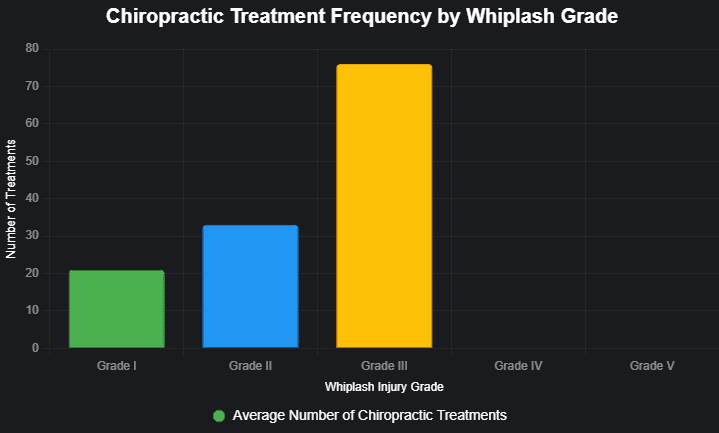
The guidelines also categorize WADs into five grades of severity:
| Grade | Description | Treatment Frequency (Example) | Duration | Total Treatments |
|---|---|---|---|---|
| I | Minimal; no range of motion limitation, no neurological symptoms | Daily for 1 week, then 1-2x/week | Up to 10 weeks | ~21 |
| II | Slight; limited motion, no neurological findings | Daily for 1 week, then 3x/week | Up to 29 weeks | ~33 |
| III | Moderate; neurological findings present | 1-2x/week initially | Up to 56 weeks | ~76 |
| IV | Moderate to severe; ligamentous instability, fractures | 2-3x/week initially | May require permanent care | Varies |
| V | Severe; requires surgical stabilization | Post-surgical chiropractic care | Varies | Varies |
Chiropractic adjustments realign the spine and joints, reducing nerve irritation and improving mobility. Additional therapies, like massage or exercises, complement these adjustments, addressing the whole body’s needs. Factors such as advanced age or pre-existing conditions (e.g., arthritis, osteoporosis) can complicate recovery, necessitating tailored plans.
References
- Croft, A. C. (2002). Whiplash: The Science and the Symptoms. Haworth Medical Press.
Benefits of Chiropractic Care for MVA Patients
Chiropractic care is like a dark fairy tale: it doesn’t promise a happy ending overnight, but it works magic over time. According to Metrowest Spine Clinic (2018), key benefits include:
- Pain Relief: Spinal adjustments reduce nerve pressure, thereby alleviating pain without the need for medication. Spine Chiropractic (2019) notes that this can decrease inflammation, easing discomfort.
- Improved Mobility: Adjustments and exercises help restore range of motion, countering stiffness caused by injuries such as whiplash.
- Non-Invasive Approach: Unlike surgery, chiropractic care avoids invasive risks, making it a safer option for many.
- Holistic Healing: Chiropractors address overall health, incorporating nutrition and lifestyle advice for comprehensive recovery.
- Preventing Chronic Pain: Early intervention can prevent injuries from becoming lifelong conditions, as Oviedo Chiropractic (2025) emphasizes the importance of identifying hidden injuries early.
Imagine your spine as a haunted house—chiropractic care exorcises the misalignments, allowing your body to rest in peace (or at least experience less pain).
References
- Metrowest Spine Clinic. (2018). 9 Benefits of Chiropractic Care After An Auto Accident. metrowestspineclinic.com/9-benefits-of-chiropractic-care-after-an-auto-accident/
- Spine Chiropractic. (2019). 5 Benefits of Chiropractic Treatment After a Car Accident. spine-chiropractic.com/blog/5-benefits-of-chiropractic-treatment-after-a-car-accident/
- Oviedo Chiropractic. (2025). 10 Reasons To See a Car Accident Chiropractor. chiropractorinoviedo.com/blog/10-reasons-you-should-see-a-car-accident-chiropractor/
Chiropractic Care After Accidents and Injuries- Video
Dr. Alexander Jimenez’s Expertise in El Paso
Dr. Alexander Jimenez is El Paso’s chiropractic equivalent of a gothic hero—part healer, part detective. With over 25 years of experience as a chiropractor and board-certified family nurse practitioner, he brings a unique blend of skills to Injury Medical Clinic. His dual licensure allows him to integrate chiropractic care with functional medicine, addressing both biomechanical and systemic health issues. According to El Paso Back Clinic (2025), Dr. Jimenez uses advanced imaging (X-rays, MRIs) to pinpoint injuries like disc herniations or ligament tears, ensuring precise treatment plans.
His approach is patient-centered, emphasizing education through blogs, videos, and webinars (LinkedIn, 2025). He’s like Wednesday Addams with a stethoscope—methodical, thorough, and dedicated to uncovering the root of your pain. His clinic’s focus on conditions like whiplash, sciatica, and sports injuries makes him a go-to for MVA victims.
References
- Dr. Alex Jimenez. (n.d.). El Paso, TX Doctor Of Chiropractic. dralexjimenez.com/amp/
- LinkedIn. (2025). Dr. Alexander Jimenez DC, APRN, FNP-BC, IFMCP, CFMP, ATN. www.linkedin.com/in/dralexjimenez/
- El Paso Back Clinic. (2025). Dr. Jimenez Injury Rehabilitation: Effective MVA Care. elpasobackclinic.com/dr-jimenez-injury-rehabilitation-effective-mva-care/
Personal Injury Cases in El Paso
In the grim world of personal injury cases, documentation is your lifeline. MVAs often lead to legal claims, and chiropractors like Dr. Jimenez play a pivotal role. His detailed medical reports, supported by objective findings from advanced diagnostics, provide the necessary evidence for compensation. In El Paso, where MVAs are common, his expertise is invaluable. As noted by the Personal Injury Doctor Group (2017), his team has specialized in injury care for over three decades, bridging the medical and legal needs like a dark knight of rehabilitation.
Dr. Jimenez’s ability to correlate injuries with imaging results strengthens legal cases, ensuring patients receive both care and justice. It’s like having Wednesday Addams as your advocate—uncompromising and precise.
References
- Personal Injury Doctor Group. (2017). Contact Insert Post – El Paso’s Personal Injury Doctors. personalinjurydoctorgroup.com/amp/
- El Paso Back Clinic. (2025). Dr. Jimenez Injury Rehabilitation: Effective MVA Care. elpasobackclinic.com/dr-jimenez-injury-rehabilitation-effective-mva-care/
Advanced Imaging, Diagnostic Evaluations, and Dual-Scope Procedures
Advanced imaging is the flashlight in the dark attic of MVA injuries. Techniques like X-rays, MRIs, and CT scans reveal hidden damage—fractures, disc herniations, or nerve compression—that physical exams might miss (American Chiropractic Association, n.d.). Diagnostic evaluations combine a patient’s history, physical assessments, and imaging to create a comprehensive picture. “Dual-scope procedures” likely refer to the integration of multiple diagnostic tools or the combination of chiropractic adjustments with therapies such as massage or physiotherapy for a comprehensive approach.
Dr. Jimenez’s use of these tools ensures accurate diagnoses, guiding the development of effective treatment plans. It’s like solving a mystery with a grim determination to uncover every clue.
References
- American Chiropractic Association. (n.d.). Diagnostic Imaging. www.acatoday.org/Patients/Health-Wellness-Information/Diagnostic-Imaging
- Chiropractic Economics. (2020). The Role of Imaging in Chiropractic Practice. www.chiroeco.com/the-role-of-imaging-in-chiropractic-practice/
Conclusion
Chiropractic care is a cornerstone of recovery for MVA victims, offering pain relief, improved mobility, and a path to prevent chronic issues. Dr. Alexander Jimenez’s expertise in El Paso, combining chiropractic care with advanced diagnostics, ensures patients receive tailored, effective treatment while supporting their legal claims. This post incorporates a touch of dark humor to lighten the mood, but the topic remains serious. If you’ve been in an MVA, consult a qualified chiropractor to assess and treat your injuries promptly.
Disclaimer: This blog post is for informational purposes only and does not constitute medical advice. Always consult a qualified healthcare professional for diagnosis and treatment.
Key Citations
- World Health Organization: Road traffic injuries www.who.int/news-room/fact-sheets/detail/road-traffic-injuries
- Forbes Advisor: 15 Common Car Crash Injuries www.forbes.com/advisor/legal/auto-accident/car-crash-injuries/
- Kraft Law: Common Injuries Resulting From Car Accidents www.kraftlaw.com/car-accidents/common-injuries-car-accidents/
- Bryant PSC: Common Car Accident Injury Symptoms www.bryantpsc.com/common-car-accident-injury-symptoms/
- StatPearls: Motor Vehicle Collisions www.ncbi.nlm.nih.gov/books/NBK441955/
- Metrowest Spine Clinic: 9 Benefits of Chiropractic Care After An Auto Accident metrowestspineclinic.com/9-benefits-of-chiropractic-care-after-an-auto-accident/
- Spine Chiropractic: 5 Benefits of Chiropractic Treatment After a Car Accident spine-chiropractic.com/blog/5-benefits-of-chiropractic-treatment-after-a-car-accident/
- Oviedo Chiropractic: 10 Reasons To See a Car Accident Chiropractor chiropractorinoviedo.com/blog/10-reasons-you-should-see-a-car-accident-chiropractor/
- Dr. Alex Jimenez: El Paso, TX Doctor Of Chiropractic dralexjimenez.com/amp/
- LinkedIn: Dr. Alexander Jimenez DC, APRN, FNP-BC, IFMCP, CFMP, ATN www.linkedin.com/in/dralexjimenez/
- El Paso Back Clinic: Dr. Jimenez Injury Rehabilitation: Effective MVA Care elpasobackclinic.com/dr-jimenez-injury-rehabilitation-effective-mva-care/
- Personal Injury Doctor Group: Contact Insert Post – El Paso’s Personal Injury Doctors personalinjurydoctorgroup.com/amp/
- American Chiropractic Association: Diagnostic Imaging www.acatoday.org/Patients/Health-Wellness-Information/Diagnostic-Imaging
- Chiropractic Economics: The Role of Imaging in Chiropractic Practice www.chiroeco.com/the-role-of-imaging-in-chiropractic-practice/
What's your reaction?