Range of motion – ROM measures the movement around a joint or body part. When stretching or moving certain body parts, like a muscle or joint, the range of motion is how far it can move. Individuals with a limited range of motion cannot move a specific body part or joint through its normal range. Measurements are different for everybody, but there are ranges that individuals should be able to achieve for proper function. The Injury Medical Chiropractic and Functional Medicine Team can address issues/problems with ROM through a personalized treatment plan to alleviate symptoms and restore mobility and flexibility.
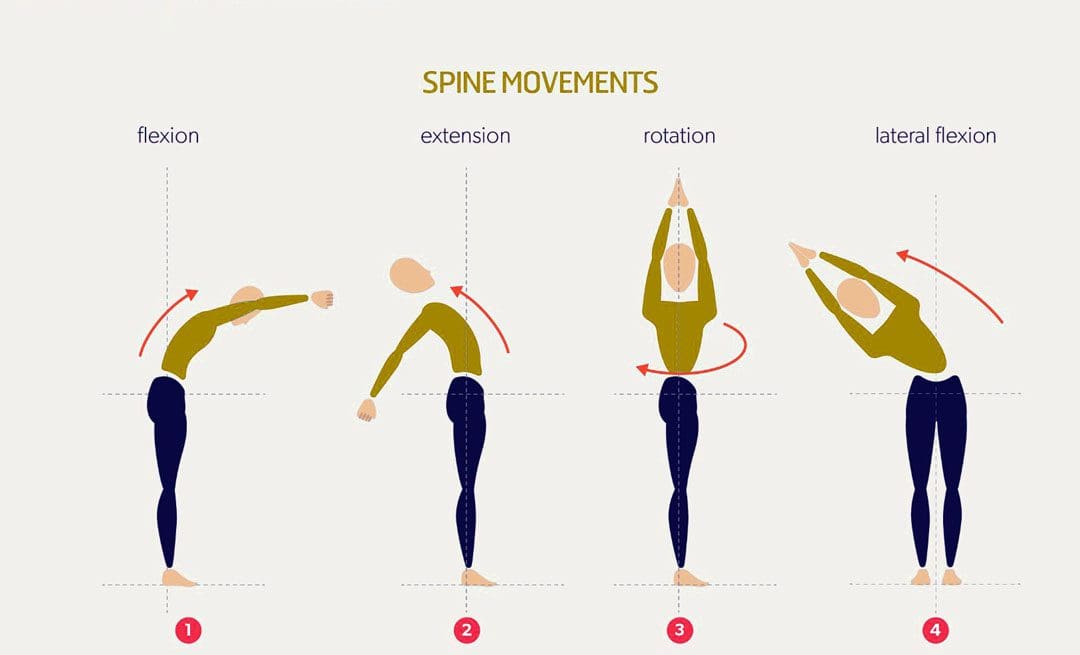
Table of Contents
Improve Range of Motion
Over 250 joints in the body move from extension to flexion and are responsible for all of the body’s movements. These include the ankles, hips, elbows, knees, and shoulders. Tightness in the hips and ankles can decrease ROM when lifting an object, limiting the muscles’ ability. Form and strength potential becomes limited and suffers from an inadequate ROM. When form and posture are compromised, pain and injuries can result. There are many reasons why this can occur, including:
- Tight and stiff muscles.
- Trying to use these muscles can worsen the condition, limiting ROM further.
- A limited ROM in the back, neck, or shoulders may be due to the body being out of natural alignment.
- Repetitive motions, injuries, and everyday wear and tear can shift proper alignment and limit movement.
- Inflammation and swelling around the joints.
- Pain symptoms that are causing mobility issues.
- Joint disorders.
These symptoms can come from:
- Injuries
- Infections
- Conditions like arthritis, brain, nerve, and/or muscle disorders.
- A mild to moderate range reduction may be caused by a sedentary lifestyle or insufficient physical activity.
Daily Living
Decreased range of motion and poor mobility can hinder the body from lifting objects, job occupation performance, and household tasks. A healthy physical ability is what determines independent aging and optimal function.
- Restoring a healthy range of motion can improve physical performance during work, home, and sports activities.
- An improved range of motion allows the affected muscles to work at longer lengths, build strength and relieve tension.
- A stronger muscle capable of contracting efficiently through larger ranges prevents and decreases the risk of injury.
Chiropractic Restoration
Chiropractic care can realign the body and improve range of motion to optimal levels.
Therapeutic and Percussive Massage
- Massage therapy will release the tightness, keep the muscles loose, and increase circulation.
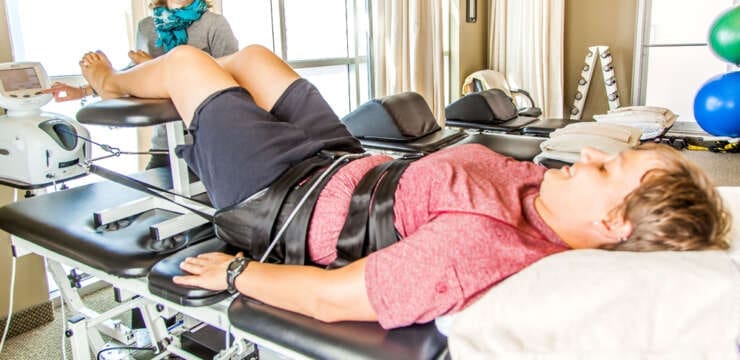
- This prepares the body for chiropractic adjustments and spinal decompression.
Decompression and Adjustments
- Non-surgical mechanical decompression realigns the body to a pliable state.
- Chiropractic adjustments will reset any misalignments, restoring flexibility and mobility.
Exercises
- A chiropractor will provide physical therapy-type exercises and stretches to mobilize the joints.
- Targeted exercises and stretches will help to maintain the adjustments and strengthen the body to prevent ROM worsening and future injuries.
Secrets of Optimal Wellness
References
Behm, David G et al. “Acute effects of muscle stretching on physical performance, range of motion, and injury incidence in healthy active individuals: a systematic review.” Applied physiology, nutrition, and metabolism = Physiologie appliquee, nutrition et metabolisme vol. 41,1 (2016): 1-11. doi:10.1139/apnm-2015-0235
Calixtre, L B et al. “Manual therapy for the management of pain and limited range of motion in subjects with signs and symptoms of temporomandibular disorder: a systematic review of randomized controlled trials.” Journal of oral rehabilitation vol. 42,11 (2015): 847-61. doi:10.1111/joor.12321
Fishman, Loren M. “Yoga and Bone Health.” Orthopedic nursing vol. 40,3 (2021): 169-179. doi:10.1097/NOR.0000000000000757
Lea, R D, and J J Gerhardt. “Range-of-motion measurements.” The Journal of Bone and joint surgery. American Volume vol. 77,5 (1995): 784-98. doi:10.2106/00004623-199505000-00017
Thomas, Ewan, et al. “The Relation Between Stretching Typology and Stretching Duration: The Effects on Range of Motion.” International Journal of sports medicine vol. 39,4 (2018): 243-254. doi:10.1055/s-0044-101146
What's your reaction?