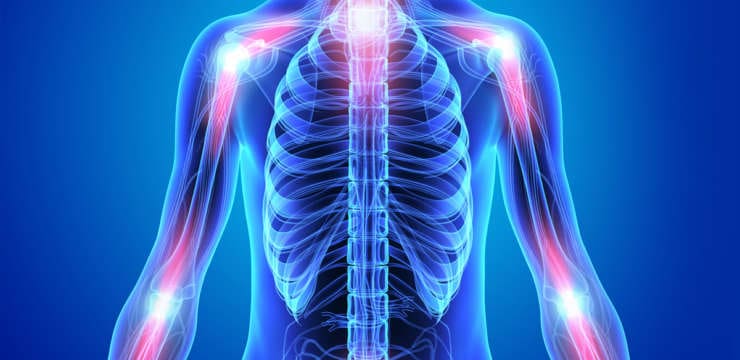
Transform your health with biomechanical restoration through chiropractic care that optimizes joint mechanics for function.
Table of Contents
Chiropractic Care for Joint and Biomechanical Restoration: A Comprehensive Guide
Key Points
- Chiropractic Care Benefits: Research suggests chiropractic care may help alleviate joint pain and improve biomechanical function by addressing misalignments, potentially reducing inflammation and enhancing mobility.
- Mitochondrial Role: Evidence suggests that mitochondrial dysfunction contributes to joint conditions such as osteoarthritis, and chiropractic adjustments may support cellular health by enhancing blood flow and reducing oxidative stress.
- Gut-Brain Connection: The gut microbiome may influence neurological and inflammatory conditions that affect joints, suggesting a holistic approach to chiropractic care could support overall wellness.
- Dr. Alexander Jimenez’s Expertise: Dr. Jimenez, a chiropractor and nurse practitioner in El Paso, Texas, uses advanced diagnostics and integrative methods to treat personal injury cases, potentially aiding recovery through tailored care plans.
- Environmental Factors: Weather, occupational stress, and lifestyle factors like obesity can exacerbate joint pain, and chiropractic care may help mitigate these effects through alignment and lifestyle advice.
- Brain Plasticity: In cases of spinal cord injury, rehabilitation, including chiropractic care, may support brain plasticity, aiding in functional recovery; however, more research is needed.
- Controversy and Caution: While many patients report benefits, the efficacy of chiropractic care for all conditions is debated, and it should be part of a broader treatment plan under professional consultation.
Understanding Chiropractic Care
Chiropractic care is a non-invasive approach that focuses on aligning the spine and joints to relieve pain and improve function. Think of it like tuning a piano—when the strings (or joints) are out of alignment, the music (your body’s movement) doesn’t sound quite right. By correcting these misalignments, chiropractors aim to restore harmony, enabling you to move more effectively and experience reduced pain. This approach is particularly relevant for managing joint pain, whether caused by arthritis, injuries, or daily wear and tear.
Why It Helps Joints
Research suggests that chiropractic adjustments can reduce joint pain by improving alignment and reducing stress on surrounding tissues. For example, studies indicate that spinal manipulation may enhance sensorimotor integration, which could improve joint function (Haavik & Murphy, 2007). Additionally, by potentially enhancing blood flow, chiropractic care may support cellular health, including that of the mitochondria, which are crucial for maintaining joint tissue.
Dr. Jimenez’s Role in El Paso
Dr. Alexander Jimenez, a chiropractor and board-certified nurse practitioner in El Paso, Texas, stands out for his integrative approach to personal injury cases. His clinic utilizes advanced imaging and diagnostic tools to create personalized treatment plans, often combining chiropractic adjustments with targeted rehabilitation exercises. This dual expertise makes him a valuable liaison between medical care and legal documentation for injury claims, ensuring patients receive comprehensive support.
Environmental Impact on Joints
Environmental factors, such as humidity, repetitive workplace motions, or even carrying a few extra pounds, can cause joints to grumble like an old car in cold weather. Chiropractic care may help by improving joint mobility and offering lifestyle advice, such as ergonomic tips or exercises, to counteract these stressors.
The Bigger Picture
Emerging research on the gut microbiome and brain plasticity suggests that overall health has a significant influence on joint function. A balanced gut may reduce systemic inflammation, while brain plasticity could aid recovery in injury cases. Chiropractic care, as part of a holistic plan, might support these processes, though direct evidence is still developing.
Comprehensive Guide to Chiropractic Care for Joint and Biomechanical Restoration
Introduction
Imagine your body as a finely tuned machine, with joints acting as the gears that keep everything moving smoothly. When those gears get stuck—whether from an injury, aging, or just life’s daily grind—it can throw everything off. Chiropractic care steps in like a skilled mechanic, aiming to realign those gears and get you back in motion. This comprehensive guide examines why chiropractic care is a promising option for joint and biomechanical restoration, particularly in cases involving personal injury in El Paso, Texas. We’ll delve into the science behind it, including the role of mitochondria in joint health and the gut-brain axis in overall wellness, and highlight Dr. Alexander Jimenez’s distinctive approach. With a touch of humor to keep things light, we’ll also address how environmental factors affect joint pain and why a holistic approach matters. Buckle up—it’s time to explore how chiropractic care can help you move better and feel better!
The Science Behind Chiropractic Care for Joint Health
Chiropractic care is based on the principle that proper alignment of the spine and joints is essential for overall health. When joints are misaligned (think of a door that won’t close properly), it can lead to pain, inflammation, and limited movement. Chiropractors use manual adjustments to correct these misalignments, known as subluxations, to restore function and reduce discomfort.
Mitochondrial Dysfunction and Osteoarthritis
One key to understanding joint pain lies in the tiny powerhouses inside our cells: mitochondria. These organelles produce ATP, the energy currency that powers cells. In osteoarthritis (OA), a common joint condition, mitochondrial dysfunction plays a significant role. Research indicates that OA chondrocytes (cartilage cells) exhibit reduced activity in mitochondrial complexes I, II, and III, resulting in increased oxidative stress, inflammation, and cartilage degradation (Blanco et al., 2011). This is like a power outage in a factory—without enough energy, the machinery (cartilage) starts to break down.
Chiropractic adjustments may help by improving blood flow and reducing mechanical stress on joints, which can indirectly support mitochondrial function. While direct evidence linking chiropractic care to mitochondrial health is limited, the reduction in oxidative stress and inflammation from improved biomechanics aligns with what mitochondria need to thrive.
Gut Microbiome and Neurological Connections
The gut microbiome, the community of bacteria living in your digestive tract, isn’t just about digestion—it’s like a bustling city that communicates with your brain via the gut-brain axis. Dysbiosis, or an imbalance in gut bacteria, can lead to increased systemic inflammation, which may exacerbate joint pain (Cryan et al., 2020). For example, studies suggest that gut-derived inflammatory mediators can contribute to neurological disorders and potentially exacerbate conditions like arthritis.
Chiropractic care, by promoting overall wellness and reducing nervous system stress, might indirectly support a healthier gut microbiome. Adjustments can influence the autonomic nervous system, which regulates gut function, potentially reducing inflammation that affects joints. It’s like giving your body’s communication network a boost to keep everything in sync.
References
- Blanco, F. J., Rego, I., & Ruiz-Romero, C. (2011). The role of mitochondria in osteoarthritis. Nature Reviews Rheumatology, 7(3), 161-169. doi.org/10.1038/nrrheum.2010.213
- Cryan, J. F., O’Riordan, K. J., Sandhu, K., Peterson, V., & Dinan, T. G. (2020). The gut microbiome in neurological disorders. The Lancet Neurology, 19(2), 179-194. doi.org/10.1016/S1474-4422(19)30356-4
- Haavik, H., & Murphy, B. (2007). Cervical spine manipulation alters sensorimotor integration: A somatosensory evoked potential study. Clinical Neurophysiology, 118(2), 391-402. doi.org/10.1016/j.clinph.2006.10.011
Environmental Factors and Joint Pain
Joint pain doesn’t just come from inside the body—external factors can make your joints feel like they’re staging a protest. Weather changes, particularly shifts in humidity and temperature, can exacerbate stiffness and pain in conditions like arthritis (Arthritis Foundation, 2023). It’s as if your joints are grumpy about the forecast! Occupational hazards, like repetitive motions or poor ergonomics, also contribute by stressing joints over time. For instance, sitting at a poorly designed desk is like asking your spine to do yoga in a cramped closet.
Obesity, another environmental factor influenced by lifestyle, adds extra pressure on joints, especially the spine, hips, and knees (Arthritis Foundation, 2024). Chiropractic care can help improve joint alignment and mobility, thereby reducing the strain caused by external factors. Chiropractors also offer practical advice, such as ergonomic adjustments and exercises, to counteract environmental stressors. For example, strengthening core muscles can support the spine, much like reinforcing the foundation of a house.
Table 1: Environmental Factors Affecting Joint Pain
| Factor | Impact on Joints | Chiropractic Solution |
|---|---|---|
| Humidity/Temperature | Increases stiffness and pain in arthritis | Adjustments to improve mobility |
| Repetitive Motions | Causes joint strain and inflammation | Manual therapy and ergonomic advice |
| Obesity | Adds mechanical stress to the spine, hips, and knees | Lifestyle counseling and rehabilitation exercises |
References
- Arthritis Foundation. (2023). Best climate for arthritis patients: Humidity’s impact on your joints. www.arthritis.org/health-wellness/healthy-living/managing-pain/understanding-pain/best-climate-for-arthritis
- Arthritis Foundation. (2024). Osteoarthritis. www.arthritis.org/diseases/osteoarthritis
The Role of Chiropractic Care in Improving Your Health- Video
Dr. Alexander Jimenez: A Leader in Personal Injury Care
In El Paso, Texas, Dr. Alexander Jimenez stands out as a beacon of hope for individuals dealing with joint pain related to personal injury. With over 25 years of experience as a chiropractor and board-certified nurse practitioner, Dr. Jimenez brings a unique blend of expertise to his Injury Medical & Chiropractic Clinic. His approach is like a Swiss Army knife—versatile and precise, combining chiropractic adjustments with advanced diagnostics and functional medicine.
Integrative Approach to Personal Injury
Personal injury cases, such as those involving whiplash or soft tissue damage from accidents, require careful assessment and treatment. Dr. Jimenez uses advanced imaging, diagnostic evaluations, and dual-scope procedures to pinpoint the extent of injuries. This is like using a high-tech GPS to navigate the complex terrain of a patient’s injury. His tailored treatment plans often include chiropractic adjustments, rehabilitation exercises, acupuncture, and electro-acupuncture to restore mobility and reduce pain (Dr. Alex Jimenez, n.d.).
Bridging Medical and Legal Needs
Dr. Jimenez’s dual licensure enables him to serve as a liaison between medical care and legal documentation, ensuring patients receive comprehensive support as they navigate insurance claims or legal proceedings. His clinic’s focus on patient-centered care, backed by testimonials praising his dedication, makes him a trusted figure in El Paso’s community (Dr. Alex Jimenez, n.d.).
References
- Dr. Alex Jimenez. (n.d.). Injury Medical & Chiropractic Clinic. dralexjimenez.com/
Brain Plasticity and Chiropractic Care in Spinal Cord Injuries
Spinal cord injuries (SCIs) are like a major roadblock in the body’s nervous system highway, causing changes in brain structure and function. Recovery involves brain plasticity—adaptations in the nervous system that help restore function (Calderone et al., 2024). This plasticity occurs in the sensorimotor cortex, brainstem, and spinal cord, involving the reorganization of neural networks and the formation of new neural connections.
Chiropractic care may play a supportive role in SCI rehabilitation by improving joint mobility and reducing pain, thereby enhancing the effectiveness of neurorehabilitation. For example, a case study demonstrated that multimodal chiropractic care, which included manipulation and stretching, was beneficial for a patient with a mitochondrial disorder that affected vestibular function (Russell et al., 2019). Similarly, rehabilitation exercises, which chiropractors often prescribe, can induce white matter plasticity, thereby improving motor recovery in patients with SCI (Faw et al., 2021).
Table 2: Chiropractic Interventions and Potential Benefits in SCI
| Intervention | Potential Benefit | Supporting Evidence |
|---|---|---|
| Spinal Manipulation | Improves joint mobility, reduces pain | Haavik & Murphy (2007), Russell et al. (2019) |
| Rehabilitation Exercises | Enhances brain plasticity, motor recovery | Faw et al. (2021), Calderone et al. (2024) |
| Lifestyle Counseling | Reduces environmental stressors on joints | Arthritis Foundation (2024) |
References
- Calderone, A., Cardile, D., De Luca, R., Quartarone, A., Corallo, F., & Calabrò, R. S. (2024). Brain plasticity in patients with spinal cord injuries: A systematic review. International Journal of Molecular Sciences, 25(4), 2224. doi.org/10.3390/ijms25042224
- Faw, T. D., Lakhani, B., Schmalbrock, P., Knopp, M. V., Lohse, K. R., Kramer, J. L., … & Bowden, M. G. (2021). Eccentric rehabilitation induces white matter plasticity and sensorimotor recovery in chronic spinal cord injury. Experimental Neurology, 346, 113853. doi.org/10.1016/j.expneurol.2021.113853
- Russell, B. S., Hosek, R. S., Hoiriis, K. T., & Drake, E. D. (2019). Chronic progressive external ophthalmoplegia and bilateral vestibular hypofunction: Balance, gait, and eye movement before and after multimodal chiropractic care: A case study. Journal of Chiropractic Medicine, 18(2), 144-154. doi.org/10.1016/j.jcm.2018.11.004
Additional Insights from Research
The provided sources offer further insights into how chiropractic care fits into a broader health context. For instance, nutrients such as omega-3 fatty acids and antioxidants, which support brain function, may also reduce inflammation that affects joints (Simopoulos, 2002). Similarly, low-level light therapy, which influences intracellular nitric oxide levels, can complement chiropractic care by reducing inflammation (Hamblin, 2017). These connections highlight the importance of a holistic approach, where chiropractic care is one piece of a larger wellness puzzle.
References
- Simopoulos, A. P. (2002). Omega-3 fatty acids in inflammation and autoimmune diseases. Journal of the American College of Nutrition, 21(6), 495-505. doi.org/10.1080/07315724.2002.10719248
- Hamblin, M. R. (2017). Mechanisms and applications of the anti-inflammatory effects of photobiomodulation. AIMS Biophysics, 4(3), 337-361. doi.org/10.3934/biophy.2017.3.337
Conclusion
Chiropractic care offers a promising, non-invasive approach to managing joint pain and restoring biomechanical function, particularly in cases involving personal injury. By addressing misalignments, reducing inflammation, and supporting overall wellness, chiropractors like Dr. Alexander Jimenez help patients move better and feel better. The science behind mitochondrial dysfunction, the gut-brain axis, and brain plasticity underscore the potential of chiropractic care as part of a holistic treatment plan. However, it’s not a magic bullet—consulting a qualified healthcare provider is crucial to ensure it’s the right fit for you.
Disclaimer: This blog post is for informational purposes only and does not constitute medical advice. Always consult a qualified healthcare provider before starting any new treatment.
References
- Arthritis Foundation. (2023). Best climate for arthritis patients: Humidity’s impact on your joints. www.arthritis.org/health-wellness/healthy-living/managing-pain/understanding-pain/best-climate-for-arthritis
- Arthritis Foundation. (2024). Osteoarthritis. www.arthritis.org/diseases/osteoarthritis
- Blanco, F. J., Rego, I., & Ruiz-Romero, C. (2011). The role of mitochondria in osteoarthritis. Nature Reviews Rheumatology, 7(3), 161-169. doi.org/10.1038/nrrheum.2010.213
- Calderone, A., Cardile, D., De Luca, R., Quartarone, A., Corallo, F., & Calabrò, R. S. (2024). Brain plasticity in patients with spinal cord injuries: A systematic review. International Journal of Molecular Sciences, 25(4), 2224. doi.org/10.3390/ijms25042224
- Cryan, J. F., O’Riordan, K. J., Sandhu, K., Peterson, V., & Dinan, T. G. (2020). The gut microbiome in neurological disorders. The Lancet Neurology, 19(2), 179-194. doi.org/10.1016/S1474-4422(19)30356-4
- Dr. Alex Jimenez. (n.d.). Injury Medical & Chiropractic Clinic. dralexjimenez.com/
- Faw, T. D., Lakhani, B., Schmalbrock, P., Knopp, M. V., Lohse, K. R., Kramer, J. L., … & Bowden, M. G. (2021). Eccentric rehabilitation induces white matter plasticity and sensorimotor recovery in chronic spinal cord injury. Experimental Neurology, 346, 113853. doi.org/10.1016/j.expneurol.2021.113853
- Haavik, H., & Murphy, B. (2007). Cervical spine manipulation alters sensorimotor integration: A somatosensory evoked potential study. Clinical Neurophysiology, 118(2), 391-402. doi.org/10.1016/j.clinph.2006.10.011
- Hamblin, M. R. (2017). Mechanisms and applications of the anti-inflammatory effects of photobiomodulation. AIMS Biophysics, 4(3), 337-361. doi.org/10.3934/biophy.2017.3.337
- Russell, B. S., Hosek, R. S., Hoiriis, K. T., & Drake, E. D. (2019). Chronic progressive external ophthalmoplegia and bilateral vestibular hypofunction: Balance, gait, and eye movement before and after multimodal chiropractic care: A case study. Journal of Chiropractic Medicine, 18(2), 144-154. doi.org/10.1016/j.jcm.2018.11.004
- Simopoulos, A. P. (2002). Omega-3 fatty acids in inflammation and autoimmune diseases. Journal of the American College of Nutrition, 21(6), 495-505. doi.org/10.1080/07315724.2002.10719248
What's your reaction?