Dr. Alex Jimenez & Crew Sciatica and Treatment Options


Functional medicine is an evolution in the practice of medicine that better addresses the healthcare needs of the 21st century. By shifting the traditional disease-centered focus of medical practice to a more patient-centered approach, functional medicine addresses the whole person, not just an isolated set of symptoms. Functional medicine practitioners and health coaches spend time with their patients, taking a detailed history, listening to their background and stories, and looking at the interactions among genetic, environmental, and lifestyle factors that can influence long-term health and complex, chronic disease. In this way, functional medicine supports the unique expression of health and vitality for each individual.
By changing the disease-centered focus of medical practice to this patient-centered approach, our physicians are able to support the healing process by viewing health and illness as part of a cycle in which all components of the human biological system interact dynamically with the environment. The human body all acts together. There are many systems but they all influence each other to maintain homeostasis. Functional medicine takes this understanding of the body and instead of sending the patient to multiple specialists for each system, it treats the body as a whole. This process helps to seek and identify genetic, lifestyle, and environmental factors that may shift a person’s health from illness to well-being.
Dr. Alex Jimenez & Crew Sciatica and Treatment Options
Dr. Alex Jimenez, Kenna Lee Vaughn Senior Health Coach and Ana Paola Rodriguez Arciniega Master Nutritionist discuss the importance of Anthropometric Measurements in the Assessing…
Today we will discuss who we are in El Paso TX
Introducing the Nutrition and Nutrigenomics Team. Dr. Alex Jimenez, Senior Health Coach Kenna Lee Vaughn and Master Nutritionist AnaPaola Rodrigues Arciniega
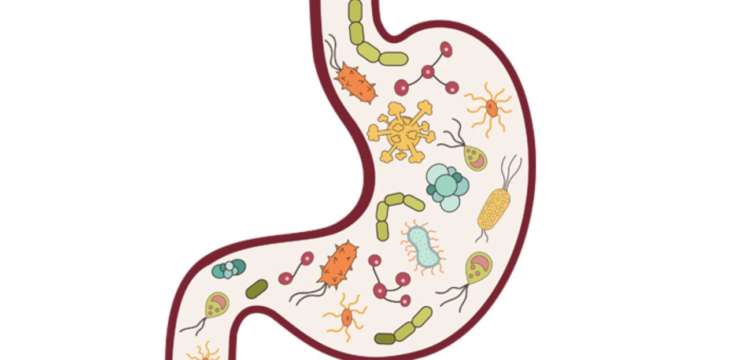
The link between microbiota and different factors such as exercise, genetics, disease, body composition, and nutritional intake is undeniable. However, this means that the…

A healthy microbiota is considered to have rich biodiversity and functions symbiotically with its host to promote wellness. However, dysbiosis is widely associated b a…
In this edition of the Functional Medicine Podcasts Dr. Alex Jimenez, Master Nutritionist Ana Paola Rodriguez Arciniega, and Senior Health Coach Kenna Lee Vaughn discuss…

MycotoxinsÂ
All organisms produce some kind of chemical substance during their metabolism. For the most part, these substances are necessary for survival and energy. However, science has found that some of these organisms also create a secondary metabolite. This secondary metabolite is a competitive advantage for the colony. More specifically, Fungi produces Mycotoxins.Â
Route of EntryÂ
Toxic molds can be from ingestion but also can happen from the air we inhale. In the air, there are small particles of mold that enter our homes from windows, air conditioners, and even heating and ventilation systems.Â
Molds are more prominent in areas that have excessive moisture. In these environments, the moisture acts like food to the mold and it grows from there.Â
Health EffectsÂ
Mycotoxins have been linked to many human illnesses. Some include aflatoxicosis (stomach pain, vomiting, hepatitis), anemia, pulmonary hemorrhages, cancer, and birth defects. Additionally, the WHO (world health organization) coined the term Sick Building Syndrome. This means when people who live in buildings with mold, they see the individuals suffer from itchy eyes, nausea, fatigue, headaches, and difficulty concentrating. However, we have also seen mold toxicity linked to neurotoxicity and depression.Â
Prevention / InterventionÂ
Over the years, we have learned how truly important lifestyle is when it comes to health. The first thing we want to do to lessen mold exposure is to be cautious of the food we eat and if there are moldy areas in our homes. Next, we can reduce exposure by keeping the insides of our home dry (bathrooms), fixing leaks as soon as they occur, and not smoking inside.Â
InBody + LEVLÂ
One of the key risk factors for any type of health condition is an underlying issue. Underlying issues typically come from those who are suffering from metabolic syndrome or are overweight. The reason is, fat cells produce more cortisol, leading to more stress. This creates an ever-burning fire. Stress impacts health and fat cells are linked to inflammation. One way to check if you are at risk for an underlying condition is to have an InBody scan performed. We have an InBody 770 machine at our clinic and use it to assess our patient’s visceral fat levels as well as inflammation or edema. If a patient would like to lose weight to reduce their risk of underlying disease and conditions, the keto diet is well studied. We use technology from the company LEVL to measure the exact amount of ketones in the systems to make sure the patient is in ketosis for optimal results.Â
[embedyt] www.youtube.com/watch?v=znHtlmDJ4vg%5B/embedyt%5D
WE HAVE SEEN JUST HOW MUCH AN ENVIRONMENT CAN IMPACT HEALTH. ONE OF MY FIRST STEPS IN COACHING CLIENTS TO BE SUCCESSFUL IS TO LOOK AT THEIR ENVIRONMENTAL FACTORS AND START BY MAKING SMALL, ATTAINABLE STEPS. -KENNA VAUGHN, SENIOR HEALTH COACH
References:Â
Zava. “553A: Toxic Mold†FunctionalMedicineUniversity. Toxic Molds, 24 Feb. 2021.Â
Additional Online Links & Resources (Available 24/7)


Â
Online Appointments or Consultations:  https://bit.ly/Book-Online-Appointment


Â
Online Physical Injury / Accident Intake Form: bit.ly/Fill-Out-Your-Online-History


Â
Online Functional Medicine Assessment: bit.ly/functionmed
Â
Â
Â
Disclaimer
Â
The information herein is not intended to replace a one-on-one relationship with a qualified health care professional, licensed physician, and is not medical advice. We encourage you to make your own health care decisions based on your research and partnership with a qualified health care professional. Our information scope is limited to chiropractic, musculoskeletal, physical medicines, wellness, sensitive health issues, functional medicine articles, topics, and discussions. We provide and present clinical collaboration with specialists from a wide array of disciplines. Each specialist is governed by their professional scope of practice and their jurisdiction of licensure. We use functional health & wellness protocols to treat and support care for the musculoskeletal system’s injuries or disorders. Our videos, posts, topics, subjects, and insights cover clinical matters, issues, and topics that relate and support, directly or indirectly, our clinical scope of practice.* Our office has made a reasonable attempt to provide supportive citations and has identified the relevant research study or studies supporting our posts. We provide copies of supporting research studies available to regulatory boards and the public upon request. We understand that we cover matters that require an additional explanation of how it may assist in a particular care plan or treatment protocol; therefore, to further discuss the subject matter above, please feel free to ask Dr. Alex Jimenez or contact us at 915-850-0900.  Read More…
Dr. Alex Jimenez DC, MSACP, CCST, IFMCP*, CIFM*, CTG*
email: coach@elpasofunctionalmedicine.com
phone: 915-850-0900
Licensed in Texas & New Mexico

Omega-3 polyunsaturated fatty acids (PUFA) are considered essential because our body cannot synthesize them. The two most common long-chain omega-3 acids are called eicosapentaenoic acid…

Chocolate is most of the time cut off the diet of people dealing with overweight. Indeed, high caloric foods are often a contributing factor in…

Mercury is a metal that used to be used in common fixes. However, over the years we are seeing that this metal is causing detrimental effects on our bodies. Mercury toxicity mimics many health challenges.Â
Mercury + NervesÂ
Mercury has been know to denervate nerve fibers. This is similar to the pathology of multiple sclerosis. Mercury can cause the nerves to not work properly. Our nerves are essential for proper function. The nervous system is related to every single thing we do. Additionally, mercury is able to leak into the blood-brain barrier and reduce nerve conduction. Mercury has also been shown to create peripheral neuropathy, auto-immunity, and interferes with synapse transmission, decreasing infection control so the unsuspecting victim gets recurrent sinusitis, prostate, or gum infections, as examples. Lastly, mercury toxicity can create any baffling neurologic disease as well as impair cure for any disease of other body systems.
Mercury + HormonesÂ
Hormones are another essential part of our daily life. Our hormones are released not only when we are happy or sad, but when we need to control essential functions in the body. Hormones signal other body systems to release chemicals. Mercury can inhibit the action of happy hormones, such as serotonin. It inhibits the binding at the synapse where the nerve connects to another nerve to pass along signals, ultimately leading to depression. Additionally, mercury can decrease norepinephrine and dopamine activity at synapses, damaging our molecules of emotion. This can make a person lack zip, enthusiasm, joy, and creativity and make him anxious, insomniac, and terribly tense.
Mercury + Other FactorsÂ
When we see someone who is suffering from mercury toxicity, they often complain of terrible body burning and baffling pain that migrates throughout. When our patients come to us saying that they have been resistant to other treatments, we check for mercury because the toxicity could be the underlying root of issues for them.
DNAÂ
Scientists have been researching and discovering the relationship between genes and our environment. More specifically, how our genetic background and susceptibility influence our outcomes. Specifically in the study by Andreoli, the genomic sequence and mercury-related outcomes.Â
“GENETIC VARIANTS, ENVIRONMENTAL RISK FACTORS AND DIFFERENT PERSONAL STRESSORS MAY INTERACT TO SHAPE THE REPERCUSSIONS OF MERCURY ON HUMAN HEALTH.â€- ANDREOLI, VÂ
We know that the human genome is comprised of millions of DNA sequence variants. There are gene-environment links focused on SNPs (single nucleotide polymorphisms) that play a role in mercury actions and outcomes.Â
Lifestyle ChangesÂ
One thing we do at our clinic for all our patients is run an InBody scan. While this scan does not check for mercury toxicity, it does check for visceral fat. Visceral fat is the layer of fat surrounding one’s organs. If the level of this fat is high, the individual is more susceptible to underlying health conditions and inflammation. Underlying health conditions, inflammation, and mercury toxicity is a recipe for disaster. Below is a video demonstrating more in detail what the InBody 770 (the machine we use at our clinic) is capable of.Â
[embedyt] www.youtube.com/watch?v=N3_BEhgJCGc%5B/embedyt%5D
IT IS AMAZING HOW MANY PEOPLE HAVE FILLINGS IN THEIR MOUTH THAT LED TO MERCURY TOXICITY. EVERY TIME SOMEONE EATS, DRINKS COFFEE, OR HAS AN ITEM THAT SCRAPS THESE FILLINGS, SMALL PARTICLES ARE RELEASED INTO THE BODY AND BLOODSTREAM. IF ANY OF THESE SYMPTOMS SEEM FAMILIAR TO YOU, I HIGHLY SUGGEST CONTACTING YOUR DENTIST TO SEE IF THE FILLINGS IN YOUR MOUTH CONTAIN MERCURY. -KENNA VAUGHN, SENIOR HEALTH COACHÂ
References:Â
Andreoli, V., & Sprovieri, F. (2017). Genetic Aspects of Susceptibility to Mercury Toxicity: An Overview. International journal of environmental research and public health, 14(1), 93. doi.org/10.3390/ijerph14010093 www.ncbi.nlm.nih.gov/pmc/articles/PMC5295343/Â
Dooley, Bruce. M.D. “551B: Mercurialism : Finding and Eliminating the Hidden Beast.†FunctionalMedicineUniversity. 12 Feb. 2021.Â
Rogers SA, Detoxify or Die, Prestige Publishing, Syracuse NY, 2002. www.functionalmedicineuniversity.com/public/903.cfm
Additional Online Links & Resources (Available 24/7)


Â
Online Appointments or Consultations:  https://bit.ly/Book-Online-Appointment


Â
Online Physical Injury / Accident Intake Form: bit.ly/Fill-Out-Your-Online-History


Â
Online Functional Medicine Assessment: bit.ly/functionmed
Â
Â
Â
Disclaimer
Â
The information herein is not intended to replace a one-on-one relationship with a qualified health care professional, licensed physician, and is not medical advice. We encourage you to make your own health care decisions based on your research and partnership with a qualified health care professional. Our information scope is limited to chiropractic, musculoskeletal, physical medicines, wellness, sensitive health issues, functional medicine articles, topics, and discussions. We provide and present clinical collaboration with specialists from a wide array of disciplines. Each specialist is governed by their professional scope of practice and their jurisdiction of licensure. We use functional health & wellness protocols to treat and support care for the musculoskeletal system’s injuries or disorders. Our videos, posts, topics, subjects, and insights cover clinical matters, issues, and topics that relate and support, directly or indirectly, our clinical scope of practice.* Our office has made a reasonable attempt to provide supportive citations and has identified the relevant research study or studies supporting our posts. We provide copies of supporting research studies available to regulatory boards and the public upon request. We understand that we cover matters that require an additional explanation of how it may assist in a particular care plan or treatment protocol; therefore, to further discuss the subject matter above, please feel free to ask Dr. Alex Jimenez or contact us at 915-850-0900.  Read More…
Dr. Alex Jimenez DC, MSACP, CCST, IFMCP*, CIFM*, CTG*
email: coach@elpasofunctionalmedicine.com
phone: 915-850-0900
Licensed in Texas & New Mexico

Insulin resistance is a problem that is strongly associated with obesity due to excess body fat and diabetes. However, growing evidence suggests that gut microbiota…
In this Functional Medicine podcast, Dr. Alex Jimenez, Master Nutritionist Ana Paola Rodriguez Arciniega, and Senior Health Coach Kenna Lee Vaughn discuss Fibromyalgia, migraines, its…

Oxidative stress is a critical factor in cardiometabolic conditions. As previously demonstrated by the PREDIMED study, high-risk CVD patients have low antioxidant enzymatic activity and…

Patients’ dietary patterns are important triggers or modulators when it comes to cardiometabolic disease risk assessment. It has been stated that cardiovascular disease is the…
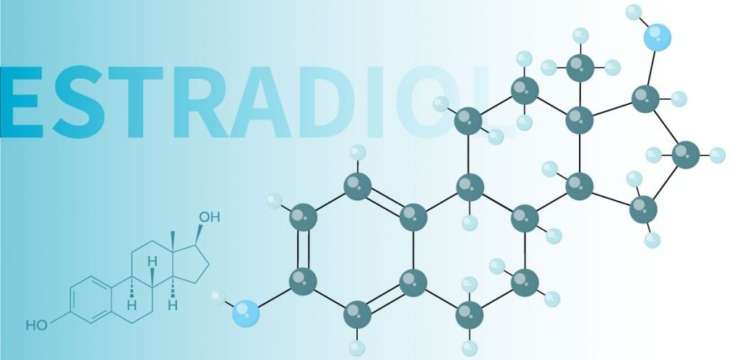
If we take a look at breast cancer, there are common roads that everything links back to. Those roads are an increase in estrogen or activation of the estrogen receptor in the mammary epithelial cell. This is important because there are triggers in our lives that have estrogen or stimulate estrogen production, ultimately leading to an increased risk of developing breast cancer.Â
FactorsÂ
Environmental factors like pollutants and stress are highly associated with breast cancer. For example, the pollutant xenoestrogen has estrogen-like activity. From here, when women age and move towards menopause, they produce more estrogen. When there is a relative increase in natural estrogen plus the pollutants sending the body false signals, we see a relative increase in estrogen and stimulation through the estrogen receptors in the body. A great way to decrease these pollutants and fake hormones is to switch to all-natural products. These fake hormones are being stored in products like:
Aluminum deodorantÂ
Body wash
ShampooÂ
Laundry detergentÂ
Air freshenersÂ
And moreÂ
The other factor mentioned above is stress. The stress that is being referred to in this instance is emotional stress. The type of stress we do not have as much control over (aka physical). The reason we take a look at stress is that stress leads to more cortisol being released throughout the body. More stress can lead to less melatonin production. Consider the fact that those with breast cancer have a decrease in melatonin. Over time, a decrease in melatonin results in an upregulation of estrogen receptors, leading to an increase in estrogen. Ways to help reduce stress include:
MeditationÂ
ExerciseÂ
GroundingÂ
Deep breathing techniquesÂ
DNA
As we have learned over the years, the DNA we are born with is not the DNA we die with. Yes, we are given a specific set of genes when we are born but our environmental factors have been proven to alter the expression of these genes. When we have a highly oxidized reactive molecule, it can adduct with DNA. This ultimately leads to DNA adduct formation that clips portions of our DNA out causing a mutation. Over time, with enough mutations, we can see patients develop cancer and their immune system is unable to fight it off as it no longer works properly.Â