Table of Contents
Anti-Inflammatory Nutrition Supports Cellular Repair After Regenerative Injections
An anti-inflammatory diet helps the body heal after regenerative medicine injections, such as platelet-rich plasma (PRP), platelet-free plasma (PFP), microfragmented adipose tissue (MFAT), or epidural spinal injections. It lowers ongoing system-wide inflammation, supplies the basic building blocks cells need to rebuild tissue, and creates a better internal environment for growth factors to work. At Health Coach Clinic in El Paso, this nutrition approach is paired with functional medicine principles, personalized health coaching, and coordinated care so patients can support recovery in a practical, whole-person way.

Why Diet Matters After Regenerative Procedures
Regenerative injections concentrate the body’s own healing signals. Growth factors from PRP and related therapies help attract repair cells, support new blood vessels, and promote collagen production. For these signals to succeed, tissues need a controlled inflammatory response rather than constant background inflammation.
A diet high in processed foods, sugar, and unhealthy fats keeps inflammatory chemicals elevated. Such inflammation can make it harder for growth factors to do their job and for new tissue to form cleanly. An anti-inflammatory pattern lowers that background noise. At the same time, it delivers protein, vitamins, minerals, and antioxidants that serve as raw materials for new cells and the matrix that holds tissue together.
Protein provides amino acids for collagen. Vitamin C helps cross-link those collagen fibers into stronger strands. Zinc supports cell division and balanced immune activity. Antioxidants from colorful produce protect new cells from oxidative stress. Healthy fats from food sources help build healthy cell membranes. Together, these nutrients improve the local healing environment so injected material can work more effectively.
Hydration is equally important. Water carries nutrients to the injury site and helps remove waste. Without enough fluid, even the best diet and injection cannot reach their full potential.
Core Foods That Support Cellular Repair
Focus on whole, nutrient-dense foods that calm inflammation while feeding repair processes:
- High-quality protein at most meals—fish, poultry, eggs, Greek yogurt, beans, lentils, or tofu. Spread protein throughout the day so amino acids stay available for tissue building.
- Colorful vegetables and fruits rich in antioxidants and vitamin C — berries, leafy greens, bell peppers, broccoli, citrus, kiwi, and tomatoes.
- Healthy fats from food sources — fatty fish such as salmon or sardines, avocados, walnuts, chia seeds, flaxseeds, and extra-virgin olive oil.
- Whole grains in moderate amounts—oats, quinoa, and brown rice for steady energy and fiber.
- Collagen-supporting options such as bone broth when desired.
- Plenty of water and hydrating foods like cucumber and watermelon.
These choices lower inflammatory markers over time and give cells the tools they need during the weeks after the injection, when remodeling occurs.
Foods and Supplements to Limit Right After Injection
Not every “healthy” item helps in the early post-procedure window. Certain foods and high-dose supplements can interfere with the initial platelet and growth-factor activity that regenerative treatments rely on.
Limit or avoid these for the first days to weeks:
- Refined sugars, white-flour products, and highly processed snacks. These drive inflammation and can reduce collagen quality.
- Deep-fried foods and excess processed meats.
- Large amounts of alcohol, which impairs platelet function and tissue repair.
- Excess salt that contributes to swelling.
High-dose supplements that often need a temporary pause include concentrated omega-3 fish oil, turmeric or curcumin extracts, high-dose vitamin E, garlic capsules, and ginkgo. These can reduce platelet aggregation—the very process PRP depends on to release growth factors and form the early healing scaffold. Many clinicians recommend stopping them 7–10 days before the procedure and waiting 2–4 weeks afterward, or until the provider clears their return. Moderate amounts of the same nutrients from whole foods are usually fine. The concern centers on concentrated supplement doses. Always review your full supplement and medication list with the care team.
How Functional Nutrition and Health Coaching Fit the Picture
At Health Coach Clinic, the focus is functional medicine and nutrition therapy—treating food as medicine and addressing root factors that affect healing. Personalized health coaching helps patients turn general guidelines into daily habits that fit their lifestyle, preferences, and lab findings.
Coaching supports:
- Building realistic meal plans around anti-inflammatory foods.
- Tracking energy, sleep, and recovery markers.
- Adjusting intake based on individual needs such as blood sugar balance or gut health.
- Combining nutrition with movement, stress management, and rest — the six dimensions of wellness that influence how well tissue repairs.
This approach pairs naturally with regenerative procedures. The injection supplies concentrated healing signals; nutrition and coaching supply the raw materials and the consistent environment those signals need. Patients often notice steadier energy, better recovery between sessions, and clearer progress when diet and lifestyle are addressed together.
Integrative Care in El Paso
Recovery works best when biological support and mechanical support move in the same direction. Newly forming tissue needs proper joint motion, balanced muscle loading, and healthy circulation so it remodels into strong, functional structure rather than scar tissue.
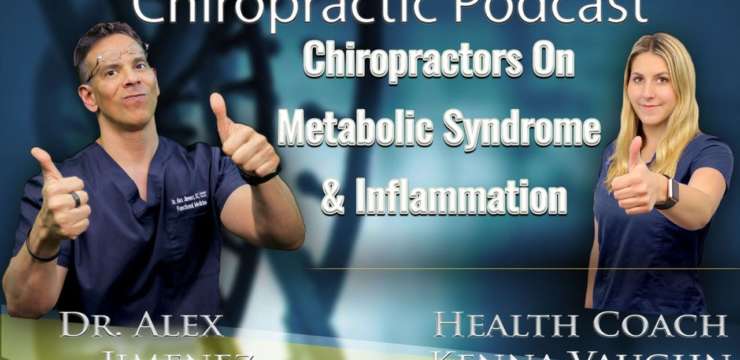
Dr. Alexander Jimenez, DC, APRN, FNP-BC, CFMP, IFMCP, ATN, CCST, leads the clinical team at Health Coach Clinic and related Injury Medical Clinic PA locations. His observations emphasize root-cause care that combines functional medicine testing, nutrition guidance, structural correction, and progressive rehabilitation. Patients receive coordinated plans so the regenerative process, anti-inflammatory nutrition, and movement work together.
Medical direction is provided by Dr. Maria Guadalupe Cardenas, MD, a board-certified internist (NPI #1164426749, Texas MD License #J2933) with more than 40 years of experience. As Medical Director and Collaborative Physician, she oversees medical aspects of care, ensuring regenerative procedures, laboratory monitoring, and any underlying health conditions are managed safely within a multidisciplinary framework. This collaborative model allows functional nutrition, health coaching, and structural care to operate under clear medical oversight while remaining patient-centered.
A Practical Timeline
Two to four weeks before the procedure: Begin shifting toward protein-rich, colorful, whole-food meals. Increase hydration. Review all supplements with the care team so any that affect platelets can be paused in time. A health coach can help map simple daily swaps.
Days surrounding the injection: Continue the anti-inflammatory pattern. Stay well hydrated. Follow specific pre-procedure instructions about meals if needed.
First one to two weeks after: Prioritize protein, vegetables, fruit, and water. Avoid the processed foods and high-dose supplements listed earlier. Begin gentle movement or physical therapy as directed, often light range-of-motion work within a few days, to encourage circulation without overloading the area.
Weeks three onward: Gradually reintroduce approved supplements if cleared. Advance strengthening under professional guidance. Maintain the dietary foundation because tissue remodeling continues for months. Ongoing coaching helps patients stay consistent and adjust as energy and function improve.
Throughout the process, sleep, stress management, and consistent but not excessive activity support the same healing environment the diet and injection are trying to create.
Bringing It Together
Recovery after regenerative injections involves controlled inflammation, cell recruitment, matrix building, and remodeling. An anti-inflammatory diet supplies the raw materials and lowers competing inflammation so the injected growth factors can express their full potential. Functional nutrition therapy and health coaching turn those principles into sustainable daily habits. Coordinated care at Health Coach Clinic in El Paso—under the clinical leadership of Dr. Alex Jimenez and the medical direction of Dr. Maria Guadalupe Cardenas— brings nutrition, movement, and regenerative support into one patient-centered plan.
Patients who follow these steps give their bodies a clearer path from injury or chronic pain toward restored movement and better long-term function. For personalized guidance, contact Health Coach Clinic to explore how functional nutrition and coaching can support your recovery goals.
References
Beso Wellness. (n.d.). How nutrition and lifestyle influence PRP results.
Dr. Lissa. (n.d.). The importance of an anti-inflammatory diet during post-op recovery.
Health Coach Clinic. (n.d.). El Paso Health Coach & Wellness Center.
Jimenez, A. (n.d.). Injury specialists.
Krasnick Regenerative Medicine. (n.d.). Nutrition for regenerative healing.
New Regeneration Orthopedics. (n.d.). Optimizing recovery: Why nutrition and supplements matter after PRP and bone marrow concentrate procedures.
Sciatica Clinic. (n.d.). Anti-inflammatory nutrition supports regenerative healing.
Sonoran University. (2025, March 24). A regenerative health diet: Heal, reduce inflammation & thrive.
Ubie Health. (n.d.). Stop slow healing now: Fix recovery fast with PRP & diet guide.
Ubie Health. (n.d.). Don’t waste your PRP: What to eat for max growth factors now.
Ubie Health. (2026). Stop! How supplements ruin PRP.
What's your reaction?