Table of Contents
Why Chiropractors Recommend Squats and Core Work: Integrative Care for Better Back and Hip Health
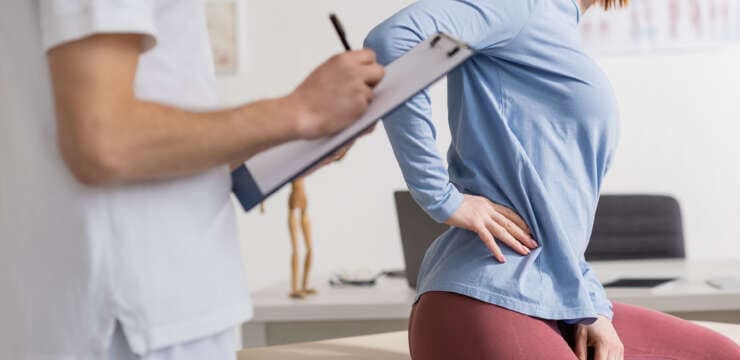
Many people deal with lower back pain and hip discomfort every day. These issues often come from muscle strains, poor posture, tight hips or glutes, and weak support muscles around the spine. The good news is that simple exercises like squats and core workouts can make a big difference. When done correctly, they strengthen the muscles that support the spine, improve alignment, and increase hip flexibility. This takes extra stress off the lower back during movement.
Squats and core exercises are effective for chronic low back pain, mild sciatica, and general aches caused by weak muscles. However, proper form is key. Bad form or pain during exercise can signal a deeper issue. Always check with a doctor if you have severe symptoms, such as numbness or weakness. Combining these exercises with care from a chiropractor or nurse practitioner often gives the best results for both short-term relief and long-term health.
Why Lower Back and Hip Pain Happen Together
There is a close connection between the lower back and the hips. Problems in one area often affect the other. Tight hip muscles can pull on the pelvis, overworking the lower back and causing pain. Weak core muscles fail to support the spine, increasing the risk of instability and strains (Burstein, 2023).
Common causes include:
- Muscle imbalances from sitting too long or poor posture
- Tight glutes or hip flexors that limit movement
- Lumbar instability, where the spine lacks steady support
- Minor sciatica from nerve pressure, often linked to hip issues
Strong core muscles act like a natural brace for the spine. They reduce pressure on discs and joints while improving balance and posture (Cary Orthopaedics, n.d.). Clinical expert Dr. Alexander Jimenez, DC, APRN, FNP-BC, notes that weak core stability often contributes to recurring back and hip pain. He combines chiropractic adjustments with targeted exercises to address these imbalances and promote lasting recovery (Jimenez, 2022).
How Squats Help Lower Back and Hip Problems
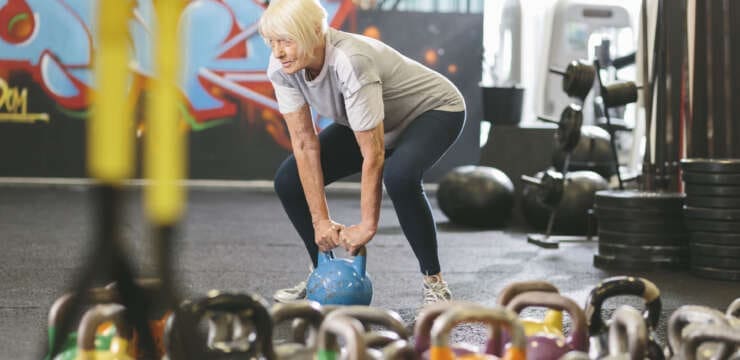
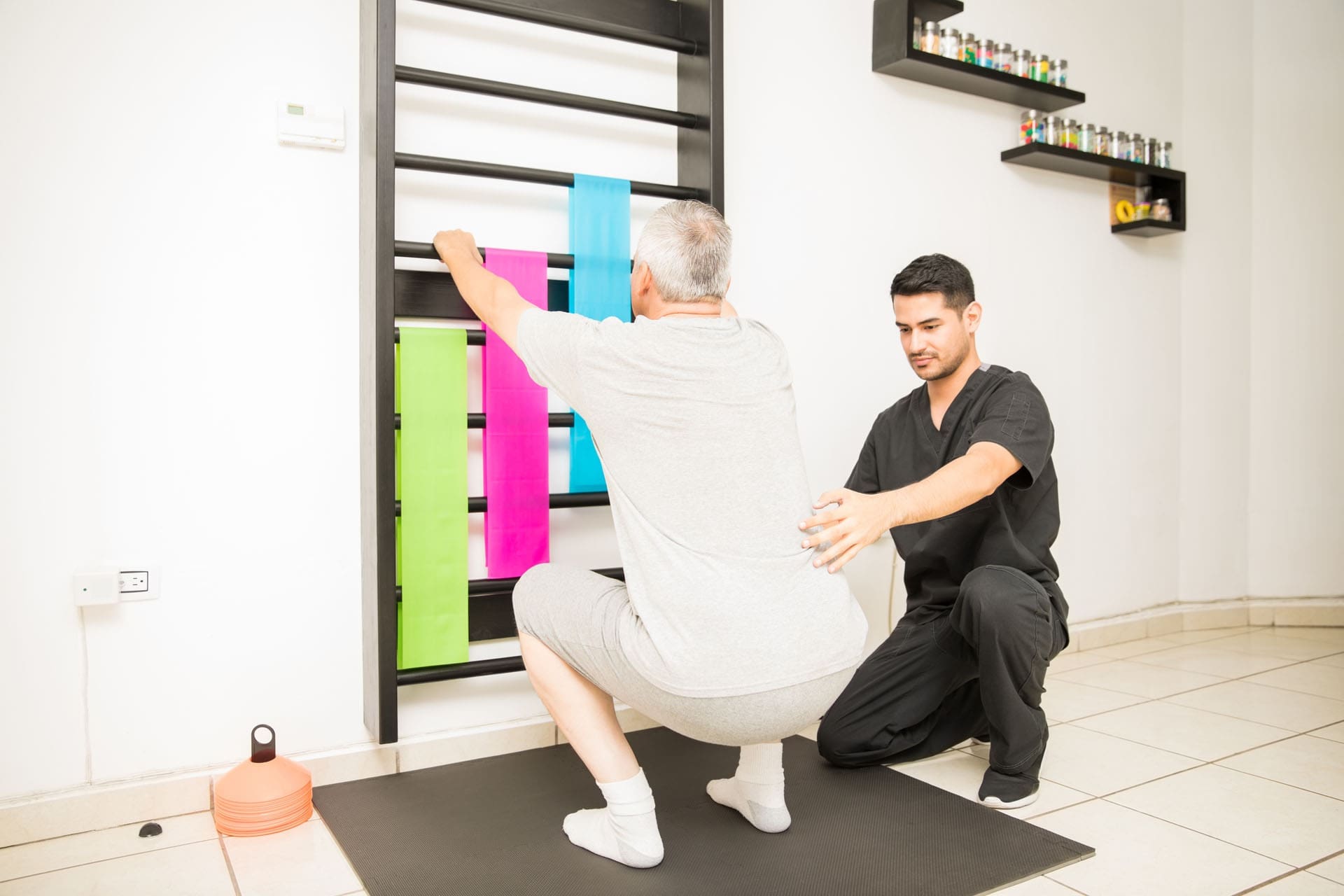
Squats are a basic movement that simultaneously strengthens the legs, glutes, hips, and core. When performed with good form, they engage core stabilizers and hip muscles to protect the lower back.
Benefits of proper squats include:
- Building strength in glutes and hamstrings to support the spine
- Improving hip flexibility and mobility to reduce tightness
- Enhancing spinal alignment by teaching the neutral spine position
- Reducing strain on the lower back during daily activities
Studies show that exercises like squats, when performed correctly, can reduce the risk of back pain by strengthening supporting muscles (Healthline, 2023). Engaging the core during squats keeps the spine stable and prevents extra load on the lumbar area (Redefine Your Pain, n.d.).
Dr. Jimenez observes that patients with low back pain from squats often have form issues or underlying weaknesses. Correcting these with guided squats strengthens the back and core, helping prevent injury (Jimenez, 2022).
However, poor technique—such as rounding the back or using too much weight—can worsen pain. Start with bodyweight squats and focus on keeping a neutral spine.
The Role of Core Exercises in Pain Relief
Core exercises target muscles in the abdomen, back, and pelvis. These muscles stabilize the spine and share the load during movement.
Key ways core training helps:
- Provides direct support to the lower back, reducing chronic pain
- Improves posture to prevent misalignment and strain
- Increases flexibility in surrounding joints like the hips and thoracic spine
- Enhances overall balance and reduces the risk of falls or injuries
A systematic review found that core stability exercises significantly reduce pain and improve function in people with nonspecific low back pain (Coulombe et al., 2022). These exercises focus on controlling the spine during static and dynamic tasks.
Simple core exercises to try:
- Planks: Hold a straight body position on forearms and toes to build endurance
- Bird dogs: On all fours, extend opposite arm and leg while keeping the spine neutral
- Dead bugs: Lie on your back and alternate extending arms and legs with your core engaged
- Pelvic tilts: Gently rock the pelvis to activate deep abdominal muscles
Regular practice leads to better spinal control and less pain over time (Squat University, 2018).
When These Exercises Might Cause Issues
Not all pain during squats or core work is normal. If exercises hurt, it could mean tight muscles, poor mobility in the hips or ankles, or an underlying condition like a herniated disc.
Signs to stop and seek help:
- Sharp pain, numbness, or weakness in the legs
- Pain that worsens with movement
- Balance problems or radiating discomfort
In these cases, exercises alone may not help and could make things worse (Hinge Health, n.d.). A professional can assess form and rule out serious issues.
Combining Exercises with Chiropractic or Integrative Care
Many experts recommend an integrative approach for lower back and hip pain. This combines squats and core exercises with chiropractic adjustments or care from a nurse practitioner.
Chiropractic adjustments realign the spine and reduce joint dysfunction. A strong core then helps these adjustments last longer by maintaining stability (Burstein, 2023).
Benefits of this combined method:
- Addresses muscle imbalances and spinal misalignment at the same time
- Provides relief for both acute pain and chronic conditions
- Reduces the need for medications by focusing on natural healing.
- Improves long-term outcomes through personalized plans
Dr. Alexander Jimenez, a dual-licensed chiropractor and family nurse practitioner with over 30 years of experience, uses this approach in his practice. He integrates adjustments with functional exercises, such as squats, to strengthen the core and hips, helping patients with sciatica, hip pain, and low back issues recover fully (Jimenez, n.d.).
Other resources support combining core strengthening with professional care for better pain management and spine health (Modern Chiropractic Center, n.d.).
Tips for Starting Safely
Before beginning any exercise program, especially if you have existing pain or injury, consult a doctor, physical therapist, or chiropractor. They can ensure the exercises fit your condition and teach proper form.
General guidelines:
- Start slow with bodyweight movements
- Focus on engaging the core and keeping a neutral spine
- Warm up with light movement and stretches
- Progress gradually by adding reps or light weights
- Stop if pain increases and get checked
Mobilizing hips, ankles, and the thoracic spine alongside core work follows the joint-by-joint approach for balanced relief (Squat University, 2017).
Long-Term Benefits and Prevention
Consistent squats and core exercises build strength that protects against future pain. They improve daily function, from bending to lifting, by creating a stable foundation.
Over time, you may notice:
- Less frequent pain episodes
- Better posture and mobility
- Stronger overall body resilience
- Reduced risk of minor strains turning chronic
Pairing this with professional guidance, like from Dr. Jimenez’s integrative methods, supports both immediate relief and ongoing wellness (Jimenez, n.d.).
Lower back and hip pain can disrupt life, but squats and core exercises offer a practical way to build strength and flexibility. Done correctly and often combined with expert care, they help many people find lasting relief.
References
Burstein, I. (2023). The power of core strength: How a strong core enhances chiropractic adjustments. www.ilanbursteindc.com/the-power-of-core-strength-how-a-strong-core-enhances-chiropractic-adjustments
Cary Orthopaedics. (n.d.). Reduce low back pain with strong core. caryortho.com/reduce-low-back-pain/
Coulombe, B. J., Games, K. E., Neil, E. R., & Eberman, L. E. (2022). Core stability exercise versus general exercise for chronic low back pain. Journal of Athletic Training, 57(1), 34-43. pmc.ncbi.nlm.nih.gov/articles/PMC9340836/
Healthline. (2023). Lower back pain when squatting: Causes and treatments. www.healthline.com/health/back-pain/lower-back-pain-when-squatting
Hinge Health. (n.d.). Hip pain when squatting. www.hingehealth.com/resources/articles/hip-pain-when-squatting/
Jimenez, A. (n.d.). Injury specialists. dralexjimenez.com/
Jimenez, A. (2022). Squat exercises causing low back pain. dralexjimenez.com/squat-exercises-low-back-pain/
Modern Chiropractic Center. (n.d.). Avoiding low back injuries by strengthening your core. modernchiropracticcenter.com/blog/avoiding-low-back-injuries-by-strengthening-your-core/
Redefine Your Pain. (n.d.). Does squatting help or hurt lower back pain? redefineyourpain.com/does-squatting-help-or-hurt-lower-back-pain/
Squat University. (2017). Common squat injuries: Low back pain. squatuniversity.com/2017/01/26/common-squat-injuries-low-back-pain-pt-5-the-joint-by-joint-approach/
Squat University. (2018). Core training: Bridging rehab to performance. squatuniversity.com/2018/11/01/core-training-bridging-rehab-to-performance/
Disclaimers
Professional Scope of Practice *
The information herein on "Why Chiropractors Recommend Squats for Pain Relief" is not intended to replace a one-on-one relationship with a qualified health care professional or licensed physician and is not medical advice. We encourage you to make healthcare decisions based on your research and partnership with a qualified healthcare professional.
Blog Information & Scope Discussions
Welcome to El Paso's wellness blog, where Dr. Alex Jimenez, DC, FNP-C, a board-certified Family Practice Nurse Practitioner (FNP-C) and Chiropractor (DC), presents insights on how our team is dedicated to holistic healing and personalized care. Our practice aligns with evidence-based treatment protocols inspired by integrative medicine principles, similar to those found on dralexjimenez.com, focusing on restoring health naturally for patients of all ages.
Our areas of chiropractic practice include Wellness & Nutrition, Chronic Pain, Personal Injury, Auto Accident Care, Work Injuries, Back Injury, Low Back Pain, Neck Pain, Migraine Headaches, Sports Injuries, Severe Sciatica, Scoliosis, Complex Herniated Discs, Fibromyalgia, Chronic Pain, Complex Injuries, Stress Management, Functional Medicine Treatments, and in-scope care protocols.
Our information scope is limited to chiropractic, musculoskeletal, physical medicine, wellness, contributing etiological viscerosomatic disturbances within clinical presentations, associated somato-visceral reflex clinical dynamics, subluxation complexes, sensitive health issues, and functional medicine articles, topics, and discussions.
We provide and present clinical collaboration with specialists from various disciplines. Each specialist is governed by their professional scope of practice and their jurisdiction of licensure. We use functional health & wellness protocols to treat and support care for the injuries or disorders of the musculoskeletal system.
Our videos, posts, topics, subjects, and insights cover clinical matters, issues, and topics that relate to and directly or indirectly support our clinical scope of practice.*
Our office has reasonably attempted to provide supportive citations and has identified the relevant research studies or studies supporting our posts. We provide copies of supporting research studies available to regulatory boards and the public upon request.
We understand that we cover matters that require an additional explanation of how they may assist in a particular care plan or treatment protocol; therefore, to discuss the subject matter above further, please feel free to ask Dr. Alex Jimenez, DC, APRN, FNP-BC, or contact us at 915-850-0900.
We are here to help you and your family.
Blessings
Dr. Alex Jimenez DC, MSACP, APRN, FNP-BC*, CCST, IFMCP, CFMP, ATN
email: coach@elpasofunctionalmedicine.com
Licensed as a Doctor of Chiropractic (DC) in Texas & New Mexico*
Texas DC License # TX5807
New Mexico DC License # NM-DC2182
Licensed as a Registered Nurse (RN*) in Texas & Multistate
Texas RN License # 1191402
ANCC FNP-BC: Board Certified Nurse Practitioner*
Compact Status: Multi-State License: Authorized to Practice in 40 States*
Graduate with Honors: ICHS: MSN-FNP (Family Nurse Practitioner Program)
Degree Granted. Master's in Family Practice MSN Diploma (Cum Laude)
Dr. Alex Jimenez, DC, APRN, FNP-BC*, CFMP, IFMCP, ATN, CCST
My Digital Business Card
What's your reaction?