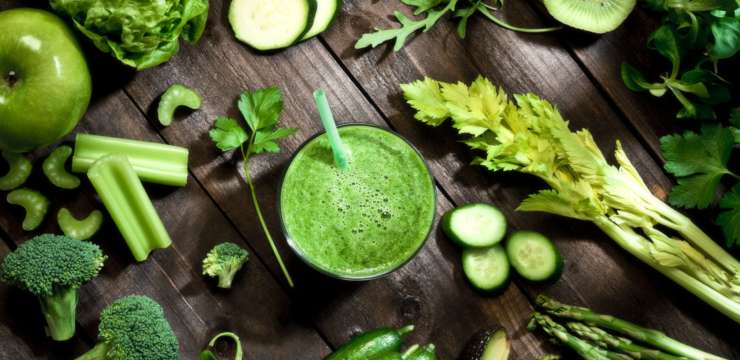

Walking is a great physical exercise activity that requires endurance. Refueling energy stores can be done with portable walking energy snacks when walking for two hours or more. These foods can be taken along and eaten while on the move. This includes fruits, vegetables, energy bars, trail mix, energy gels, and sports drinks that replenish the body. However, depending on when an individual goes for a walk, they need to think about breakfast or lunch nutrition before engaging in the walk. This will help to get the most benefits from the snacks and what to have after the workout for recovery.

Table of Contents
Walking Energy Snacks
Individuals walking long distances will want a snack before, during, and after. There are various snack and drink options. Individuals may want to experiment with multiple snack and drink options to find the right balance of carbs, fat, and protein so that their bodies get the energy they need without feeling weighed down or hungry soon after. The ideal walking energy snacks should be healthy, full of energy, and easy to eat on the move.
Fruit Snacks
- Fruit snacks are great for the all-natural carbohydrate burst.
- Bananas are great for potassium.
- Apples, oranges, and raisins are also recommended packable snacks.
- For certain individuals, the fiber in some fruits can move digestion, requiring a restroom, so plan ahead.
- Some individuals can eat fruit regularly but may have an upset stomach while walking, so experimentation may be necessary.
Energy Bars
- Nutrition bars can provide vitamins, minerals, and protein but can be high in calories.
- Check the labels to choose the balance of ingredients that’s best for you.
- Energy bars offer a healthy combination of carbohydrates, protein, and fat.?
- They are convenient for a snack when on a walk.
- Most products utilize peanuts/other nuts or soy for protein.
- Individuals may want to avoid chocolate-covered bars, as they can melt.
Trail Mix
- Trail mixes are the original energy bar.
- Individuals can mix their own, buy in bulk, or pre-packaged.
- Trail mix contains nuts for protein, raisins or other dried fruit for carbohydrates, and chocolate or carob for taste.
- The salted varieties can help replace electrolytes.
- Be aware of portion control, as trail mix is often high in fat and calories.
Energy Gels
- Energy gels provide a carbohydrate boost designed for individuals doing endurance events and activities.
- Energy gels need to be taken with water for carbohydrate digestion.
- Some can be taken without water but may not provide as much energy.
- Energy gels can be safer than chewing and possibly choking for individuals who walk fast and breathe hard.
- Newer brands are trying to be natural and less sweet.
Energy and Sports Drinks
- Water is not enough to keep the body hydrated on long walks.
- Sports drinks with sugar and salt replenish H2O and electrolyte levels more thoroughly when people walk for more than an hour,, helping to prevent dehydration and hyponatremia/low salt levels.
- It is recommended to avoid:
- High-caffeine energy drinks in small cans, as they have too much caffeine and not enough hydrating water.
- Sports and energy drinks with additives and herbs, which do not help on walks, and look for those with salt and carbohydrate replacement.
Ankle Sprain Recovery
References
Francois, Monique E et al. “’Exercise snacks’ before meals: a novel strategy to improve glycaemic control in individuals with insulin resistance.” Diabetologia vol. 57,7 (2014): 1437-45. doi:10.1007/s00125-014-3244-6
Islam, Hashim, et al. “Exercise Snacks: A Novel Strategy to Improve Cardiometabolic Health.” Exercise and sport sciences review vol. 50,1 (2022): 31-37. doi:10.1249/JES.0000000000000275
Marangoni, Franca, et al. “Snacking in nutrition and health.” International Journal of food sciences and Nutrition vol. 70,8 (2019): 909-923. doi:10.1080/09637486.2019.1595543
McCubbin, Alan J et al. “Sports Dietitians Australia Position Statement: Nutrition for Exercise in Hot Environments.” International Journal of sports nutrition and exercise metabolism vol. 30,1 (2020): 83-98. doi:10.1123/ijsnem.2019-0300
Moore, Daniel R et al. “Walking or body weight squat “activity snacks” increase dietary amino acid utilization for myofibrillar protein synthesis during prolonged sitting.” Journal of applied physiology (Bethesda, Md.: 1985) vol. 133,3 (2022): 777-785. doi:10.1152/japplphysiol.00106.2022
Njike, Valentine Yanchou, et al. “Snack Food, Satiety, and Weight.” Advances in nutrition (Bethesda, Md.) vol. 7,5 866-78. 15 Sep. 2016, doi:10.3945/an.115.009340
Disclaimers
Professional Scope of Practice *
The information herein on "Walking Energy Snacks: EP's Health Coach Clinic" is not intended to replace a one-on-one relationship with a qualified health care professional or licensed physician and is not medical advice. We encourage you to make healthcare decisions based on your research and partnership with a qualified healthcare professional.
Blog Information & Scope Discussions
Welcome to El Paso's wellness blog, where Dr. Alex Jimenez, DC, FNP-C, a board-certified Family Practice Nurse Practitioner (FNP-C) and Chiropractor (DC), presents insights on how our team is dedicated to holistic healing and personalized care. Our practice aligns with evidence-based treatment protocols inspired by integrative medicine principles, similar to those found on dralexjimenez.com, focusing on restoring health naturally for patients of all ages.
Our areas of chiropractic practice include Wellness & Nutrition, Chronic Pain, Personal Injury, Auto Accident Care, Work Injuries, Back Injury, Low Back Pain, Neck Pain, Migraine Headaches, Sports Injuries, Severe Sciatica, Scoliosis, Complex Herniated Discs, Fibromyalgia, Chronic Pain, Complex Injuries, Stress Management, Functional Medicine Treatments, and in-scope care protocols.
Our information scope is limited to chiropractic, musculoskeletal, physical medicine, wellness, contributing etiological viscerosomatic disturbances within clinical presentations, associated somato-visceral reflex clinical dynamics, subluxation complexes, sensitive health issues, and functional medicine articles, topics, and discussions.
We provide and present clinical collaboration with specialists from various disciplines. Each specialist is governed by their professional scope of practice and their jurisdiction of licensure. We use functional health & wellness protocols to treat and support care for the injuries or disorders of the musculoskeletal system.
Our videos, posts, topics, subjects, and insights cover clinical matters, issues, and topics that relate to and directly or indirectly support our clinical scope of practice.*
Our office has reasonably attempted to provide supportive citations and has identified the relevant research studies or studies supporting our posts. We provide copies of supporting research studies available to regulatory boards and the public upon request.
We understand that we cover matters that require an additional explanation of how they may assist in a particular care plan or treatment protocol; therefore, to discuss the subject matter above further, please feel free to ask Dr. Alex Jimenez, DC, APRN, FNP-BC, or contact us at 915-850-0900.
We are here to help you and your family.
Blessings
Dr. Alex Jimenez DC, MSACP, APRN, FNP-BC*, CCST, IFMCP, CFMP, ATN
email: coach@elpasofunctionalmedicine.com
Licensed as a Doctor of Chiropractic (DC) in Texas & New Mexico*
Texas DC License # TX5807
New Mexico DC License # NM-DC2182
Licensed as a Registered Nurse (RN*) in Texas & Multistate
Texas RN License # 1191402
ANCC FNP-BC: Board Certified Nurse Practitioner*
Compact Status: Multi-State License: Authorized to Practice in 40 States*
Graduate with Honors: ICHS: MSN-FNP (Family Nurse Practitioner Program)
Degree Granted. Master's in Family Practice MSN Diploma (Cum Laude)
Dr. Alex Jimenez, DC, APRN, FNP-BC*, CFMP, IFMCP, ATN, CCST
My Digital Business Card
What's your reaction?