
Table of Contents
Spinal Hygiene: Everyday Habits That Protect Your Back Like Brushing Protects Your Teeth

Spinal hygiene is the daily care you give your spine to keep it healthy, flexible, and strong—similar to how dental hygiene protects your teeth and gums. Instead of brushing and flossing, spinal hygiene focuses on posture, movement, safe lifting, core strength, hydration, sleep, stress management, and nutrition. The goal is simple: reduce wear-and-tear, lower the risk of flare-ups, and support comfortable movement for years to come (Spine & Pain Institute, n.d.).
Many people only think about their spine when it hurts. But just like cavities can build up quietly, spinal stress can build over time from repeated habits—like slouching at a desk, lifting with a rounded back, sitting too long, or training intensely without mobility work (Salinas Physical Therapy, 2024).
Spinal hygiene is not about being “perfect.” It’s about practicing the basics consistently so your spine can do its job: support your body, protect the spinal cord, and help you move with confidence (Malone, 2021).
What “Spinal Hygiene” Really Means
Spinal hygiene is a set of daily behaviors that helps maintain:
-
Normal spinal curves and alignment
-
Healthy joint motion
-
Balanced muscle support
-
Better tolerance to sitting, standing, lifting, and training
-
Less stiffness and fewer pain cycles (East Portland Chiropractic, 2019)
A useful way to think about it is in terms of preventive maintenance. You brush your teeth regularly to avoid toothaches. You do it every day to prevent problems. Spinal hygiene follows the same logic (Illinois Spinal Care, n.d.).
Why Spinal Hygiene Matters for Comfort, Mobility, and Aging Well
When spinal hygiene is ignored, common outcomes include:
-
Recurring neck or low back discomfort
-
Reduced mobility and “stiff” movement
-
Muscle imbalances (tight hips/chest, weak upper back/glutes/core)
-
Higher strain on discs and joints
-
Higher risk of flare-ups during lifting, sports, or long workdays (Posture Works, 2023)
Over time, poor habits can contribute to issues such as disc irritation or bulges, as well as chronic overload of certain tissues (Illinois Spinal Care, n.d.).
Spinal hygiene also supports the nervous system. The spinal cord and nerves are protected by the spine, and healthier movement patterns tend to reduce unnecessary tension and guarding (Serving Life Chiropractic, n.d.).
The Core Pieces of Spinal Hygiene
Most spinal hygiene plans include these pillars:
-
Posture awareness (without obsession)
-
Frequent movement and position changes
-
Safe body mechanics for lifting/pushing/pulling
-
Core and hip strength
-
Mobility and stretching
-
Sleep posture and recovery
-
Hydration and nutrition
-
Stress management (Spine & Pain Institute, n.d.)
Posture: The Goal Is “Neutral and Often,” Not “Perfect and Rigid”
Posture matters, but the spine also needs variety. A “great posture” held for hours can still create fatigue. The best posture is usually the one you can change regularly (Salinas Physical Therapy, 2024).
Helpful posture targets include:
-
Ears roughly over the shoulders
-
Ribs stacked over the pelvis
-
Weight balanced through both feet when standing
-
Shoulders relaxed—not cranked back
-
Chin gently tucked (not jammed down)
Dr. Alexander Jimenez, DC, APRN, FNP-BC, often emphasizes practical posture coaching: use simple alignment cues, adjust your workstation, and combine posture drills with strengthening to help the body “hold” better posture without constant effort (Jimenez, n.d.).
Quick desk posture resets (30–60 seconds)
-
Sit tall, exhale, and let ribs “stack”
-
Bring the screen to eye level if possible
-
Uncross your legs and place both feet down
-
Roll shoulders up/back/down gently, then relax
-
Do 3 slow breaths and soften the jaw
These small resets reduce the “same-position stress” that builds up throughout the day (Salinas Physical Therapy, 2024).
Movement Snacks: The Most Underrated Spinal Hygiene Tool
One of the simplest spine-protection habits is moving more often. Even 1–2 minutes every hour can help reduce stiffness and improve circulation to tissues (Spine Health Foundation, 2024).
Try this easy rhythm:
-
Every 30–60 minutes: stand up, walk, or stretch briefly
-
Twice daily: 5–10 minutes of mobility work
-
Most days: 20–30 minutes of walking or low-impact activity
This “little and often” style is easier to maintain than long workouts you rarely do (LifeMoves, n.d.).
Safe Body Mechanics: Lift Like You Mean It
Bad lifting is not just about “heavy weight.” People get hurt lifting laundry baskets, kids, groceries, or moving furniture—especially when tired and rushed.
Basic lifting rules:
-
Keep the object close to your body
-
Hinge at the hips (push the hips back), don’t fold at the waist
-
Brace gently through the core before you lift
-
Avoid twisting while holding a load—turn your feet instead
-
Exhale during effort and move smoothly (Spine & Pain Institute, n.d.)
Everyday examples where mechanics matter
-
Picking up a suitcase from the trunk
-
Carrying a toddler on one hip
-
Shoveling snow or gardening
-
Loading cases of water at the store
-
Moving office equipment
Good mechanics reduce repeated strain—one of the main drivers of “mystery” back pain over time (Malone, 2021).
Core Strength: Think “Stability,” Not “Six-Pack”
Core training for spinal hygiene focuses on endurance and control—so the spine doesn’t take over when the hips and core get tired.
Good core options include:
-
Planks (short holds at first)
-
Bird-dog
-
Dead bug
-
Glute bridges
-
Side planks
-
Carries (like farmer carries, light-to-moderate) (Spine Health Foundation, 2024)
Dr. Jimenez frequently highlights that core work should support posture and daily function, not aggravate the back with excessive flexion-based training. He often pairs core endurance with posture cues and movement coaching for better long-term results (Jimenez, n.d.).
Mobility and Stretching: Keep Motion in the Joints
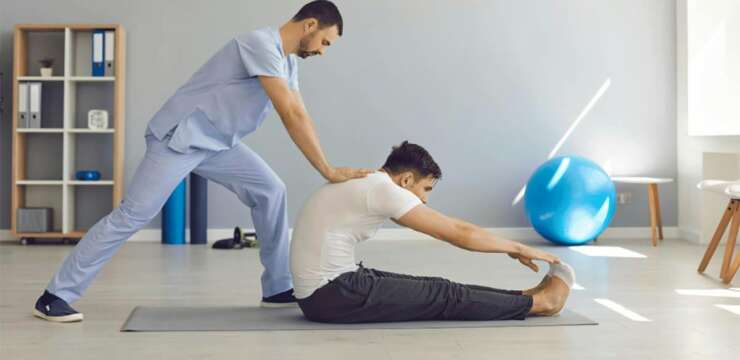
Spinal hygiene includes gentle mobility in multiple directions—extension, rotation, and side-bending—at a comfortable pace. This helps maintain normal motion and reduces “stuck” areas that force compensation (East Portland Chiropractic, 2019).
A simple daily mobility set (5–8 minutes):
-
Cat-cow (slow)
-
Thoracic rotation (open books)
-
Hip flexor stretch
-
Hamstring mobility (gentle)
-
Chest opener stretch
-
Neck range of motion (pain-free)
If you work at a desk, targeted mobility becomes even more important because sitting compresses the hips and encourages rounded shoulders (Salinas Physical Therapy, 2024).
Hydration and Nutrition: Discs, Muscles, and Bones Need Support
Spinal discs are influenced by hydration status, and spine-supporting tissues depend on nutrition for repair and resilience. A balanced diet supports bone density, muscle function, and tissue health (Spine Health Foundation, 2024).
Nutrition basics that support spinal health:
-
Adequate protein for muscle repair
-
Calcium + vitamin D for bone strength
-
Fruits and vegetables for antioxidants
-
Omega-3 fats (fish, walnuts, flax) for inflammation balance
-
Enough water throughout the day (Spine Health Foundation, 2024)
Weight can also affect spinal loading. Healthy weight management, when appropriate for the person, may reduce stress on the spine and joints (Spine Health Foundation, 2023).
Stress and the Spine: The “Tension Loop” Is Real
Stress often shows up physically as:
-
Tight shoulders and neck
-
Clenched jaw
-
Shallow breathing
-
Guarding in the lower back
Chronic stress can increase muscle tension, making pain feel worse. Stress management is considered a core part of spinal hygiene (Spine & Pain Institute, n.d.).
Helpful daily stress tools:
-
2–5 minutes of slow breathing
-
Short walks outdoors
-
Light stretching before bed
-
Reducing unnecessary commitments
-
Basic sleep routine consistency (Mesquite Chiropractic, n.d.).
Sleep Posture: Your Spine “Resets” While You Rest
Sleep is part of spinal hygiene because recovery happens during rest. Poor sleep posture can worsen symptoms and slow progress (Spine Health Foundation, 2024).
General tips:
-
Side sleepers: pillow between knees
-
Back sleepers: pillow under knees
-
Use a pillow that supports the neck (not too high)
-
Avoid sleeping twisted for long periods (Spine Health Foundation, 2024)
When Chiropractic Care Fits Into Spinal Hygiene
Chiropractic care is commonly used as a conservative, non-invasive approach for neuromusculoskeletal issues and movement limitations (Illinois Spinal Care, n.d.).
In spinal hygiene terms, chiropractic visits may help:
-
Restore joint motion when areas feel “stuck”
-
Reduce strain patterns tied to posture
-
Support rehab exercises with better movement options
-
Catch small problems before they become bigger (Illinois Spinal Care, n.d.).
Dr. Jimenez often stresses that adjustments work best when paired with home care—posture practice, core stability, and ergonomics—so changes “hold” during real life (Jimenez, n.d.).
Why Integrative Chiropractic Care + Nurse Practitioners Can Be a Strong Team
Spinal hygiene is bigger than the spine alone. That’s where a chiropractor + nurse practitioner (NP) team can shine.
Chiropractors commonly focus on:
-
Spinal and joint mechanics
-
Mobility and alignment-based care
-
Movement patterns and functional rehab
-
Manual therapy and exercise progression (Illinois Spinal Care, n.d.)
NP commonly supports:
-
Whole-person health planning
-
Nutrition guidance and labs when appropriate
-
Sleep, stress, and lifestyle coaching
-
Medication review (when needed) and safety screening
Together, this can create a more complete plan—especially for people with complex pain, injury recovery needs, fatigue, metabolic concerns, or high stress loads. Lifestyle changes are a major driver of long-term spine outcomes, and a team approach can make those changes more achievable (Spine & Pain Institute, n.d.).
A Simple Daily Spinal Hygiene Checklist
You can treat this like brushing and flossing—small habits, repeated often.
Daily (5–15 minutes total):
-
5 minutes mobility (cat-cow, hips, chest opener)
-
2–5 minutes core endurance (plank, bird-dog)
-
1–2 short walking breaks during the day
-
Hydration check: water throughout the day
-
A 30–60 second posture reset at your desk
Weekly:
-
2–4 strength sessions (basic full-body)
-
Review workstation ergonomics
-
Add one longer recovery session (walk, yoga, easy swim)
When to Get a Medical Evaluation Quickly
Spinal hygiene helps many people, but some symptoms should be checked promptly. Seek urgent evaluation if you have:
-
New bowel or bladder control problems
-
Numbness in the groin/saddle area
-
Progressive weakness in a leg or arm
-
Fever, unexplained weight loss, or a history of cancer with new back pain
-
Severe trauma (major fall, car accident) with significant pain
For non-emergency symptoms that persist, getting a proper evaluation can help you choose the safest plan.
Bottom Line
Spinal hygiene is the everyday care that protects your spine the way brushing protects your teeth. It’s built from posture awareness, frequent movement, safe lifting, core endurance, mobility work, sleep posture, hydration, nutrition, and stress management (Spine & Pain Institute, n.d.).
If you want a more complete approach, integrative chiropractic care with NP support can combine hands-on spine care with lifestyle and wellness strategies—often improving results beyond what either approach can do alone (Illinois Spinal Care, n.d.).
References
-
An Ideal Spine Curvature Prevents Short- and Long-Term Issues (Posture Works, 2023).
-
Chiropractic Care for Pain Management: A Natural, Holistic Approach (Wake Spine & Pain Specialists, 2025).
-
Corrective Posture Tips & Ergonomics (Jimenez, n.d.).
-
Correcting Your Sitting Posture for a Pain-Free Back (Jimenez, n.d.).
-
Everyday Exercises to Strengthen Your Spine (Jimenez, n.d.).
-
Love Your Spine: Tips for Spinal Hygiene (LifeMoves, n.d.).
-
Nurturing the Nervous System: The Importance of Spinal Hygiene (Serving Life Chiropractic, n.d.).
-
Nutrition and the Spine (Spine Health Foundation, 2024).
-
Nutrition and Weight Control (Spine Health Foundation, 2023).
-
Spinal Hygiene: For Desk Jobs (Salinas Physical Therapy, 2024).
-
Spinal Hygiene: How It Can Help (Spine & Pain Institute, n.d.).
-
Spinal Hygiene: How Taking Care of Your Spine with Chiropractic Can Help You Live Your Best Life Now and As You Age (Illinois Spinal Care, n.d.).
-
Spinal Hygiene (Service Page) (New Life Family Chiropractic, n.d.).
-
The Benefits of Spinal Care Chiropractic for a Healthy Lifestyle (Prestige Health & Wellness, n.d.).
-
The Connection Between Stress and Back Pain: How Chiropractic Can Help (Mesquite Chiropractic, n.d.).
-
Why Spinal Hygiene Is So Important to Your Health (Malone, 2021).
-
YouTube: Spinal Hygiene | How To Keep A Healthy Spine (Video).
-
YouTube: Spinal Hygiene Video (Video).
-
YouTube: Spinal Hygiene Video (Video).
Disclaimers
Professional Scope of Practice *
The information herein on "Spinal Hygiene: Daily Habits to Protect Your Back" is not intended to replace a one-on-one relationship with a qualified health care professional or licensed physician and is not medical advice. We encourage you to make healthcare decisions based on your research and partnership with a qualified healthcare professional.
Blog Information & Scope Discussions
Welcome to El Paso's wellness blog, where Dr. Alex Jimenez, DC, FNP-C, a board-certified Family Practice Nurse Practitioner (FNP-C) and Chiropractor (DC), presents insights on how our team is dedicated to holistic healing and personalized care. Our practice aligns with evidence-based treatment protocols inspired by integrative medicine principles, similar to those found on dralexjimenez.com, focusing on restoring health naturally for patients of all ages.
Our areas of chiropractic practice include Wellness & Nutrition, Chronic Pain, Personal Injury, Auto Accident Care, Work Injuries, Back Injury, Low Back Pain, Neck Pain, Migraine Headaches, Sports Injuries, Severe Sciatica, Scoliosis, Complex Herniated Discs, Fibromyalgia, Chronic Pain, Complex Injuries, Stress Management, Functional Medicine Treatments, and in-scope care protocols.
Our information scope is limited to chiropractic, musculoskeletal, physical medicine, wellness, contributing etiological viscerosomatic disturbances within clinical presentations, associated somato-visceral reflex clinical dynamics, subluxation complexes, sensitive health issues, and functional medicine articles, topics, and discussions.
We provide and present clinical collaboration with specialists from various disciplines. Each specialist is governed by their professional scope of practice and their jurisdiction of licensure. We use functional health & wellness protocols to treat and support care for the injuries or disorders of the musculoskeletal system.
Our videos, posts, topics, subjects, and insights cover clinical matters, issues, and topics that relate to and directly or indirectly support our clinical scope of practice.*
Our office has reasonably attempted to provide supportive citations and has identified the relevant research studies or studies supporting our posts. We provide copies of supporting research studies available to regulatory boards and the public upon request.
We understand that we cover matters that require an additional explanation of how they may assist in a particular care plan or treatment protocol; therefore, to discuss the subject matter above further, please feel free to ask Dr. Alex Jimenez, DC, APRN, FNP-BC, or contact us at 915-850-0900.
We are here to help you and your family.
Blessings
Dr. Alex Jimenez DC, MSACP, APRN, FNP-BC*, CCST, IFMCP, CFMP, ATN
email: coach@elpasofunctionalmedicine.com
Licensed as a Doctor of Chiropractic (DC) in Texas & New Mexico*
Texas DC License # TX5807
New Mexico DC License # NM-DC2182
Licensed as a Registered Nurse (RN*) in Texas & Multistate
Texas RN License # 1191402
ANCC FNP-BC: Board Certified Nurse Practitioner*
Compact Status: Multi-State License: Authorized to Practice in 40 States*
Graduate with Honors: ICHS: MSN-FNP (Family Nurse Practitioner Program)
Degree Granted. Master's in Family Practice MSN Diploma (Cum Laude)
Dr. Alex Jimenez, DC, APRN, FNP-BC*, CFMP, IFMCP, ATN, CCST
My Digital Business Card
What's your reaction?