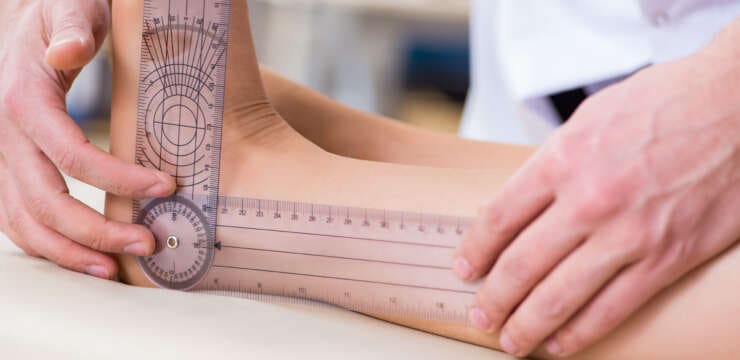
Discover the solutions regenerative orthopedics offers for knee pathology and improve your knee health today.
Table of Contents
Abstract
In this educational post, I guide you through a practical, patient-centered approach to diagnosing and treating meniscal pathology and related soft-tissue dysfunctions using modern, evidence-based methods. I explain how I plan and perform image-guided intrameniscal and periarticular injections, platelet-rich plasma (PRP) procedures, prolotherapy, and dry needling, while integrating chiropractic care, functional medicine, and rehabilitation in a multidisciplinary clinical setting. I also highlight the essential collaboration with our Medical Director, Dr. Maria Guadalupe Cardenas, MD (Board Certified in Internal Medicine; NPI #1164426749; Texas MD License #J2933), who provides medical oversight at Injury Medical Clinic PA (Mission Plaza Injury Medical Clinic) in El Paso, Texas. Together, we deliver comprehensive care that optimizes tissue healing, movement mechanics, and long-term outcomes for patients with knee meniscus injuries and complex musculoskeletal cases. Throughout, I share clinical observations from my practice and research synthesis from leading investigators, offering a step-by-step, first-person journey you can follow and understand.
Team-Based Integrative Care: Internal Medicine Oversight Meets Chiropractic Precision

At Injury Medical Clinic PA (also known as Mission Plaza Injury Medical Clinic) in El Paso, Texas, our model is deliberately multidisciplinary. I serve as both chiropractor and advanced practice registered nurse, integrating manual therapy, biomechanical assessment, and functional medicine with interventional procedures. Our medical direction is led by Dr. Maria Guadalupe Cardenas, MD, an internist with over 40 years of clinical experience. Dr. Cardenas provides:
- Medical governance and oversight for procedures (e.g., PRP injections, periarticular infiltrations, medication safety).
- Risk assessment and management for comorbidities (cardiometabolic risk, autoimmune conditions, infection control).
- Interpretation and coordination of diagnostic imaging, labs, and referrals.
- Co-management protocols for personal injury cases and complex rehabilitation planning.
This partnership reflects the standard of integrative injury care, where an MD collaborates with a chiropractor to ensure clinical rigor, regulatory compliance, and patient safety. My role centers on movement optimization, tissue load management, neuromusculoskeletal diagnostics, and precision-guided procedural techniques. Our unified goal is simple: deliver personalized, evidence-informed treatment that respects each patient’s biomechanics and biology.
Understanding Meniscal Pathophysiology and Why It Matters
When I evaluate a suspected meniscal injury, I start by mapping the pain generators and nearby structures that may be contributing:
- The meniscus is fibrocartilaginous and divided into red-red, red-white, and white-white zones, each with distinct vascularity. The peripheral red zone has higher vascular supply and better healing potential; the central white zone is relatively avascular and heals poorly without augmentation.
- Mechanically, the meniscus distributes load, enhances joint stability, and aids lubrication. Tears disrupt hoop stress transmission, increasing focal cartilage loading and accelerating degenerative change.
- Inflammation and synovial effusion alter joint mechanics and nociception via cytokines (e.g., IL-1?, TNF-?), matrix-degrading enzymes (MMPs), and oxidative stress.
From years in practice, I’ve seen that poor hip and foot mechanics compound knee stress. Excess internal tibial rotation, limited ankle dorsiflexion, and weak lateral hip stabilizers can overload the meniscus. Thus, even when we plan an injection, I simultaneously address movement dysfunction with manual therapy and rehabilitation. Evidence supports biomechanical correction to reduce joint stress and improve outcomes following meniscus-directed interventions (Dey et al., 2012; Hall et al., 2015).
Modern Imaging and Injection Planning: My Step-by-Step Approach
Before any needle enters the skin, I mark landmarks using palpation and ultrasound. My workflow is deliberate:
- I position the patient to open the target compartment (medial or lateral) and visualize the meniscal capsular junction.
- I triangulate entry points, typically 0–1.5 cm from the joint line, adjusting based on the patient’s anatomy and the tear’s location.
- I identify the capsular junction, meniscal rim, and relevant bony landmarks. I prefer to keep the meniscus centered on the screen during ultrasound to minimize parallax and misdirection.
Why triangulation? Accurate entry promotes precise deposition of biologics in or adjacent to the meniscal tear plane. It reduces iatrogenic damage and improves patient comfort. I stay perpendicular to the target to align with the meniscal laminae and fibrocartilage architecture, avoiding excessive shear. If tissue resistance rises or a patient reports sharp pain suggestive of subcutaneous deposition, I reposition. Injections should be therapeutic, not traumatic.
PRP, Dry Needling, and Trephination: What I Use and Why
I routinely combine procedures to stimulate healing:
- Platelet-Rich Plasma (PRP): I use leukocyte-modulated protocols depending on the tear type. PRP delivers growth factors (PDGF, TGF-?, VEGF, IGF-1) that upregulate collagen synthesis, angiogenesis, and tenocyte/fibrochondrocyte activity. PRP can downregulate inflammatory pathways and MMP activity, supporting matrix repair in meniscal tissue (Filardo et al., 2015; Laudy et al., 2015).
- Why PRP? The meniscus’s limited vascularity benefits from pro-healing signals concentrated at the lesion. PRP offers a lower-risk alternative to surgery in selected tears, especially red-white zones and superficial superior surface tears.
- Dry Needling and Trephination: In orthopedics, trephination creates microchannels to encourage vascular ingrowth and biologic exchange. With a fine-gauge needle (e.g., 25-gauge), I gently fenestrate along the meniscal capsular junction and targeted tear margin. Dry needling in peri-meniscal and periarticular soft tissues (e.g., pes anserine, hamstring insertion, peripatellar retinacula, pectoral and shoulder girdle soft tissue when indicated for kinetic chain issues) can break myofascial trigger points, desensitize nociceptors, and restore motor patterns.
- Why trephinate? Meniscal healing needs vascular support. Microchannels can foster neovascularization and improve PRP diffusion along the tear. Dry needling regulates central and peripheral sensitization and improves neuromuscular control (Dommerholt et al., 2015).
- Prolotherapy and Periarticular Infiltrations: For laxity and capsular irritation, I sometimes use dextrose-based prolotherapy to stimulate local healing responses via osmotic shock, promoting fibroblast activity and collagen deposition (Rabago et al., 2011).
- Why prolotherapy? In patients with instability, augmenting connective tissue integrity can reduce aberrant joint mechanics that perpetuate meniscal stress.
I always remind patients: techniques should be tolerable. If an injection hurts excessively, I reassess depth, angle, and tissue plane. Subcutaneous deposition at the wrong level causes pain without benefit; accurate peri-meniscal or intra-meniscal placement is key.
Intrameniscal and Periarticular Technique Details: A Clear Walkthrough
When I plan an intra-meniscal or peri-meniscal injection for a superior surface meniscal tear, this is my sequence:
- I confirm the tear’s orientation and depth via ultrasound and, when indicated, MRI correlation.
- I mark the entry at approximately 1–1.5 cm distal to the joint line, adjusting for patient anatomy and probe perspective.
- I align the needle perpendicular to the meniscal plane to cleanly penetrate the fibrocartilage, avoiding skiving.
- I assess the meniscal appearance: in pathologic states, I may see intramural hypoechoic changes or fluid, indicating an area of degradation.
- I trephinate judiciously to create channels for PRP. I look for a subtle “float” of fluid around the meniscal interface without tissue expansion suggestive of subcutaneous misplacement.
- I deposit PRP in small aliquots, watching dispersion and patient feedback.
For associated hamstring insertion tenderness or pes anserine bursopathy, I target the anterior medial knee soft tissue planes and tendinous insertions. I identify the three pes tendons—sartorius, gracilis, semitendinosus—and selectively address the most symptomatic. For shoulder or chest wall kinetic chain contributions (e.g., altered upper-body loading affecting swing mechanics in golfers), I include pectoral, scapular stabilizer, and cervical-thoracic soft-tissue work when relevant to global movement.
Safety rules I follow:
- Use appropriate gauge (often 25-gauge) to minimize trauma while providing adequate flow.
- Avoid subcutaneous deposition for intra-articular or intra-meniscal targets; redirect if pain or resistance is atypical.
- Prioritize less painful steps first, reserving intense stimuli for last to optimize tolerance.
The Role of Integrative Chiropractic Care in Meniscus Rehabilitation
Chiropractic care complements biologic injections by restoring joint mechanics and neuromuscular control:
- Manual Adjustments and Mobilization: I use gentle tibiofemoral and patellofemoral mobilizations to reduce aberrant tracking and improve synovial fluid movement.
- Soft Tissue Techniques: Myofascial release on the iliotibial band, quadriceps, adductors, and hamstring complex reduces tensile overload on the meniscus.
- Neuromotor Reeducation: I emphasize hip abductor and external rotator activation (gluteus medius, deep rotators), foot tripod mechanics, and ankle dorsiflexion restoration to correct knee valgus and internal rotation moments.
Why this matters: PRP and trephination stimulate healing, but without correcting kinetic chain faults, repetitive stress can re-injure the meniscus. Movement retraining helps maintain gains, reduce nociceptive input, and foster long-term resilience. Clinical studies support the use of exercise-based and manual therapy adjuncts for knee pain and meniscal conditions, showing improvements in pain, function, and quality of life (Kise et al., 2016; Logerstedt et al., 2018).
Functional Medicine Lens: Biology Behind Biomechanics
Meniscal recovery is not purely mechanical; it’s biological. I evaluate nutrient status, glycemic control, and systemic inflammation:
- Collagen substrates and cofactors: Adequate vitamin C, proline, lysine, zinc, and copper support collagen cross-linking and tissue repair.
- Omega-3 fatty acids: Modulate pro-inflammatory eicosanoids, potentially aiding joint recovery.
- Glycemic management: Hyperglycemia promotes the formation of AGEs that stiffen collagen and impair healing.
- Lifestyle load: Sleep quality, stress hormones, and physical activity patterns influence recovery signaling.
In consultation with Dr. Cardenas, we align functional medicine insights with medical management to ensure labs and pharmacology are safely integrated. Addressing biology reduces catabolic drive and optimizes the milieu for PRP and mechanical rehabilitation to succeed.
Injury Rehabilitation- Video
Clinical Observations from Practice: Patterns I See
From years of hands-on care and ongoing case reviews (see my clinical observations at HealthCoach.Clinic and on LinkedIn), several themes recur:
- Golfers with superior surface meniscal tears often present with limited hip internal rotation of the trail leg, poor intrinsic foot strength, and thoracic stiffness. Their swing loading pattern magnifies medial compartment stress.
- Patients who respond best to PRP typically exhibit good movement adherence, maintain control of inflammation, and follow a graded loading protocol.
- When pain spikes during injection, it usually indicates plane mismatch. Slowing down, changing angle, or reassessing the target resolves the issue and improves outcomes.
- Combining trephination with PRP often increases perceived stability and reduces tenderness at the meniscal capsular junction, especially when paired with hip and ankle corrections.
These insights guide my day-to-day decisions and refine patient education so individuals understand why each step matters.
Rehabilitation Roadmap: From Protection to Performance
I create phased plans that integrate chiropractic, medical oversight, and functional rehab:
- Phase 1: Calm Pain and Protect Tissue
-
- Relative load reduction, edema control, and gentle joint mobilization.
- Isometric quadriceps, hamstring, and gluteal activation to preserve neuromuscular pathways without overloading the meniscus.
- Nutritional support and sleep optimization.
- Phase 2: Restore Mobility and Control
-
- Address ankle dorsiflexion and hip rotation.
- Soft tissue work for ITB, adductors, and lateral retinacula; patellar mobilization as needed.
- Begin closed-chain hip-knee-ankle coordination drills emphasizing alignment and foot stability.
- Phase 3: Build Strength and Capacity
-
- Progressive resistance focused on hip abductors, external rotators, posterior chain, and calf complex.
- Introduce controlled frontal/transverse plane challenges to prepare for sports.
- Phase 4: Return to Sport
-
- Movement pattern retraining based on sport demands (e.g., golf swing sequencing, torsional control, deceleration strategies).
- Reassess with functional testing; gradually increase hole count, walk distance, and swing intensity under symptom monitoring.
This progression protects the healing meniscus while reestablishing efficient load transfer across the kinetic chain.
Practical Pearls: Comfort, Precision, and Patient Partnership
I emphasize patient comfort and procedural precision:
- Start with the least painful interventions and reserve more intense steps for last, limiting total time spent in pain.
- Always redirect if discomfort suggests incorrect plane—do not force an injection.
- Use effective skin preparation and clear marking so the patient can see the plan and trust the process.
- Encourage patients to ask questions; shared understanding improves adherence and outcomes.
Evidence Landscape: What Leading Research Shows
Contemporary literature supports biologic and integrative strategies:
- PRP shows promise for various knee pathologies, improving pain and function compared to some controls, though protocols vary (Laudy et al., 2015; Filardo et al., 2015).
- Exercise-based rehab and targeted neuromuscular training are central to conservative meniscal care and post-intervention success (Kise et al., 2016; Logerstedt et al., 2018).
- Dry needling can modulate myofascial pain, alter trigger point physiology, and reduce nociception when combined with rehabilitative strategies (Dommerholt et al., 2015).
- Prolotherapy may enhance ligamentous and capsular stability in selected cases, supporting mechanical control (Rabago et al., 2011).
Our integrative clinic design—combining MD oversight, chiropractic care, functional medicine, and targeted procedures—aligns with this multi-pronged evidence base.
Collaborative Roles and Safety
Dr. Cardenas’s internal medicine oversight ensures:
- Safety protocols for injections, sterile technique standards, and medication review.
- Management of complex internal conditions that may affect healing (e.g., diabetes, autoimmune disease).
- Integration of imaging, lab data, and cross-specialty referrals.
My role emphasizes:
- Ultrasound-guided precision, manual therapy expertise, and movement diagnostics.
- Coordination of rehabilitation phases and patient education.
- Application of biologics (PRP) and orthopedic needling within scope, backed by research and clinical experience.
Together, we deliver comprehensive, patient-first care for meniscal injuries and broader musculoskeletal concerns.
Patient Journey: From First Visit to Follow-Up
Here is how I often structure a case:
- Visit 1: History, physical exam, movement analysis; knee ultrasound; initial pain management; education on options (PRP, dry needling, rehab plan).
- Procedure Visit: Marking, ultrasound guidance, trephination, PRP deposition; periarticular soft-tissue needling as indicated; immediate post-care instructions.
- Early Follow-Up: Pain and function reassessment; initiation or progression of chiropractic and rehab plan.
- Mid-Term Review: Biomechanics audit; adjust exercise intensity and manual therapy; monitor systemic factors (nutrition, sleep, stress).
- Return-to-Activity: Gradual reintroduction of sport-specific demands under criteria-based milestones; ongoing prevention strategies.
Patients appreciate clarity. When they understand how the meniscus heals and why each technique is chosen, adherence improves and recovery accelerates.
Final Thoughts: Precision Medicine Meets Movement Medicine
The best outcomes for meniscal injuries emerge when biologic stimulation is paired with mechanical optimization. PRP and trephination can create an environment conducive to healing; chiropractic care, functional medicine, and rehabilitation translate that healing into durable function. With Dr. Maria Guadalupe Cardenas, MD, providing medical oversight and our team integrating care seamlessly, we can address the whole person—from cellular repair to gait mechanics—so patients regain confidence, mobility, and performance.
For more on my clinical observations and integrative protocols, visit my practice insights at HealthCoach.Clinic and connect with me on LinkedIn.
References
- Filardo, G., Di Matteo, B., Di Martino, A., Merli, M. L., & Marcacci, M. (2015). Platelet-rich plasma intra-articular knee injections for the treatment of degenerative cartilage lesions and osteoarthritis: Evidence and recommendations. The American Journal of Sports Medicine.
- Laudy, A. B., Bakker, E. W. P., Rekers, M., & Moen, M. H. (2015). Efficacy of platelet-rich plasma injections in osteoarthritis of the knee: A systematic review and meta-analysis. British Journal of Sports Medicine.
- Kise, N. J., Risberg, M. A., Stensrud, S., Ranstam, J., Engebretsen, L., & Roos, E. M. (2016). Exercise therapy versus arthroscopic partial meniscectomy for degenerative meniscal tear in middle-aged patients: Randomized controlled trial.
- Logerstedt, D. S., Scalzitti, D. A., Risberg, M. A., et al. (2018). Knee pain and mobility impairments: Meniscal and articular cartilage lesions revision. Physical Therapy.
- Dommerholt, J., & Gerwin, R. (2015). A critical overview of the current myofascial pain literature.
- Rabago, D., Nourani, B., Kijowski, R., et al. (2011). Dextrose prolotherapy for knee osteoarthritis: A randomized controlled trial. Pain Medicine.
SEO tags: PRP for meniscus, integrative chiropractic care, meniscal trephination, dry needling knee, internal medicine collaboration, El Paso injury clinic, functional medicine musculoskeletal, knee rehabilitation protocol, ultrasound-guided injection, pes anserine pain, hamstring insertion, gluteal activation for knee, MD and chiropractor team, Injury Medical Clinic PA, Mission Plaza Injury Medical Clinic
What's your reaction?