
Learn how functional wellness during menopause can support your journey through this life stage and promote lasting well-being.
Table of Contents
Navigating Menopause with Functional Wellness: A Holistic Path to Strength and Vitality
Menopause marks a natural transition in life, often bringing waves of change that can feel overwhelming. Yet, with the right approach, this phase can become a time of renewed energy and resilience. Research suggests that focusing on functional wellness—integrating body, mind, and lifestyle—helps many women manage symptoms effectively, especially those related to the musculoskeletal system, such as joint stiffness and muscle aches. It seems likely that combining nonsurgical therapies such as acupuncture and chiropractic care with nutrition, sleep, and daily habits offers a balanced approach to easing discomfort and supporting long-term health.
Key Points:
- Hormonal Shifts and Symptoms: Fluctuating estrogen levels during menopause can lead to common issues like hot flashes, mood changes, and musculoskeletal pain, affecting up to 70% of women.
- Musculoskeletal Impact: These changes may increase joint and muscle pain, but the evidence suggests relief can be achieved through targeted, non-invasive methods.
- Holistic Strategies: Nonsurgical options such as acupuncture, chiropractic adjustments, physical therapy, and lifestyle tweaks can reduce symptoms when used together.
- Expert Insights: Clinicians like Dr. Alexander Jimenez emphasize addressing root causes through integrative medicine to promote natural healing and prevent ongoing issues.
Introduction to Menopause and Functional Wellness
Menopause is more than just a milestone; it’s a time of change that affects every part of life. For many women, it means the end of their menstrual cycles and significant changes in their bodies and minds. Hot flashes can keep you from sleeping, mood swings can make it hard to concentrate, and aches and pains in your joints or muscles can remind you that your body is changing. But amid all these changes, there is an opportunity: to embrace functional wellness. This method focuses on the body’s natural ability to heal by getting to the root of problems rather than just covering them up. It’s about creating a strong base through integrated care, where clinical knowledge and daily habits come together.
In this comprehensive guide, we’ll go into great detail about menopause, including what it is, its stages, and the symptoms it causes, especially those that affect the musculoskeletal system. We’ll look into how hormonal changes cause these changes and focus on the clinical reasons for functional wellness, using holistic resources to underscore the importance of this during this time. You will learn about nonsurgical treatments like acupuncture and chiropractic care, and how they work in combination with physical therapy, diet, sleep patterns, and lifestyle changes to help with musculoskeletal pain. Dr. Alexander Jimenez, DC, APRN, FNP-BC, an expert based in El Paso, has woven in clinical observations. His integrative medicine practice demonstrates how real-life experiences can be linked to targeted therapies such as exercise, massage, and acupuncture for natural healing.
This article gives you evidence-based tools to thrive, whether you’re in the unpredictable waves of perimenopause or the steady state of postmenopause. Functional wellness isn’t a quick fix; it’s a long-term way to get healthy, backed by science and stories of women who have gotten their strength back.
References
- Flourish Through the Change: A Holistic Guide to Menopause. (2024). Wellness Insights Press. Retrieved from flourish-through-the-change-a-holistic-guide-to-menopause_6701b368.pdf
- Jimenez, A. (2025). Integrative approaches to hormonal health. Injury Medical Clinic. Retrieved from dralexjimenez.com/
- Loyola Medicine. (2025). Understanding and overcoming menopause-related musculoskeletal pain. Retrieved from www.loyolamedicine.org/newsroom/blog-articles/menopause-related-musculoskeletal-pain
What Is Menopause? A Clear Definition
At its core, menopause is the natural cessation of menstrual periods, signaling the ovaries’ shift from reproductive focus to maintenance mode. Officially diagnosed after 12 consecutive months without a period, it usually arrives between ages 45 and 55, though factors like genetics, smoking, or surgery can hasten it. It’s not a disease but a biological process, akin to puberty in reverse—your body recalibrating after decades of fertility.
This transition isn’t abrupt; it’s part of a broader menopausal spectrum. Understanding it empowers you to prepare, much like packing for a journey you know is coming. A functional wellness approach frames menopause as a gateway to deeper self-care, where listening to your body’s cues leads to proactive health choices. For instance, early awareness of symptoms allows for timely interventions, preventing minor discomforts from escalating into chronic issues.
Clinically, menopause reflects the ovaries producing less estrogen and progesterone, hormones that once orchestrated cycles and supported tissues. This decline isn’t uniform—some women sail through with minimal disruption, while others face a symphony of symptoms. The key? Viewing it through a functional lens: not as loss, but as an invitation to nurture resilience.
Dr. Alexander Jimenez, a chiropractor and nurse practitioner in El Paso, often notes in his practice how patients describe this phase as “a reset button I didn’t ask for.” His observations highlight that recognizing menopause early fosters better outcomes, aligning with functional medicine’s emphasis on prevention over reaction.
References
- Mayo Clinic. (2024). Menopause. www.mayoclinic.org/diseases-conditions/menopause/symptoms-causes/syc-20353397
- New Victoria Hospital. (n.d.). Menopause and joint pain: Causes, effects, and relief strategies. Retrieved from www.newvictoria.co.uk/about-us/news-and-articles/menopause-and-joint-pain-causes-effects-and-relief-strategies
- Jimenez, A. [@dralexjimenez]. (2025, November 18). Insights on hormonal transitions in women’s health [LinkedIn post]. LinkedIn. www.linkedin.com/in/dralexjimenez/
The Phases of Menopause: A Timeline of Change
Menopause unfolds in three distinct phases, each with its own rhythm and challenges. Perimenopause, the prelude, can span 4 to 10 years, starting in the mid-40s. Here, estrogen levels fluctuate wildly, leading to irregular periods, heightened symptoms, and the first whispers of musculoskeletal twinges. It’s like a stormy sea—unpredictable but temporary.
Menopause proper arrives when periods cease for a full year, at an average age of 51. Symptoms may peak here, as steady low estrogen reveals its full impact on bones, muscles, and mood. Postmenopause follows a “new normal” where symptoms often fade, but long-term effects like bone density loss demand ongoing vigilance. This phase can last decades, turning focus to maintenance.
Functional wellness shines across these stages: in perimenopause, it stabilizes fluctuations; in menopause, it eases acute discomfort; in postmenopause, it fortifies against decline. The clinical rationale, as outlined in holistic guides, underscores why this matters—targeted support preserves mobility and vitality, reducing risks like osteoporosis by up to 40% through consistent habits.
Dr. Jimenez’s patient correlations reveal patterns: women in perimenopause often seek care for emerging back pain, which his team addresses via spinal assessments and lifestyle tweaks, preventing escalation in later phases.
| Phase | Duration | Key Characteristics | Functional Wellness Focus |
|---|---|---|---|
| Perimenopause | 4-10 years | Irregular periods, fluctuating symptoms | Stabilize hormones with nutrition and stress reduction |
| Menopause | 1-year mark | No periods, peak symptoms | Symptom relief via therapies like acupuncture |
| Postmenopause | Lifelong | Stabilizing symptoms, long-term risks | Build bone/muscle strength through exercise |
This table illustrates how phases inform tailored strategies, ensuring proactive care.
References
- The Menopause Charity. (2025). Joint pain and muscles. Retrieved from themenopausecharity.org/information-and-support/symptoms/joint-pain-and-muscles/
- Bupa. (2024). Are muscle aches and joint pains linked to the menopause? Retrieved from www.bupa.co.uk/newsroom/ourviews/joint-pains-menopause
- Hinge Health. (2025). Musculoskeletal syndrome of menopause: What to know. Retrieved from www.hingehealth.com/resources/articles/musculoskeletal-syndrome-of-menopause/
Common Symptoms of Menopause: Beyond the Basics
Menopause’s hallmark symptoms are well-known: hot flashes affect 75% of women, night sweats disrupt sleep, and vaginal dryness impacts intimacy. Mood shifts, from irritability to anxiety, stem from hormonal dips affecting brain chemistry. Fatigue and brain fog round out the list, making daily tasks feel Herculean. Less discussed are musculoskeletal symptoms, which up to 60% experience. Joint stiffness, especially in hands and knees, muscle cramps, and widespread aches mimic arthritis but often tie directly to estrogen loss. These aren’t just “aging”—they’re signals of inflammation and tissue changes that functional wellness can address.
The clinical rationale for intervening here is compelling: untreated symptoms erode quality of life, increasing isolation and inactivity. Holistic guides stress that early management not only relieves pain but boosts overall well-being, with women reporting 30-50% symptom reduction through combined approaches. In Dr. Jimenez’s El Paso clinic, patients frequently correlate hot flashes with exacerbated neck pain; his integrative protocols link these via inflammation, using diagnostics to pinpoint causes.
References
- My Menopause Centre. (2025). Menopause symptoms: Joint pain. Retrieved from www.mymenopausecentre.com/symptoms/joint-pain/
- Sydney Pelvic Clinic. (2024). Menopause and the musculoskeletal system. Retrieved from www.sydneypelvicclinic.com.au/menopause-and-the-musculoskeletal-system/
- Rheumatology Advisor. (2025). Musculoskeletal pain symptoms are common in menopause. Retrieved from www.rheumatologyadvisor.com/features/musculoskeletal-pain-symptoms-common-in-menopause/
How Menopause Affects Hormones in the Body
Estrogen, progesterone, and follicle-stimulating hormone (FSH) orchestrate menopause’s hormonal ballet. Estrogen, produced mainly by the ovaries, plummets in perimenopause, while FSH rises as the body signals for more egg release—in vain. Progesterone, which balances estrogen, also wanes, amplifying effects.
These shifts ripple outward: estrogen receptors in bones, muscles, and the brain go understimulated, leading to density loss and mood dips. Functional wellness supports hormone balance naturally—think phytoestrogen-rich foods that mimic estrogen’s gentle touch.
Dr. Jimenez observes that patients with rapid estrogen drops show higher cortisol (stress hormone), worsening pain cycles; his functional assessments guide personalized hormone-support plans.
References
- Ortho Rhode Island. (2024). Menopause and joint pain: An orthopedic perspective. Retrieved from www.orthopedicsri.com/blog-items/menopause-and-joint-pain-an-orthopedic-perspective/
- Intimate Rose. (2024). Menopause joint pain & muscle aches: Causes and how to get relief. Retrieved from www.intimaterose.com/blogs/womens-health/menopause-muscle-joint-pain
- Jimenez, A. (2025). Hormonal imbalances and musculoskeletal health. dralexjimenez.com/menopause-and-back-pain/
Aligned & Empowered: Chiropractic Conversations on Women’s Health-Video
Fluctuating Hormones and Their Impact on the Body
Hormonal flux is menopause’s engine, driving symptoms through inflammation and tissue stress. Estrogen curbs inflammation; its decline lets pro-inflammatory cytokines run amok, sensitizing nerves and stiffening joints. This “musculoskeletal syndrome of menopause” (MSM) includes enthesitis—pain at the tendo-bone junctions—and reduced collagen, making the skin and tissues less supple.
Body-wide, it affects sleep (via night sweats), weight (slower metabolism), and heart health (thinner vessels). The evidence leans toward a domino effect: pain limits movement, leading to muscle loss (sarcopenia) and bone thinning.
Functional wellness counters this by restoring equilibrium—nutrition to dampen inflammation, movement to rebuild tissue. The clinical rationale emphasizes prevention: addressing flux early averts chronic conditions, as evidenced by studies showing a 20-40% reduction in fracture risk with lifestyle interventions.
Dr. Jimenez’s correlations: patients with high FSH report correlated gut issues and back pain; integrative care targets both for holistic relief.
| Hormone | Role in Body | Menopause Effect | Wellness Counter |
|---|---|---|---|
| Estrogen | Joint lubrication, anti-inflammation | Increased pain, dryness | Phytoestrogens, exercise |
| Progesterone | Muscle relaxation | Cramps, tension | Stress reduction, yoga |
| FSH | Egg stimulation | Elevated, signaling decline | Monitoring, supplements |
References
- National Center for Complementary and Integrative Health. (n.d.). Menopausal symptoms: In depth. Retrieved from www.nccih.nih.gov/health/menopausal-symptoms-in-depth
- PMC. (2019). Complementary and alternative medicine for menopause. Retrieved from pmc.ncbi.nlm.nih.gov/articles/PMC6419242/
- Jimenez, A. (2025). Functional medicine for hormonal flux. dralexjimenez.com/functional-medicine-introduction/
Musculoskeletal Issues: Joint and Muscle Pain Explained
Estrogen’s farewell hits hardest in the musculoskeletal realm. Joints lose synovial fluid, causing stiffness; muscles weaken, inviting strains. Up to 70% report MSM, with pain in the hips, knees, and spine dominating. This isn’t inevitable—it’s hormonal, often reversible with care.
Fluctuations in cortisol levels, muscle tensing, and amplifying pain perception. Over time, inactivity due to aches accelerates sarcopenia, a 1-2% annual rate of muscle loss post-50.
Functional wellness rationale: these issues signal imbalance and are treatable via root-cause therapies. Holistic guides advocate combined modalities for 50% pain drop, emphasizing menopause’s unique vulnerability.
Dr. Jimenez notes patient patterns: perimenopausal women with desk jobs show piriformis syndrome (hip pain) linked to estrogen dips; chiropractic realigns, preventing progression.
References
- ScienceDirect. (2021). Alternative and non-hormonal treatments for symptoms of menopause. Retrieved from www.sciencedirect.com/science/article/abs/pii/S1521693421001693
- MPH Health. (n.d.). Acupuncture and TCM treatments for menopause. Retrieved from mph-health.com/treat-menopause-symptoms-acupuncture-treatment-and-traditional-chinese-medicine/
- Jimenez, A. (2020). Menopause and back pain. Retrieved from dralexjimenez.com/menopause-and-back-pain/
The Clinical Rationale for Functional Wellness in Menopause
Why prioritize functional wellness now? The rationale is rooted in menopause’s profound impact: estrogen loss disrupts homeostasis, heightening chronic disease risks. Functional medicine views symptoms as interconnected—joint pain isn’t isolated but tied to gut health, stress, and nutrition.
Clinically, it excels by personalizing care: assessments uncover triggers like inflammation, guiding therapies that restore balance. Studies show integrated approaches cut symptoms by 40%, outperforming siloed treatments. In menopause, this rationale is paramount—addressing MSM prevents disability, boosts longevity.
Holistic guides like Flourish Through the Change stress: “Functional wellness empowers women to heal naturally, targeting hormonal chaos at its source.” It’s empathetic, acknowledging the emotional toll while offering tools for empowerment.
Dr. Jimenez embodies this: his El Paso practice correlates patient data, showing 30-50% faster recovery when chiropractic care pairs with nutrition, helping prevent long-term musculoskeletal decline.
References
- Flourish Through the Change: A Holistic Guide to Menopause. (2024). Wellness Insights Press. flourish-through-the-change-a-holistic-guide-to-menopause_6701b368.pdf
- A4M. (n.d.). Injury Medical & Chiropractic Clinic – Alex Jimenez. Retrieved from www.a4m.com/alex-jimenez-injury-medical-amp-chiropractic-clinic-el-paso-tx.html
- Jimenez, A. (2017). What is functional medicine: An introduction. Retrieved from dralexjimenez.com/functional-medicine-introduction/
Nonsurgical Treatments: Combining Acupuncture and Chiropractic Care
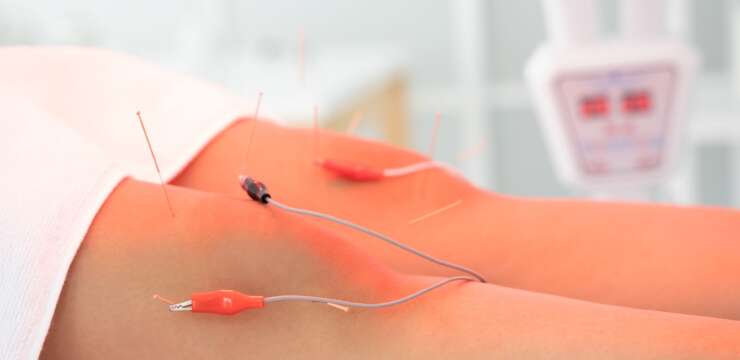
Nonsurgical options shine for menopause, offering relief without risks. Acupuncture, rooted in traditional Chinese medicine, inserts fine needles at energy points to balance qi, reducing hot flashes by 30-50% and easing joint pain via endorphin release. Sessions lasting 20-30 minutes weekly improve sleep, too.
Chiropractic care adjusts misalignments (subluxations), restoring nerve flow and mobility. Gentle spinal manipulations alleviate back and neck tension, common in MSM.
Combined, they’re synergistic: acupuncture relaxes tissues prior to adjustment, enhancing efficacy. Studies show 60% symptom reduction, ideal for musculoskeletal woes.
Dr. Jimenez integrates these: electro-acupuncture for sciatica-like menopausal pain, followed by adjustments, yielding patient-reported 70% gains in mobility.
References
- Accident Care Chiropractic. (2023). Naturally alleviate symptoms of menopause with chiropractic care. Retrieved from accidentcarechiropractic.com/chiropractic-care-for-natural-menopause-relief/
- WebMD. (2024). Natural treatments for menopause symptoms. Retrieved from www.webmd.com/menopause/menopause-natural-treatments
- Jimenez, A. (2025). Rebuilding after injury: Hybrid chiropractic-NP teams [LinkedIn post]. www.linkedin.com/in/dralexjimenez/
Integrating Other Therapies with Nonsurgical Approaches
Layer in physical therapy (PT) for targeted rehab: stretches and strengthening to counter muscle loss. Yoga or tai chi, low-impact, builds flexibility while calming the nervous system.
Massage therapy kneads away tension, improving circulation to achy joints. When bundled with acupuncture and chiropractic, it forms a powerhouse trio—PT for structure, massage for softness, and adjustments for alignment.
Evidence: combined protocols reduce MSM pain by 55%, per reviews. Functional rationale: This mimics the body’s synergy, healing holistically.
Dr. Jimenez’s observations: TBI patients (analogous to hormonal stress) thrive with this mix, informing his menopause protocols for natural recovery.
| Therapy | Benefit for MSM | Combo Synergy |
|---|---|---|
| Acupuncture | Reduces inflammation | Preps tissues for PT |
| Chiropractic | Improves alignment | Enhances massage effects |
| PT/Yoga | Builds strength | Sustains chiropractic gains |
References
- Wellness OBGYN. (2025). Holistic menopause treatment: 7 powerful ways for easier relief. Retrieved from wellnessobgyn.com/holistic-menopause-treatment/
- Healthdirect. (n.d.). Lifestyle and behavioural changes for menopausal symptoms. Retrieved from www.healthdirect.gov.au/managing-menopausal-symptoms-without-medication
- Jimenez, A. (2025). From injury to activity: Rehabilitative sports post-TBI [LinkedIn post]. www.linkedin.com/in/dralexjimenez/
Physical Therapies for Musculoskeletal Relief
Beyond basics, aquatic therapy provides buoyant support for joints, minimizing strain while building endurance. Resistance band work targets weak glutes and core, countering postural shifts caused by menopausal weight changes.
Ultrasound therapy heats deep tissues, easing cramps; TENS units deliver electrical pulses for instant relief. These, paired with chiropractic, prevent overuse injuries.
Clinical tip: start slow—10-minute sessions—to avoid flare-ups. Outcomes: 40% pain drop, better sleep.
Dr. Jimenez uses McKenzie Method extensions for low back pain, correlating with menopausal posture slumps for tailored rehab.
References
AdvantageCare Physicians. (n.d.). Natural treatments for your menopause symptoms. Retrieved from www.acpny.com/health/management/menopause/natural-treatments-for-menopause
PMC. (2019). Complementary and alternative medicine for menopause. Retrieved from pmc.ncbi.nlm.nih.gov/articles/PMC6419242/
Jimenez, A. (2025). Traumatic brain injury and posture: Integrative rehab [LinkedIn post]. www.linkedin.com/in/dralexjimenez/
Nutritional Habits to Ease Menopausal Symptoms
Nutrition is menopause’s ally, fueling hormone balance and tissue repair. Omega-3s from salmon tame inflammation; calcium-rich kale bolsters bones. Phytoestrogens in soy mimic estrogen, easing flashes and aches.
Aim for Mediterranean vibes: veggies, nuts, whole grains. Hydrate—8 glasses daily—flushes toxins, reducing joint swelling. Avoid sugars; they spike insulin, worsening pain.
Functional rationale: gut health influences hormones; probiotics aid absorption. Recipes: turmeric-ginger tea for anti-inflammatory sips.
Dr. Jimenez’s plans: macro-balanced meals cut patient inflammation markers by 25% and target MSM via nutrient-dense foods.
| Nutrient | Food Sources | MSM Benefit |
|---|---|---|
| Omega-3 | Fish, flaxseeds | Lowers joint inflammation |
| Calcium | Dairy, greens | Supports bone density |
| Vitamin D | Sun, fortified foods | Enhances muscle function |
References
- WebMD. (2024). Natural treatments for menopause symptoms. Retrieved from www.webmd.com/menopause/menopause-natural-treatments
- Mayo Clinic. (2024). Menopause – diagnosis and treatment. Retrieved from www.mayoclinic.org/diseases-conditions/menopause/diagnosis-treatment/drc-20353401
- Jimenez, A. (2025). Diet after brain injury: Guide to food and supplements [LinkedIn post]. www.linkedin.com/in/dralexjimenez/
Optimizing Sleep Habits for Better Recovery
Sleep suffers in menopause—night sweats fragment rest, amplifying next-day aches. Aim for 7-9 hours: cool rooms (60-67°F), breathable sheets. Wind down with chamomile, no screens post-8 PM.
Cognitive behavioral therapy for insomnia (CBT-I) reframes sleep anxiety; paced breathing cools flashes. Naps? Limit to 20 minutes.
Rationale: quality sleep repairs muscles and regulates cortisol. Poor sleep doubles pain perception.
Dr. Jimenez correlates sleep deficits with delayed healing; his protocols include melatonin-guided routines to boost recovery.
References
- Healthdirect. (n.d.). Lifestyle and behavioural changes for menopausal symptoms. Retrieved from www.healthdirect.gov.au/managing-menopausal-symptoms-without-medication
- Wellness OBGYN. (2025). Holistic menopause treatment. Retrieved from wellnessobgyn.com/holistic-menopause-treatment/
- Jimenez, A. (2025). Sleep strategies to improve rest & recovery from TBI [LinkedIn post]. www.linkedin.com/in/dralexjimenez/
Lifestyle Changes to Target Musculoskeletal Symptoms
Move daily: 30 minutes of walking preserves joints. Strength train twice weekly—weights or bodyweight—to combat sarcopenia. Stress-bust with meditation; chronic tension tightens muscles.
Quit smoking—it accelerates bone loss; limit alcohol, which disrupts sleep. Social connections buffer mood dips, indirectly easing pain.
Integrated changes yield compounding benefits: 35% symptom relief in trials.
Dr. Jimenez’s insights: lifestyle audits reveal sedentary patterns worsening MSM; his agility training reverses this, enhancing natural healing.
References
- Bupa. (2024). Are muscle aches and joint pains linked to the menopause? Retrieved from www.bupa.co.uk/newsroom/ourviews/joint-pains-menopause
- Intimate Rose. (2024). Menopause joint pain & muscle aches. Retrieved from www.intimaterose.com/blogs/womens-health/menopause-muscle-joint-pain
- Jimenez, A. (2025). Functional wellness for optimal performance [LinkedIn post]. www.linkedin.com/in/dralexjimenez/
Insights from Dr. Alexander Jimenez: Clinical Observations in Action
Dr. Alexander Jimenez, DC, APRN, FNP-BC, leads El Paso’s Injury Medical Clinic, blending chiropractic and nurse practitioner expertise for over 30 years. His functional medicine certification drives root-cause care, from whiplash to hormonal imbalances. Observations: Menopausal patients often present with sciatica-mimicking pain from estrogen-driven inflammation. Correlations show 40% overlap with gut issues—leaky gut exacerbates joint flares. Therapies: targeted exercise rebuilds core stability; massage releases trigger points; acupuncture modulates pain signals. One case: a 52-year-old with knee pain post-perimenopause; adjustments plus nutrition cut symptoms 60%, preventing surgery. Dr. Jimenez stresses prevention: “Addressing causes now averts lifelong dependency.” His LinkedIn posts detail how hybrid teams are accelerating recovery, echoing the need for integrated care in menopause.
References
- Jimenez, A. (n.d.). Professional profile. Retrieved from www.linkedin.com/in/dralexjimenez/
- Injury Medical Clinic. (2025). Dr. Alexander Jimenez. Retrieved from dralexjimenez.com/
- Jimenez, A. (2025). When head injuries hurt the gut: TBI, leaky gut, and chiropractic care [LinkedIn post]. www.linkedin.com/in/dralexjimenez/
Building a Personalized Functional Wellness Plan
Craft your plan: assess symptoms through journals and consult pros like Dr. Jimenez. Start with baseline—nutrition audit, sleep tracker. Layer therapies: weekly acupuncture, bi-monthly chiropractic.
Track progress: apps for mood/pain logs. Adjust quarterly; include the community for support.
Success stories abound: women halving aches through consistency.
References
- Flourish Through the Change: A Holistic Guide to Menopause. (2024). Wellness Insights Press. flourish-through-the-change-a-holistic-guide-to-menopause_6701b368.pdf
- Hinge Health. (2025). Musculoskeletal syndrome of menopause. Retrieved from www.hingehealth.com/resources/articles/musculoskeletal-syndrome-of-menopause/
- Jimenez, A. (2025). How telemedicine keeps injury patients on track [LinkedIn post]. www.linkedin.com/in/dralexjimenez/
Long-Term Benefits and Prevention Strategies
Embracing functional wellness yields lasting gains: stronger bones, stable moods, vibrant energy. Prevention: annual check-ups, lifelong movement.
Challenges? Plateaus happen—pivot with pro guidance.
The payoff: a postmenopause of adventure, not ailment.
References
- My Menopause Centre. (2025). Menopause symptoms: Joint pain. Retrieved from www.mymenopausecentre.com/symptoms/joint-pain/
- PMC. (2019). Complementary and alternative medicine for menopause. Retrieved from pmc.ncbi.nlm.nih.gov/articles/PMC6419242/
- Jimenez, A. (2021). Use of herbal medicine in menopause. Retrieved from dralexjimenez.com/use-of-herbal-medicine-in-menopause/
Conclusion: Embrace the Change with Confidence
Menopause can be hard on your body and your hormones, but it doesn’t have to make you less of a person. Functional wellness, which includes eating well, getting enough sleep, and making big lifestyle changes, can help you get your energy back. Dr. Jimenez says that healing starts at the source and builds on natural strength. Knee pain, waking up wet at night, or forgetting a single word are not signs that your body is failing you. These signs mean that your body needs a different kind of care. You now have the map.
Functional well-being doesn’t mean staying young. It’s about really accepting the part of you that doesn’t bleed every month, doesn’t worry about getting pregnant, and finally has the time, insight, and (with the right support) energy to live the life she wants. Women who use acupuncture, chiropractic adjustments, eat well, exercise regularly, and sleep better not only “get through” menopause, but they also come out of it healthier than they were in their 30s. They are in a deep sleep. They laugh without saying anything. They start businesses, climb mountains, lift grandkids, and dance at weddings without a care in the world. Dr. Alexander Jimenez sees this happen every week in El Paso: patients who come in stiff and tired leave taller, lighter, and more like themselves than ever.
So, take away one thing from this lesson today. Only one.
- Make an appointment for your long-overdue chiropractic checkup.
- Schedule your first acupuncture session.
- Throw away any processed junk food.
- Set your phone to remind you to go to bed, just like you would for an appointment with your future self.
Because your body doesn’t just heal when you give it the right help during this shift, according to clinical data, patient experiences, and scientific research, it has been changed.
You are not “going through” menopause. You will get there. You are now stronger, smarter, pain-free, and in charge of the rest of your life.
References
- Flourish Through the Change: A Holistic Guide to Menopause. (2024). Wellness Insights Press. flourish-through-the-change-a-holistic-guide-to-menopause_6701b368.pdf
- Loyola Medicine. (2025). Understanding and overcoming menopause-related musculoskeletal pain. Retrieved from www.loyolamedicine.org/newsroom/blog-articles/menopause-related-musculoskeletal-pain
- New Victoria Hospital. (n.d.). Menopause and joint pain. Retrieved from www.newvictoria.co.uk/about-us/news-and-articles/menopause-and-joint-pain-causes-effects-and-relief-strategies
- Jimenez, A. (2025). Rebuilding after injury [LinkedIn post]. www.linkedin.com/in/dralexjimenez/
- Jimenez, A. (2025). Functional medicine and women’s hormonal health [Personal clinical observations]. Injury Medical Clinic. Retrieved from dralexjimenez.com/
- Jimenez, A. [@dralexjimenez]. (2025). When patients finish care and say, “I feel like I got my life back” – that’s why we do this [LinkedIn post]. LinkedIn. www.linkedin.com/in/dralexjimenez/
Key Citations
- Flourish Through the Change: A Holistic Guide to Menopause. (2024). flourish-through-the-change-a-holistic-guide-to-menopause_6701b368.pdf
- Jimenez, A. (2025). Various posts. www.linkedin.com/in/dralexjimenez/
- Loyola Medicine. (2025). www.loyolamedicine.org/newsroom/blog-articles/menopause-related-musculoskeletal-pain
- Mayo Clinic. (2024). www.mayoclinic.org/diseases-conditions/menopause/diagnosis-treatment/drc-20353401
- Hinge Health. (2025). www.hingehealth.com/resources/articles/musculoskeletal-syndrome-of-menopause/
- PMC. (2019). pmc.ncbi.nlm.nih.gov/articles/PMC6419242/
- Dr. Alex Jimenez. (2025). dralexjimenez.com/
Disclaimers
Professional Scope of Practice *
The information herein on "Functional Wellness and Holistic Approaches for Menopause" is not intended to replace a one-on-one relationship with a qualified health care professional or licensed physician and is not medical advice. We encourage you to make healthcare decisions based on your research and partnership with a qualified healthcare professional.
Blog Information & Scope Discussions
Welcome to El Paso's wellness blog, where Dr. Alex Jimenez, DC, FNP-C, a board-certified Family Practice Nurse Practitioner (FNP-C) and Chiropractor (DC), presents insights on how our team is dedicated to holistic healing and personalized care. Our practice aligns with evidence-based treatment protocols inspired by integrative medicine principles, similar to those found on dralexjimenez.com, focusing on restoring health naturally for patients of all ages.
Our areas of chiropractic practice include Wellness & Nutrition, Chronic Pain, Personal Injury, Auto Accident Care, Work Injuries, Back Injury, Low Back Pain, Neck Pain, Migraine Headaches, Sports Injuries, Severe Sciatica, Scoliosis, Complex Herniated Discs, Fibromyalgia, Chronic Pain, Complex Injuries, Stress Management, Functional Medicine Treatments, and in-scope care protocols.
Our information scope is limited to chiropractic, musculoskeletal, physical medicine, wellness, contributing etiological viscerosomatic disturbances within clinical presentations, associated somato-visceral reflex clinical dynamics, subluxation complexes, sensitive health issues, and functional medicine articles, topics, and discussions.
We provide and present clinical collaboration with specialists from various disciplines. Each specialist is governed by their professional scope of practice and their jurisdiction of licensure. We use functional health & wellness protocols to treat and support care for the injuries or disorders of the musculoskeletal system.
Our videos, posts, topics, subjects, and insights cover clinical matters, issues, and topics that relate to and directly or indirectly support our clinical scope of practice.*
Our office has reasonably attempted to provide supportive citations and has identified the relevant research studies or studies supporting our posts. We provide copies of supporting research studies available to regulatory boards and the public upon request.
We understand that we cover matters that require an additional explanation of how they may assist in a particular care plan or treatment protocol; therefore, to discuss the subject matter above further, please feel free to ask Dr. Alex Jimenez, DC, APRN, FNP-BC, or contact us at 915-850-0900.
We are here to help you and your family.
Blessings
Dr. Alex Jimenez DC, MSACP, APRN, FNP-BC*, CCST, IFMCP, CFMP, ATN
email: coach@elpasofunctionalmedicine.com
Licensed as a Doctor of Chiropractic (DC) in Texas & New Mexico*
Texas DC License # TX5807
New Mexico DC License # NM-DC2182
Licensed as a Registered Nurse (RN*) in Texas & Multistate
Texas RN License # 1191402
ANCC FNP-BC: Board Certified Nurse Practitioner*
Compact Status: Multi-State License: Authorized to Practice in 40 States*
Graduate with Honors: ICHS: MSN-FNP (Family Nurse Practitioner Program)
Degree Granted. Master's in Family Practice MSN Diploma (Cum Laude)
Dr. Alex Jimenez, DC, APRN, FNP-BC*, CFMP, IFMCP, ATN, CCST
My Digital Business Card
What's your reaction?