For wrestling athletes or those thinking about getting into the sport, can knowing about common injuries help in rehabilitation and prevention?
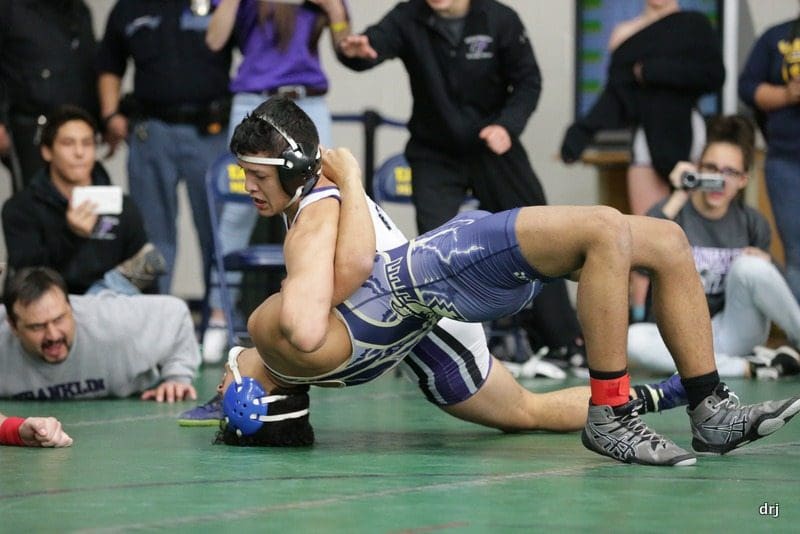
Table of Contents
Wrestling Injuries
Wrestling is an intense and demanding sport. Studies have found that football and wrestling are the two high school sports with the highest risk of serious injury to athletes (Center for Injury Research and Policy, 2009). The injury rate for college wrestlers is 9 injuries per 1,000 athlete exposures. (Kroshus, E. et al., 2018) While most wrestling injuries include strains and sprains, there can also be serious traumatic and unusual injuries. Using proper safety gear and learning correct techniques can significantly reduce the risk of injuries. The majority occur during competition.
Common
The most common wrestling injuries are similar to those in other sports and include:
Muscle Soreness
- Muscle soreness that is experienced 12 to 48 hours after an intense workout or competition.
- Resting is often all that is needed to recover.
Bruises and Contusions
- Sparring, take-downs, and hard landings can result in various bruises and contusions.
Sprains and Strains
- Rest, ice, compression, and elevation are recommended to treat sprains and strains immediately.
Ankle Sprains
- Ankle sprains occur when surrounding ligaments stretch and tear around the joint.
Wrist Sprains
- Typically, it occurs when stretching or tearing the ligaments.
- Falling or landing on the hands is a common cause.
Overtraining Syndrome
- Frequently occurs in athletes who train beyond the body’s ability to recover.
Dehydration
- When trying to make weight, dehydration can be a serious health problem that many wrestlers experience.
Other Injuries
Other injuries common in wrestling:
- Wrist tendinitis
- Finger fractures
- Iliotibial band syndrome
- Meniscus tears
- Groin pull
- Hamstring pull or tear
- Pulled calf muscle
- Achilles tendonitis
- Achilles tendon rupture
- Clavicle/Collarbone fracture
- Concussion
Serious
The forcing of a joint beyond its normal range of motion is the most common cause of serious injuries. The most serious wrestling injuries affect the neck, shoulder, elbow, and knee and include:
Neck
- The cervical vertebrae are often forced into vulnerable positions during various techniques and movements, which can result in a neck injury. Common types include:
- Neck Strain
- Whiplash
- Cervical Fracture
Shoulder
- A combination of leverage and twisting causes most upper body and shoulder injuries during competition. Types of shoulder injuries include:
- Rotator cuff injury
- Shoulder separation
- Shoulder dislocation
Elbow Dislocation
- Elbows are under tremendous strain when maneuvering.
- Dislocations of the radial head are often related to the athlete bracing for a fall on an outstretched arm during take-downs.
Knee
- Most knee injuries occur to the ligaments of the knee joint.
- These include anterior and posterior cruciate ligament or ACL/PCL injuries.
Safety
Wrestling requires flexibility, strength, and proper technique to prevent injury, combined with thorough instruction and coaching and following basic safety precautions. Some tips include.
Safety Gear
- Wear appropriate headgear and mouthguards during practices, meets, and tournaments.
Improving Joint Flexibility
- Wrestlers with a high degree of shoulder flexibility have fewer injuries.
- The flexibility of the lower back, hamstrings, elbows, and cervical spine should also be worked on.?
Gain or Lose Weight Safely
- Avoid dramatic weight loss and weight-gaining strategies by maintaining healthy nutrition and hydration during the season.
Avoiding Dangerous Holds and Slam Moves
- Safe wrestling techniques need to be followed as these can generate severe injuries.
Regardless of how common or seemingly not serious an injury or medical condition is, it’s important to rest and recover and tell a coach and health care professional, as some injuries and conditions can become serious if left untreated. Injury Medical Chiropractic and Functional Medicine Clinic focuses on and treats injuries and chronic pain syndromes through personalized care plans that improve ability through flexibility, mobility, and agility programs to relieve pain. Our providers use an integrated approach to create personalized care plans for each patient, including Functional Medicine, Acupuncture, Electro-Acupuncture, and Sports Medicine principles. Our goal is to relieve pain naturally by restoring health and function to the body. If other treatment is needed, Dr. Jimenez has teamed up with top surgeons, clinical specialists, medical researchers, and rehabilitation providers to provide the most effective treatments.
Perseverance and Power
References
Nationwide Children’s Hospital. (2024). Center for Injury Research and Policy. www.nationwidechildrens.org/research/areas-of-research/center-for-injury-research-and-policy
Kroshus, E., Utter, A. C., Pierpoint, L. A., Currie, D. W., Knowles, S. B., Wasserman, E. B., Dompier, T. P., Marshall, S. W., Comstock, R. D., & Kerr, Z. Y. (2018). The First Decade of Web-Based Sports Injury Surveillance: Descriptive Epidemiology of Injuries in US High School Boys’ Wrestling (2005-2006 Through 2013-2014) and National Collegiate Athletic Association Men’s Wrestling (2004-2005 Through 2013-2014). Journal of athletic training, 53(12), 1143–1155. doi.org/10.4085/1062-6050-154-17
What's your reaction?