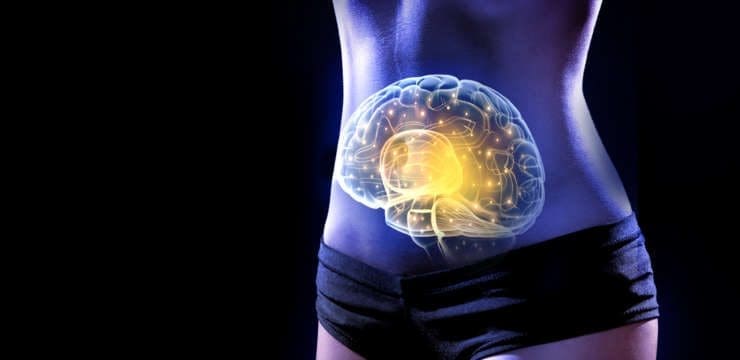
Explore women’s health for metabolic balance for a healthier lifestyle and improved well-being. Learn how to achieve balance today.
Table of Contents
Abstract
In this educational post, I present a comprehensive, first-person walkthrough of how strain-specific probiotics, targeted nutraceuticals, metabolic optimization, chiropractic care, and regenerative PRP therapy can support vaginal and urinary tract health, reduce recurrence of bacterial vaginosis (BV) and vulvovaginal candidiasis (VVC), and complement medical care for urinary tract infections (UTIs). I examine emerging research on how certain Lactobacillus strains influence vaginal epithelial integrity, biofilms, local immunity, and vaginal acidification—core physiological mechanisms that help prevent pathogen adherence and reduce symptom burden.
I also detail how metabolic balance (insulin sensitivity, glycemic control, and gut-derived signaling) profoundly shapes vaginal and urinary resilience. Our multidisciplinary team at Injury Medical Clinic PA (Mission Plaza Injury Medical Clinic) in El Paso, Texas, integrates chiropractic care, functional medicine, internal medicine oversight, personal injury rehabilitation, and regenerative procedures, such as PRP, into a unified approach. I work clinically and collaboratively with Dr. Maria Guadalupe Cardenas, MD (Board Certified in Internal Medicine; NPI #1164426749; Texas MD License #J2933). Dr. Cardenas serves as our Medical Director and Collaborative Physician, bridging medical diagnostics and therapy with integrative chiropractic, functional medicine, and regenerative protocols. We co-develop treatment plans that incorporate strain-specific probiotics, dietary strategies for metabolic and microbiome health, cranberry proanthocyanidins, chiropractic biomechanics, and PRP regenerative support where tissue or pelvic floor integrity is compromised.
You will find deeply elaborated physiological explanations, clinical observations from my practice, and stepwise protocols for vaginal and urinary health optimization. The post closes with operational pearls on patient education, pharmacy management of nutraceuticals, and automated systems that improve adherence.
Integrative Women’s Health: Our Team-Based Model in El Paso, Texas
I practice at Injury Medical Clinic PA (Mission Plaza Injury Medical Clinic) in El Paso, Texas, where our clinic is structured as a multidisciplinary, integrative care environment. Dr. Maria Guadalupe Cardenas, MD—Board Certified in Internal Medicine—serves as Medical Director and Collaborative Physician. Her oversight ensures every clinical pathway is medically sound and adheres to best practices for internal medicine, including appropriate diagnostics, labs, imaging, and pharmacologic or procedural care when indicated.
As a chiropractor and functional medicine provider holding the credentials DC, APRN, FNP-BC, CFMP, IFMCP, ATN, CCST, I integrate chiropractic care with functional medicine principles and regenerative therapies. Our clinic’s approach includes:
- Medical direction and risk oversight: Dr. Cardenas aligns care with internal medicine standards, orders and interprets labs, and monitors medication-nutraceutical interactions.
- Integrative chiropractic and pelvic biomechanics: I address sacroiliac, lumbar, and pelvic tilt dysfunctions that affect pelvic floor tension, autonomic tone, bladder control, and local circulation.
- Functional medicine nutrition and microbiome-metabolic care: We implement strain-specific probiotics, dietary modulation for glycemic control and SCFA production, and gut-vagina axis-balancing strategies.
- Regenerative PRP therapy: When indicated, autologous PRP delivers concentrated growth factors to support vaginal mucosal repair, urethral support, and pelvic floor tissue regeneration, particularly in cases with concurrent atrophy, weakness, or post-injury compromise.
- Personal injury and rehabilitation: Soft tissue therapies, graded exercise, pelvic floor rehab, and pain neuroscience education are included when injury and pain cycles complicate women’s pelvic health.
- Coordination and compliance systems: We leverage structured patient education, symptom checklists, and automated nutraceutical refills to sustain therapeutic momentum.
This integrative model supports women experiencing BV, VVC, UTIs, pelvic discomfort, stress urinary incontinence, and recurrent genitourinary issues by linking local mucosal health with systemic metabolic balance, biomechanical function, and tissue regeneration—an approach consistent with emerging evidence-based frameworks.
Vaginal Microbiome Physiology: Why Acidification, Strain-Specific Probiotics, and Metabolic Balance Matter
The vaginal microbiome in healthy premenopausal women is typically dominated by Lactobacillus species, which maintain a lower pH (~3.8–4.5) through lactic acid production. This acidified environment inhibits pathogen proliferation and adherence (BV-associated anaerobes and Candida strains), supports tight junction integrity in the epithelial barrier, and modulates local immune responses.
Metabolic balance plays a decisive role. Insulin resistance and hyperglycemia increase vaginal glucose and glycogen availability, creating a more favorable niche for Candida overgrowth and potentially shifting microbial competition away from protective lactobacilli. Chronic low-grade inflammation from metabolic dysfunction can further impair epithelial barrier function and immune surveillance, raising susceptibility to recurrent infections and biofilm persistence.
Certain Lactobacillus strains produce hydrogen peroxide (H?O?), organic acids, and bacteriocins while displaying strong epithelial adhesion and co-aggregation traits that crowd out pathogens and disrupt biofilms. Clinical relevance is clear:
- BV often presents with dysbiosis, in which Gardnerella and anaerobes raise the pH. Restoring Lactobacillus dominance decreases pH, limits amines, and suppresses pathogen resilience.
- VVC exploits niche opportunities when lactobacilli are depleted, e.g., by (antibiotics, high-sugar diets, estrogen fluctuations, or metabolic stress). Acidification and competitive adhesion hinder hyphal transition and mucosal invasion.
- Metabolic optimization (glycemic control, SCFA support) complements these mechanisms by reducing excess substrate available to pathogens and lowering the systemic inflammatory tone that can perpetuate cycles of dysbiosis.
Evidence demonstrates strain- and mechanism-specific differences among Lactobacillus taxa; genus-species-strain selection remains critical (Miller et al., 2021; Eschenbach et al., 2007; Falagas et al., 2007).
Strain-Specific Probiotics: Mechanisms for Vaginal and Urogenital Resilience, Biofilm Disruption, and Metabolic Support
Several strains highlighted in current literature exhibit targeted mechanisms:
- Lactobacillus reuteri strains produce H?O? and reuterin (a broad-spectrum antimicrobial) and demonstrate strong epithelial adhesion. By lowering pH and producing antimicrobial metabolites, these strains help reduce BV and candidiasis symptoms while supporting gut-derived metabolic signaling (García-González et al., 2018; Nardone et al., 2020).
- Lactobacillus rhamnosus strains excel at co-aggregation with Candida, crowding out colonization sites, stabilizing the epithelial barrier, and reinforcing mucin layers. They also stimulate innate immunity (Tachedjian et al., 2017).
- Lactobacillus paracasei and Lactobacillus plantarum strains demonstrate antibiofilm potential and robust acidifying capacity, thereby reducing pathogen adherence and recurrence risk after antifungal or antibiotic therapy (Benevides et al., 2017; Chew et al., 2015).
Metabolic synergy arises when probiotic blends include or support strains that enhance GLP-1 signaling and SCFA production (e.g., Akkermansia muciniphila alongside core lactobacilli). These improve insulin sensitivity and reduce gut-derived endotoxemia, indirectly stabilizing vaginal glycogen dynamics and lowering inflammatory drivers of recurrence (Cani et al., 2007; Everard et al., 2013).
Key takeaways:
- Strain matters: Clinical impact depends on adhesion, metabolite profiles, immune signaling, and metabocrosstalk.
- Biofilm disruption and barrier support are central to reducing recurrence.
- Medical oversight by Dr. Cardenas ensures that probiotic strategies align with diagnostic findings and address red flags such as persistent bleeding, pain, or abnormal findings.
Citations: Tachedjian et al., 2017; Benevides et al., 2017; García-González et al., 2018; Chew et al., 2015; Cani et al., 2007; Everard et al., 2013.
Clinical Protocols: Reducing Recurrence After Antifungal or Antibiotic Therapy with Metabolic and Regenerative Support
In recurrent candidiasis, data suggest that certain L. plantarum and L. rhamnosus strains—used as adjuvant therapy after antifungals—reduce symptoms such as itching, discharge, and irritation while lowering recurrence rates over months (Falagas et al., 2007; Xie et al., 2017). We extend this with metabolic and regenerative layers:
- Acute infection: Treat per medical standards (e.g., azoles for VVC; antibiotics for BV). Under Dr. Cardenas’s oversight, we ensure an accurate diagnosis and appropriate medication selection.
- Transition phase: Introduce strain-specific probiotics to restore acidification, adhesion, and barrier function once acute therapy reduces pathogen load. Simultaneously begin metabolic modulation (reduce refined sugars, increase fiber and polyphenol-rich foods) to lower vaginal glucose availability and systemic inflammation.
- Prophylaxis and tissue support: Continue daily probiotics for months. For patients with concurrent pelvic floor weakness, stress urinary incontinence, or tissue atrophy contributing to symptoms or recurrence, evaluate for chiropractic optimization and, when appropriate, PRP regenerative injections to promote collagen synthesis, angiogenesis, and improved urethral/pelvic support (Long et al., 2021; Kurniawati et al., 2024).
Why this works physiologically: Antifungals/antibiotics can disrupt commensals. Rebuilding Lactobacillus dominance and metabolic correction reduce ecological space for pathogens and re-establish mucosal immunity. PRP adds localized growth-factor support for tissue repair when biomechanical or atrophic factors hinder full recovery. Our clinical experience shows excellent tolerability and meaningful reductions in recurrence by the six-month mark among compliant patients.
Citations: Falagas et al., 2007; Xie et al., 2017; Martin et al., 2019; Long et al., 2021; Kurniawati et al., 2024.
UTIs, E. coli, Metabolic Health, and Pelvic Support: Linking the Gut, Metabolism, and Urogenital Microbiomes
E. coli-driven UTIs often originate from the gut reservoir. Metabolic imbalance (insulin resistance, hyperglycemia) increases UTI risk by promoting bacterial adhesion and impairing immune clearance. Our integrated strategy addresses multiple nodes:
- Probiotics with a urogenital focus that survive antibiotic exposure better and support vaginal Lactobacillus reconstitution reduce UTI risk through colonization resistance and pH modulation (Stapleton et al., 2011; Wang et al., 2020).
- Cranberry proanthocyanidins (PACs) inhibit E. coli fimbrial adherence to uroepithelium.
- Metabolic optimization (glycemic control, SCFA support) reduces excess urinary glucose and systemic inflammation, which can facilitate infection.
- Chiropractic care improves pelvic biomechanics and autonomic regulation, potentially enhancing bladder emptying and pelvic floor coordination.
- When pelvic floor laxity or urethral support is compromised, PRP injections have shown promise in strengthening tissues and reducing symptoms of stress urinary incontinence, thereby indirectly supporting urinary tract defense (Long et al., 2021; Kurniawati et al., 2024).
We monitor for hematuria, fever, flank pain, or other systemic signs that require immediate medical evaluation. Dr. Cardenas supervises antibiotic choices when indicated.
Citations: Howell et al., 2010; Jepson et al., 2012; Stapleton et al., 2011; Wang et al., 2020; Long et al., 2021; Kurniawati et al., 2024.
Oral Health, GERD, Metabolic Inflammation, and the Downstream Microbiome: A Systems View
Genitourinary health is part of a connected system. Oral dysbiosis and GERD often reflect upstream dietary patterns, dysbiosis, and metabolic stress. Addressing the gut—fiber, probiotics, polyphenols, meal timing—reduces reflux triggers and systemic inflammatory mediators that can influence vaginal and urinary mucosa. Plant-forward, low-ultra-processed diets reduce pro-inflammatory metabolites, favor beneficial microbes (including those that support GLP-1 and SCFA pathways), and help maintain the mucosal environments necessary for vaginal and urinary resilience (Koh et al., 2016; Malfertheiner et al., 2018).
Metabolic Balance, Lifestyle Levers, and Epigenetic Considerations in Women’s Pelvic Health
Genetics lays the foundation, but the phenotype adapts to diet, sleep, stress, movement, and microbial ecosystems. Inwomen’ss health:
- Plant-forward diets and the minimization of ultra-processed foods decrease pro-inflammatory metabolites, support insulin sensitivity, favor Lactobacillus and SCFA-producing microbes, and maintain mucosal conditions that discourage pathogen overgrowth.
- Sleep and stress management support hormonal rhythm and immune surveillance.
- Micronutrient sufficiency (magnesium, omega-3s, vitamins A/D/K) under guidance supports epithelial health and immune competence.
- Movement and chiropractic care improve insulin sensitivity, reduce chronic pain that hinders adherence to lifestyle recommendations, and optimize pelvic circulation and nerve function.
- When tissue repair or pelvic floor support is needed, PRP provides multifactorial regenerative signals that complement systemic metabolic work.
Multifactorial strategies that combine metabolic optimization, microbiome restoration, biomechanical correction, and regenerative support outperform single interventions for biofilm-mediated, behaviorally reinforced conditions (Costerton et al., 1999; Turnbaugh et al., 2006; Irwin, 2015).
Revolutionizing Healthcare- Video
Integrative Chiropractic Care, PRP Regenerative Therapy, and Metabolic Optimization in Vaginal and Pelvic Health
My chiropractic and functional medicine approach, combined with regenerative options, complements internal medicine oversight:
- Pelvic and lumbar biomechanics: Dysfunctions in sacroiliac joints, lumbar segments, and pelvic tilt affect pelvic floor tension, autonomic tone, blood flow, and bladder/urethral support. Adjustments and soft tissue techniques help normalize mechanics and neurophysiologic balance.
- Autonomic regulation: Chiropractic care can influence parasympathetic predominance, supporting mucosal secretions, barrier integrity, and coordinated bladder function.
- PRP regenerative support: Autologous PRP delivers growth factors (PDGF, VEGF, TGF-?) that promote angiogenesis, collagen synthesis, and tissue repair in vaginal mucosa and pelvic floor structures. Emerging evidence supports its use for stress urinary incontinence, vulvovaginal atrophy, sexual dysfunction, and pelvic floor disorders, with favorable safety profiles and improvements in symptoms and tissue quality (Long et al., 2021; Kurniawati et al., 2024). We use it judiciously when biomechanical assessment or clinical findings indicate compromised tissue integrity or support, always under Dr. Cardenas’s collaborative oversight.
- Metabolic integration: Improved biomechanics and reduced pain from chiropractic care enhance patients’ ability to engage in movement and dietary changes. PRP’s local anti-inflammatory and regenerative effects can synergize with systemic metabolic improvements to create a more resilient pelvic environment.
These biomechanical, regenerative, and metabolic pieces are often the difference-makers for patients stuck in recurrence or symptom loops.
Selecting and Cycling Probiotics: Targeted Use-Cases Including Metabolic Support
- Foundational support: Lactobacillus-dominant blends emphasizing reuteri/rhamnosus/paracasei/plantarum for acidification and adhesion.
- Post-therapy recurrence prevention: Combinations validated for biofilm disruption and barrier restoration, continued for several months.
- Metabolic and gut-first strategy: Blends or adjuncts supporting Akkermansia muciniphila and GLP-1/SCFA pathways for women with insulin resistance or weight-management goals (Cani et al., 2007; Everard et al., 2013).
- Cyclic rotation: Rotate approximately every six months to promote diversity and resilience.
Cranberry PACs Integration
Daily PACs (clinically supported doses) help prevent E. coli adherence. Combine with Lactobacillus strategies and metabolic optimization for best effect. Medical evaluation remains essential for persistent symptoms.
Implementation: Education, Compliance, Metabolic Tracking, and Regenerative Coordination
- Symptom checklists screening genitourinary, gut, metabolic, and biomechanical symptoms.
- Hybrid nutraceutical model with in-clinic stock and auto-ship refills.
- Quality pharmaceutical-grade products with third-party testing.
- Metabolic labs (A1c, fasting insulin, CRP) at baseline and follow-up for targeted dietary and probiotic interventions.
- For patients with pelvic floor or tissue concerns, coordinated evaluation for chiropractic care and PRP when clinically appropriate.
- Patient education assets (tri-folds, QR codes, digital resources) explaining the interconnected roles of microbiome, metabolism, biomechanics, and regeneration.
Practical Stepwise Integrative Protocol
- Initial evaluation: Medical assessment by Dr. Cardenas (history, exam, labs including metabolic markers, urinalysis, swabs as indicated). Functional assessment with me (diet recall, pelvic mechanics, stress/sleep screening, symptom checklist).
- Acute management: Treat BV/VVC/UTI per standards. Begin dietary modulation to improve glycemic control and increase polyphenol/fiber intake.
- Microbiome and metabolic restoration: Start strain-specific Lactobacillus blend. Add cranberry PACs for UTI-prone patients. Initiate chiropractic care for pelvic biomechanics. Consider metabolic-supportive probiotic elements.
- Regenerative and tissue support (when indicated): For persistent pelvic floor dysfunction, stress urinary incontinence, or tissue compromise, evaluate for PRP under collaborative oversight.
- Recurrence prevention: Continue probiotics 3–6+ months with auto-ship. Reassess mechanics, sleep, stress, and metabolic markers. Add targeted nutrients as indicated.
- Rotation and review: Rotate probiotics at six months. Reassess and adjust plan based on response.
Clmultifactorialions From My Practice
Across thousands of patient interactions, multi-factorial protocols that address microbiome, metabolic balance, biomechanics, and tissue integrity when needed produce the strongest outcomes:
- Patients with long-standing recurrent VVC improve when antifungal therapy is followed by months-long probiotic restoration, refined diet for glycemic and inflammatory control, stress support, and chiropractic optimization of pelvic mechanics.
- UTI-prone women achieve fewer episodes with PACs, Lactobacillus support, metabolic improvements, and gains in pelvic floor function via chiropractic care; those with concurrent incontinence or tissue laxity often benefit further from PRP regenerative support.
- Women with insulin resistance or central adiposity show enhanced vaginal ecosystem stability when metabolic levers (diet, targeted probiotics) are combined with biomechanical and, where appropriate, regenerative interventions.
These observations are shared across our clinical platforms.
Conclusion: Modern, Evidence-Based, Integrative Care for Vaginal and Urinary Health
Our clinic’s multidisciplinary structure—internal medicine oversight by Dr. Maria Guadalupe Cardenas, MD; integrative chiropractic and functional medicine by me; and regenerative PRP capabilities—allows us to deliver targeted, mechanism-driven, and compliance-supported therapies. By connecting mucosal microbiology, metabolic balance (glycemic control, SCFA/GLP-1 signaling, inflammation reduction), biomechanics, and regenerative tissue support, we build resilient ecosystems that reduce recurrence, improve continence and comfort, and enhance quality of life.
The journey from acute symptom relief to durable health is best accomplished through strain-specific probiotics, cranberry PACs, metabolic optimization, pelvic-focused chiropractic care, and judicious PRP regenerative therapy when tissue or support deficits are present—all coordinated under collaborative medical direction. This evidence-informed pathway respects the complexity of the gut-vagina-urogenital-metabolic axis and embodies the modern integrative model our patients deserve.
References
- Anahtar, M. N., et al. (2015). The vaginal microbiome and HIV acquisition. The Lancet.
- Benevides, L., et al. (2017). Antimicrobial activity of Lactobacillus plantarum… Applied and Environmental Microbiology.
- Cani, P. D., et al. (2007). Changes in gut microbiota control metabolic endotoxemia… Infection and Immunity.
- Cardona, F., et al. (2013). Benefits of polyphenols on gut microbiota. Nutrients.
- Chew, S. Y., et al. (2015). Antifungal potentiation and biofilm reduction by Lactobacillus spp. PLOS ONE.
- Costerton, J. W., et al. (1999). Bacterial biofilms… Microbiology and Molecular Biology Reviews.
- Eschenbach, D. A., et al. (2007). Vaginal flora and pH. American Journal of Obstetrics & Gynecology.
- Everard, A., et al. (201Crosstalktalk between Akkermansia muciniphila… Nature Medicine.
- Falagas, M. E., et al. (2007). Probiotics as adjuvant treatment for vulvovaginal candidiasis. International Journal of Gynecological Cancer.
- García-González, N., et al. (2018). Lactobacillus reuteri antimicrobial properties. Journal of Applied Microbiology.
- Howell, A. B., et al. (2010). Cranberry proanthocyanidins and bacterial adhesion. The American Journal of Nursing.
- Irwin, M. R. (2015). Sleep and immunity… The Lancet.
- Jepson, R. G., et al. (2012). Cranberries for preventing urinary tract infections. Cochrane Database of Systematic Reviews.
- Koh, A., et al. (2016). SCFAs and immunity. Nature Reviews Immunology.
- Kurniawati, E. M., et al. (2024). Role of platelet-rich plasma in pelvic floor disorders: A systematic review. International Journal of Reproductive BioMedicine.
- Long, C. Y., et al. (2021). A pilot study: effectiveness of local injection of autologous platelet-rich plasma in treating women with stress urinary incontinence. Scientific Reports.
- Malfertheiner, P., et al. (2018). Clinical approaches to GERD. Deutsche Medizinische Wochenschrift.
- Martin, R., et al. (2019). Probiotic colonization, adherence, and immune modulation. Frontiers in Microbiology.
- Stapleton, A. E., et al. (2011). Vaginal lactobacilli for recurrent UTI prevention. Clinical Infectious Diseases.
- Tachedjian, G., et al. (2017). Lactobacillus metabolites inhibit BV-associated pathogens. Microbiology.
- Turnbaugh, P. J., et al. (2006). An obesity-associated gut microbiome… Nature.
- Wang, X., et al. (2020). Gut-origins of uropathogenic E. coli. Nature Microbiology.
- Xie, H., et al. (2017). Post-antifungal probiotic restoration in VVC. FEMS Pathogens and Disease.
SEO tags: integrative women’s health, vaginal microbiome, bacterial vaginosis, vulvovaginal candidiasis, UTI prevention, stress urinary incontinence, Lactobacillus probiotics, cranberry PACs, pelvic floor chiropractic, PRP therapy, platelet-rich plasma, metabolic balance, insulin resistance, vaginal health, GLP-1 gut health, Akkermansia muciniphila, recurrence reduction, compliance systems, nutraceutical quality, regenerative pelvic health, El Paso Injury Medical Clinic, Dr. Alex Jimenez, Dr. Maria Guadalupe Cardenas, biofilm disruption, vaginal acidification
What's your reaction?