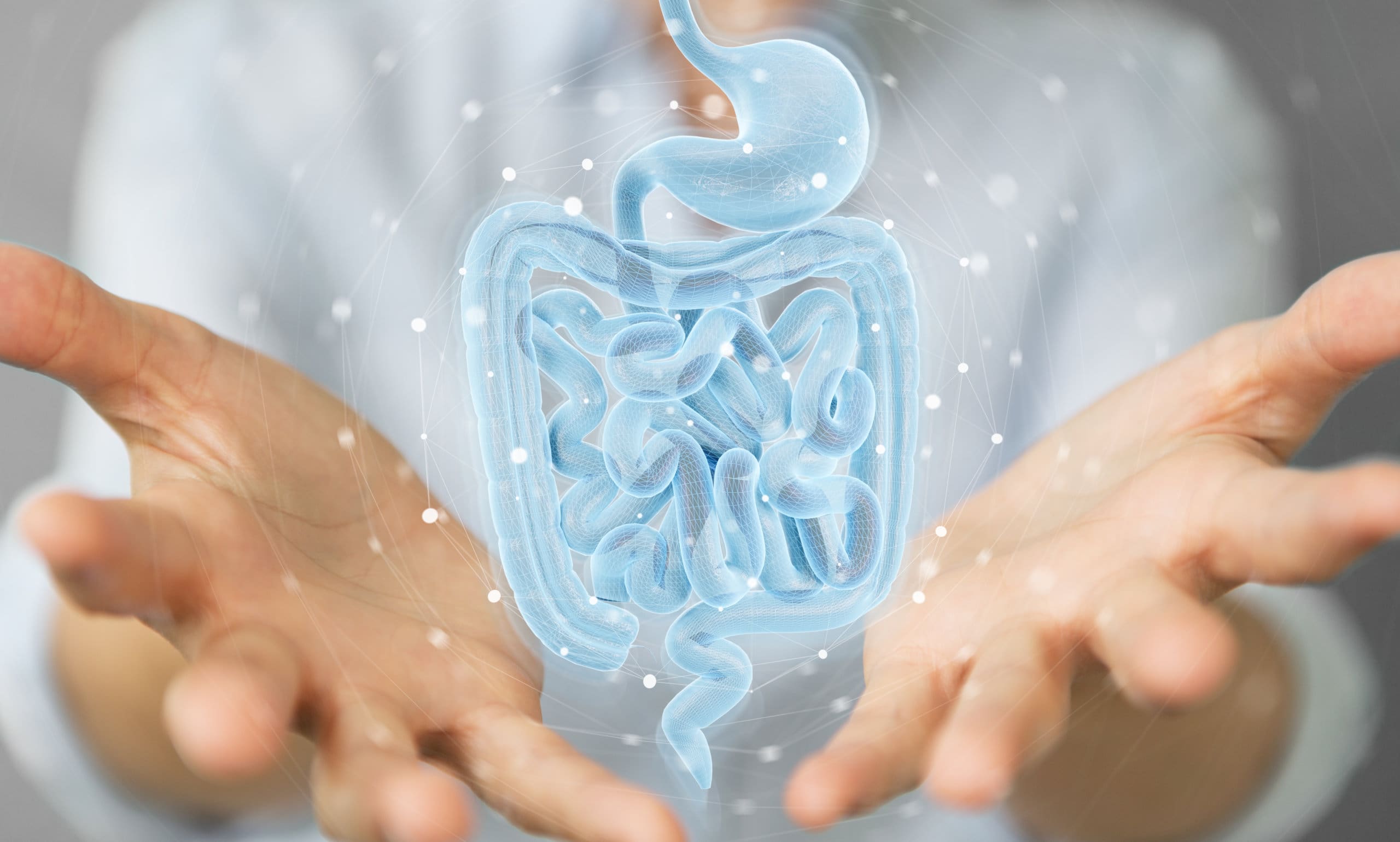
Hippocrates first mentioned the connection between the gut and other conditions.
“All disease starts in the gut.”
Indeed, the connection between our gut’s microbiome and the conditions expressed by our body dance with the same tune. Nevertheless, the question remains what is the association between our gut function and metabolic disease, such as Diabetes? The explanation of how dysbiosis leads to Diabetes is multifactorial.
Gastrointestinal Function
Broadly, the functionality of our gastric system, from mouth to anus, is to protect our body as a non-leaky surface while allowing nutrients to absorb.Â
Furthermore, nutrient absorption capacity depends mainly on gastric enzymes and converting food into a more digestible compound.Â
However, the connection between our gastric system and the immune system is one of the most essential features. Indeed, this interaction with our food information and the immune system forms a crucial role in our communication system.Â
In addition, our gut is often called the second brain. Primarily, the GI tract has its nervous system, allowing direct communication with the brain.Â
Table of Contents
The Gut’s Matrix:
The quality of information can affect the communication system between our brain and gut. Furthermore, many GI factors, such as dysbiosis, can affect organs or systems, increasing the number of proinflammatory cytokines.
GI tract dysfunction:
- Food sensitivities.
- Leaky gut.
- Overproduction of yeast and translocation of it.
- Fungus.Â
- Dysbiosis.
Interaction between different organs:
- Brain: Decreased satiety sensation due to the interaction of orexigenic hormones and increased inflammatory reactions leading to neurodegenerative disease.
- Liver:Â Toxin leakage from the GI tract is transported via the portal vein to the liver. Furthermore, this reaction, combined with decreased detoxification capabilities, can lead to liver dysfunction, toxic overload, and inflammation.
- Body composition:Â Our tissues’ amount, distribution, and quality impact our satiety levels and produce excessive amounts of proinflammatory cytokines.Â
- Musculoskeletal system:Â The association between immune reactions triggered by food sensitivities and leaky gut can lead to soft-tissue injury, arthritis, and joint pain.
- Insulin:Â Insulin resistance is strongly associated with the presence of LPS and poor diet-induced dysbiosis. Furthermore, several studies show that the intestinal walls of type-1 diabetic patients are more permeable than their healthy counterparts.
Stop dysbiosis, prevent Diabetes:
Treating the gut is an essential part of preventing and treating inflammatory conditions. Indeed, The 5-R Framework is crucial to treat dysbiosis and decrease inflammation.
 Treating a world pandemic during another pandemic is not easy. Living with Diabetes, obesity, IBD can not be easier than treating it. This is why the most important thing is to start. Indeed, starting can look different. We can start with a low FODMAP diet if the patient can comply. Try a course of herbal therapy to decrease nocive bacteria. Use a comprehensive stool test to assess the patient for food sensitivities and leaky gut. Treating the gut is the easiest and most complete way to prevent and reverse diseases. – Ana Paola Rodriguez Arciniega, MS
Bibliography:
Fasano, Alessio. “Zonulin, regulation of tight junctions, and autoimmune diseases.” Annals of the New York Academy of Sciences vol. 1258,1 (2012): 25-33. doi:10.1111/j.1749-6632.2012.06538.x
Schwarz, B et al. [Intestinal ischemic reperfusion syndrome: pathophysiology, clinical significance, therapy]. Wiener klinische Wochenschrift vol. 111,14 (1999): 539-48.
What's your reaction?