Table of Contents
How Platelet-Rich Plasma (PRP) Therapy Aids in Body Detoxification and Tissue Repair
Platelet-Rich Plasma (PRP) therapy is a natural way to help the body heal itself. It uses parts of your blood to fix damaged areas and remove waste. This treatment has gained attention for its role in accelerating recovery from injuries and chronic conditions. By focusing on platelet-derived growth factors, PRP supports the body’s cleanup process. This article explains how PRP works to detoxify and repair tissues, drawing from medical studies and expert views.
What Is Platelet-Rich Plasma (PRP)?
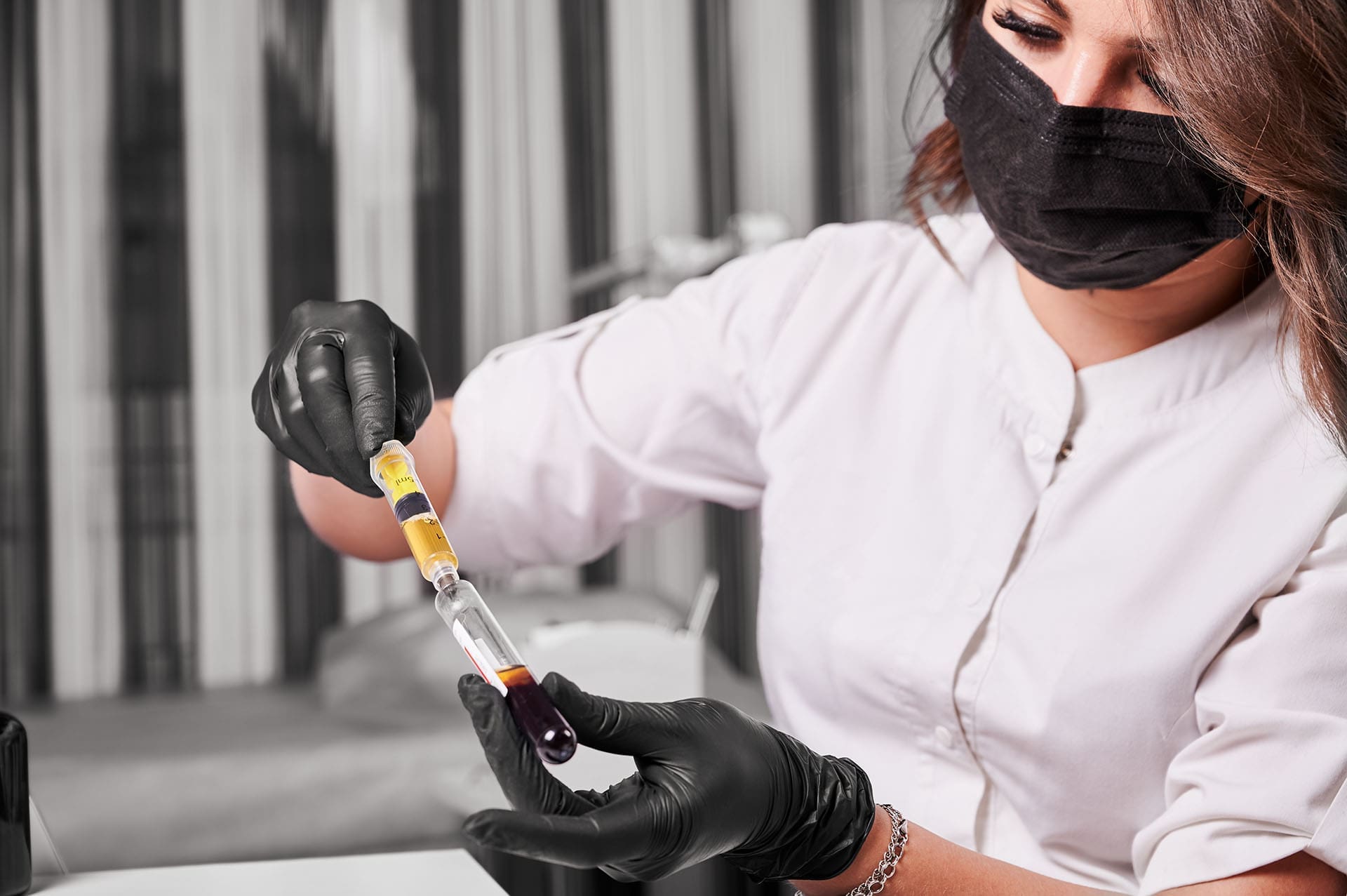
PRP comes from your blood. Doctors draw a small amount of blood, spin it in a centrifuge, and separate the platelets. These platelets are tiny cells that help with clotting and healing. In PRP, they are concentrated up to 10 times more than in normal blood (Cedars-Sinai, n.d.). This mix is then injected back into the hurt area.
The key to PRP is its growth factors. These are proteins that tell cells what to do. For example, they can initiate new blood vessel growth or attract cells that repair damage. PRP is safe because it uses your blood, so there’s no risk of rejection (Hospital for Special Surgery, n.d.).
- Common uses: PRP treats joint pain, tendon injuries, and even skin issues.
- Why it’s popular: It promotes natural repair without drugs or surgery.
How PRP Helps with Cleanup and Detoxification
The body has natural ways to clean up waste and damaged tissue. But occasionally, this process slows down due to age, injury, or illness. PRP speeds it up by releasing concentrated growth factors. These factors start an inflammatory response that attracts helper cells (Alves & Grimalt, 2018).
When PRP is injected, platelets release growth factors like PDGF, TGF-?, and VEGF. These signal the body to remove dead cells and metabolic waste. Macrophages, which are like cleanup crews, eat the debris. This clears the way for new healthy tissue (Desert Spine and Sports, n.d.).
PRP is a targeted biological tool derived from your body. It removes dead tissue and restores balance. Without it, waste can build up, causing problems such as chronic pain (Cleveland Clinic, n.d.).
- Step 1: Platelets activate and release growth factors.
- Step 2: Inflammation begins, but it’s controlled to prevent excessive swelling.
- Step 3: Waste is removed, and repair begins.
The Role of Angiogenesis in PRP Therapy
Angiogenesis means growing new blood vessels. PRP starts this by releasing VEGF, a key growth factor. New vessels bring oxygen and nutrients to damaged areas. They also help remove toxins and waste (Caring Medical, n.d.).
Without adequate blood flow, tissues can’t heal well. PRP fixes this by building “highways” for healing factors. Studies show that VEGF in PRP boosts vessel growth at injury sites (Caring Medical, n.d.). This is vital for detoxification because improved circulation helps clear harmful buildup.
In chronic wounds, PRP helps by promoting angiogenesis and reducing inflammation. It turns a stalled healing process into an active one (Etulain, 2018).
- Benefits of angiogenesis:
- Improves nutrient delivery.
- Speeds waste removal.
- Supports long-term tissue health.
Macrophages and Waste Removal
Macrophages are immune cells that eat dead cells and debris. PRP attracts them by starting a mild inflammation. Growth factors such as interleukin-8 attract macrophages to the site (Alves & Grimalt, 2018).
Once there, macrophages clean up. They break down damaged tissue and metabolic waste. This prevents buildup that can lead to scars or ongoing pain. PRP regulates this process to prevent excessive inflammation (Cole et al., 2010).
Research shows PRP modulates inflammation through factors like IGF-1. This helps shift from cleanup to growth (Foster et al., 2009). It’s like giving the body a boost to detox naturally.
- How macrophages work with PRP:
- Attracted by growth factors.
- Eat waste and dead cells.
- Prepare the area for new tissue.
Fibroblasts and Matrix Remodeling
Fibroblasts are cells that build new tissue. PRP helps them work by releasing factors such as FGF and IGF-1. These stimulate fibroblasts to remodel the extracellular matrix, the scaffold surrounding cells (Desert Spine and Sports, n.d.).
The matrix holds tissues together. When damaged, it needs repair. PRP stimulates collagen production, strengthening tissues. This remodeling removes old, weak parts and builds new, healthy ones (Cedars-Sinai, n.d.).
In this way, PRP supports detoxification by replacing waste-filled areas with fresh tissue. It also helps maintain balanced inflammation for cell growth (Everts et al., 2020).
- Fibroblast actions:
- Produce collagen for strength.
- Remodel the matrix to remove damage.
- Promote overall tissue renewal.
Controlling Inflammation for Better Healing
Inflammation is the body’s first response to injury. But too much can slow healing. PRP controls it by releasing anti-inflammatory factors. This allows cells to resume growth without excessive swelling (Alves & Grimalt, 2018).
Growth factors in PRP reduce pro-inflammatory signals. For example, they modulate interleukin-1 to prevent scar tissue (Foster et al., 2009). This balanced approach helps detox by clearing inflammation byproducts.
Compared to steroids, which just reduce swelling quickly but don’t repair, PRP resolves the root issue (Washington University Orthopedics, n.d.).
Integrative Centers and Expert Support
An integrative center can make PRP even better. Experts such as APRNs, FNs, and CFMPs use image-guided injections for precision. They combine PRP with metabolic support, like nutrition and detox plans (Integrative Medicine Care, n.d.).
This team approach ensures that cleanup and repair are fully backed. It improves tissue renewal and speeds recovery. For instance, functional medicine addresses whole-body balance to aid PRP (Action Medical Center, n.d.).
- Advantages of integrative care:
- Targeted injections under ultrasound.
- Support for metabolism and detox.
- Multidisciplinary teams for best results.
Clinical Observations from Dr. Alexander Jimenez
Dr. Alexander Jimenez, DC, APRN, FNP-BC, has over 30 years of experience in integrative care. At his clinic in El Paso, Texas, he uses PRP for conditions like knee osteoarthritis. He observes that PRP promotes natural healing by releasing growth factors for tissue repair (Jimenez, n.d.a).
In his practice, PRP reduces pain and inflammation without surgery. It supports detoxification through better circulation and waste removal. Dr. Jimenez integrates PRP with chiropractic and functional medicine for root-cause treatment (Jimenez, n.d.b). His patients report faster recovery and less reliance on pain meds.
He notes PRP’s role in regenerative medicine, particularly for joint and soft-tissue issues. This aligns with his focus on holistic health, including detoxification protocols.
Limitations of PRP Therapy
PRP isn’t for everyone. It may not work well for severe cases like advanced cancer or complete tissue loss (Perfect Drs, n.d.). Results take time and often require multiple sessions. Side effects are mild, like swelling, but rare risks include infection.
There’s no standard way to make PRP, so outcomes vary. It’s best for mild to moderate issues (Ultrasound Guided Injections, n.d.).
- Key limitations:
- Not instant relief.
- Varies by clinic methods.
- Certain health conditions may not be suitable for PRP therapy.
Conclusion
PRP therapy is a powerful, natural method for body cleanup and repair. By using growth factors to start angiogenesis, attract macrophages, and activate fibroblasts, it removes waste and builds new tissue. Integrative approaches enhance their effects, as seen in Dr. Jimenez’s work. While not perfect, PRP offers a safe way to detox and heal. Always talk to a doctor to see if it’s right for you.
References
Action Medical Center. (n.d.). How PRP therapy works: Mechanisms explained.
Caring Medical. (n.d.). What is prolotherapy with platelet-rich plasma?
Cedars-Sinai. (n.d.). Platelet rich plasma therapy.
Cleveland Clinic. (n.d.). Platelet-rich plasma (PRP) injection.
Desert Spine and Sports. (n.d.). The science of PRP: How platelet rich plasma therapy works.
Etulain, J. (2018). Platelets in wound healing and regenerative medicine.
Hospital for Special Surgery. (n.d.). Platelet-rich plasma (PRP) injection: How it works.
Jimenez, A. (n.d.a). Injury specialists.
Jimenez, A. (n.d.b). Dr. Alexander Jimenez, DC, APRN, FNP-BC, IFMCP, CFMP, ATN.
Perfect Drs. (n.d.). What are the PRP treatment limitations?
Ultrasound Guided Injections. (n.d.). What is platelet rich plasma?
Washington University Orthopedics. (n.d.). Platelet-rich plasma (PRP) helps the body repair itself.
Willow Medical Aesthetics. (n.d.). What is PRP?
Disclaimers
Professional Scope of Practice *
The information herein on "PRP Therapy Aids in Body Detoxification and Healing" is not intended to replace a one-on-one relationship with a qualified health care professional or licensed physician and is not medical advice. We encourage you to make healthcare decisions based on your research and partnership with a qualified healthcare professional.
Blog Information & Scope Discussions
Welcome to El Paso's wellness blog, where Dr. Alex Jimenez, DC, FNP-C, a board-certified Family Practice Nurse Practitioner (FNP-C) and Chiropractor (DC), presents insights on how our team is dedicated to holistic healing and personalized care. Our practice aligns with evidence-based treatment protocols inspired by integrative medicine principles, similar to those found on dralexjimenez.com, focusing on restoring health naturally for patients of all ages.
Our areas of chiropractic practice include Wellness & Nutrition, Chronic Pain, Personal Injury, Auto Accident Care, Work Injuries, Back Injury, Low Back Pain, Neck Pain, Migraine Headaches, Sports Injuries, Severe Sciatica, Scoliosis, Complex Herniated Discs, Fibromyalgia, Chronic Pain, Complex Injuries, Stress Management, Functional Medicine Treatments, and in-scope care protocols.
Our information scope is limited to chiropractic, musculoskeletal, physical medicine, wellness, contributing etiological viscerosomatic disturbances within clinical presentations, associated somato-visceral reflex clinical dynamics, subluxation complexes, sensitive health issues, and functional medicine articles, topics, and discussions.
We provide and present clinical collaboration with specialists from various disciplines. Each specialist is governed by their professional scope of practice and their jurisdiction of licensure. We use functional health & wellness protocols to treat and support care for the injuries or disorders of the musculoskeletal system.
Our videos, posts, topics, subjects, and insights cover clinical matters, issues, and topics that relate to and directly or indirectly support our clinical scope of practice.*
Our office has reasonably attempted to provide supportive citations and has identified the relevant research studies or studies supporting our posts. We provide copies of supporting research studies available to regulatory boards and the public upon request.
We understand that we cover matters that require an additional explanation of how they may assist in a particular care plan or treatment protocol; therefore, to discuss the subject matter above further, please feel free to ask Dr. Alex Jimenez, DC, APRN, FNP-BC, or contact us at 915-850-0900.
We are here to help you and your family.
Blessings
Dr. Alex Jimenez DC, MSACP, APRN, FNP-BC*, CCST, IFMCP, CFMP, ATN
email: coach@elpasofunctionalmedicine.com
Licensed as a Doctor of Chiropractic (DC) in Texas & New Mexico*
Texas DC License # TX5807
New Mexico DC License # NM-DC2182
Licensed as a Registered Nurse (RN*) in Texas & Multistate
Texas RN License # 1191402
ANCC FNP-BC: Board Certified Nurse Practitioner*
Compact Status: Multi-State License: Authorized to Practice in 40 States*
Graduate with Honors: ICHS: MSN-FNP (Family Nurse Practitioner Program)
Degree Granted. Master's in Family Practice MSN Diploma (Cum Laude)
Dr. Alex Jimenez, DC, APRN, FNP-BC*, CFMP, IFMCP, ATN, CCST
My Digital Business Card
What's your reaction?