Table of Contents
Neuropathy in El Paso, TX: Symptoms, Causes, and Non-Invasive Treatment Options (Especially for Diabetes)

If you live in El Paso, you have probably heard the word neuropathy—or you may even feel its effects. Many people ask the same questions: What does neuropathy feel like? Why is diabetes such a big cause? What can I do besides taking medicine? These are important questions because neuropathy can change how you walk, sleep, work, and enjoy daily life.
Neuropathy is common in communities where diabetes is common. In the U.S., 38.4 million people have diabetes, and many do not know it yet. Diabetes is also one of the most common causes of neuropathy. The American Diabetes Association notes that about half of people with diabetes develop some form of nerve damage.
The good news: many people can reduce symptoms and protect their nerves by using a whole-person plan. That plan often includes medical screening, lifestyle steps, movement therapy, and non-invasive supportive care. In El Paso, many residents are especially interested in integrative care—where nurse practitioners (NPs) and chiropractic clinicians work together to improve function and quality of life.
What neuropathy is (in simple terms)
Neuropathy means damage or irritation of nerves. Most often, people mean peripheral neuropathy, which affects nerves in the:
-
Feet and toes
-
Legs
-
Hands and fingers
When nerves are unhealthy, they may send the wrong signals—or stop sending signals clearly. That can lead to numbness, tingling, burning, weakness, or sharp “electric” pain.
Neuropathy can also affect autonomic nerves, which control automatic body functions (like digestion, heart rate, sweating, and bladder function).
Common symptoms El Paso residents describe
People often describe neuropathy pain in very specific ways. Many say it feels like:
-
Burning
-
Tingling (“pins and needles”)
-
Stabbing or sharp pain
-
Cramping or spasms
-
Numbness
-
Touch sensitivity (even a bedsheet can hurt)
-
Weakness or balance problems
Some clinics describing neuropathic pain report that people often mention stabbing, spasms, burning, or tingling, plus muscle weakness.
Symptoms that can be “quiet” but risky
A big problem with neuropathy is that you may not feel injuries. If you cannot feel pain or temperature well, a blister, splinter, or burn can become a serious wound.
Autonomic (internal) symptoms to take seriously
If neuropathy affects autonomic nerves, symptoms can include:
-
Nausea, bloating, or digestive problems
-
Dizziness when standing
-
Sweating changes
-
Urinary problems
-
Changes in heart rate
Why diabetes such a big cause of neuropathy
With diabetes, high blood sugar over time can damage:
-
Nerve fibers
-
Blood vessels that feed the nerves
When nerves don’t get healthy blood flow and oxygen, they may weaken and misfire. MedlinePlus explains that long-term high glucose can damage nerve coverings and the blood vessels that supply nerves.
The American Diabetes Association also explains that diabetic neuropathy is a common complication and affects about half of people with diabetes.
Important note: Some people have diabetic nerve damage and don’t feel symptoms early. That’s one reason routine screening matters.
Other causes of neuropathy (not just diabetes)
Diabetes is a major cause, but it is not the only one. Peripheral neuropathy can also be linked to:
-
Traumatic injuries
-
Infections
-
Metabolic problems
-
Chemotherapy
-
Vitamin deficiencies (especially B12)
-
Alcohol and smoking (can worsen nerve health)
That’s why a “one-size-fits-all” approach often fails. The best plan starts with figuring out the most likely drivers in your body.
How neuropathy is diagnosed (what to expect)
A solid neuropathy work-up usually includes:
-
Detailed symptom history (when it started, what makes it worse, where it spreads)
-
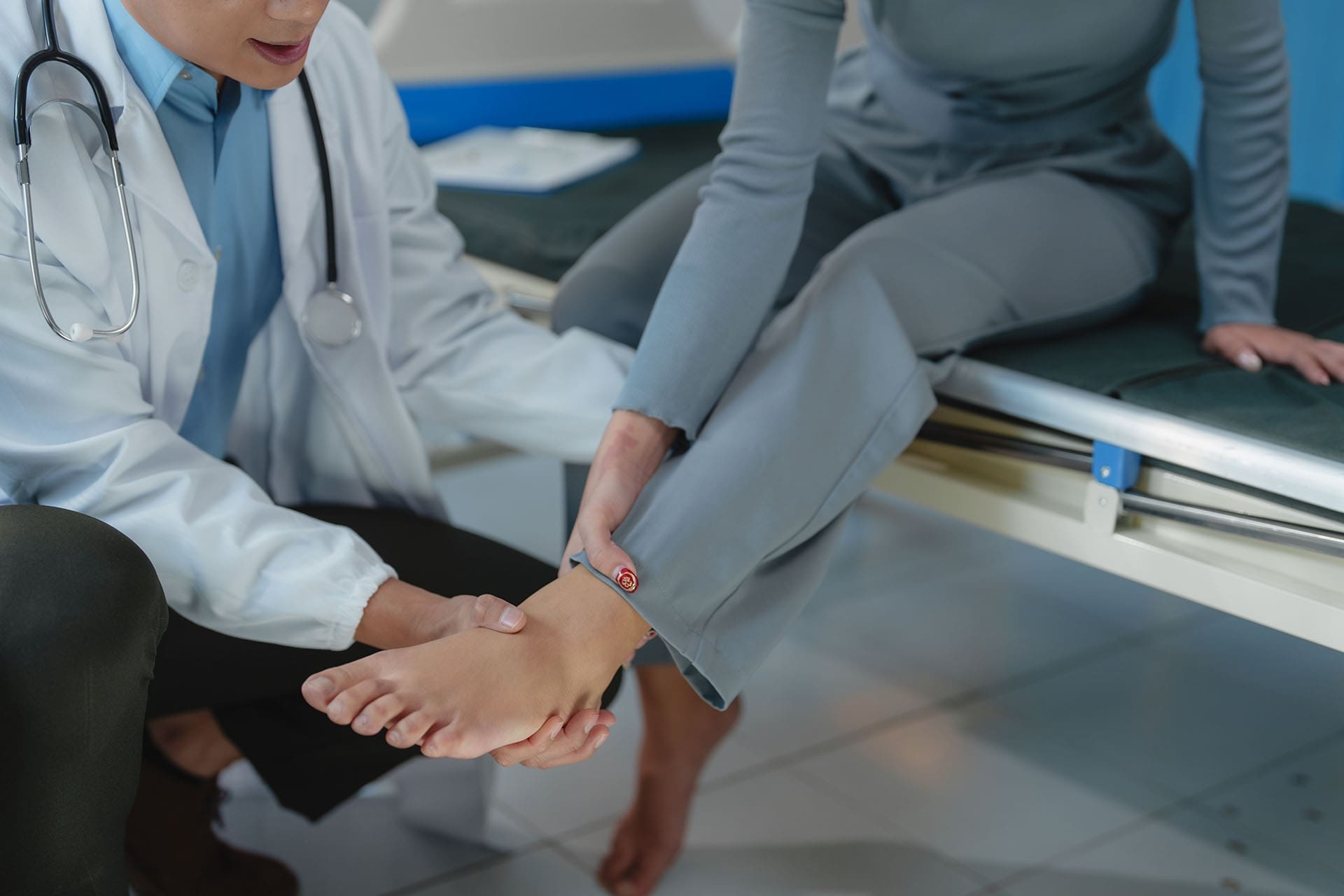
Neuro and physical exam (sensation, strength, reflexes, balance)
-
Lab work when appropriate (glucose/A1c, B12, thyroid, etc.)
-
Possible nerve testing (if needed)
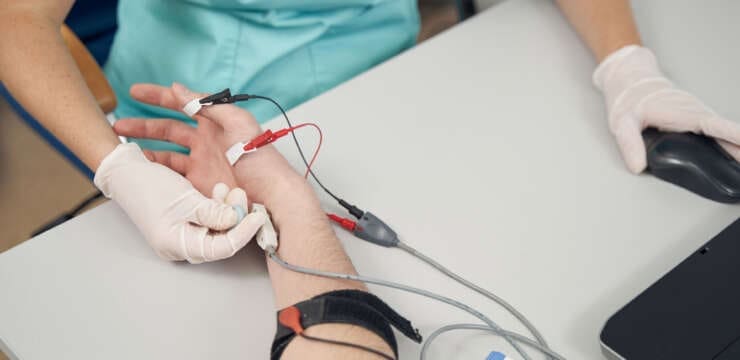
One clinic overview explains that diagnosis often includes a history, plus exams and tests such as glucose checks, blood tests, nerve conduction studies, and EMG (an electrical test of muscle function). MedlinePlus also describes EMG and nerve conduction studies as tools for evaluating nerve damage and determining whether symptoms arise from nerve vs. muscle issues.
Why screening matters (especially with diabetes)
Some screening guidance highlights that people with diabetes and other risk factors should prioritize neuropathy screening—because catching it early can help prevent serious complications like ulcers and infections.
When neurology input may help
Neurology clinics (including resident neurology clinics) may offer thorough evaluations and help people understand diagnosis and treatment options.
Non-invasive and integrative treatments beyond medicine
Many El Paso residents ask, “What else can I do besides medication?” Often, the most helpful plan combines medical safety, daily nerve support, movement, and targeted therapies.
Blood sugar control and metabolic support
If diabetes is involved, managing glucose is foundational because it helps reduce ongoing nerve stress. NIDDK explains that diabetic neuropathy is nerve damage that can occur in people with diabetes and can cause symptoms ranging from pain/numbness to issues with internal organ function.
Helpful “daily basics” include:
-
Taking medications as prescribed (if used)
-
Eating steadier meals (less blood sugar spike-and-crash)
-
Consistent sleep
-
Regular movement
-
Avoiding tobacco and limiting alcohol
Foot safety and injury prevention (huge for diabetic neuropathy)
Because reduced sensation increases injury risk, basic foot habits are not “extra”—they are protection.
-
Check feet daily (tops, bottoms, between toes)
-
Address blisters/cuts early
-
Wear supportive shoes
-
Avoid walking barefoot
-
Watch for redness, swelling, drainage, or warmth
Physical therapy for nerve pain, strength, and balance
Physical therapy can help improve movement patterns, strength, coordination, and safe walking—especially when neuropathy affects balance or leads to compensation. Dr. Jimenez’s neuropathy management overview includes physical therapy as an important component for strengthening weak muscles and improving coordination.
El Paso has clinics that describe PT support for nerve damage and neuropathy-type problems as part of care planning.
PT commonly focuses on:
-
Balance training (fall prevention)
-
Gentle strengthening (feet/ankles/hips)
-
Gait training (walking mechanics)
-
Nerve mobility work (when appropriate)
-
Pain-calming strategies
Chiropractic care as part of a whole-person plan
Many people want options that do not start with strong medications or invasive procedures. Chiropractic care is often used as a supportive, non-invasive approach to improve mobility, reduce mechanical stress, and support better function. Several resources describe chiropractic care as drug-free, focused on spinal alignment, nerve pathway irritation, mobility, and quality of life.
Common chiropractic goals for neuropathy-type complaints may include:
-
Improving joint motion (especially spine, hips, and feet mechanics)
-
Reducing “protective tension” in surrounding muscles
-
Supporting movement confidence and balance
-
Coordinated rehab exercises and stretching plans
Clinical observations from Dr. Alexander Jimenez, DC, APRN, FNP-BC (integrative approach)
Across his clinical education content, Dr. Jimenez emphasizes combining careful evaluation with conservative therapies and functional rehab strategies for nerve-related conditions. For example, his neuropathy resources describe different neuropathy patterns (like radiculopathy involving spinal nerve roots) and the importance of matching the plan to the pattern.
He also highlights integrative care options commonly used in practice—such as physical therapy, acupuncture, massage/relaxation strategies, and preventive measures to reduce further nerve stress.
And when people ask, “Is chiropractic care safe—what should I expect?” his patient-education content discusses what visits can look like and how multi-modal plans (manual approaches + strengthening + supportive therapies) may be organized over time.
Laser therapy (often discussed for diabetic neuropathy in the feet)
Some podiatry resources discuss laser therapy as a promising option for diabetic neuropathy symptoms in the feet, describing it as light-based stimulation intended to support nerve tissue response.
There is also published research on low-level laser therapy showing pain reduction in people with type 2 diabetes and peripheral neuropathy (results vary by study design and protocols).
Lifestyle trigger reduction (small changes can reduce flare-ups)
Some pain resources list common triggers that can worsen neuropathy symptoms, including alcohol use, smoking, and physical stressors like prolonged standing/sitting and poor footwear.
Practical trigger fixes:
-
Supportive shoes and socks
-
Movement breaks if you sit/stand for long hours
-
Gentle daily walking (as tolerated)
-
Smoking cessation support (if needed)
-
Reduced alcohol (if it worsens symptoms)
When symptoms are severe: interventional options (not first-line, but sometimes helpful)
Some pain clinics describe peripheral nerve stimulation (PNS) as a tool for chronic nerve-related pain by using electrical impulses to interrupt pain signals. This is not for everyone, but it may be discussed when conservative steps are not enough.
Why combining NP care + chiropractic care can work well
People often do best when both medical causes and functional issues are addressed simultaneously.
What an NP may focus on
-
Screening and risk review (especially diabetes and prediabetes)
-
Labs (A1c, B12, thyroid, kidney function when appropriate)
-
Medication review (including meds that may worsen symptoms)
-
Coordinating referrals (neurology, podiatry, pain management)
-
Education on foot care and complication prevention
What integrative chiropractic care may focus on
-
Mobility and mechanical stress reduction
-
Conservative care options (non-invasive)
-
Exercise planning and rehab coordination
-
Supportive approaches that aim to improve the quality of life and function
This team style matters because neuropathy is rarely just “one problem.” It is often a mix of nerve health, blood sugar, circulation, sleep, stress, strength, and daily habits.
Support matters: you don’t have to handle this alone
Neuropathy can feel isolating—especially when pain interrupts sleep or numbness creates fear of falling. Patient support groups can help with education and coping. The Foundation for Peripheral Neuropathy notes it is connected to many virtual and in-person support groups.
Red flags: when to seek urgent medical care
Get urgent help if you have:
-
New or rapidly worsening weakness
-
Sudden loss of balance with falls
-
New loss of bowel or bladder control
-
A foot wound that is getting worse, draining, turning black, or showing infection signs (redness, warmth, fever)
-
Severe pain that is sudden and unexplained
Bottom line
In El Paso, many people ask about neuropathy because diabetes is common and nerve symptoms are disruptive. The strongest approach usually combines:
-
Smart medical screening (often with an NP)
-
Daily nerve protection (especially foot care)
-
Movement-based rehab (often with PT)
-
Non-invasive supportive care (including chiropractic strategies when appropriate)
-
Lifestyle changes that reduce triggers
This isn’t about “one magic treatment.” It’s about building a plan that helps you feel steadier, sleep better, move with more confidence, and protect your long-term nerve health.
References
-
A Report Card: Diabetes in the United States (Infographic). Centers for Disease Control and Prevention.
-
Diabetic Neuropathy. National Institute of Diabetes and Digestive and Kidney Diseases.
-
Diabetic Neuropathy (Nerve Problems). MedlinePlus.
-
Diabetes: Fast Facts (National Diabetes Statistics). Centers for Disease Control and Prevention.
-
Understanding Neuropathy and Your Diabetes. American Diabetes Association.
-
Peripheral Neuropathy: Symptoms and Causes. Mayo Clinic.
-
Peripheral Neuropathy (Foot & Ankle Patient Resource). American Podiatric Medical Association.
-
Sharp, Throbbing, Burning Pain? El Paso Pain Center.
-
5 Questions About Peripheral Neuropathy Treatment. Nonsurgical Spine Center.
-
Understanding Neuropathy Screening. Medicos Family Clinic.
-
Neuropathy (Complications and Foot Risk). ANESC.
-
Nerve Damage (Physical Therapy Overview). P3 Physical Therapy (El Paso).
-
Laser Therapy for Diabetic Neuropathy. El Paso Feet.
-
Efficacy of Low Level Laser Therapy on Painful Diabetic Peripheral Neuropathy (Study). PubMed Central.
-
Can Chiropractic Care Help My Neuropathy? Pain & Wellness Institute.
-
Chiropractic Care for Tingling and Numbness. Leicester Spine & Wellness.
-
Understanding Neuropathy Treatment with Chiropractic Care. Elite Family Charleston.
-
Help for the Newly Diagnosed (Support Groups). Foundation for Peripheral Neuropathy.
-
Managing Peripheral Neuropathy: Effective Treatment Strategies. Dr. Alexander Jimenez.
-
Neuropathy Presentation | Part II. Dr. Alexander Jimenez.
-
Safe Chiropractic Care in El Paso: What to Expect. Dr. Alexander Jimenez.
-
Chiropractic Care Strategies for Peripheral Neuropathy. Dr. Alexander Jimenez.
-
Chiropractic Care and Recovery for Diabetic Neuropathy. Dr. Alexander Jimenez.
-
Why a Resident Neurology Clinic Is the Right Choice. University Clinical Health.
-
Peripheral Nerve Stimulator (PNS). Donya Pain & Wellness Center (El Paso).
-
Peripheral Nerve Stimulator (Service Overview). West Texas Pain Institute (El Paso).
-
Neuropathy Triggers and Relief (Lifestyle Triggers). Modern Pain Management.
-
Neuropathy Signs and Symptoms Diagnosis. El Paso Back Clinic.
Disclaimers
Professional Scope of Practice *
The information herein on "Neuropathy in El Paso TX: Relief and Treatment Options" is not intended to replace a one-on-one relationship with a qualified health care professional or licensed physician and is not medical advice. We encourage you to make healthcare decisions based on your research and partnership with a qualified healthcare professional.
Blog Information & Scope Discussions
Welcome to El Paso's wellness blog, where Dr. Alex Jimenez, DC, FNP-C, a board-certified Family Practice Nurse Practitioner (FNP-C) and Chiropractor (DC), presents insights on how our team is dedicated to holistic healing and personalized care. Our practice aligns with evidence-based treatment protocols inspired by integrative medicine principles, similar to those found on dralexjimenez.com, focusing on restoring health naturally for patients of all ages.
Our areas of chiropractic practice include Wellness & Nutrition, Chronic Pain, Personal Injury, Auto Accident Care, Work Injuries, Back Injury, Low Back Pain, Neck Pain, Migraine Headaches, Sports Injuries, Severe Sciatica, Scoliosis, Complex Herniated Discs, Fibromyalgia, Chronic Pain, Complex Injuries, Stress Management, Functional Medicine Treatments, and in-scope care protocols.
Our information scope is limited to chiropractic, musculoskeletal, physical medicine, wellness, contributing etiological viscerosomatic disturbances within clinical presentations, associated somato-visceral reflex clinical dynamics, subluxation complexes, sensitive health issues, and functional medicine articles, topics, and discussions.
We provide and present clinical collaboration with specialists from various disciplines. Each specialist is governed by their professional scope of practice and their jurisdiction of licensure. We use functional health & wellness protocols to treat and support care for the injuries or disorders of the musculoskeletal system.
Our videos, posts, topics, subjects, and insights cover clinical matters, issues, and topics that relate to and directly or indirectly support our clinical scope of practice.*
Our office has reasonably attempted to provide supportive citations and has identified the relevant research studies or studies supporting our posts. We provide copies of supporting research studies available to regulatory boards and the public upon request.
We understand that we cover matters that require an additional explanation of how they may assist in a particular care plan or treatment protocol; therefore, to discuss the subject matter above further, please feel free to ask Dr. Alex Jimenez, DC, APRN, FNP-BC, or contact us at 915-850-0900.
We are here to help you and your family.
Blessings
Dr. Alex Jimenez DC, MSACP, APRN, FNP-BC*, CCST, IFMCP, CFMP, ATN
email: coach@elpasofunctionalmedicine.com
Licensed as a Doctor of Chiropractic (DC) in Texas & New Mexico*
Texas DC License # TX5807
New Mexico DC License # NM-DC2182
Licensed as a Registered Nurse (RN*) in Texas & Multistate
Texas RN License # 1191402
ANCC FNP-BC: Board Certified Nurse Practitioner*
Compact Status: Multi-State License: Authorized to Practice in 40 States*
Graduate with Honors: ICHS: MSN-FNP (Family Nurse Practitioner Program)
Degree Granted. Master's in Family Practice MSN Diploma (Cum Laude)
Dr. Alex Jimenez, DC, APRN, FNP-BC*, CFMP, IFMCP, ATN, CCST
My Digital Business Card
What's your reaction?