When the body is correctly aligned, the shoulders are the same height, and face forward. Uneven shoulders are when one shoulder begins to raise higher than the other. It usually starts with a slight difference but can turn into a more severe imbalance causing discomfort, tightness, and pain in the neck, shoulders, hips, and back. Chiropractic treatment can bring the body back into balance and alignment through various techniques and therapy modalities.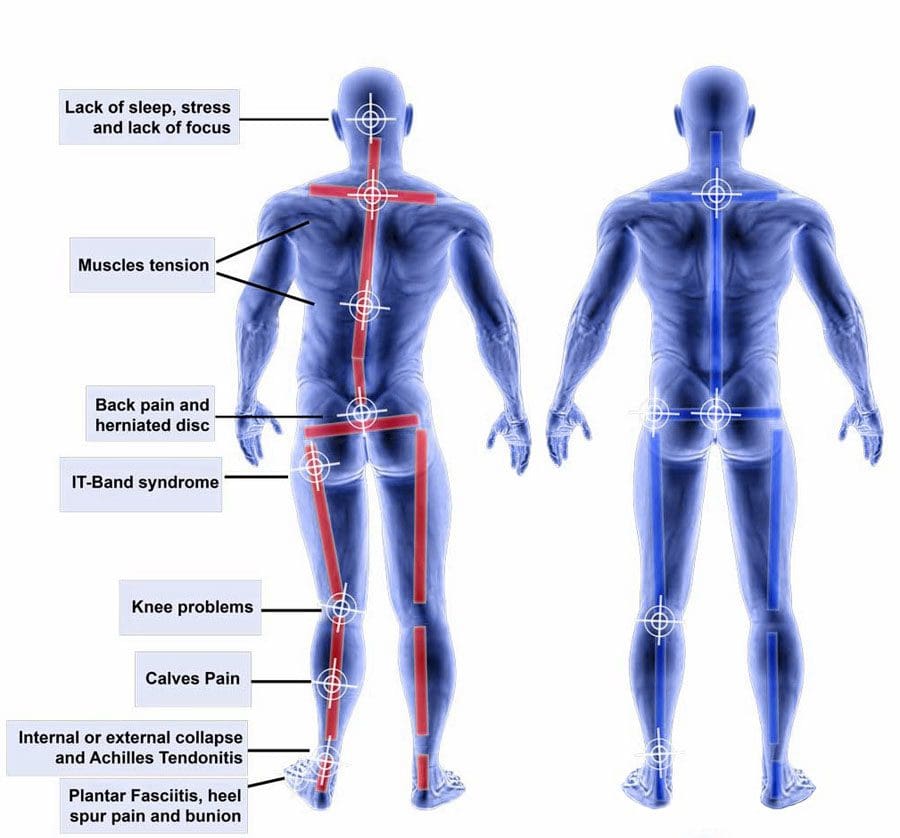
Table of Contents
Misaligned Uneven Shoulders
Several factors can lead to uneven shoulders. Misalignments can be caused by:
- Often the shoulder on the dominant side tends to be slightly lower.
- Constantly using one hand or side for everything.
- Carrying a heavy bag on the dominant shoulder.
- Structural issues or muscular skeletal imbalances in other areas of the body.
For example, if the ankle or hip gets injured, it can cause an individual to bring their body out of alignment to adjust to how they position themselves and move. Other common causes include:
- Overuse of the shoulders
- Tight upper back muscles
- Unhealthy posture
- Uneven hips
- Pinched nerve
- Weak muscles
- Flat feet
- Sedentary lifestyle
- Varying leg length
- Osteoporosis
- Scoliosis
- Shoulder injuries
- Incorrect sleeping position or sleeping on one side
- Sports like tennis, golf, and baseball have an increased risk of causing misaligned, uneven shoulders and posture imbalances.
Symptoms
Uneven shoulders can result in discomfort, tightness, and stiffness in the neck, shoulders, and lower back.
- Continued tightness and pulling in the higher shoulder.
- Rounded shoulders
- Headaches
- Head misalignment
- Hip misalignment
- Shifting pelvis
- Bursitis
- Tendonitis
Chiropractor
A chiropractic massage and functional medicine team will bring the shoulders back into normal alignment.
- Therapeutic myofascial release massage will release tension, relax the muscles, and increase flexibility.
- Chiropractic adjustments
- Spinal decompression therapy
- Stretches and muscle-building exercises to balance the shoulders.
- Lifestyle adjustment instructions for switching shoulders when carrying bags, using armrests, using the phone, using a mouse, and using ergonomic chairs.
- Posture training includes learning to stay aware of one’s posture throughout the day when standing or sitting and completing regular activities.
- Learning to use the non-dominant arm to balance the workload.
- Incorporating relaxation, meditation, and breathing techniques to relieve stress, tension, and tightness.
Shoulder Pain Treatment
References
Burbank, Kelton M et al. “Chronic shoulder pain: part I. Evaluation and diagnosis.” American family physician vol. 77,4 (2008): 453-60.
Foroozan Mahmoodi et al. The effect of corrective exercises on the pain and degree of uneven shoulder deformity rsr.basu.ac.ir/article_625_en.html
Mayo Clinic Staff. (2017). Stress management. mayoclinic.org/healthy-lifestyle/stress-management/in-depth/relaxation-technique/art-20045368
Mitchell, Caroline, et al. “Shoulder pain: diagnosis and management in primary care.” BMJ (Clinical research ed.) vol. 331,7525 (2005): 1124-8. doi:10.1136/bmj.331.7525.1124
Pu Chu, Eric Chun, and Kevin Hsu Kai Huang. “Bridging the gap between observation and brace treatment for adolescent idiopathic scoliosis.” Journal of family medicine and primary care vol. 6,2 (2017): 447-449. doi:10.4103/jfmpc.jfmpc_52_17
What's your reaction?