Table of Contents
How Telemedicine and Health Coaching Help Manage Sciatica with Integrative Chiropractic Care

Sciatica can turn everyday life into a challenge. Sitting at a desk, driving to work, or bending to tie your shoes can trigger sharp, burning, or electric pain that shoots from your lower back down your leg. For many people, just getting to a clinic can feel like a major obstacle.
Telemedicine and health coaching offer a new, more flexible way to manage sciatica. With secure video visits, you can connect with an integrative team—such as a nurse practitioner, chiropractor, and health coach—from the comfort of your home. This approach allows you to move, stretch, and learn in your environment while still getting expert guidance and ongoing support (UT Southwestern Medical Center, 2025; NJ Spine & Orthopedic, n.d.).
On platforms like HealthCoach.clinic, this model can blend:
-
Telemedicine for diagnosis, medication oversight, and imaging decisions
-
Chiropractic reasoning for spine and joint mechanics
-
Health coaching for habit change, movement routines, and lifestyle upgrades
Together, these tools help you manage pain, protect your nerves, and reclaim your daily activities.
Understanding Sciatica in Simple Terms
Sciatica is a group of symptoms caused by irritation or compression of the sciatic nerve. This large nerve travels from your lower back through your hips and buttocks and down each leg.
Common signs and symptoms include:
-
Sharp, burning, or stabbing pain down the leg
-
Numbness, tingling, or “pins and needles” in the leg or foot
-
Muscle weakness in the leg or foot
-
Pain that gets worse when sitting, bending, or coughing
Sciatica can be caused by:
-
Herniated or bulging discs
-
Spinal stenosis (narrowing of the spinal canal)
-
Degenerative disc disease
-
Joint dysfunction in the lumbar spine or pelvis
-
Muscle tightness, such as a tight piriformis muscle in the buttocks
Because there are many possible causes, a thoughtful evaluation and a structured plan are important. Telemedicine and health coaching make this process more accessible and consistent (UT Southwestern Medical Center, 2025; The Spine Institute of Southeast Texas, n.d.-a).
What Is Telemedicine—and Why Does It Fit Sciatica Care?
Telemedicine (or telehealth) means receiving care from your provider via secure video or phone rather than an in-person visit. You can use your smartphone, tablet, or computer.
For sciatica and other back or nerve problems, telemedicine is especially useful because it can:
-
Save you from painful trips to the clinic
-
Allow your provider to see how you move in your real home environment
-
Speed up the start of treatment and follow-up care (UT Southwestern Medical Center, 2025; NJ Spine & Orthopedic, n.d.)
During a telemedicine visit, your integrative team can:
-
Ask detailed questions about your pain and function
-
Watch you walk, stand, sit, and bend
-
Guide gentle tests and movements on camera
-
Review MRI or X-ray images with you
-
Discuss next steps like chiropractic care, physical therapy, injections, or surgery if needed
Spine and pain specialists report that telemedicine works well for diagnosing and managing back and leg pain, including sciatica, when combined with imaging and follow-up planning (NJ Spine & Orthopedic, n.d.; The Spine Institute of Southeast Texas, n.d.-a).
How Telemedicine Specifically Helps People With Sciatica
Sciatica often makes sitting and driving painful. Standing in lines or walking long distances can also be difficult. Telemedicine reduces these barriers so you can start and continue care more easily.
Key telemedicine benefits for sciatica
-
Less travel, less stress
-
No long car rides or waiting rooms
-
Helpful if you have limited mobility or rely on others for transport (The Spine Institute of Southeast Texas, n.d.-a, n.d.-c)
-
-
Faster access to care
-
Many clinics offer earlier telehealth appointments
-
You can begin evaluations and early treatment at home
-
-
Better continuity of care
-
Easier to attend regular follow-ups
-
Providers can adjust exercises, medications, and activity levels in real time (The Spine Institute of Southeast Texas, n.d.-c; Everlywell, n.d.)
-
-
Real-life environment view
-
Your provider can see your office chair, home workstation, or couch
-
They can give specific advice about posture and ergonomics at home (Tigard Chiropractic & Auto Injury, n.d.-a, n.d.-b)
-
For many people, telemedicine makes sciatica care more flexible and home-centered, rather than a series of exhausting trips.
Integrative Chiropractic + Health Coaching: A Telemedicine Team
An integrative telemedicine model often includes:
-
A nurse practitioner (NP) or medical provider
-
A chiropractor focused on spine and joint mechanics
-
A health coach focused on behavior change and long-term habits
Dr. Alexander Jimenez, DC, APRN, FNP-BC, is a dual-licensed chiropractor and nurse practitioner whose clinical observations show that combining medical, chiropractic, and coaching perspectives helps patients build sustainable recovery routines, especially after injuries and long-standing pain (Jimenez, n.d.).
Roles in an integrative telemedicine visit
The NP/medical role may involve:
-
Reviewing your full medical history and current medications
-
Screening for red-flag symptoms that require in-person or emergency care
-
Ordering imaging such as MRI, X-ray, or CT scans
-
Managing short-term use of anti-inflammatories, muscle relaxers, or nerve pain medications when appropriate (Everlywell, n.d.; NJ Spine & Orthopedic, n.d.)
The chiropractic role may include:
-
Analyzing posture and movement patterns over video
-
Looking for mechanical stress in the spine, pelvis, and hips
-
Guiding gentle movements and tests to see how the nerve reacts
-
Designing a home-based plan using stretches, controlled motion, and ergonomic changes (HealthCentral, n.d.; Evolve Chiropractic, n.d.)
The health coaching role ties it all together by:
-
Helping you turn one-time advice into daily habits
-
Breaking down goals into small, achievable steps
-
Providing accountability through regular check-ins
-
Supporting lifestyle areas like sleep, stress, nutrition, and activity
On a platform like HealthCoach.clinic, this team-based approach allows your care to focus not only on pain relief but also on long-term resilience and self-management.
Telemedicine and Medication Oversight for Sciatica
Medication is not the only answer for sciatica, but it can be part of short-term relief and function. Telemedicine services for pain management can help manage medications more safely and conveniently.
During a virtual visit, your provider may:
-
Review all current medications and supplements
-
Adjust doses or switch medicines if needed
-
Short-term prescription of anti-inflammatories, muscle relaxers, or other pain medications when appropriate
-
Watch for side effects and help taper off medications as your function improves (Everlywell, n.d.; Apollo Spine & Joint, n.d.)
Health coaches can then step in to support non-drug strategies—like movement, posture, stress reduction, and anti-inflammatory lifestyle changes—so you do not lean only on medication.
Guided Home Exercises for Sciatica Through Telemedicine
One of the biggest strengths of telemedicine is the ability to practice movements and exercises in real time, with your provider watching and coaching you.
Your NP, chiropractor, and health coach can work together to design and progress a home program that fits your body and your environment (Integrative Medical of DFW, n.d.; Evolve Chiropractic, n.d.).
Common exercise themes for sciatica (always follow your own provider’s advice)
-
Gentle nerve and muscle stretches
-
Hamstring stretches
-
Piriformis stretches (for deep hip muscles)
-
Sciatic nerve glides under guidance (HealthCentral, n.d.; Evolve Chiropractic, n.d.)
-
-
Core and hip stability
-
Pelvic tilts
-
Bridge exercises
-
Clamshells or side-lying hip work
-
-
Posture and movement retraining
-
Learning how to bend at the hips, not just the lower back
-
Practicing safe ways to get in and out of bed or chairs
-
Short, frequent movement breaks to avoid long sitting sessions (Tigard Chiropractic & Auto Injury, n.d.-a, n.d.-b)
-
A health coach can help you fit these exercises into your day by:
-
Linking them to existing habits (after breakfast, after meetings, before bed)
-
Turning them into simple daily “non-negotiables”
-
Tracking your progress and pain responses over time
This blend of expert movement planning and real-life coaching helps you stay consistent, which is critical for calming irritated nerves.
Telemedicine, Physical Therapy, and Team Coordination
Physical therapy (PT) is often a key part of sciatica care. Telemedicine makes it easier to coordinate your overall plan, even when you need in-person PT sessions.
An integrative telemedicine team can:
-
Refer you to local PT when you need hands-on work
-
Share your diagnosis and goals with your therapist
-
Review PT notes with you during virtual follow-ups
-
Update your home program as your strength and flexibility improve (Integrative Medical of DFW, n.d.)
Health coaching can then reinforce this by helping you:
-
Stick with your PT sessions
-
Practice your exercises between appointments
-
Adjust your daily routine to protect your back and nerves
This creates a continuous loop of guidance: clinic ? home ? telemedicine check-in ? coaching ? back to clinic when needed.
Telemedicine for Office and Remote Workers With Sciatica
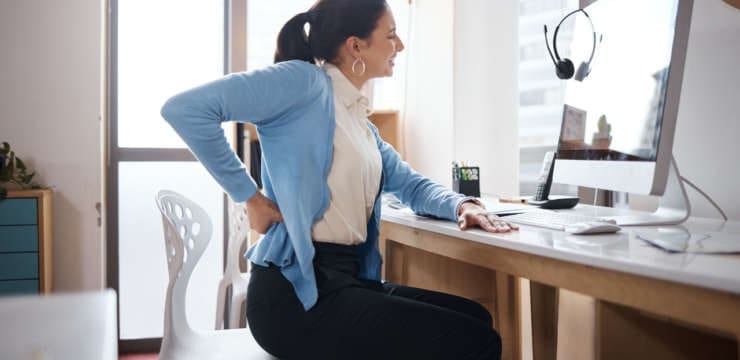
Many people with sciatica work at desks, often for long hours. Others work remotely from kitchen tables, couches, or beds. These setups may seem harmless, but can quietly worsen nerve pain over time.
Telemedicine is ideal for this group because providers and coaches can see your actual work setup and help you adjust it (Tigard Chiropractic & Auto Injury, n.d.-a, n.d.-b).
Your team may recommend:
-
Adjusting chair height and screen level
-
Using lumbar support or cushions
-
Setting a timer for posture breaks every 30–60 minutes
-
Simple “desk stretches” for hips, hamstrings, and low back
Health coaches can help you build healthy remote-work habits, such as:
-
Taking micro-walks between calls
-
Standing for certain meetings
-
Creating a morning and evening movement ritual to reset your body
This environment-focused coaching can dramatically improve how your spine and sciatic nerve feel day to day.
How to Prepare for a Telemedicine Visit for Sciatica
Good preparation makes your telemedicine visit smoother and more effective (The Spine Institute of Southeast Texas, n.d.-b).
Before your appointment
-
Check your technology
-
Test your video, audio, and internet
-
Charge your device and have a backup if possible
-
-
Set up your space
-
Choose a quiet, private room
-
Make sure you have space to stand, walk, and lie down if needed
-
-
Gather important information
-
List your medications and supplements
-
Have previous imaging reports available
-
Write down your main concerns and goals
-
During the visit
-
Wear comfortable clothing that you can move in
-
Keep a chair or counter nearby for balance
-
Be honest about your pain, fears, and lifestyle challenges
Afterward, your health coach can help you turn the visit recommendations into a simple plan you can follow in daily life.
When Telemedicine Is Not Enough
Telemedicine is powerful but does not replace all in-person care. There are times when you need hands-on evaluation or emergency treatment.
Red-flag symptoms that need urgent in-person or ER care
-
Loss of bladder or bowel control
-
Numbness in the groin or “saddle” area
-
Sudden severe weakness in the leg or foot
-
Fever with intense back pain
-
History of cancer, trauma, or infection with new, severe back pain
In these cases, your telemedicine provider will direct you to urgent or emergency care. Integrative providers like Dr. Jimenez use telemedicine to screen, guide, and triage, while remaining ready to refer patients to in-person care when needed (Jimenez, n.d.; NJ Spine & Orthopedic, n.d.).
Health Coaching: The Missing Link in Long-Term Sciatica Management
Sciatica recovery is rarely a straight line. Pain may flare up with stress, long drives, poor sleep, or skipping exercises. This is where health coaching shines.
Health coaches help you:
-
Turn clinic advice into realistic daily habits
-
Break large goals (“no leg pain”) into smaller steps (“walk 10 minutes pain-free”)
-
Manage lifestyle factors that affect pain, such as:
-
Sleep quality
-
Stress and emotional health
-
Weight and nutrition
-
Physical activity levels
-
Drawing on integrative principles and clinical insights like those of Dr. Jimenez, health coaches can support you in building a life that protects your spine and supports nerve healing—not just for a few weeks, but for the long run (Jimenez, n.d.).
A Sample Telemedicine Care Path for Sciatica
Here is how an integrative, telemedicine-based sciatica plan might look on a platform like HealthCoach.clinic:
-
Initial telemedicine visit
-
NP and chiropractor review your history, symptoms, and movement
-
They screen for red flags and decide if imaging is needed
-
-
Imaging and follow-up
-
MRI or X-ray ordered if appropriate
-
Second telemedicine visit to review results and explain your diagnosis
-
-
Plan creation
-
Medical plan: medications if needed, referrals, timelines
-
Chiropractic plan: movement strategies, posture changes, and progressive exercises
-
Health coaching plan: daily habits, schedule, tracking tools
-
-
Ongoing tele-coaching and check-ins
-
Regular video visits to adjust exercises and medications
-
Coaching sessions to support consistency, mindset, and lifestyle
-
-
In-person visits if needed
-
Physical therapy, injections, or chiropractic adjustments when appropriate
-
Telemedicine is used between visits to maintain momentum
-
-
Long-term maintenance
-
Gradual shift from pain relief to performance and prevention
-
Ongoing coaching to keep healthy routines in place
-
In this model, telemedicine is not just a backup—it is the central hub that connects your medical care, chiropractic strategy, and health coaching into one cohesive plan.
References
Apollo Spine & Joint. (n.d.). Enhance pain management with telemedicine. www.apollospineandpain.com/enhance-pain-management-with-telemedicine
Evolve Chiropractic. (n.d.). When sciatica strikes: How chiropractic care can provide relief. myevolvechiropractor.com/when-sciatica-strikes-how-chiropractic-care-can-provide-relief/
Everlywell. (n.d.). How telemedicine pain management works. www.everlywell.com/blog/virtual-care/telemedicine-pain-management/
HealthCentral. (n.d.). Chiropractor for sciatica: Causes, symptoms, & diagnosis. www.healthcentral.com/condition/sciatica/chiropractic-treatment-sciatica
Integrative Medical of DFW. (n.d.). Physical therapy: Treatment focused on your goals. www.integrativemedical.com/physical-therapy
Jimenez, A. (n.d.). El Paso, TX chiropractor Dr. Alex Jimenez DC | Personal injury specialist. dralexjimenez.com/
NJ Spine & Orthopedic. (n.d.). What is telemedicine and can it work for back pain? www.njspineandortho.com/what-is-telemedicine-and-can-it-work-for-back-pain/
The Spine Institute of Southeast Texas. (n.d.-a). How does telemedicine work? www.southeasttexasspine.com/blog/how-does-telemedicine-work
The Spine Institute of Southeast Texas. (n.d.-b). How to prepare for your telemedicine appointment. www.southeasttexasspine.com/blog/how-to-prepare-for-your-telemedicine-appointment
The Spine Institute of Southeast Texas. (n.d.-c). 6 benefits of telemedicine. www.southeasttexasspine.com/blog/6-benefits-of-telemedicine
The Spine Institute of Southeast Texas. (n.d.-d). How can telemedicine work to help treat my sciatica? www.southeasttexasspine.com/blog/how-can-telemedicine-work-to-help-treat-my-sciatica
Tigard Chiropractic & Auto Injury. (n.d.-a). Sciatica solutions: How chiropractic care can help office professionals find relief. www.tigardchiropracticautoinjury.com/blog/sciatica-solutions-how-chiropractic-care-can-help-office-professionals-find-relief
Tigard Chiropractic & Auto Injury. (n.d.-b). Dealing with pain from working remotely. www.tigardchiropracticautoinjury.com/blog/dealing-with-pain-from-working-remotely
UT Southwestern Medical Center. (2025, November 19). Virtual visits, real pain relief: Telemedicine brings convenient care for back issues. utswmed.org/medblog/telemedicine-for-back-and-spine-issues/
Disclaimers
Professional Scope of Practice *
The information herein on "Manage Sciatica with Telemedicine from Home" is not intended to replace a one-on-one relationship with a qualified health care professional or licensed physician and is not medical advice. We encourage you to make healthcare decisions based on your research and partnership with a qualified healthcare professional.
Blog Information & Scope Discussions
Welcome to El Paso's wellness blog, where Dr. Alex Jimenez, DC, FNP-C, a board-certified Family Practice Nurse Practitioner (FNP-C) and Chiropractor (DC), presents insights on how our team is dedicated to holistic healing and personalized care. Our practice aligns with evidence-based treatment protocols inspired by integrative medicine principles, similar to those found on dralexjimenez.com, focusing on restoring health naturally for patients of all ages.
Our areas of chiropractic practice include Wellness & Nutrition, Chronic Pain, Personal Injury, Auto Accident Care, Work Injuries, Back Injury, Low Back Pain, Neck Pain, Migraine Headaches, Sports Injuries, Severe Sciatica, Scoliosis, Complex Herniated Discs, Fibromyalgia, Chronic Pain, Complex Injuries, Stress Management, Functional Medicine Treatments, and in-scope care protocols.
Our information scope is limited to chiropractic, musculoskeletal, physical medicine, wellness, contributing etiological viscerosomatic disturbances within clinical presentations, associated somato-visceral reflex clinical dynamics, subluxation complexes, sensitive health issues, and functional medicine articles, topics, and discussions.
We provide and present clinical collaboration with specialists from various disciplines. Each specialist is governed by their professional scope of practice and their jurisdiction of licensure. We use functional health & wellness protocols to treat and support care for the injuries or disorders of the musculoskeletal system.
Our videos, posts, topics, subjects, and insights cover clinical matters, issues, and topics that relate to and directly or indirectly support our clinical scope of practice.*
Our office has reasonably attempted to provide supportive citations and has identified the relevant research studies or studies supporting our posts. We provide copies of supporting research studies available to regulatory boards and the public upon request.
We understand that we cover matters that require an additional explanation of how they may assist in a particular care plan or treatment protocol; therefore, to discuss the subject matter above further, please feel free to ask Dr. Alex Jimenez, DC, APRN, FNP-BC, or contact us at 915-850-0900.
We are here to help you and your family.
Blessings
Dr. Alex Jimenez DC, MSACP, APRN, FNP-BC*, CCST, IFMCP, CFMP, ATN
email: coach@elpasofunctionalmedicine.com
Licensed as a Doctor of Chiropractic (DC) in Texas & New Mexico*
Texas DC License # TX5807
New Mexico DC License # NM-DC2182
Licensed as a Registered Nurse (RN*) in Texas & Multistate
Texas RN License # 1191402
ANCC FNP-BC: Board Certified Nurse Practitioner*
Compact Status: Multi-State License: Authorized to Practice in 40 States*
Graduate with Honors: ICHS: MSN-FNP (Family Nurse Practitioner Program)
Degree Granted. Master's in Family Practice MSN Diploma (Cum Laude)
Dr. Alex Jimenez, DC, APRN, FNP-BC*, CFMP, IFMCP, ATN, CCST
My Digital Business Card
What's your reaction?