
Table of Contents
Understanding Anterior Hip and Leg Pain: Key Muscles and Effective Relief Strategies
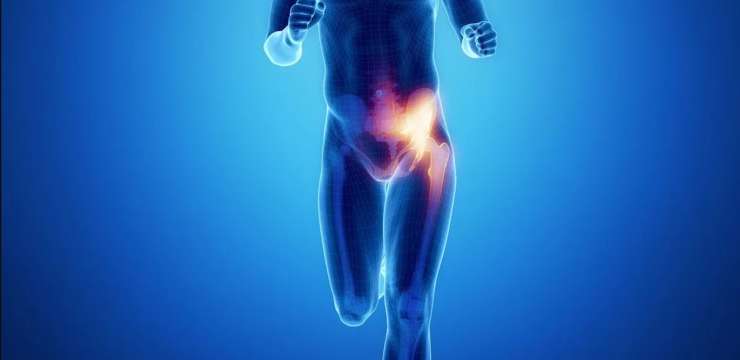
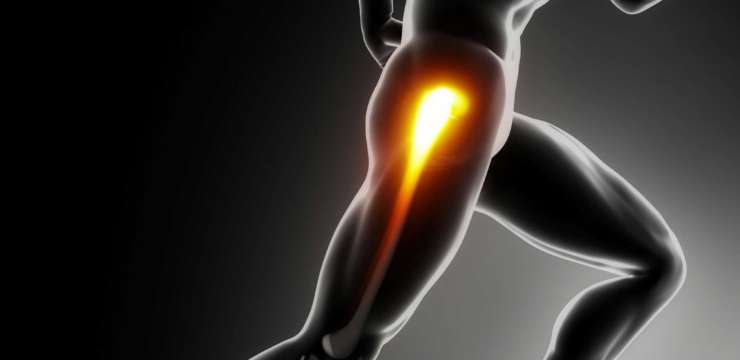
Pain in the front of your hip or leg can make simple tasks like walking or standing tough. This discomfort often comes from a group of muscles called the anterior hip and leg muscles. These muscles help you lift your knee, bend at the waist, and straighten it. They also keep your pelvis steady when you move. Everyday habits, such as prolonged sitting, can overwork these muscles, leading to tightness, pain, or injury. In this article, we’ll examine the muscles involved, why pain occurs, and how treatments like chiropractic care can help. We’ll also cover ways to prevent issues, manage chronic pain, and improve mobility.
The Main Muscles Behind Anterior Hip and Leg Pain
The anterior compartment of the thigh holds muscles that flex the hip and extend the knee. These muscles receive their nerve supply from the femoral nerve and their blood supply from the femoral artery. When they get strained or tight, pain shows up in the front hip or leg area (Geeky Medics, 2023). Here’s a breakdown of the key muscles:
- Iliopsoas (Psoas Major and Iliacus): This is the main hip flexor. The psoas major starts from the lower spine and attaches to the femur. The iliacus originates in the pelvis and inserts into it. Together, they lift the thigh toward the chest. Tightness in this area often causes groin pain, particularly after sitting (Physio-pedia, n.d.).
- Rectus Femoris: A component of the quadriceps group, it originates from the hip and inserts on the tibia. It helps flex the hip and extend the knee, like when kicking a ball. Strains here cause sharp pain in the front thigh during activities such as running (Back Muscle Solutions, n.d.).
- Vastus Muscles (Lateralis, Medialis, and Intermedius): These three make up most of the quadriceps. They primarily extend the knee while supporting hip stability. Overuse can cause knee pain that feels as if it originates in the hip (NCBI, n.d.).
- Sartorius: The longest muscle in the body, it crosses from the hip to the inner knee. It flexes the hip and rotates the thigh outward. It’s often strained in sports with quick turns (GetBodySmart, n.d.).
- Tensor Fasciae Latae (TFL): This small muscle on the outer hip helps with flexion and keeps balance during single-leg stands, like walking. A tight TFL can pull on the IT band, causing lateral hip pain that radiates anteriorly (Brisbane Physiotherapy, n.d.).
These muscles work together for daily movements. When one gets weak or tight, others compensate, leading to pain. For example, weak glutes at the back can overload the front hip flexors (MSK Dorset, n.d.).
Common Causes of Pain in the Front Hip and Leg
Pain in this area often stems from overuse, injury, or poor habits. Sitting for long periods shortens the hip flexors, making them tight and prone to strain (Princeton Orthopaedic Associates, n.d.). Here are the major causes:
- Muscle Strains and Tendinopathy: Sudden movements, such as sprinting, can tear hip flexors, including the iliopsoas and rectus femoris. This causes sharp pain during leg lifting. Chronic overuse leads to tendinopathy, with dull aches and snapping sensations (Evolveny, n.d.a).
- Overuse from Daily Activities: Jobs or hobbies that involve repetitive hip flexion, such as cycling or stair climbing, can wear down these muscles. Prolonged sitting weakens glutes, forcing hip flexors to work harder (Evolveny, n.d.b).
- Referred Pain from the Back: Issues in the lower spine, such as herniated discs, can refer pain to the front hip via nerves. This mimics hip problems but starts elsewhere (Nathan Cafferky, MD, n.d.).
- Joint Issues like Osteoarthritis or Impingement: Cartilage wear or bone shapes that rub cause deep groin pain. This worsens with age or sports (Alexander Orthopaedics, n.d.).
- Bursitis or Inflammation: Fluid sacs around the hip get irritated from overuse, leading to swelling and pain in the front or side (AAFP, 1999).
Sports with rapid changes, such as soccer, increase risk. Dr. Alexander Jimenez, a chiropractor in El Paso, Texas, observes that many hip pains link to spinal misalignments from injuries or poor posture, worsening muscle strain (Jimenez, n.d.).
Symptoms to Watch For
Anterior hip pain varies but often feels like a deep ache in the groin or front thigh. It might worsen with movement. Common signs include:
- Sharp pain when standing after sitting or lifting the knee.
- Stiffness in the morning or after rest.
- Snapping or clicking in the hip.
- Weakness or limping during walks.
- Pain spreading to the knee or lower back (JOI Online, n.d.).
If pain lasts more than two weeks or causes numbness, consult a physician. Early care prevents more severe outcomes such as chronic inflammation.
How Chiropractic Care Addresses Hip Pain
Chiropractic treatment targets root causes rather than symptoms. It uses adjustments, therapy, and exercises to fix imbalances. This boosts joint motion and strengthens muscles (Sports-Health, n.d.).
Dr. Jimenez notes that hip pain often ties to spinal issues. His approach combines functional medicine with adjustments to reduce inflammation and restore balance (LinkedIn, n.d.). Key parts of treatment:
- Spinal and Hip Adjustments: Gentle moves realign the pelvis and spine, easing pressure on hip flexors (Miami Chiropractors, n.d.).
- Soft Tissue Therapy: Massage and stretching can release tight muscles such as the iliopsoas (Life Essentials Chiro, n.d.).
- Strengthening Exercises: Build core and glute strength to support hip flexors. Examples include bridges and squats (Core Posture Chiropractic, n.d.).
- Lifestyle Advice: Tips on posture and ergonomics prevent recurrence (Go Beyond Chiropractic, n.d.).
Studies show this integrative method improves range of motion and cuts chronic pain (CNS Orthopedics, n.d.). For residents of El Paso, Dr. Jimenez’s clinic offers personalized plans that integrate chiropractic care with nutrition.
Prevention Tips for Healthy Hips
Stopping pain before it starts is key. Focus on balance and movement:
- Stretch daily: Hold hip flexor stretches for 30 seconds.
- Strengthen weekly: Do glute bridges and leg raises.
- Move frequently: Stand every hour if you sit for extended periods.
- Use good form: In sports or lifting, avoid sudden twists.
- Eat well: Anti-inflammatory foods help (Brainard Chiropractic, n.d.).
Dr. Jimenez emphasizes early screening for imbalances, particularly after injuries (DrAlisonGrimaldi, n.d.). Regular care keeps muscles strong.
Long-Term Management of Chronic Hip Pain
For ongoing pain, combine treatments. Chiropractic boosts natural healing, reducing the need for meds. Weight loss eases joint load—every pound lost cuts hip stress (Goodwin Living, n.d.). Track progress with a journal. If pain persists, tests such as X-rays can help diagnose the condition.
In summary, anterior hip and leg pain often arises from overworked flexors such as the iliopsoas. Causes range from strains to back issues. Chiropractic care, as seen in Dr. Jimenez’s work, offers relief by fixing alignments and building strength. With prevention, you can move freely.
References
- AAFP. (1999). Anterior Hip Pain
- Alexander Orthopaedics. (n.d.). Hip Pain When Walking
- Back Muscle Solutions. (n.d.). Hip Flexor Muscles Anatomy
- Brainard Chiropractic. (n.d.). What Causes Hip Pain and How Chiropractic Care Can Help
- Brisbane Physiotherapy. (n.d.). Hip Flexor Strength Importance Physiotherapy Management
- CNS Orthopedics. (n.d.). Can Chiropractors Relieve Hip Pain Find Out Here
- Core Posture Chiropractic. (n.d.). Hip Pain Common Types of Hip Pain and How Chiropractors Can Help
- DrAlisonGrimaldi. (n.d.). Differential Diagnosis of Anterior Hip Pain Joint
- Evolveny. (n.d.a). Anterior Hip Pain
- Evolveny. (n.d.b). What Causes Anterior Hip Pain
- Geeky Medics. (2023). Muscles of the Anterior Thigh
- GetBodySmart. (n.d.). Anterior Thigh Muscles
- Go Beyond Chiropractic. (n.d.). Beyond the Hip Joint How Chiropractic Care Addresses the Hidden Causes of Hip Pain
- Goodwin Living. (n.d.). Anatomy Lesson The Hips and Glutes
- Jimenez, A. (n.d.). Dr Alex Jimenez
- JOI Online. (n.d.). Muscles of the Hip
- Life Essentials Chiro. (n.d.). Conditions Hip Pain
- LinkedIn. (n.d.). Dr Alexander Jimenez DC APRN FNP-BC IFMCP CFMP ATN
- Miami Chiropractors. (n.d.). How Chiropractic Care Can Help Relieve Chronic Hip Pain
- MSK Dorset. (n.d.). Hip Pain Anterior Hip Pain
- Nathan Cafferky MD. (n.d.). Pain in the Front of Hip
- NCBI. (n.d.). Anatomy Thigh Muscles
- Physio-pedia. (n.d.). Hip Flexors
- Princeton Orthopaedic Associates. (n.d.). Experiencing Hip Pain When Standing Up You Could Have Tight Hip Flexors
- Sports-Health. (n.d.). Hip Muscle Tendon and Ligament Anatomy
Disclaimers
Professional Scope of Practice *
The information herein on "Anterior Hip and Leg Pain: Chiropractic Care Benefits" is not intended to replace a one-on-one relationship with a qualified health care professional or licensed physician and is not medical advice. We encourage you to make healthcare decisions based on your research and partnership with a qualified healthcare professional.
Blog Information & Scope Discussions
Welcome to El Paso's wellness blog, where Dr. Alex Jimenez, DC, FNP-C, a board-certified Family Practice Nurse Practitioner (FNP-C) and Chiropractor (DC), presents insights on how our team is dedicated to holistic healing and personalized care. Our practice aligns with evidence-based treatment protocols inspired by integrative medicine principles, similar to those found on dralexjimenez.com, focusing on restoring health naturally for patients of all ages.
Our areas of chiropractic practice include Wellness & Nutrition, Chronic Pain, Personal Injury, Auto Accident Care, Work Injuries, Back Injury, Low Back Pain, Neck Pain, Migraine Headaches, Sports Injuries, Severe Sciatica, Scoliosis, Complex Herniated Discs, Fibromyalgia, Chronic Pain, Complex Injuries, Stress Management, Functional Medicine Treatments, and in-scope care protocols.
Our information scope is limited to chiropractic, musculoskeletal, physical medicine, wellness, contributing etiological viscerosomatic disturbances within clinical presentations, associated somato-visceral reflex clinical dynamics, subluxation complexes, sensitive health issues, and functional medicine articles, topics, and discussions.
We provide and present clinical collaboration with specialists from various disciplines. Each specialist is governed by their professional scope of practice and their jurisdiction of licensure. We use functional health & wellness protocols to treat and support care for the injuries or disorders of the musculoskeletal system.
Our videos, posts, topics, subjects, and insights cover clinical matters, issues, and topics that relate to and directly or indirectly support our clinical scope of practice.*
Our office has reasonably attempted to provide supportive citations and has identified the relevant research studies or studies supporting our posts. We provide copies of supporting research studies available to regulatory boards and the public upon request.
We understand that we cover matters that require an additional explanation of how they may assist in a particular care plan or treatment protocol; therefore, to discuss the subject matter above further, please feel free to ask Dr. Alex Jimenez, DC, APRN, FNP-BC, or contact us at 915-850-0900.
We are here to help you and your family.
Blessings
Dr. Alex Jimenez DC, MSACP, APRN, FNP-BC*, CCST, IFMCP, CFMP, ATN
email: coach@elpasofunctionalmedicine.com
Licensed as a Doctor of Chiropractic (DC) in Texas & New Mexico*
Texas DC License # TX5807
New Mexico DC License # NM-DC2182
Licensed as a Registered Nurse (RN*) in Texas & Multistate
Texas RN License # 1191402
ANCC FNP-BC: Board Certified Nurse Practitioner*
Compact Status: Multi-State License: Authorized to Practice in 40 States*
Graduate with Honors: ICHS: MSN-FNP (Family Nurse Practitioner Program)
Degree Granted. Master's in Family Practice MSN Diploma (Cum Laude)
Dr. Alex Jimenez, DC, APRN, FNP-BC*, CFMP, IFMCP, ATN, CCST
My Digital Business Card
What's your reaction?