“
Table of Contents
Abstract
In this educational overview, I, Dr. Alex Jimenez, will explore the forefront of orthobiologic medicine, specifically focusing on the use of adipose-derived tissues for managing musculoskeletal conditions. We will journey through the scientific rationale for why adipose tissue has become a focal point in regenerative therapies, contrasting it with other sources such as bone marrow. I will detail the harvesting and processing techniques that are both safe and compliant with current U.S. regulations, highlighting the distinctions between legal, minimally manipulated tissue and tissue obtained through enzymatic digestion or cell culture. We will delve into the powerful anti-inflammatory and pain-reducing properties of micronized adipose tissue, supported by cutting-edge, evidence-based research. Furthermore, we will look toward the future, discussing the emerging data on cartilage restoration using cultured cells—a field that, while still developing in the United States, holds the promise of true disease modification for conditions like osteoarthritis. This post will also introduce our unique, multidisciplinary clinical model at Injury Medical Clinic PA, where we integrate advanced orthobiologics with chiropractic care, internal medicine, and comprehensive rehabilitation.
A New Chapter in Integrated Patient Care
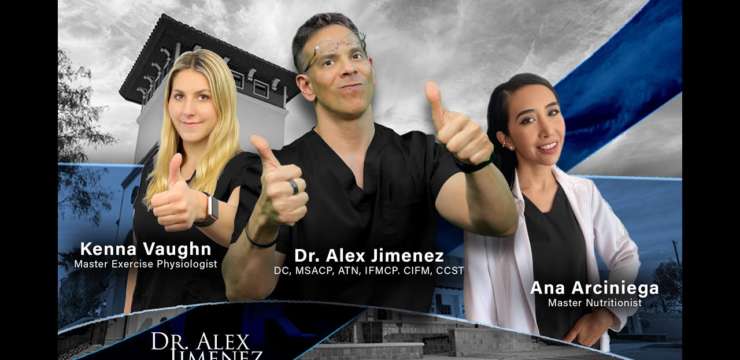
At Injury Medical Clinic PA, we are proud to announce a significant evolution in our patient care model. Our team has welcomed Dr. Maria Guadalupe Cardenas, MD, a highly respected internist with over 40 years of experience, board-certified in Internal Medicine (Texas MD License #J2933, NPI #1164426749). Dr. Cardenas serves as our Medical Director and Collaborative Physician, providing essential medical oversight and enriching our multidisciplinary approach.

This collaboration allows us to merge my expertise in chiropractic care, functional medicine, and rehabilitation with Dr. Cardenas’s extensive background in internal medicine. Together, we offer a comprehensive framework for treating a wide range of conditions, from personal injuries to chronic degenerative diseases. Our integrated services include:
- Integrative Chiropractic Care: Focused on restoring spinal alignment, nervous system function, and biomechanical integrity.
- Medical Oversight: Led by Dr. Cardenas to ensure comprehensive diagnostics, patient safety, and management of systemic health issues.
- Functional Medicine: Investigating the root causes of disease and dysfunction through a systems-biology approach.
- Orthobiologics & Regenerative Medicine: Utilizing advanced therapies like those discussed in this post.
- Personal Injury & Rehabilitation: Offering specialized care protocols for accident-related injuries, helping patients regain function and quality of life.
This model ensures that our patients receive a full spectrum of care under one roof, where chiropractic adjustments can support the body’s structural framework. At the same time, medical and regenerative therapies address physiological and cellular health. This is a synergistic approach that supports optimal patient outcomes.
Why Adipose Tissue? The Untapped Reservoir of Regenerative Potential
As we dive into the world of orthobiologics, a common question arises: among all the available tissues in the body, why turn our attention to fat? While we’ve long discussed treatments like Platelet-Rich Plasma (PRP) and bone marrow aspirate, adipose tissue presents several compelling advantages that are shifting the landscape of regenerative medicine. The initial idea of using fat might seem unconventional, but the scientific reasoning is sound and powerful.
The Cellular Advantage of Adipose Tissue
Interest in adipose tissue stems from a key observation: fat contains the highest concentration of Mesenchymal Stem Cells (MSCs) among body tissues, including bone marrow. These MSCs are the orchestrators of repair and regeneration, and having a rich source is the first critical step.
Here are three fundamental reasons why adipose tissue has become a cornerstone of modern orthobiologics:
- Abundant Cellular Reserve: As mentioned, fat is the body’s most densely packed reservoir of the very cells we seek for healing.
- A Plentiful and Non-Essential Source: Many of us, particularly in the U.S., have a small amount of adipose tissue we are willing to part with. This makes it an accessible and ethically straightforward source for autologous (meaning, from your own body) therapies.
- Stability with Age: This is perhaps the most significant differentiator. As we age, the concentration and viability of MSCs in our bone marrow decline sharply, especially after the age of 45, becoming nearly obsolete by our sixties. In stark contrast, the regenerative cells within our adipose tissue do not significantly degrade with age. This means that whether a patient is 30 or 70, their fat remains a potent and reliable source for orthobiologic treatments, which is crucial for treating conditions like osteoarthritis, which is more prevalent in older populations.
It is this combination of abundance, accessibility, and age-independent potency that has fueled the global enthusiasm for adipose-derived therapies.
Harvesting and Processing: From Fat to Bioactive Tissue
The process of obtaining and preparing adipose tissue is more invasive than a simple blood draw for PRP, which is a consideration for both clinicians and patients. However, the techniques have been refined to be remarkably safe and effective.
The Liposuction Technique: A Safe and Standardized Procedure
The most common method for harvesting adipose tissue is mini-liposuction, typically performed from the abdomen. While this might sound intimidating, especially for non-surgeons, it follows a well-established and safe protocol.
- Tumescent Anesthesia: The procedure begins by infusing a sterile saline solution containing a local anesthetic (such as lidocaine) and a vasoconstrictor (such as epinephrine) into the subcutaneous fat layer. This “tumesces” the area, making it firm and numb and minimizing bleeding.
- Aspiration: A specialized, blunt-tipped cannula is inserted through a tiny incision. The key to safety is tactile feedback; the practitioner’s hand is always on the skin’s surface, feeling the cannula’s position to ensure it remains in the superficial fat layer. The fascia and omentum (protective layers over the intestines) provide a strong natural barrier, making deep penetration nearly impossible with the correct technique.
While the procedure is safe, there are critical anatomical landmarks to respect:
- Avoid the Umbilicus (Belly Button): The tissue here is fibrous and lacks a protective barrier, which can lead to unnecessary bruising and pain.
- Be Cautious Around C-Section Scars: Scar tissue has increased vascularity, and working in this area can cause bleeding.
- The No-Go Zone: The Buttocks: This area is extremely risky due to the superficial location of the gluteal artery. Accidental puncture can lead to catastrophic complications. Harvesting should be limited to the flanks (“love handles”) and abdomen, staying anterior to the coronal plane.
For surgeons performing intra-articular procedures, another option is to harvest from the infrapatellar fat pad within the knee itself. Since this tissue is already part of the joint (homologous), it presents a unique opportunity, though it requires meticulous cauterization to prevent bleeding within the joint.
Transforming Fat into a Biologic: The Crucial Processing Step
It is vital to understand a core principle: raw, unprocessed fat has no inherent orthobiologic benefit. It must be processed to dissociate it from its native oily state and unlock its therapeutic potential. This processing stage is what transforms it from simple tissue into a bioactive substance.
Legal and Effective Processing in the United States
In the U.S., the FDA has clear guidelines. We are permitted to mechanically process adipose tissue, such as breaking it down into smaller clusters. However, we are prohibited from using enzymes (such as collagenase) to digest the tissue into a single-cell suspension or from culturing (growing) these cells in a lab for clinical use outside of approved trials.
Fortunately, research shows that mechanical processing is not only compliant but also highly effective. Two common methods are:
- Filtration Systems: FDA-approved closed systems, like LipoGems, use filters and mechanical agitation (e.g., steel balls) to wash, resize, and micronize the harvested fat. This process breaks the tissue into tiny, biologically active fragments while washing away undesirable components such as blood and inflammatory debris. This is not cell therapy in the legal sense; it is the transfer of processed autologous tissue containing a rich population of regenerative cells within its structural matrix.
- Microfragmentation: Another technique involves passing the fat through a series of progressively smaller apertures. This mechanically breaks apart the tissue into a fine emulsion. The resulting product can be centrifuged to separate the potent cellular fraction from the lipids, yielding a concentrated, bioactive material ready for injection.
Interestingly, studies suggest that these mechanical methods may be superior to enzymatic digestion. The use of enzymes can “injure” the cells, rendering them quiescent or less active. In contrast, mechanical processing preserves the cells’ vitality, keeping them primed for their regenerative tasks.
Building a Stronger Body = Better Life-Video
The Science of Healing: How Micronized Adipose Tissue Works
So, you’ve gone through the effort of harvesting and processing the fat. What does it actually do? The biological mechanisms are profound and backed by compelling data, establishing this therapy as one of the most powerful anti-inflammatory treatments available in orthobiologics.
A Potent Anti-Inflammatory Cascade
One landmark discovery is the ability of micronized adipose tissue to block inflammation before it even starts. In laboratory studies, researchers induced a massive inflammatory response in tendon cells using lipopolysaccharide (LPS), a component of bacterial walls. Inflammation skyrocketed. However, when they introduced micronized adipose tissue alongside LPS, the inflammatory cascade was completely halted.
But what is the secret ingredient? Further research has revealed that adipose-derived tissue is incredibly rich in Interleukin-1 Receptor Antagonist (IL-1Ra). We’ve discussed IL-1Ra before as a key anti-inflammatory protein that can be concentrated from blood. However, the levels found in processed adipose tissue are exceptionally high. IL-1Ra works by binding to the receptors for Interleukin-1 beta (IL-1?), a primary driver of inflammation and cartilage breakdown in osteoarthritis. By blocking IL-1?, the adipose tissue creates a highly pro-anabolic (pro-healing) and anti-catabolic (anti-breakdown) environment.
Clinical data echoes these laboratory findings. A systematic review of numerous studies shows a uniform, significant decrease in pain across patients treated with adipose-derived therapies. The evidence consistently points in one direction: it works.
A fascinating head-to-head study compared a single injection of micronized adipose tissue against multiple injections of PRP combined with hyaluronic acid (HA)—a combination often considered the gold standard in non-operative PRP therapy. The results were clear: the single dose of micronized fat outperformed repeated PRP/HA injections, with significantly greater pain relief and functional improvement at both six months and one year. This demonstrates the profound efficiency and durability of adipose-derived therapy.
The Next Frontier: Cartilage Restoration and the Future of Cellular Medicine
While the therapies currently available in the U.S. excel at managing symptoms like pain and inflammation, the ultimate goal—the “holy grail” of orthopedics—is true cartilage restoration. This is where the future of cellular medicine is headed, and the early data is incredibly exciting. However, it involves techniques not yet widely available for general use in the U.S.
These advanced procedures, primarily researched in Australia, Korea, and China, involve a multi-step process:
- Optimizing the Joint Environment: This may involve arthroscopic surgery to debride damaged tissue and stabilize the joint.
- Preparing the Foundation: A technique called microfracture or abrasion arthroplasty is used to remove the calcified cartilage layer, creating a vascularized bed that can support new tissue growth.
- Dosing Cultured Cells: This is the key difference. Adipose-derived MSCs are harvested, isolated, and then expanded in a laboratory to achieve a specific therapeutic dose, often between 15 and 50 million cells. These cultured cells are then implanted into the prepared defect.
Level-one randomized controlled trials worldwide have demonstrated that this process can lead to a reproducible increase in cartilage volume and thickness. MRI scans from these studies provide proof of concept, showing joints with bone-on-bone osteoarthritis regenerating a visible layer of new cartilage over time.
It is crucial to differentiate: this is not the same as the micronized fat injections we discussed earlier. This is true cellular therapy using cultured, expanded cells. While currently restricted in the U.S., FDA-approved trials are underway, including at institutions like the Mayo Clinic. “Right to Try” laws are also creating pathways for some patients to access these therapies. We can expect conversations around this to become more mainstream in the coming years as regulations evolve.
The data also suggests that autologous (your own) cells tend to perform better than allogeneic (donor) cells, reinforcing the value of using the patient’s own tissue.
Concluding Thoughts: A Powerful Tool for Today and a Promise for Tomorrow
The journey into adipose-derived biologics reveals a therapy that is both powerful for today’s clinical challenges and a gateway to the future of regenerative medicine.
Here are the key takeaways:
- For Today: Micronized adipose tissue is a legally available, safe, and profoundly effective therapy for reducing pain and inflammation associated with osteoarthritis and other degenerative conditions. Its anti-inflammatory power, driven by high concentrations of IL-1Ra, often surpasses that of other orthobiologics.
- For Tomorrow: The future lies in cultured, dose-specific cellular therapy, which holds the potential for true disease modification and cartilage regeneration. While still emerging in the U.S., the global evidence is strong and promising.
As a practitioner committed to delivering the most advanced, evidence-based care, I believe we should have these conversations now. As you become more comfortable in the orthobiologic space, exploring adipose-derived therapies may be a worthwhile step for your practice and your patients. The science is compelling, the clinical results are significant, and the potential to change lives is undeniable. Thank you.
References
(Note: Specific articles were discussed but not fully cited in the original transcript. The following are representative APA-7 style citations for the concepts presented.)
- Bora, P., & Majumdar, A. S. (2017). Adipose tissue-derived stromal vascular fraction in regenerative medicine: A brief review on biology and translation. Stem Cell Research & Therapy, 8(1), 145. doi.org/10.1186/s13287-017-0598-6
- Fodor, P. B. (2022). Commentary on: Buttock Fat Grafting: A Changing Reality. Aesthetic Surgery Journal, 42(1), 74–76. doi.org/10.1093/asj/sjab353
- Hudetz, D., Bori?, I., Rod, E., Jele?, Ž., Vrdoljak, T., Pediši?, Ž., & Radi?, A. (2017). The effect of a single intra-articular injection of autologous microfragmented adipose tissue on pain, knee function, and chondral defects in patients with knee osteoarthritis: a 1-year follow-up. Croatian Medical Journal, 58(5), 337–346. doi.org/10.3325/cmj.2017.58.337
- Pers, Y. M., Rackwitz, L., Ferreira, R., Pullig, O., Delfour, C., F., B., & Jorgensen, C. (2016). Adipose Mesenchymal Stromal Cell-Based Therapy for Remodeling Cartilage in Osteoarthritis. Trends in Molecular Medicine, 22(6), 504- 517. doi.org/10.1016/j.molmed.2016.04.009
- Striano, R. D., Chen, H., Bilbool, N., S., K., D., C., & V. (2021). A Patient-Sponsored, Investigational New Drug Study of Autologous Adipose-Derived Stromal Vascular Fraction for the Treatment of Knee Osteoarthritis. The American Journal of Sports Medicine, 49(12), 3326-3335. doi.org/10.1177/03635465211033285
SEO Tags: adipose-derived tissue, orthobiologics, regenerative medicine, stem cell therapy, osteoarthritis treatment, micronized fat, Dr. Alex Jimenez, integrative chiropractic care, Dr. Maria Guadalupe Cardenas, cartilage restoration, pain management, anti-inflammatory therapy, LipoGems, functional medicine, personal injury El Paso, evidence-based medicine, autologous therapy, mesenchymal stem cells, MSCs
What's your reaction?