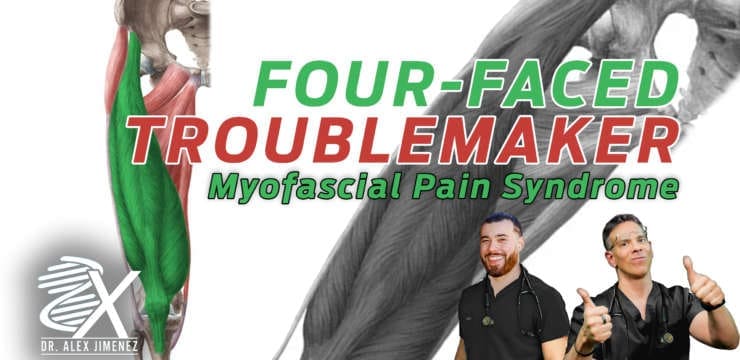
A pinched nerve in the hip can cause numbness, tingliness, weakness, and pain. A pinched/compressed nerve creates pressure that can result from a bone structural issue like hip misalignment or the nerve getting overly stretched, stuck, twisted, or kinked. The pressure obstructs the neural pathways and decreases neural activity. This causes pain. If discomfort or pain is present, chiropractic, physical rehabilitation, rest, exercise, and ice and heat can release and reset the nerve and help prevent re-injury.
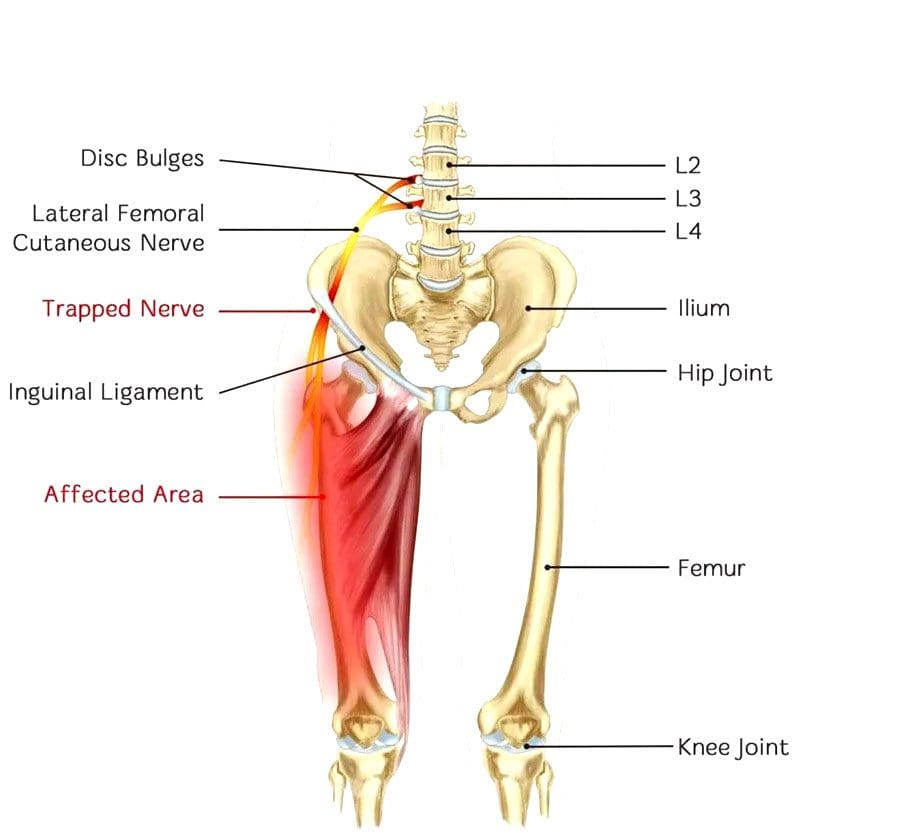
Table of Contents
Pinched Nerve In The Hip
A pinched or compressed nerve results from pressure being applied to the nerve. A pinched nerve in the hip often causes pain in the groin region, radiating down the inner thigh to the knee. The pain can feel like a dull ache or a sharp, burning pain. Individuals also report tightness, numbness, or a tingling sensation in the buttocks. The most common causes include:
- Unhealthy posture.
- Sitting for too long without moving around.
- Misaligned bone or cartilage.
- Muscle strain.
- Pregnancy.
- Obesity.
- Inflamed tissue.
- Herniated disc.
- Arthritis.
- Bone spurs.
Chiropractic
Different causes require different treatment approaches. For example, an obese individual could require chiropractic adjustments, specific exercises/stretches, and diet adjustments to address the whole body. The recommended treatment plans can vary but usually include:
- Physical therapeutic massage.
- Manipulative therapies of the joints and muscles.
- Mobilization of the joints.
- Soft tissue treatments.
- Spinal decompression.
- Exercise.
Walking and activity can worsen the pain when the hip presents with pain. This can cause the rest of the body to compensate by shifting the weight to the healthy side, which can cause even more pain in the back or legs or cause another injury. Regular chiropractic hip adjustments will improve posture, maintaining muscle and skeleton alignment that will prevent pinching nerves in the hip.
Chiropractic Hip Treatment
References
Ahuja, Vanita, et al. “Chronic hip pain in adults: Current knowledge and future prospective.” Journal of anaesthesiology, clinical pharmacology vol. 36,4 (2020): 450-457. doi:10.4103/joacp.JOACP_170_19
Christmas, Colleen, et al. “How common is hip pain among older adults? Results from the Third National Health and Nutrition Examination Survey.” The Journal of family practice vol. 51,4 (2002): 345-8.
“Free Communications: Case Reports: Hip.” Journal of Athletic Training vol. 38,2 Suppl (2003): S.73–S.74.
What's your reaction?