Can individuals dealing with neck and back pain find the relief they need from the effects of spinal decompression therapy? Introduction Across the world, many…
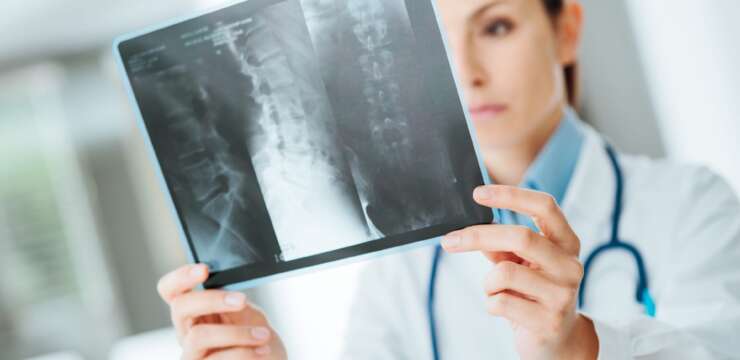

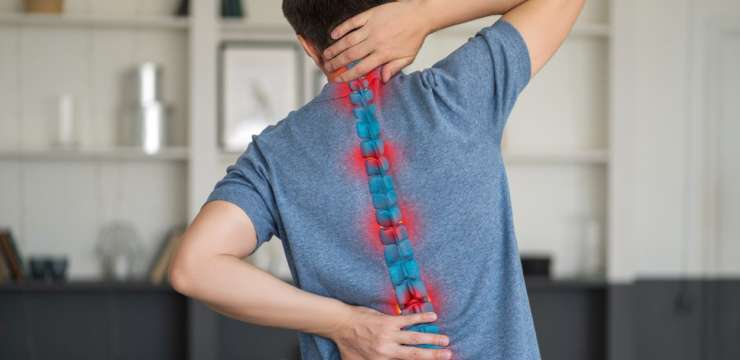
The spinal column, also known as the backbone, is a strong, flexible structure. It holds the weight of the head and torso. It allows movement in many directions. If it were a straight, inflexible rod, it would make humans walk like robots. However, that is not the case. The spine is flexible (moved and supported by muscles), which enables the ability to twist, hit a golf ball and bend. The spinal column surrounds your spinal cord like conduit around an electric cord. It protects the spinal cord, which can be thought of as a bundle of nerves running from the brain, through the spinal column and branching out to the rest of the body. The spine consists of three natural curves; the neck curvature or cervical spine, the upper back curvature or thoracic spine, and the lower back curvature or lumbar spine, all which make a slight “S” shape when viewed from the side. The spine is an essential structure because it helps support the upright posture of humans as well as provide the body with flexibility to move and protect the spinal cord. Spinal health is important in order to ensure the body is functioning to its fullest capacity. Not only is health coaching utilized to ensure your body is getting the proper nutrients, but it also provides you with strengthing activities to help with posture and protecting the spine. Dr. Alex Jimenez strongly indicates across his collection of articles on spine care, how to properly support a healthy spine.
Can individuals dealing with neck and back pain find the relief they need from the effects of spinal decompression therapy? Introduction Across the world, many…
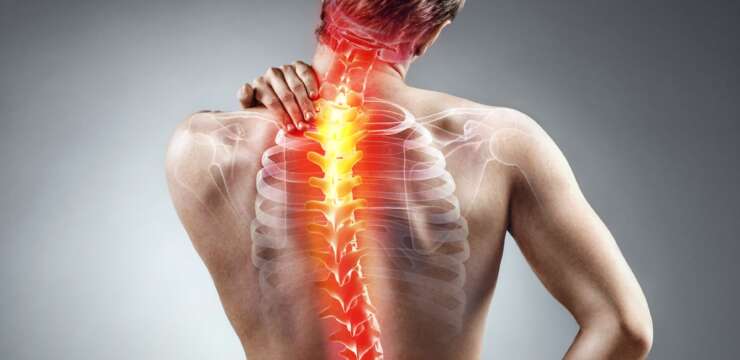
Can individuals incorporate decompression to reduce spinal disc pressure on their lower backs to restore their quality of life? Introduction The spine has a wonderful…

Can individuals with herniated pain associated with low back pain find relief through spinal decompression to restore mobility? Introduction Many people worldwide have experienced pain…

“For individuals trying to maintain a healthy spine, can understanding the causes and prevention of rotated vertebrae help protect the spine from harmful rotation of…

“For individuals experiencing tightness in the lower back and hamstrings, can utilizing the sit and reach test help determine an individual’s risk for future pain…

“Individuals with neck and shoulder pain may experience tightened lumps or knots in and around the muscles where the neck and shoulder meet. Can using…

For individuals with back pain, how can health practitioners incorporate non-surgical solutions to reduce spinal pain? Introduction The spine is one of the most important…

“Facet hypertrophy is an incurable, chronic disease that affects the facet joints in the spine. Can recognizing symptoms help in diagnosis and treatment?” Facet Hypertrophy…

“Individuals who have gone through recent low back surgery, like a lumbar laminectomy and discectomy, could they benefit from physical therapy for full recovery? (Johns…

“Various problems with the sacrum make up or contribute to a significant portion of lower back problems. Can understanding the anatomy and function help prevent…

Can various therapeutic options provide relief for individuals with upper crossed syndrome to restore muscle strength? Introduction Many individuals often suffer neck and shoulder pain…

“Ankylosing spondylitis is inflammatory arthritis that causes changes in posture that occur over time. Can exercise and maintaining spinal alignment help improve posture problems?” Ankylosing…
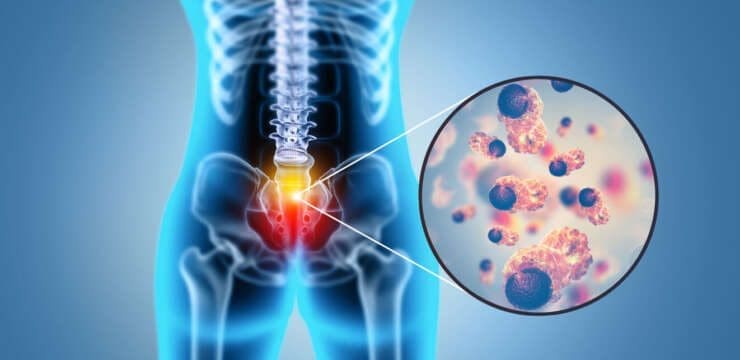
How can spinal decompression reduce pain while restoring spinal flexibility in many individuals with lumbar degenerative disorders? Introduction As we naturally age, so do our…
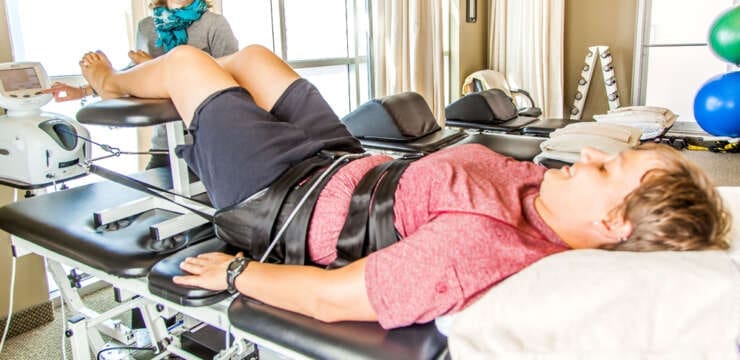
Can healthcare professionals help individuals with spinal pain by incorporating non-surgical spinal decompression to restore mobility? Introduction Many individuals don’t realize that putting unwanted pressure…

“Back problems and discomfort symptoms are a common ailment that many types of healthcare providers diagnose and treat it. Can knowing a little about what…

“Individuals with fixed sagittal imbalance, a condition where the normal curve of the lower spine is greatly reduced or absent altogether that can cause pain…
In individuals with herniated discs, how does non-surgical decompression compare to traditional surgery repair the spine? Introduction When many individuals begin to add unnecessary pressure…