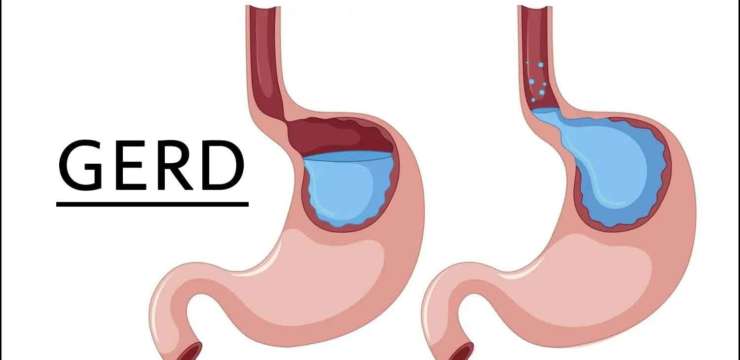
The central nervous system – CNS controls body and mind functions, voluntary movements, including walking, and involuntary movements, specifically the breakdown of foods and waste removal. Studies have found associations between spinal problems and gastrointestinal-GI tract/stomach issues that include:
- Abdominal pain
- Constipation
- Difficulty controlling bowel movements
- Diarrhea
- Nausea
- Vomiting
Treating the underlying cause through chiropractic, non-surgical spinal decompression, and health coaching can relieve pain, realign/heal the spine, and alleviate stomach issues.
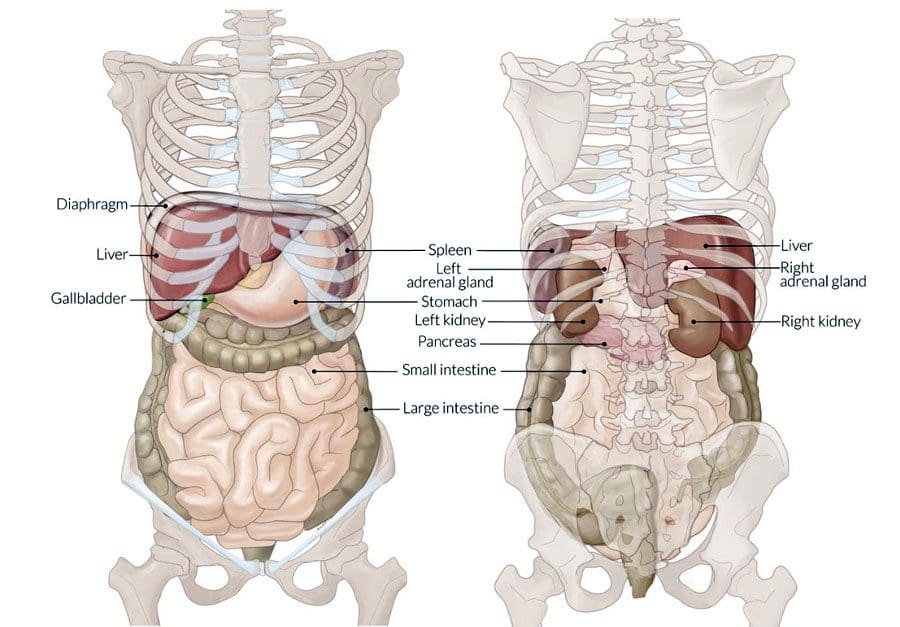
Table of Contents
Spinal Problems and Stomach Issues
The spinal cord sends nerve signals throughout the body, including to and from the digestive system. Two types of nerves, extrinsic and intrinsic, control the digestive system.
Extrinsic nerves
- Connect the digestive organs with the brain and spinal cord.
- Release chemicals that contract or relax the digestive system muscles.
Intrinsic nerves
- It is a sub-nervous system of the intestinal tract.
- The nerves activate when the walls of the intestines become filled with food.
- They control the production of digestive juices.
- The nerves relay signals to speed up or slow the food’s movement through the gut.
The intrinsic system can function independently without communication from the extrinsic nerves. However, the stomach and esophagus/food pipe depend on information from the extrinsic nerves. Injury, damage, or interference with the extrinsic nerve supply to the stomach can lead to stomach issues. Spinal cord injuries and compressed or herniated discs interrupt the communication between nerves/systems, which can lead to digestive and bowel problems, including:
- Feeling full quickly after eating.
- Stomach pain
- Constipation
- Decreased appetite
- Difficulty moving waste through the colon or large intestine
- Hard stools
- Tenesmus is the sensation/feeling of having to have a bowel movement even though there is none.
Herniated Discs
Herniated disc/s usually occur in the neck or lower back spinal area. Symptoms include:
- Neck pain
- Back pain
- Pain spreads from the lower back through the buttocks, legs, and feet.
- Pain spreads from the neck through the shoulders, arms, and hands.
- Muscle weakness
- Muscle spasms
- Tingling or burning sensations
- Numbness
Chiropractic Spinal Decompression
Chiropractic decompression therapy stretches the spine and manipulates its position to take pressure off the nerves and spinal discs. The decompression process creates negative pressure in the discs that retract herniated or bulging discs, allowing oxygen, water, and other healing nutrients to enter the disc and throughout the spine. The spinal decompression will help alleviate stomach issues. A consultation from a health coach or nutritionist will recommend a diet that will aid in the disc/s healing, which is anti-inflammatory and easily digestible until the stomach problems are fully resolved.
DRX Patient Testimonials
References
Browning, Kirsteen N, and R Alberto Travagli. “Central nervous system control of gastrointestinal motility and secretion and modulation of gastrointestinal functions.” Comprehensive Physiology vol. 4,4 (2014): 1339-68. doi:10.1002/cphy.c130055
Holmes, Gregory M, and Emily N Blanke. “Gastrointestinal dysfunction after spinal cord injury.” Experimental Neurology vol. 320 (2019): 113009. doi:10.1016/j.expneurol.2019.113009
Lara, F J Pérez, et al. “Thoracic disk herniation, a not infrequent cause of chronic abdominal pain.” International surgery vol. 97,1 (2012): 27-33. doi:10.9738/CC98.1
Papadakos, Nikolaos, et al. “Thoracic disc prolapse presenting with abdominal pain: case report and review of the literature.” Annals of the Royal College of Surgeons of England vol. 91,5 (2009): W4-6. doi:10.1308/147870809X401038
What's your reaction?