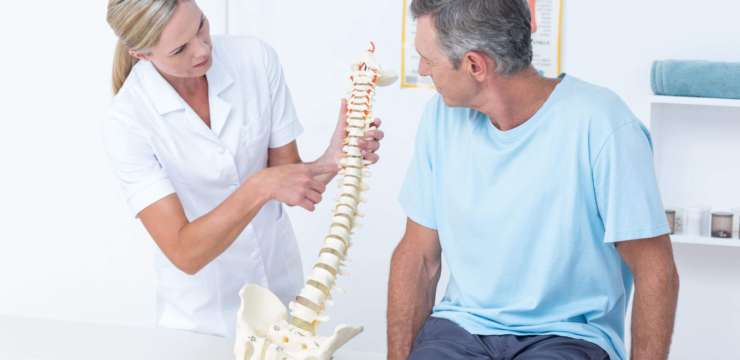
PRP therapy for knee osteoarthritis may be the solution you are looking for to enhance your knee joint health and function.
Table of Contents
Abstract
Osteoarthritis (OA) of the knee is a prevalent and often debilitating condition, causing pain, stiffness, and a significant reduction in quality of life for millions. While traditional treatments like corticosteroid injections and hyaluronic acid have provided temporary relief, the quest for more durable and restorative solutions is ongoing. This educational post explores the promising world of orthobiologics, with a focus on Platelet-Rich Plasma (PRP) as a powerful, evidence-based modality for managing symptomatic knee OA. As a clinician with a background spanning chiropractic, advanced practice nursing, and functional medicine, I will share the latest findings from leading researchers, explain the underlying physiological mechanisms of PRP’s effectiveness, and detail how it can serve as a cornerstone of a comprehensive, integrative treatment plan. We will journey into the cellular world of platelets, growth factors, and signaling molecules to understand how PRP not only alleviates symptoms but also shows potential for being chondroprotective—actively preserving cartilage. This post will also illuminate how integrative chiropractic care, focusing on biomechanics, neuromuscular re-education, and systemic health, synergizes with PRP to optimize patient outcomes and promote long-term joint health.
The Limitations of Traditional Knee Osteoarthritis Treatments
For years, the standard approach to managing the pain of knee osteoarthritis has relied on a few key interventions. Many of my patients come to the clinic having already tried these options, often with mixed or diminishing results.
- Corticosteroid Injections: These have long been the go-to for rapid relief of pain and inflammation. Corticosteroids are potent anti-inflammatory agents that can quickly calm an angry, swollen joint. However, their effects are often short-lived, lasting from a few weeks to a few months. More concerning is the growing body of evidence suggesting that repeated corticosteroid injections may have a detrimental effect on cartilage health over the long term, potentially accelerating the very degeneration we are trying to manage.
- Hyaluronic Acid (HA) Injections: Also known as “viscosupplementation,” this therapy involves injecting a gel-like substance into the knee. The goal is to supplement the joint’s natural synovial fluid, providing lubrication and shock absorption. While beneficial for some patients, the results can be inconsistent, and like corticosteroids, the relief is temporary. HA does not fundamentally alter the degenerative disease process.
While these treatments have a place, they primarily manage symptoms. They do not address the underlying biological environment within the arthritic joint. This is where the paradigm is shifting, moving from simple symptom management to actively modulating the joint’s biology for healing and preservation.
The Orthobiologic Revolution: Introducing Platelet-Rich Plasma (PRP)
This shift brings us to the exciting and rapidly advancing field of orthobiologics, which uses the body’s own substances to heal musculoskeletal tissues. At the forefront of this revolution for knee OA is Platelet-Rich Plasma (PRP). From my clinical experience, I find that, particularly in my patients with symptomatic knee osteoarthritis, PRP has become a very effective and reliable option.
So, what exactly is PRP? It begins with a simple blood draw from you, the patient—the same as you would have for a routine lab test. This blood is then placed in a specialized centrifuge, a machine that spins at high speeds. This process separates the blood into its different components based on their density:
- Red Blood Cells: The heaviest component, which settles at the bottom.
- Platelet-Poor Plasma (PPP): The lightest component, which rises to the top.
- The “Buffy Coat”: A thin middle layer that contains a highly concentrated mixture of platelets and white blood cells.
This “buffy coat” layer, combined with a small amount of plasma, is the Platelet-Rich Plasma. We are essentially isolating and concentrating the body’s primary healing agents. This concentrated PRP, which can contain 5 to 10 times the number of platelets found in normal circulating blood, is then carefully injected back into the knee joint under precise guidance.
The Deep Physiology: How PRP Works at a Cellular Level
To truly appreciate why PRP is so effective, we need to look beyond the needle and into the complex cellular and molecular symphony it orchestrates within the joint. It is not just a “cushion” or a simple “painkiller”; it is a biological signal for repair and rebalancing.
The Power of the Platelet and Its Growth Factors
Platelets are small, disc-shaped cell fragments in our blood, best known for their role in clotting. When you get a cut, platelets rush to the site, clump together, and form a plug to stop the bleeding. But this is just the beginning of their job. Once activated, platelets release hundreds of bioactive proteins stored within tiny granules. These proteins include critical growth factors and cytokines—powerful signaling molecules that direct the healing process.
When we inject PRP into an osteoarthritic knee, we are delivering a super-concentrated dose of these healing directors. Key growth factors released by platelets include:
- Platelet-Derived Growth Factor (PDGF): A potent stimulant for cell growth, replication, and the formation of new blood vessels (angiogenesis), which is crucial for bringing nutrients to the damaged area.
- Transforming Growth Factor-Beta (TGF-?): This is a master regulator. It plays a key role in stimulating the production of new extracellular matrix components, such as collagen, the primary structural protein of cartilage. It also has complex anti-inflammatory effects.
- Vascular Endothelial Growth Factor (VEGF): As its name suggests, it is a primary driver of new blood vessel formation, ensuring that healing tissue has a robust blood supply.
- Fibroblast Growth Factor (FGF): Stimulates the proliferation of various cells, including chondrocytes (cartilage cells) and synovial cells.
- Insulin-like Growth Factor (IGF-1): A critical anabolic (building) hormone that promotes the synthesis of cartilage matrix proteins.
Rebalancing the Joint’s Inflammatory Environment
An osteoarthritic joint is not just “worn out”; it is in a state of chronic, low-grade inflammation. Pro-inflammatory cytokines such as Interleukin-1 (IL-1) and Tumor Necrosis Factor-alpha (TNF-?) are overproduced in the joint. These molecules actively promote cartilage breakdown by signaling chondrocytes to produce enzymes called matrix metalloproteinases (MMPs), which literally chew up the cartilage matrix.
PRP intervenes in this destructive cycle. The cytokines released by platelets are not all pro-inflammatory. Many have powerful anti-inflammatory and immunomodulatory properties. They work to counteract the effects of IL-1 and TNF-?, effectively “cooling down” the joint’s inflammatory environment. By shifting the balance away from a catabolic (breakdown) state and toward an anabolic (building) state, PRP creates a more favorable environment for cartilage preservation and repair.
Emerging Evidence: PRP as a Chondroprotective Agent
The initial promise of PRP was in its ability to reduce pain and improve function, which it does very well. Emerging research in the orthobiologic realm confirms that PRP is a highly effective modality for our patients. In head-to-head clinical trials, high-quality PRP has consistently been shown to be superior to both corticosteroid and hyaluronic acid injections for providing sustained symptom relief.
But the most exciting frontier is the emerging literature suggesting that PRP may do more than manage symptoms—it may be chondroprotective. This could slow, halt, or modestly reverse the degenerative process itself. Laboratory studies have shown that exposing arthritic cartilage cells to PRP can:
- Increase the proliferation of chondrocytes.
- Stimulate the synthesis of new Type II collagen and proteoglycans, the key building blocks of healthy cartilage.
- Inhibit the catabolic effects of inflammatory cytokines.
While we are not yet at the stage of regrowing large amounts of new cartilage in humans, the evidence strongly suggests that PRP helps preserve the remaining cartilage. As we move forward with our research on knee OA, it’s clear that PRP will play a significant role, especially given the quality of the data and evidence we’re seeing, which will help our patients in the future.
Knee Injury Rehabilitation Story- Video
The Synergy of Integrative Chiropractic Care with PRP Therapy
As a practitioner who integrates chiropractic care with functional and regenerative medicine, I have observed that PRP therapy is most effective when it is part of a comprehensive, multimodal treatment plan. A PRP injection is a powerful biological intervention, but it doesn’t exist in a vacuum. The long-term success of the treatment depends heavily on addressing the underlying biomechanical and systemic factors that contributed to the osteoarthritis in the first place. This is where integrative chiropractic care becomes an essential partner to PRP.
Restoring Proper Biomechanics
Faulty joint mechanics often accelerates osteoarthritis. Misalignments in the spine, pelvis, hips, or ankles can create abnormal loading patterns on the knee. For example, a pelvic tilt or a dropped foot arch can cause uneven force distribution across the knee joint, placing excessive stress on one compartment (usually the medial, or inner, compartment). This constant, imbalanced stress grinds down cartilage over time.
Our approach uses specific chiropractic adjustments and mobilizations to:
- Correct Spinal and Pelvic Alignment: Ensuring the kinetic chain’s foundation is balanced.
- Improve Hip and Ankle Mobility: Unlocking stiff joints upstream and downstream from the knee allows for more natural movement and force absorption.
- Optimize Knee Tracking: Addressing patellofemoral (kneecap) alignment to reduce stress on the joint surfaces.
By restoring proper biomechanics, we ensure that the healing environment created by the PRP injection is not immediately compromised by the same dysfunctional forces that caused the problem. This protects the investment in your joint’s health.
Neuromuscular Re-education and Functional Rehabilitation
Pain and joint damage lead to faulty movement patterns. The body, in its attempt to protect the painful knee, develops compensatory strategies. Muscles like the quadriceps can become inhibited and weak (arthrogenic muscle inhibition), while others, like the hamstrings or hip adductors, can become tight and overactive.
Our rehabilitation protocols focus on:
- Strengthening Key Stabilizers: Targeting the vastus medialis oblique (VMO) muscle of the quadriceps and the gluteal muscles is critical for providing dynamic stability to the knee.
- Stretching Tight Musculature: Releasing tension in the hamstrings, iliotibial (IT) band, and calf muscles to restore balanced muscle pull across the joint.
- Proprioceptive Training: Using balance exercises to retrain the nerves in the joint to sense their position in space, which improves coordination and prevents re-injury.
This functional rehabilitation is not just “exercise.” It is a targeted re-education of the entire neuromuscular system, ensuring the knee can move and bear load efficiently and safely long after the PRP has been administered.
Addressing Systemic Inflammation
Finally, functional medicine teaches us to look at the whole person. Chronic systemic inflammation, driven by factors such as a poor diet, gut dysbiosis, chronic stress, or poor sleep, can fuel joint inflammation. As part of a truly integrative plan, we work with patients to:
- Implement an Anti-Inflammatory Diet: Rich in omega-3 fatty acids, antioxidants, and phytonutrients to reduce inflammation systemically.
- Optimize Gut Health: The gut is a major regulator of the immune system. Healing a “leaky gut” can significantly lower the body’s overall inflammatory burden.
- Manage Stress and Improve Sleep: High cortisol levels from chronic stress and poor sleep are profoundly pro-inflammatory.
By lowering systemic inflammation, we create a body-wide environment conducive to healing, thereby supporting the local anti-inflammatory and regenerative effects of PRP in the knee.
Conclusion: A New Era in Knee Care
Platelet-Rich Plasma represents a significant leap forward in the management of knee osteoarthritis. It moves beyond simple symptom suppression to actively engage the body’s innate healing intelligence. Based on robust, modern, evidence-based research, PRP offers a safe and effective way to reduce pain, improve function, and potentially protect the joint from further degeneration.
In my clinical practice, I have found that the greatest success comes from pairing this powerful orthobiologic therapy with a thoughtful, integrative approach to chiropractic and functional medicine. By addressing the root biomechanical, neuromuscular, and systemic factors contributing to the disease, we can create the optimal conditions for the PRP to work its magic. This comprehensive strategy doesn’t just treat a knee; it treats a whole person, paving the way for lasting relief and a return to an active, fulfilling life.
References
- Laudy, A. B. M., Bakker, E. W. P., Rekers, M., & Moen, M. H. (2015). Efficacy of platelet-rich plasma injections in osteoarthritis of the knee: a systematic review and meta-analysis. British Journal of Sports Medicine, 49(10), 657–672. doi.org/10.1136/bjsports-2014-094036
- Meheux, C. J., McCulloch, P. C., Lintner, D. M., Varner, K. E., & Harris, J. D. (2016). Efficacy of intra-articular platelet-rich plasma injections in knee osteoarthritis: A systematic review. Arthroscopy: The Journal of Arthroscopic & Related Surgery, 32(3), 495–505. doi.org/10.1016/j.arthro.2015.08.005
- Moussa, M., Lajeunesse, D., Hilal, G., El-Atat, O., Haykal, G., Serhal, R., Chalhoub, A., & Al-Haj, A. (2017). Platelet rich plasma (PRP) induces chondroprotection via increasing HGF, FGF-2, and PRG-4 secretion by synovial fibroblasts. Frontiers in Bioengineering and Biotechnology, 5, 60. doi.org/10.3389/fbioe.2017.00060
- Sánchez, M., Anitua, E., Ardanza, B., Padilla, S., & Orive, G. (2012). Platelet-rich plasma (PRP) for the treatment of knee osteoarthritis. Bio-Orthopaedics, 211-224. doi.org/10.1007/978-3-642-24854-3_17
SEO Tags: PRP, Platelet-Rich Plasma, Knee Osteoarthritis, Knee Pain, Regenerative Medicine, Orthobiologics, Chiropractic Care, Integrative Medicine, Functional Medicine, Chondroprotective, Knee Injections, Non-Surgical Treatment, Dr. Alex Jimenez, El Paso TX, Functional Rehabilitation, Biomechanics, Growth Factors
What's your reaction?