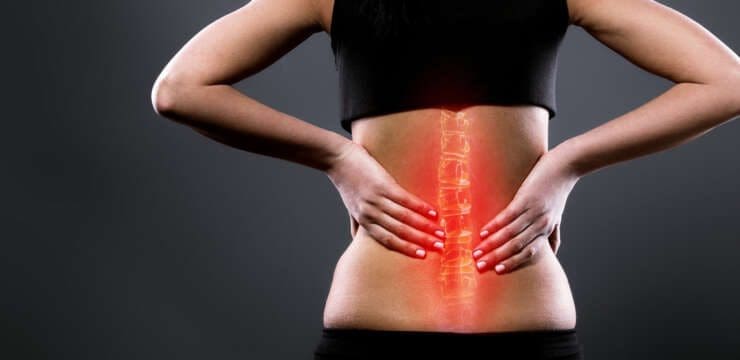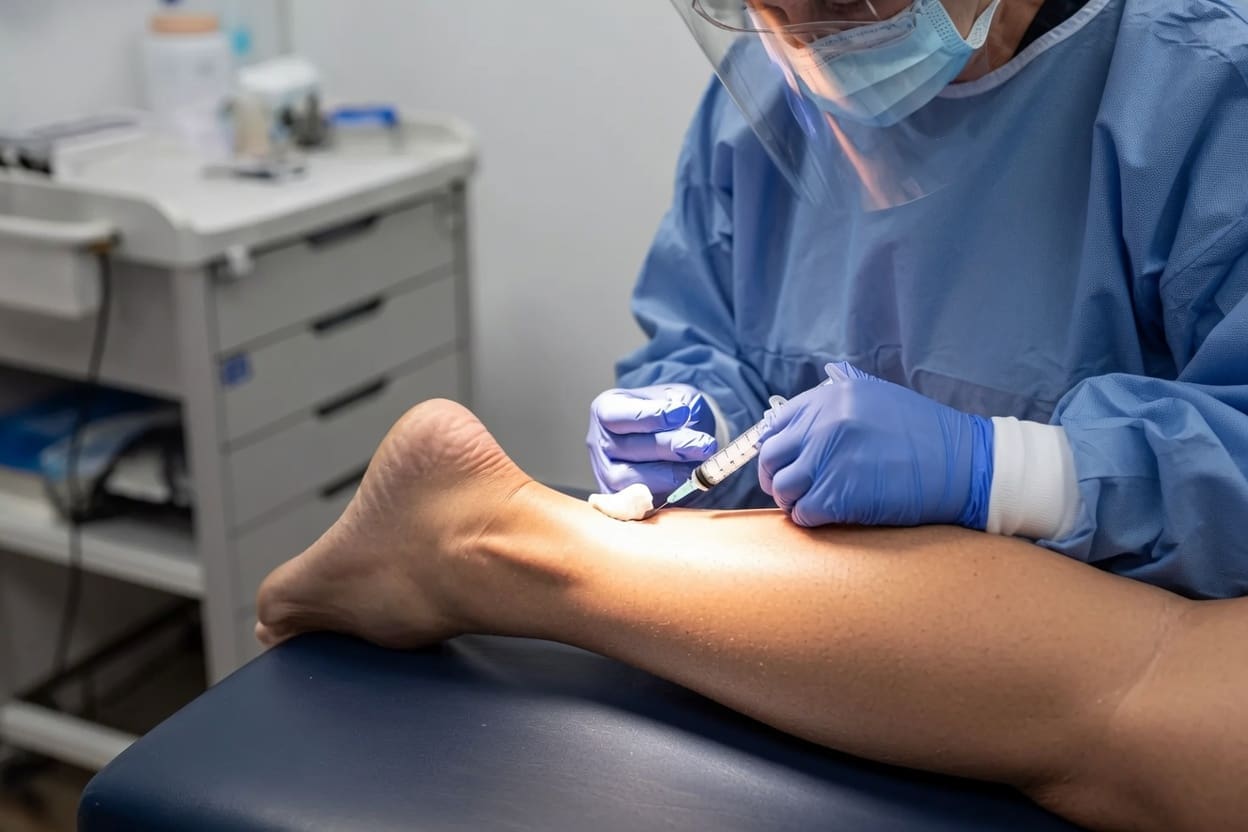
Understand the role of PRP therapy in addressing plantar fasciitis and Achilles tendon discomfort and boosting recovery.
Table of Contents
Abstract
For years, the standard approach to plantar fasciitis has focused on direct, often painful, interventions on the sole. However, emerging clinical evidence and a deeper understanding of biomechanics are shifting this paradigm. This post, authored by me, Dr. Alex Jimenez, DC, APRN, FNP-BC, CFMP, IFMCP, ATN, CCST, explores a revolutionary protocol for treating chronic plantar fasciitis by addressing its root cause: tendinosis of the Achilles tendon and the gastrocnemius-soleus complex. I will take you on a journey, detailing the physiological rationale behind this approach, the specific injection techniques involved, and the powerful synergy of integrating regenerative medicine with comprehensive chiropractic and functional medicine care. We will examine why direct injections into the plantar fascia often fail and can even create new trauma, and how, by redirecting our focus to the tight, dysfunctional musculature of the calf, we can provide the fascia with the opportunity it needs to heal. This comprehensive discussion draws upon years of clinical observation and the pioneering work of leading researchers, offering a robust, evidence-based alternative that has demonstrated remarkable success in our multidisciplinary practice. I will also explain how our unique clinical model at Injury Medical Clinic PA, which combines my expertise with the medical oversight of Dr. Maria Guadalupe Cardenas, MD, allows us to provide this advanced, integrative care safely and effectively.
Our Integrative Approach: The Power of Collaboration
At Injury Medical Clinic PA, we have built a practice on the principle of integrative care. We believe the most effective path to healing is one that brings together the best of multiple disciplines, tailored to each patient’s unique needs. This is a model I am deeply passionate about and one that is exemplified by my collaborative relationship with Dr. Maria Guadalupe Cardenas, MD.

Dr. Cardenas is a highly respected internist with over 40 years of experience. She is Board Certified in Internal Medicine and serves as our practice’s Medical Director and Collaborative Physician. Her extensive medical knowledge and diagnostic acumen provide an essential layer of oversight and depth to our patient care plans. This multidisciplinary setup is common in advanced injury and integrative care clinics, and for good reason. It allows us to merge the structural and biomechanical expertise of chiropractic care with the rigorous medical framework of internal medicine.
Here’s how our team integrates these disciplines to provide comprehensive care:
- Medical Oversight (Dr. Cardenas): Dr. Cardenas provides medical direction, oversees complex cases, and ensures that all treatments, especially procedural ones like the injections I will discuss, are medically sound and appropriate for the patient’s overall health status. Her role is crucial in managing systemic factors that can influence musculoskeletal health and in providing co-management for patients with comorbidities.
- Chiropractic & Functional Medicine (Dr. Jimenez): My role involves assessing and treating the biomechanical and neuromuscular aspects of an injury. Using chiropractic adjustments, I focus on restoring proper joint mechanics, particularly in the spine and extremities, which is fundamental to correcting the kinetic chain dysfunctions that often lead to conditions like plantar fasciitis. As a certified functional medicine practitioner, I also investigate and address underlying issues such as chronic inflammation, nutritional deficiencies, and metabolic imbalances that can impede healing.
- A Unified Treatment Plan: Together, Dr. Cardenas and I create a unified plan. For a patient with chronic plantar fasciitis, this might involve me performing a biomechanical assessment and identifying the Achilles tendinosis. At the same time, Dr. Cardenas reviews the patient’s medical history to clear them for a regenerative injection procedure. Post-procedure, I would manage the rehabilitation with specific chiropractic adjustments, soft tissue therapies, and a prescribed stretching and strengthening program, all under the collaborative medical supervision of Dr. Cardenas.
This integration of chiropractic, internal medicine, functional medicine, personal injury care, and rehabilitation allows us to treat not just the symptom (foot pain) but the entire chain of causality, from systemic inflammation to spinal misalignments to localized tissue pathology. Within this collaborative framework, we have successfully implemented the advanced plantar fasciitis protocol I am about to share with you.
Shifting the Paradigm: From the Foot to the Calf
For many patients and practitioners, the term “plantar fasciitis” immediately brings to mind the bottom of the foot. The pain, often described as a sharp, stabbing sensation with the first steps in the morning, is localized there. Consequently, treatments have historically targeted this area directly. We’ve all seen or experienced it: corticosteroid injections, aggressive deep tissue massage directly on the fascia, and even surgical release of the plantar fascia itself. While these may offer temporary relief, they often fail to provide a lasting solution. Why? Because they are targeting the victim, not the culprit.
The plantar fascia is a thick, robust band of connective tissue designed to support the arch of the foot. It is incredibly strong. For it to become chronically inflamed and degenerated (fasciosis), there must be an overwhelming and persistent force acting upon it. That force originates further up the kinetic chain, primarily from the gastrocnemius-soleus complex (the calf muscles) and the Achilles tendon.
Let me explain the physiology. The gastrocnemius and soleus muscles merge to form the Achilles tendon, which then inserts onto the calcaneus (heel bone). The plantar fascia also originates from the calcaneus. They are anatomically and functionally connected. When the calf muscles are chronically tight, and the Achilles tendon develops tendinosis—a state of chronic degeneration, not acute inflammation—it creates a relentless pulling force on the heel bone.
Imagine a rope being pulled taut from one end. Now, picture another, smaller band attached to the same anchor point. The tension on the main tendon inevitably creates stress on that secondary band. This is precisely what happens to the plantar fascia. The constant, unyielding tension from a dysfTensional Achilles tendon places the plantar fascia under immense strain.
This strain is most pronounced during periods of rest. When you lie in bed at night, your foot naturally relaxes into a position of plantarflexion (pointing downwards). In this state, the already-tight Achilles tendon and shortened calf muscles hold the foot in this position, allowing the plantar fascia to shorten along with them. Then comes the morning. You stand up, placing your full body weight onto your feet. This action forces your foot into dorsiflexion, abruptly and violently stretching the shortened, cold, and degenerated plantar fascia. This causes micro-tears, sharp pain, and perpetuation of the injury cycle. Every morning, you are essentially re-injuring the tissue.
Therefore, injecting the plantar fascia directly, especially with corticosteroids, is often a counterproductive strategy. Cortisone can degrade collagen and weaken the already damaged tissue, potentially leading to fat pad atrophy or even fascial rupture. Prolotherapy or Platelet-Rich Plasma (PRP) directly into the fascia is also problematic. It introduces a new trauma—the needle stick—and a significant inflammatory response into a highly sensitive, weight-bearing area that is already struggling to heal due to the constant tension from above. Tensioners often report a new “poking damn feeling” in their foot, trading one type of pain for another without resolving the underlying mechanical pull.
The logical conclusion, and the basis of this revolutionary protocol, is this: to heal the plantar fascia, we must first release the tension from the TCTension tendon and the gastrocnemius-soleus complex. We must treat the source of the problem.
A Breakthrough Protocol: The Origin Story
This protocol wasn’t born in a sterile laboratory but from a moment of clinical frustration and collaborative inspiration, fueled by a couple of Moscow Mules and a shared desire for a better solution for our patients. The story begins about eight years ago with a conversation I had with Dr. Roman, an orthopedic surgeon and faculty member at the University of Nevada Medical School.
We were discussing the vexing problem of chronic plantar fasciitis. He was particularly frustrated that day, having just attempted a fat pad replacement surgery, a complex and often unsuccessful procedure for patients suffering from fat pad syndrome. This condition, where the natural cushioning on the heel wastes away, is a common and debilitating consequence of repeated corticosteroid injections into the heel. The fat, once gone, never truly comes back. Dr. Roman had tried everything for this patient—transferring fat, using artificial fillers—but nothing was working.
“We have to stop sticking needles in the bottom of our people’s feet,” he lamented.
That statement resonated deeply with my own clinical experience. I had seen countless patients who had been through the wringer of conventional treatments with no lasting relief. As we sat there, sketching on a couple of bar napkins, a new idea began to take shape. We mapped out the biomechanical chain of events, from the tight gastrocnemius to the strained fascia. We reasoned that if we could treat the tendinosis in the Achilles and release the muscular tension in the calf, the plantar fascia would finally have a mechanical environment conducive to healing. There was no physiological reason it wouldn’t work.
We both began implementing this new protocol in our respective practices. The results were, to put it mildly, astonishingly good. It just worked. Because of his academic position, Dr. Roman was able to formalize our findings. He began with an N of 1 study (a single-subject research design), which he published. As the positive results accumulated, he and his colleagues at the medical school ran larger clinical trials, which validated the efficacy of the technique.
While this specific protocol may not yet be widely seen in the mainstream literature, I am sharing it with you from a clinical standpoint. After years of application in my clinic, I can tell you unequivocally: this approach works, and it is “crazy good.” It changes lives for patients who have lost hope.
The Achilles Tendon Injection: A Step-by-Step Guide
The cornerstone of this treatment is a precise injection into the Achilles tendon. The goal is not to target the main, thick body of the tendon, but a specific, often-overlooked area: the bifurcation of the gastrocnemius- so Bifurcation Stenosis treatment. This is the point where the broad, flat tendon sheets of the calf muscles begin to converge and twist to form the dense, cord-like Achilles tendon. This transitional zone is a site of significant mechanical stress and is often where the tendinosis is most pronounced.
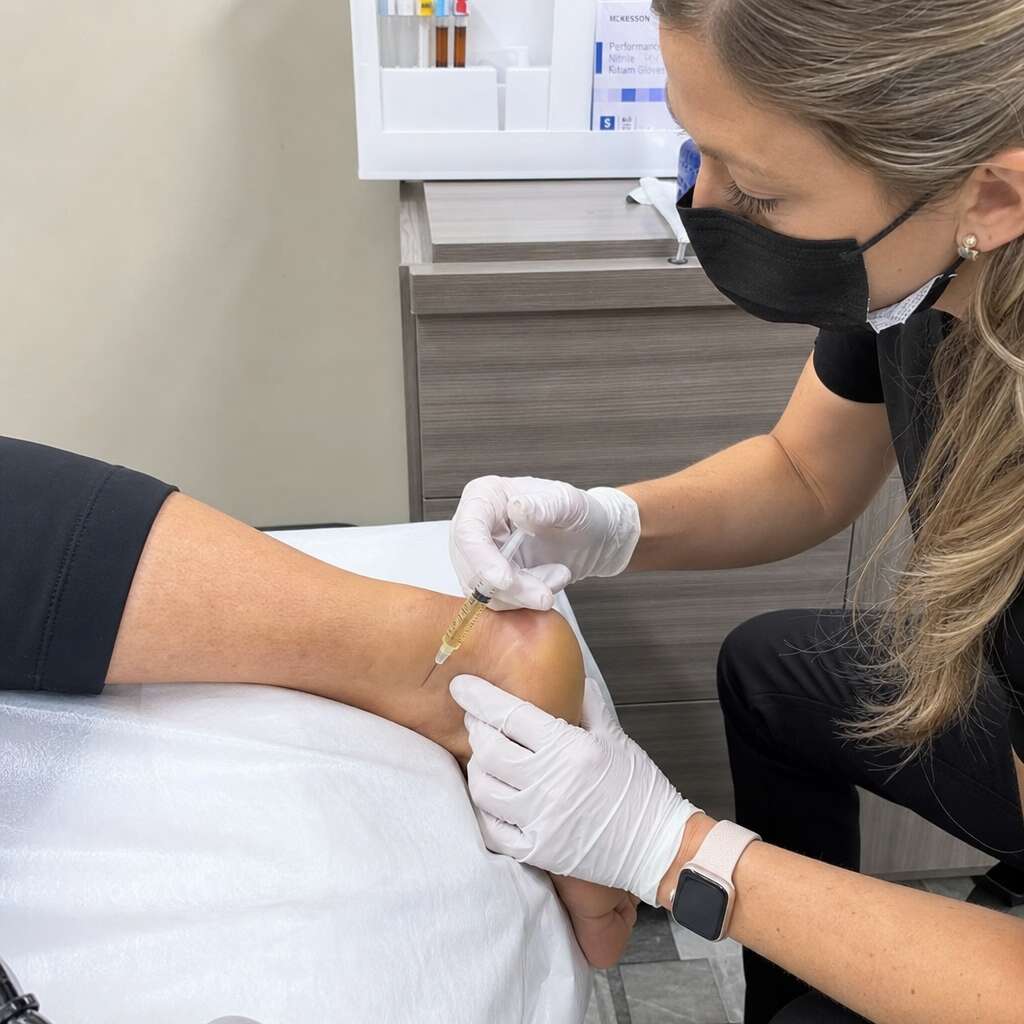
Let’s walk through the procedure. Today, we’re using a regenerative solution, but the technique is similar for both Prolotherapy and Platelet-Rich Plasma (PRP). We have a 5cc syringe, so we’ll allocate our volume carefully across multiple injection sites.
Locating the Entry Point
The first step is palpation—the art of using one’s hands to feel and diagnose. Finding the correct entry point is critical for the success of the injection.
- Patient Positioning: The patient lies prone on the treatment table with their feet hanging off the edge. This position allows for easy access to the Achilles tendon and allows the foot to relax.
- Creating Tension: I ask the Tension to relax their leg completely. To create a clear landmark, I gently push their foot against my leg or have them actively dorsiflex (“flex that foot”). This makes the Achilles tendon pop out, making it firm and easy to palpate.
- Finding the Bifurcation: I then run my thumb up the Achilles tendon from the heel. As I move superiorly (up the leg), I am feeling for a distinct change in the tissue. The dense, rope-like tendon will suddenly split or fan out into a “V” shape. That bifurcation is our target. It’s a bifurcation, a softening or widening of the structure. I’ll often ask the patient, “Feel it right there?” as I press on the spot to confirm. It’s usually located a few inches above the heel.
This bifurcation is a key anatomical landmark. It represents the musculotendinous junction, an area with a rich nerve supply and high metabolic activity, but also one that is prone to degenerative changes (tendinosis) due to the complex forces acting upon it. This is our entry point.
The Injection Technique
Once the entry point is marked, the injection itself requires a two-step approach to ensure the solution is delivered into the substance of the tendon, not just around it.
- The Initial Entry: We use an appropriate-length needle; in the office, I often prefer a 1.5-inch needle for this, as it provides better depth control, but a 1-inch needle can also be effective. The bevel of the needle should be pointed up. The initial insertion is perpendicular to the skin, aimed directly at the bifurcation point. I advance the needle to break through the subcutaneous tissue, going in about half the needle’s length. This initial depth is crucial. If you are too shallow and immediately change the angle, you will end up injecting into the subcutaneous fat layer, which will be ineffective.
- Angling into the Tendon: After reaching the initial depth, I change the angle of the needle, “tipping” or “leaning” it down so it becomes more parallel to the leg. I then advance the needle further, directing it down into the substance of the tendon itself. As the needle enters the dense, fibrotic tissue of the tendinosis, there is a palpable change in resistance. It feels different—thicker, grittier. It’s a tactile confirmation that you’re in the right place. I often tell my students, “You’ll feel it change. You’ll go, ‘Okay, I’m there.'”
- Injecting the Solution: Once I’m confident the needle tip is within the degenerated tendon, I slowly inject the solution. For a 5cc total volume, I might deposit solution at this site, depending on how many other sites we need to treat. The goal is to bathe the degenerated collagen fibers with the regenerative solution (PRP or a Prolotherapy proliferant), starting a healing cascade.
We repeat this process on the other leg, ensuring we are just as precise in locating the bifurcation and delivering the injection. Bifurcation is the first and most important part of the protocol. By targeting this area, we directly address the primary pathology driving downstream plantar fasciitis.
Targeting the Achilles Insertion and Plantar Fascia Origin
While the musculotendinous junction is the primary target, we also need to address the point of maximum tension: the insertion of the Achilles tendon and the origin of the plantar fascia on the calcaneus (heel bone). This area is a convergence of powerful forces and is almost always tender in patients with this condition.
Locating the Injection Sites
After treating the bifurcation, we move down to the bifurcation
- ng the Insertion: I have the patient relax their foot again. I palpate around the back and bottom of the heel bone, specifically where the Achilles tendon fans out and attaches. The tendon doesn’t just attach to the very back of the heel; it has a broad footprint that wraps around slightly to the medial (inner) and lateral (outer) sides.
- Identifying Maximum Tenderness: I press firmly on these medial and lateral insertion points, asking the patient, “Is it more tender medial or lateral?” The patient’s feedback is invaluable here. In most cases, the medial side is significantly more tender. This is our next target. It’s the point where the pathological tension is most concentrated. I often describe the feeling of the tissue here as “ropey.” You can feel the thickened, dysfunctional tendon fibers right over the bone.
- The Injection Points: We will target the point of maximum tenderness (usually medial) and often the corresponding lateral point as well, if the patient has tenderness there and we have enough solution volume.
The Injection Technique at the Insertion
The technique here is slightly different. We are performing what is known as a peri-osseous or enthesopathic injection, targeting the enthesis—the point where the tendon attaches to the bone.
- Angle of Approach: I come in from a slightly angled approach, aiming the needle directly toward the tender spot on the bone.
- Depth and Placement: I advance the needle until I feel it make gentle contact with the bone. I do not want to hit the bone aggressively, but rather confirm my depth and position. I then pull back just a millimeter or two, so the needle tip is in the enthesis—the fibrous tissue right on the bone’s surface.
- Injecting the Solution: I then inject a small amount of the solution, typically 0.5cc, at this site. This small bleb of regenerative fluid is placed right at the anchor point of the tendon, stimulating a healing response where degeneration and micro-tearing are occurring. We then repeat this on the lateral side if indicated.
The Critical Importance of Aspiration
A crucial safety step, especially when performing this procedure with Prolotherapy (which often contains an anesthetic like lidocaine), is aspiration. Before injecting the solution, I pull back on the plunger of the syringe
- y We Aspirate: We are checking to ensure the needle tip is not inside a blood vessel. The area around the Achilles tendon is vascular.
- What to Look For: If I pull back and the hub of the syringe fills with blood (a “flash”), I know I am in a vessel. Injecting a local anesthetic like lidocaine directly into the bloodstream can cause serious systemic effects, including cardiac and neurological complications. It can, as I sometimes say wryly, “turn into a sleepover you didn’t plan for.”
- The Corrective Action: If I get a flash, I do not inject. I withdraw the needle, push the plunger slightly to clear the blood from the needle shaft, and then find a new, safe position to re-insert and inject. Safety is always the paramount concern.
By treating both the bifurcation higher up the leg and bifurcation points at the heel, we are comprehensively addressing the entire dysfunctional length of the Achilles tendon. This relieves the chronic tension on the calc tendon, by extension, on the plantar fascia.
Prolotherapy vs. PRP: Choosing the Right Tool
I’ve mentioned both Prolotherapy and Platelet-Rich Plasma (PRP). While the injection technique is the same, these are different modalities with distinct mechanisms and treatment timelines.
Prolotherapy Explained
Prolotherapy, short for “proliferative therapy,” involves injecting a mild irritant solution—most commonly a dextrose (sugar) solution, sometimes mixed with a local anesthetic- into a damaged ligament or tendon.
- Mechanism of Action: The body’s immune system recognizes the dextrose solution as a foreign substance and mounts a mild, controlled inflammatory response. This is the key. Chronic tendinosis is a condition of degeneration, not active inflammation. The tissue is “stuck” in a failed healing state. Prolotherapy essentially “re-awakens” the healing process by tricking the body into thinking there is a new, acute injury. This influx of inflammatory cells, growth factors, and fibroblasts initiates the repair and regeneration of collagen, strengthening the weakened tendon over time.
- Treatment Course: Prolotherapy is highly effective, but it is a gradual process. It’s not a one-and-done treatment. The healing cascade it initiates takes time. A typical course might involve weekly injections for the first four weeks, followed by treatments every other week for another few sessions. Patients generally start to see significant improvement after about six treatments as the new collagen matrix is laid down and matures. It requires patience, but the results are lasting because it addresses the structural integrity of the tissue.
Platelet-Rich Plasma (PRP) Explained
PRP is a more advanced form of regenerative medicine that uses the patient’s own blood to create a powerful healing concentrate.
- The Process: We draw a small amount of the patient’s blood and place it in a special centrifuge. The centrifuge spins the blood at high speed, separating it into its components: red blood cells, plasma, and a concentrated layer of platelets. This platelet-rich layer is then carefully extracted and used for the injection.
- Mechanism of Action: Platelets are the body’s first responders to injury. They are tiny cell fragments packed with hundreds of powerful growth factors and cytokines. When we inject this super-concentrated PRP solution directly into the degenerated Achilles tendon, we are delivering a massive dose of these natural healing signals right to the site of injury. These growth factors orchestrate the entire healing process: they call in stem cells, stimulate the formation of new blood vessels (angiogenesis), and direct fibroblasts to produce strong, healthy new collagen.
- Treatment Course: Because PRP is so potent, it is generally more efficient than Prolotherapy. Patients often see significant results with fewer treatments, sometimes only one to three sessions spaced several weeks apart. The combination of Prolotherapy and PRP can be particularly powerful, using the former to create a widespread proliferative effect and the latter to deliver a concentrated burst of healing. My favorite place to inject PRP is a point of maximum tenderness because that’s where the pathology is most active. Show me something tender, and I’ll show you where the body needs help.
The Post-Injection Recovery and Rehabilitation
The injection is only the beginning of the healing journey. What the patient does after the procedure is just as important as the procedure itself. Our integrated approach shines in this phase.
The Immediate Aftermath
Immediately after the injections, the area will be sore. This is expected and, in fact, desirable. The soreness is a sign that the intended inflammatory and healing response has begun. We manage this with simple measures—ice is generally avoided as it can blunt the helpful inflammation we are trying to create.
I often recommend patients wear a walking boot for the first three days. This immobilizes the ankle, protects the tendon from excessive strain, and allows the initial healing phase to proceed without disruption.
The Role of Chiropractic Care and Active Rehabilitation
After the initial three-day period, we begin the crucial phase of rehabilitation, which is where integrative chiropractic care plays a central role.
- Restoring Biomechanics: I perform a full biomechanical evaluation of the patient’s entire kinetic chain, from the feet up to the spine. It is common to find sacroiliac joint dysfunction or lumbar spine misalignments that alter a patient’s gait and contribute to the abnormal loading of the lower leg. Using specific chiropractic adjustments, I work to restore proper motion to these joints, ensuring that the body’s foundation is stable and balanced. Correcting these upstream issues is essential to prevent the problem from recurring.
- Therapeutic Stretching: Once the initial soreness subsides, we introduce gentle but progressive calf stretching. This is critical. We’ve initiated healing in the tendon; now we need to ensure that the new collagen fibers heal in an elongated, functional alignment. Stretching helps to remodel the scar tissue and restore normal flexibility to the gastrocnemius-soleus complex.
- Soft Tissue and Myofascial Release: I utilize techniques like Active Release Technique (ART) or Graston Technique on the calf muscles (not the freshly injected tendon) to break up adhesions and improve muscle tissue quality. This further reduces the chronic tension pulling on the tendinopathy.
- Strengthening: As healing progresses, we introduce eccentric strengthening exercises for the calf muscles. Eccentric contractions (where the muscle lengthens under load) have been shown in numerous studies to be one of the most effective ways to treat tendinopathies.
By combining the regenerative injection with a comprehensive chiropractic and rehabilitative plan, we are not just healing the damaged tissue; we are correcting the underlying biomechanical faults that caused the problem in the first place. This is what leads to true, long-term resolution. We fix the tendinosis, giving the plantar fascia a chance to heal.
Conclusion: A New Hope for Chronic Foot Pain
The journey from a bar napkin sketch to a clinically validated, life-changing protocol has been remarkable. It represents a fundamental shift in our understanding of plantar fasciitis—a move away from chasing symptoms and toward treating the source. By redirecting our focus from the painful sole to the dysfunctional mechanics of the Achilles tendon and calf, we can break a chronic and debilitating cycle of pain.
This approach, which integrates advanced regenerative injections like PRP and Prolotherapy with the foundational principles of chiropractic biomechanics and functional medicine, offers new hope to patients who have suffered for years. The success of this protocol is a testament to the power of looking at the body as an interconnected system and the value of collaborative, multidisciplinary care.
At Injury Medical Clinic PA, under the collaborative guidance of Dr. Cardenas and myself, we are proud to offer this evidence-based, forward-thinking approach. It is not just about relieving pain; it is about restoring function, correcting imbalances, and empowering the body’s innate capacity to heal itself. For anyone who has been told that living with foot pain is their only option, I am here to tell you that there is a better way.
References
- Andia, I., & Maffulli, N. (2017). Platelet-rich plasma for managing pain and inflammation in osteoarthritis. Nature Reviews Rheumatology, 13(12), 721–730. doi.org/10.1038/nrrheum.2017.141
- Cushman, D. M., & L’Heureux, M. F. (2021). Diagnostic and injection techniques in musculoskeletal medicine. Elsevier.
- Docheva, D., Müller, S. A., Majewski, M., & Evans, C. H. (2015). Biologics for tendon repair. Advanced Drug Delivery Reviews, 84, 222–239. doi.org/10.1016/j.addr.2014.11.015
- Hauser, R. A., Lackner, J. B., Steilen-Matias, D., & Harris, D. K. (2016). A systematic review of dextrose prolotherapy for chronic musculoskeletal pain. Clinical Medicine Insights: Arthritis and Musculoskeletal Disorders, 9, 139–159. doi.org/10.4137/CMAMD.S39160
- Longo, U. G., Ronga, M., & Maffulli, N. (2011). Achilles tendinopathy. Sports Medicine and Arthroscopy Review, 19(1), 52–66. doi.org/10.1097/JSA.0b013e3182087255
- Martin, R. L., Davenport, T. E., Reischl, S. F., McPoil, T. G., Matheson, J. W., Wukich, D. K., & McDonough, C. M. (2014). Heel pain—plantar fasciitis: revision 2014. Journal of Orthopaedic & Sports Physical Therapy, 44(11), A1–A33. doi.org/10.2519/jospt.2014.0303
- Rabago, D., Patterson, J. J., Mundt, M., Kijowski, R., Grettie, J., Segal, N. A., & Zgierska, A. (2014). Dextrose prolotherapy for knee osteoarthritis: a randomized controlled trial. Annals of Family Medicine, 12(3), 229–237. doi.org/10.1370/afm.1637
- Scott, A., Squier, K., Alfredson, H., Bahr, R., Cook, J. L., Coombes, B., de Vos, R. J., Fu, S. N., Grimaldi, A., Lewis, J. S., Maffulli, N., Magnusson, S. P., Malliaras, P., Mcaloon, K., O’Neill, S., Reiman, M. P., Rio, E., Gravare Silbernagel, K., Speed, C., … Zwerver, J. (2015). ICON 2014: International Scientific Tendinopathy Symposium consensus: advocating transdisciplinary research and clinical management. British Journal of Sports Medicine, 49(19), 1230-1232. doi.org/10.1136/bjsports-2015-094954
SEO Tags: Plantar Fasciitis, Achilles Tendinosis, Regenerative Medicine, PRP Therapy, Prolotherapy, Chiropractic Care, Dr. Alex Jimenez, El Paso TX, Integrative Medicine, Heel Pain Treatment, Chronic Foot Pain, Functional Medicine, Musculoskeletal Injections, Biomechanics, Sports Injury, Tendinopathy, Dr. Maria Cardenas, Injury Medical Clinic PA
What's your reaction?